Noida workers’ protest: how to challenge NSA detention and 11 FIRs in UP
Quick Answer
The Noida workers’ protest matter shows a difficult criminal-law problem: the NSA detention may be quashed , while the person remains in jail because separate criminal cases are still pending. This guide explains the practical remedy for that situation, including habeas corpus, bail, and multiple…
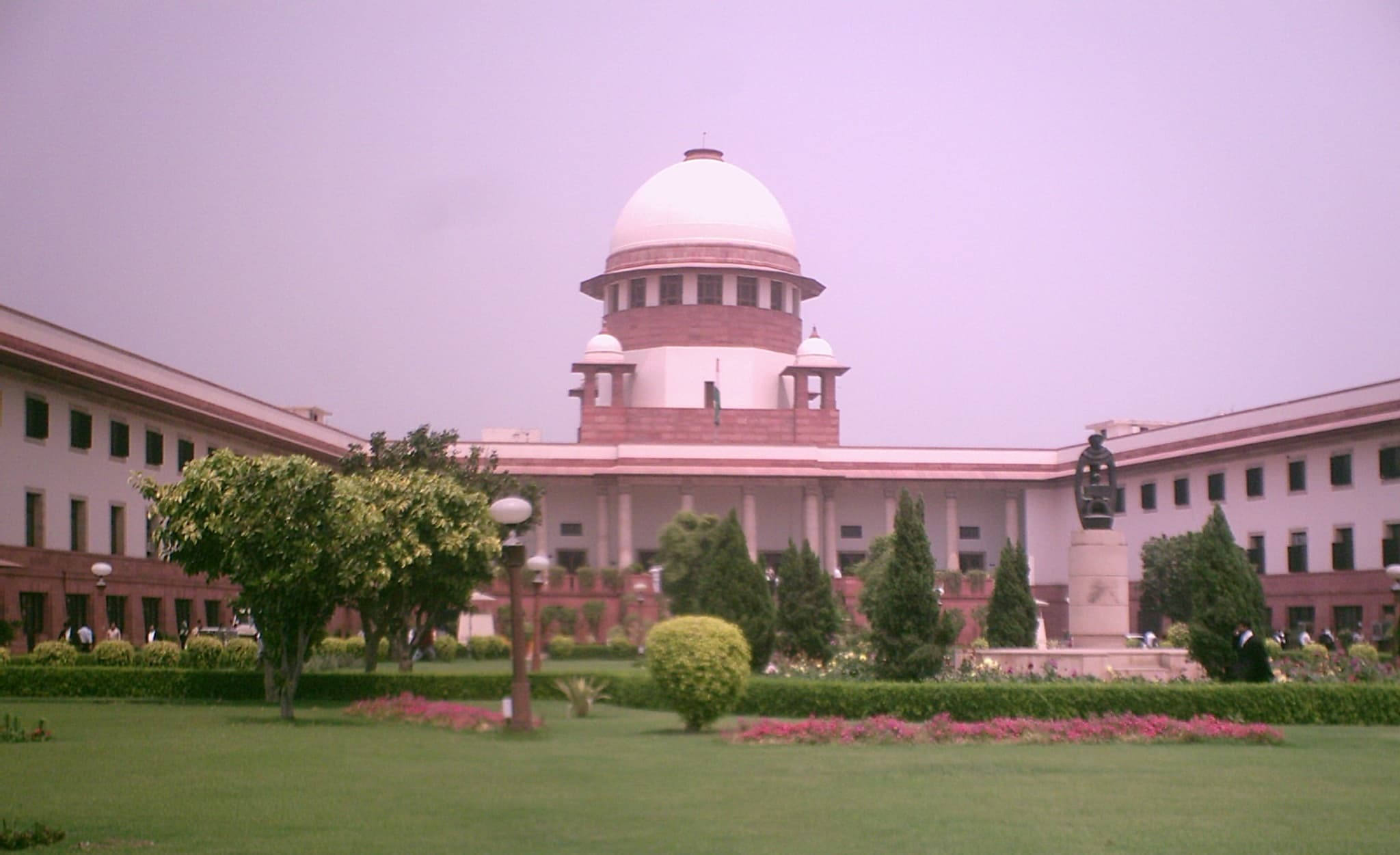
The Noida workers’ protest matter shows a difficult criminal-law problem: the NSA detention may be quashed, while the person remains in jail because separate criminal cases are still pending. This guide explains the practical remedy for that situation, including habeas corpus, bail, and multiple-FIR challenges before the appropriate courts in Uttar Pradesh.
The reported order in Aakriti Chaudhary v. State of U.P. concerned detention under Section 3(2) of the National Security Act, 1980. The Allahabad High Court reportedly quashed the preventive detention, but quashing that order does not automatically cancel an FIR or release an accused who is in lawful custody in another case.
Families should treat each FIR, remand order, and detention order as a separate document. A coordinated strategy may involve the Magistrate, Sessions Court, and Allahabad High Court at its Lucknow Bench. For broader preparation, see this criminal defence service guide.
Table of Contents
Need Immediate Legal Help?
If you're facing a legal emergency in Lucknow, don't wait. Contact experienced criminal lawyer Advocate Onkar Pandey for immediate assistance.
What the NSA order does and does not decide
Section 3(2) of the National Security Act, 1980 permits preventive detention in circumstances covered by the statute. Preventive detention is separate from prosecution for an offence, so the High Court examines the detention authority’s satisfaction, supplied grounds, relevant material, and compliance with constitutional safeguards.
Article 22(5) requires communication of the grounds of detention and a real opportunity to make a representation. In Aakriti Chaudhary v. State of U.P., the reported Allahabad High Court ruling treated the factual foundation and legality of the NSA detention as insufficient. The practical consequence is limited to the detention order unless the court also addresses another custody.
- Quashing the NSA order may end preventive detention.
- An accused may remain in jail under a judicial remand in an FIR.
- Bail must be sought in each case where custody is continuing.
- A later detention order must be examined separately and cannot be assumed invalid merely because an earlier order was quashed.
The Lucknow Bench may entertain a habeas corpus petition when the detention is within its territorial jurisdiction or the relevant authority is situated in the area assigned to that Bench. Counsel should verify territorial jurisdiction before filing. A related explanation of arrest safeguards is available in Illegal Arrest Without Written Grounds.
Step one: collect the complete custody record
Before choosing a remedy, the family should prepare a custody chart. The chart should show the date of arrest, the police station, FIR number, sections invoked, production before court, remand dates, bail status, and whether any NSA order or extension has been served.
- Obtain certified or readable copies of every FIR and the first information statement.
- Collect arrest memos, remand applications, remand orders, case diaries where legally available, and jail warrants.
- Request the detention order, grounds of detention, documents relied upon, approval records, and representation papers under the NSA process.
- List witnesses, alleged acts, locations, and dates in each FIR to identify overlap.
- Record whether any FIR concerns a distinct incident or merely repeats the same protest allegation.
| Document | Why it matters | Likely forum |
|---|---|---|
| NSA detention order and grounds | Tests Section 3 and Article 22(5) compliance | Allahabad High Court habeas corpus |
| FIR and remand order | Shows the legal basis for continuing custody | CJM or Magistrate Court |
| Charge-sheet status | Guides bail and delay arguments | Magistrate or Sessions Court |
| Repeated FIR material | Supports a clubbing or abuse-of-process challenge | Allahabad High Court |
Do not rely only on a media report or police press note. The court decides on the record placed before it, and missing remand or detention papers can delay urgent relief.
Step two: challenge preventive detention through habeas corpus
A habeas corpus petition before the Allahabad High Court is the usual constitutional route to test unlawful preventive detention. The petition should plead the precise defect: stale material, non-supply of relied-upon documents, failure to consider a representation, absence of a rational link between the alleged conduct and public order, or breach of a statutory timeline.
Section 10 of the NSA concerns reference of the case to the Advisory Board. In the Mau detention matters arising from CAA/NRC protests, the Allahabad High Court in 2021 dealt with delay and non-compliance with NSA procedure. The 2021 Allahabad High Court line of NSA quash orders also examined mechanical satisfaction and lack of proper application of mind.
- Identify the detaining authority and the authority currently holding the person.
- Attach the detention order, grounds, representation, rejection communication, and Advisory Board material when available.
- Ask for production of the detenue if the court considers it necessary.
- Request release from preventive detention, subject to any independent criminal custody.
- Seek interim directions for a reply where the record discloses an urgent liberty issue.
The result in Sunil Kumar Gupta v. Union of India / State-related NSA detention matter, Allahabad High Court, Lucknow Bench, 2025, shows the other side of the test. Serious allegations, criminal antecedents, and witness-fear material can support preventive detention when the authority’s satisfaction is legally sustainable. A habeas petition therefore needs record-based grounds, not only a denial of allegations.
Legal Consultation
Talk directly to Advocate Onkar Pandey
Explain your matter over a call or WhatsApp. If you take the case forward, the consultation fee adjusts into your overall fee, so there is no separate charge to begin.
Step three: deal with the 11 FIRs separately
Eleven FIRs do not automatically mean eleven valid prosecutions, but they also do not automatically become one case. The central question is whether each FIR records a genuinely distinct occurrence, accused conduct, victim, location, or legal injury, or whether later FIRs repeat the same transaction after the first investigation has begun.
For an FIR disclosing a cognizable offence, the accused may seek regular bail after arrest. The Magistrate’s power in a non-bailable offence is addressed under Section 483 BNSS. If bail is rejected or the offence requires a higher forum, the Sessions Court or High Court may exercise bail power under Section 484 BNSS.
- Prepare a separate bail application for each FIR where custody is recorded.
- Use the CJM Court or competent Magistrate at the place of production for the first bail application, subject to the offence and local jurisdiction.
- Approach the Sessions Court if the Magistrate refuses bail or the case requires Sessions-level consideration.
- Use Section 484 BNSS before the Allahabad High Court where appropriate after rejection or in circumstances permitting direct intervention.
- Consider a petition under Section 528 BNSS for quashing where the FIR or proceedings are legally abusive, do not disclose an offence, or impermissibly duplicate the same transaction.
The multiple-FIR material from Allahabad High Court in Noida fraud matters, reported in 2024/2025, reflects that courts examine whether later FIRs concern a fresh and distinct occurrence or an abuse of process. Counsel should create a side-by-side FIR table before seeking FIR quashing.
Bail, quashing and release: choosing the correct remedy
The correct application depends on the custody status. A person not yet arrested may consider Section 482 BNSS for anticipatory bail before the Sessions Court or High Court. A person already arrested ordinarily seeks regular bail under Sections 483 or 484 BNSS, depending on the forum and procedural posture.
| Situation | Primary remedy | Practical point |
|---|---|---|
| Threat of arrest in a fresh FIR | Section 482 BNSS | File before Sessions Court or High Court with FIR and case facts |
| First bail after arrest | Section 483 BNSS | Move the competent Magistrate with remand papers |
| Bail rejected by Magistrate or Sessions Court | Section 484 BNSS | Place rejection order and custody details before higher court |
| FIR duplicates the same transaction | Section 528 BNSS | Compare dates, acts, victims, and investigation scope |
| Illegal NSA custody | Habeas corpus | Challenge Section 3 NSA and Article 22(5) compliance |
Release after an NSA order is quashed depends on whether a valid jail warrant or remand survives. The order should be examined for directions to release, and the jail authority should receive the authenticated order. If another FIR is shown as the custody basis, bail or quashing relief must be pursued in that case.
Families should also preserve proof of compliance capacity, local address, employment, medical needs, and proposed sureties. For protest-related arrests, see the Noida workers’ protest criminal-law guide and the article on detained minors during protests.
UP procedure, timelines and expected costs
Urgent liberty matters can be mentioned or listed quickly, but no lawyer can guarantee a hearing date or result. Preventive-detention petitions may move within days to a few weeks when the detention record is complete; contested replies, translation issues, and multiple respondents can extend the hearing.
| Work required | Indicative time | Indicative professional fee |
|---|---|---|
| Initial record review and custody chart | 1–3 working days | ₹5,000–₹25,000 |
| Urgent habeas corpus petition | Listing often within days to a few weeks | ₹50,000–₹2,50,000 or more |
| Regular bail before Magistrate | About 3–15 working days, depending on objections | ₹15,000–₹60,000 per case |
| Sessions or High Court bail | About 1–6 weeks | ₹40,000–₹3,00,000 |
| Multiple-FIR Section 528 BNSS petition | Several weeks to several months | ₹60,000–₹3,00,000 or more |
These are practical estimates, not court-prescribed rates. Filing expenses, certified copies, typing, clerkage, appearance charges, travel, and briefing fees may be separate. The consultation fee adjusts into your case fee if you proceed, so there is no separate charge to begin.
In Lucknow, counsel may coordinate filings before the CJM Court Lucknow, Sessions Court Lucknow, and the Lucknow Bench. The correct forum may instead be the district where the FIR, arrest, remand, or detention authority is legally connected.
Practitioner's Note from the Lucknow Bench
In our practice before the Lucknow Bench, such applications are typically listed within days to a few weeks when the petition clearly identifies the detention authority, custody authority, detention grounds, and the independent FIRs keeping the person in jail. We first verify whether the matter belongs before the Lucknow Bench or the principal seat at Allahabad, then obtain the detention order, grounds, representation record, remand orders, and the latest custody certificate.
For a habeas corpus petition, judges commonly ask when the order was served, when the representation was made, whether relied-upon documents were supplied, and whether the Advisory Board process complied with Section 10 of the NSA. For bail, the court usually asks for the FIR, criminal history, injury or damage papers where relevant, prior bail orders, charge-sheet status, and the exact period of custody.
- Urgent habeas corpus work commonly costs about ₹50,000 to ₹2,50,000 or more.
- Contested preventive-detention and connected bail work may cost about ₹60,000 to ₹3,00,000, depending on record size and appearances.
- Magistrate bail commonly falls around ₹15,000 to ₹60,000 per FIR, subject to complexity.
These figures are professional-fee estimates and do not include court expenses or certified-copy charges. The consultation fee adjusts into your case fee if you proceed, so there is no separate charge to begin.
About the Author
Advocate Onkar Pandey is a practicing lawyer at the Allahabad High Court Lucknow Bench with over 25 years of experience in criminal law, bail matters, FIR quashing, and family law. Enrolled with the Bar Council of Uttar Pradesh (No. UP/4825/1999), he provides expert legal guidance to clients across Uttar Pradesh from his chamber at A-406, High Court, Lucknow. For a consultation on Noida workers’ protest NSA detention and multiple FIR matters, contact Advocate Onkar Pandey at +91 98392 71553.
Frequently Asked Questions
If the NSA detention is quashed, must the jail release the person immediately?+
Not always. Quashing detention under Section 3(2) of the National Security Act ends the preventive-detention authority, but a person can remain in jail under a valid remand or warrant in an FIR case. The family should obtain the High Court order, check the latest custody certificate, and identify every FIR in which custody continues. Bail must then be sought under Section 483 BNSS before the competent Magistrate or under Section 484 BNSS before the Sessions Court or High Court. Release may occur quickly after an authenticated order if no other lawful custody exists, but the timing depends on court and jail paperwork.
Can 11 FIRs arising from one protest be quashed together?+
Possibly, but the court will compare the allegations rather than count the FIRs. Under Section 528 BNSS, the High Court may examine whether later FIRs repeat the same transaction, investigation, accused acts, and victim allegations, or whether they describe genuinely separate incidents. A side-by-side chart of dates, locations, sections, witnesses, and property damage allegations is useful. Separate incidents may require separate investigations and bail applications. A petition should be filed only after reviewing the actual FIRs and remand record, not merely based on a common protest label.
Which BNSS section applies to anticipatory bail in Uttar Pradesh?+
Anticipatory bail is governed by Section 482 BNSS, not Section 482 BNSS. It may be sought before the Sessions Court or the High Court when a person has a reasonable apprehension of arrest in a non-bailable offence. The application should include the FIR, notice or arrest apprehension, criminal history, cooperation position, and grounds showing why custodial arrest is unnecessary. If the person has already been arrested, the usual remedy is regular bail under Section 483 BNSS before the Magistrate or Section 484 BNSS before the Sessions Court or High Court.
How quickly can an NSA habeas corpus petition be heard at the Lucknow Bench?+
Urgent petitions may be listed within days to a few weeks, but the actual date depends on filing defects, territorial jurisdiction, court workload, and the response from the State and detaining authority. The petition should attach the detention order, grounds, representation, rejection communication, and custody details. Section 10 of the NSA and Article 22(5) issues should be stated precisely. Contested matters may take two to eight weeks or longer where affidavits, translations, or extensive records are involved.
What papers should the family collect after an arrest in a protest FIR?+
Collect the FIR, arrest memo, remand application, remand order, medical examination record, jail warrant, notice under the applicable procedure where issued, and every subsequent bail order. Prepare a list of all FIR numbers, police stations, sections, arrest dates, and court dates. Preserve videos, photographs, location records, employment documents, and medical papers lawfully available to the defence. These materials help in a Section 483 or 484 BNSS bail application and may support a Section 528 BNSS challenge where FIRs duplicate one occurrence.
Can police withdraw an FIR without a court order in UP?+
The police cannot ordinarily make an FIR disappear by an informal withdrawal. Investigation may end in a final report, but the Magistrate considers that report according to law; a prosecution already before court may require appropriate judicial orders. If the FIR is legally unsustainable or abusive, the accused may consider Section 528 BNSS before the Allahabad High Court. The exact remedy depends on whether the case is only registered, under investigation, charge-sheeted, or pending trial. See the guide on withdrawal of FIRs in UP.
Related Guides
Related Services
Get Expert Legal Advice in Lucknow
20+ years experience in criminal law at Lucknow High Court. Available 24/7 for emergencies.
Disclaimer: This article is for general information purposes only and does not constitute legal advice. Every case is unique and requires specific legal analysis. For advice specific to your situation, please consult Advocate Onkar Pandey or another qualified attorney in Lucknow.