Section 376 IPC / BNS: punishment, bail and legal process
Section 376 BNS bail in Lucknow requires first identifying whether the case is governed by the old Indian Penal Code or the Bharatiya Nyaya Sanhita, 2023. Section 376 IPC was the principal rape punishment provision for offences committed when the IPC applied. For offences under the current code, the corresponding core provision is generally Section 64 BNS, while aggravated and age-based offences are dealt with under Sections 65 to 70 BNS.
Rape is ordinarily a non-bailable offence. Bail is not automatic, but the accused may apply before the Magistrate under Section 483 BNSS, before the Sessions Court or High Court under Section 484 BNSS, or seek anticipatory bail under Section 482 BNSS where the law permits it. The process usually moves from FIR and investigation to arrest or notice, remand, bail, charge-sheet, framing of charge and trial.
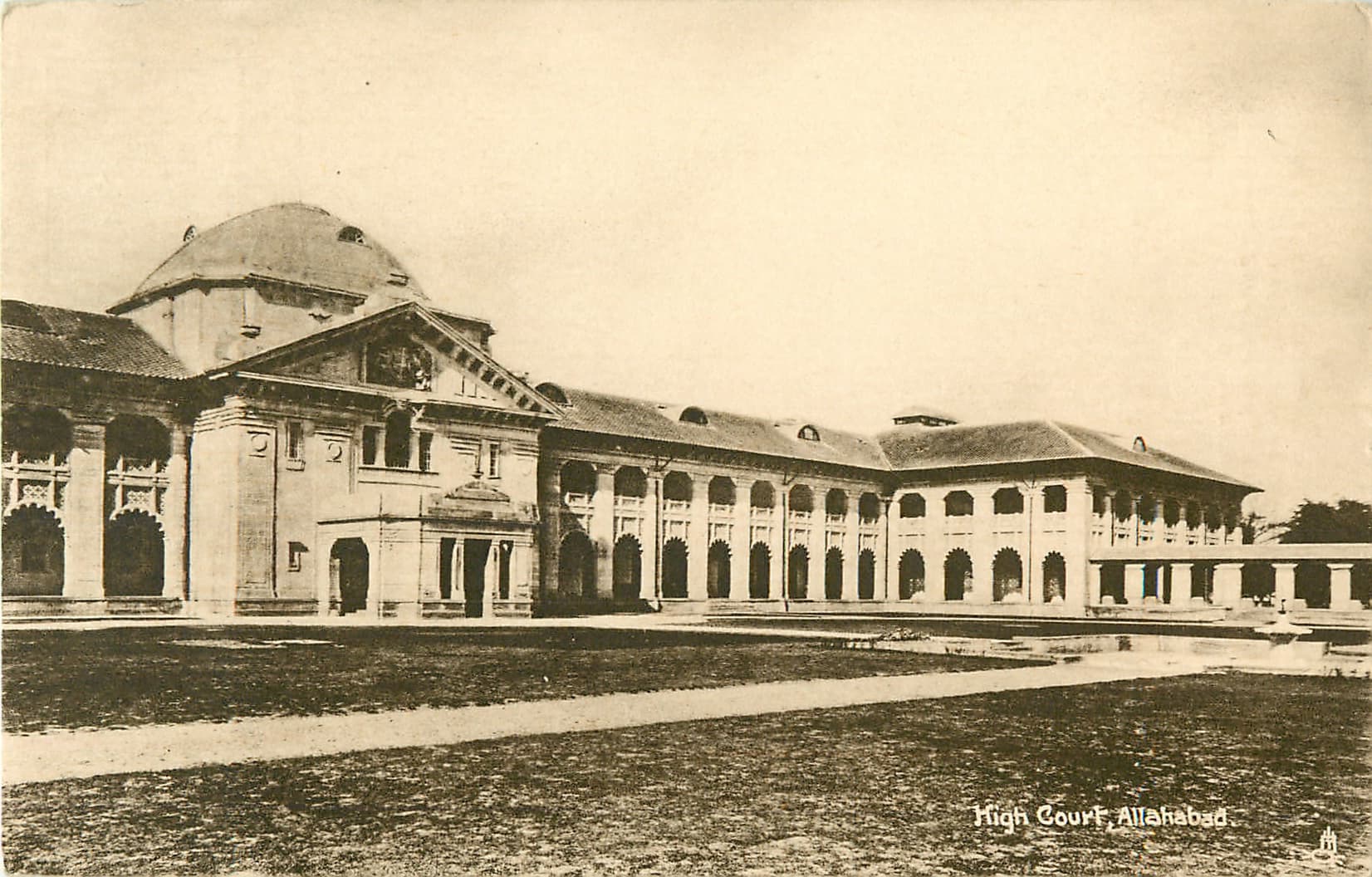
This guide explains the procedure followed in Uttar Pradesh, including the CJM Court Lucknow, Sessions Court Lucknow and the Allahabad High Court Lucknow Bench. For urgent कानूनी सहायता, the FIR, medical papers and court orders should be reviewed together.
Table of Contents
Need Immediate Legal Help?
If you're facing a legal emergency in Lucknow, don't wait. Contact experienced criminal lawyer Advocate Onkar Pandey for immediate assistance.
What Section 376 IPC and Section 64 BNS cover
Section 376 IPC prescribed punishment for rape under the former penal code. The IPC also contained aggravated provisions such as Sections 376(2), 376(3), 376AB, 376DA and 376DB. The exact section depended on the victim’s age, the accused’s position, the circumstances of the act and the applicable amendment in force on the date of the alleged offence.
Under the current code, Section 64 BNS is the principal provision for rape. Sections 65 to 70 BNS address specified aggravated situations, including offences involving younger victims, gang rape and repeat offending. Where the victim is below 18, the Protection of Children from Sexual Offences Act may also apply, and the defence must examine both enactments.
| Situation | Provision to examine | Initial legal consequence |
|---|---|---|
| Offence committed under the old code | Section 376 IPC and applicable aggravated IPC provision | IPC punishment and CrPC-era orders may appear in the record |
| Current rape allegation | Section 64 BNS | Non-bailable prosecution with investigation and trial under BNSS |
| Aggravated or age-based allegation | Sections 65 to 70 BNS, and possibly POCSO | Stricter punishment and closer bail scrutiny |
- Read the FIR and medical record together; the FIR alone may not show every section added during investigation.
- Check the date of the alleged offence before deciding whether IPC or BNS applies.
- Separate the substantive offence from the procedural statute: BNS defines the offence, while BNSS governs arrest, remand and bail.
Is Section 376 IPC or Section 64 BNS bailable?
Rape under Section 376 IPC and the corresponding offence under Section 64 BNS is generally non-bailable. Non-bailable does not mean that bail is barred. It means the accused must obtain a judicial order after the court considers the allegations, investigation material, custody requirement, criminal history, risk of absconding and possibility of influencing witnesses.
A Magistrate may consider ordinary bail under Section 483 BNSS, subject to the statutory limits and facts. After rejection, or where the case requires a higher court’s jurisdiction, an application may be filed under Section 484 BNSS before the Sessions Court or Allahabad High Court. Anticipatory bail is separately considered under Section 482 BNSS before arrest, but statutory restrictions and the category of allegation must be checked carefully.
| Application | BNSS section | Where it is filed |
|---|---|---|
| Bail in a bailable offence | Section 480 BNSS | Police station or court, subject to the section |
| Half of maximum imprisonment period | Section 481 BNSS | Trial court, subject to exclusions and conditions |
| Anticipatory bail | Section 482 BNSS | Sessions Court or High Court |
| Regular bail before Magistrate | Section 483 BNSS | Competent Magistrate |
| Higher court bail power | Section 484 BNSS | Sessions Court or High Court |
The court may impose conditions concerning attendance, non-contact with the complainant, cooperation with investigation and travel. A lawyer handling bail and anticipatory bail in Lucknow should identify the correct BNSS provision rather than using the outdated Section 438 CrPC number for a current anticipatory bail application.
Punishment and factors that change the case
Section 64 BNS provides the core punishment for rape, while aggravated cases may attract much higher punishment under Sections 65 to 70 BNS. The precise sentence cannot be stated without knowing the victim’s age, the alleged relationship, the accused’s official position, the use of force or authority, the allegation of gang rape and whether the case falls under POCSO.
For an IPC case, the prosecution may rely on Section 376 or one of the aggravated provisions that applied on the date of the occurrence. A charge may also include provisions for criminal intimidation, cheating, breach of trust, assault or offences under special laws. Each added section can affect the forum, notice requirements and bail strategy.
- Age: School records, birth certificates and medical age assessment may become relevant.
- Consent: The court examines the allegation, communications, conduct and surrounding circumstances within the statutory definition and evidence rules.
- Authority: Allegations involving a public servant, police officer, medical professional or person in a position of control may invite aggravated provisions.
- Special statute: A victim below 18 can bring POCSO provisions into the case, including the jurisdiction of the Special Court.
- Evidence: Medical evidence, forensic material, electronic chats, call records, CCTV and witness statements may all be investigated.
The Allahabad High Court order in Saurabh Pal Singh v. State of U.P., cited as 2026:AHC-LKO:686321, records a prosecution involving Section 376 IPC among other offences and discharge of bail bonds after relief. The order illustrates why the final status of the prosecution and the stage of proceedings must be checked before advising on custody or further remedies. A broader criminal defence service in Lucknow may be required where several offences are included in the same FIR.
Legal Consultation
Talk directly to Advocate Onkar Pandey
Explain your matter over a call or WhatsApp. If you take the case forward, the consultation fee adjusts into your overall fee, so there is no separate charge to begin.
Legal process in Lucknow from FIR to trial
The process begins with information given to the police and registration of an FIR. The investigating officer then records statements, arranges medical examination where required, collects forensic and digital material, identifies witnesses and considers arrest. The accused should preserve documents and avoid direct contact with the complainant.
- FIR and sections: Obtain a certified or readable copy and verify whether IPC, BNS, POCSO or other provisions are mentioned.
- Investigation: The police collect statements, medical papers, electronic records and forensic evidence. A notice to join investigation may be issued where arrest is not considered necessary.
- Arrest and remand: If arrested, the accused must be produced before the Magistrate within the constitutional and statutory time requirements. The court decides police or judicial custody.
- Bail hearing: The defence files the appropriate application, while the prosecution may oppose it and the court may seek the case diary or status of investigation.
- Charge-sheet: After investigation, the police submit the final report. The court supplies relied-upon papers and considers discharge or framing of charge.
- Trial: The prosecution leads evidence, witnesses are cross-examined, the accused is examined as required, and defence evidence and final arguments follow.
Applications may arise before the CJM Court Lucknow, Sessions Court Lucknow or the High Court depending on custody and relief sought. For an FIR challenge, the remedy may involve Section 528 BNSS, the High Court’s inherent power, but quashing is fact-specific and should not be treated as a substitute for a regular bail application.
Keep a record of every order, next date, custody warrant and filing defect. Guidance on FIR quashing and criminal defence should be based on the complete case diary position where available. The related guide on Section 69 BNS bail and quashing in Lucknow explains how a different BNS allegation may require a separate analysis.
Documents and bail strategy for an accused
A bail application is stronger when the advocate can present a clear custody and investigation position. The court will usually want the FIR, arrest memo or notice, remand orders, the charge-sheet if filed, criminal history details and material showing compliance with earlier directions.
| Document | Why it is needed |
|---|---|
| FIR and complaint | To identify allegations, date, sections and named or unknown accused |
| Arrest memo, notice and remand orders | To establish custody status and procedural history |
| Medical and forensic papers | To understand the prosecution version and disputed medical issues |
| Charge-sheet or case status | To show whether investigation is complete and evidence is preserved |
| Identity, address and surety papers | To satisfy bond and verification requirements after bail |
| Criminal history affidavit or details | To avoid an adverse order for concealment or incomplete disclosure |
- Explain delay in the FIR or medical examination only through documents and admissible circumstances.
- Disclose previous cases accurately; suppression can damage credibility and lead to cancellation proceedings.
- Do not contact, threaten or negotiate privately with the complainant or witnesses.
- Comply with every attendance, travel and non-contact condition in the order.
In Rajan v. State of U.P., an Allahabad High Court bail order dated 21 January 2021 included conditions concerning appearance before police and execution of bonds. Conditions vary with the facts, but failure to comply can result in cancellation proceedings. The related guide on anticipatory bail cancellation and serious legal error is relevant when a protection order is challenged or compliance is disputed.
UP cost and timeline for bail proceedings
Legal fees in Uttar Pradesh are not fixed by the BNSS. The figures below are practical estimates for professional drafting and appearances, not government charges. The final fee depends on the number of accused, volume of papers, urgency, custody status, senior counsel involvement and the number of hearings.
| Work | Practical timeline | Indicative professional fee |
|---|---|---|
| District or Sessions bail | About 3 to 15 working days, depending on listing and opposition | ₹10,000 to ₹35,000 for drafting and one appearance |
| Allahabad High Court regular bail | About 7 to 30 days, subject to listing and record availability | ₹25,000 to ₹1,00,000 or more |
| Anticipatory bail | Urgent listing may be sought; final timing depends on notice and court direction | Often ₹20,000 to ₹75,000 or more |
| FIR quashing under Section 528 BNSS | Several weeks or longer, depending on notice and pleadings | Case-specific and usually higher than a single bail motion |
In custody matters, the advocate should file promptly after arrest and obtain the remand order. A Sessions or High Court application may require the FIR, lower court order, custody details, affidavits and an explanation of criminal history.
- Confirm whether the file belongs before the Lucknow Bench or another territorial court.
- Ask the filing clerk to check defects before the first listing.
- Budget separately for certified copies, affidavits, process, clerkage and additional hearings.
The consultation fee adjusts into your case fee if you proceed, so there is no separate charge to begin. A document review can identify whether the immediate remedy is bail, anticipatory bail, remand opposition or a Section 528 BNSS petition.
Practitioner's Note from the Lucknow Bench
In our practice before the Lucknow Bench, such applications are typically listed according to the custody position, filing defects, availability of the case record and the court’s daily cause list. An accused in custody should first secure the FIR, remand order and lower court bail order, if any; an anticipatory bail applicant should bring the FIR, notice or apprehension material and a complete criminal history statement.
We file regular bail before the competent Magistrate or Sessions Court Lucknow depending on the stage and statutory power. A High Court application under Section 484 BNSS is generally prepared with the FIR, rejection order, charge-sheet or investigation status, custody certificate where available, prior orders and proof of compliance with earlier conditions.
| Practical item | What we usually ask the client to provide |
|---|---|
| First review | FIR, arrest or notice papers, remand order and identity documents |
| Higher court filing | Lower court order, case status, charge-sheet papers and criminal history |
| Budget planning | District or Sessions work commonly ₹10,000 to ₹35,000; High Court regular bail commonly ₹25,000 to ₹1,00,000 or more |
| Listing expectation | Urgent listing can be requested, but no fixed hearing date can be promised |
- Bring original documents for verification and scanned copies for filing.
- Tell counsel about every previous FIR, bail order and court direction.
- Do not assume that filing itself suspends arrest or custody; obtain a specific judicial order.
About the Author
Frequently Asked Questions
Is Section 376 IPC bailable?+
Section 376 IPC is generally non-bailable. The accused may still apply for bail, depending on the facts and stage of the case. For a current offence, Section 64 BNS ordinarily applies instead. Bail before a Magistrate is considered under Section 483 BNSS, while the Sessions Court or High Court may exercise bail power under Section 484 BNSS. The court examines the FIR, medical and electronic evidence, criminal history, custody period, investigation status and risk of witness influence. Bail is not automatic merely because investigation is complete.
What is the BNS section replacing Section 376 IPC?+
The core rape provision corresponding to Section 376 IPC is generally Section 64 BNS. The BNS distributes aggravated and age-based rape offences across Sections 65 to 70. The date of the alleged offence must be checked before selecting the statute, because older incidents may continue under the IPC framework. If the victim was below 18, POCSO provisions may also apply. A lawyer should compare the FIR, charge-sheet and applicable date rather than changing Section 376 IPC to Section 64 BNS mechanically.
Can anticipatory bail be filed in a rape case in Lucknow?+
Anticipatory bail is sought under Section 482 BNSS before the Sessions Court or High Court. It is not available as an automatic remedy, and restrictions may apply to particular aggravated or age-based allegations. The applicant should file the FIR, explain the apprehension of arrest, disclose criminal history and place relevant documents before the court. The Sessions Court Lucknow may be approached first, subject to the facts and territorial jurisdiction. The Allahabad High Court Lucknow Bench may be approached where the High Court remedy is appropriate. Obtain a specific order before assuming protection.
How long does bail take after arrest in a Section 64 BNS case?+
There is no guaranteed timeline. A Magistrate application may be heard soon after production and remand, while a Sessions Court matter may take about 3 to 15 working days depending on listing, notice and opposition. A High Court regular bail application may take about 7 to 30 days or longer if records are unavailable or the prosecution seeks time. The accused should obtain the arrest memo, remand order, FIR and custody details immediately. Filing defects, incomplete documents and undisclosed criminal history can delay consideration.
What documents are needed for bail in a rape FIR?+
The basic papers include the FIR, arrest memo or police notice, remand orders, lower court bail orders, charge-sheet or investigation status, identity and address proof, surety documents and complete criminal history details. Medical, forensic and electronic records may be relevant where they are part of the prosecution papers. The defence should also collect proof of compliance with any previous order. The exact papers vary between the CJM Court Lucknow, Sessions Court Lucknow and the High Court. Do not contact the complainant directly while preparing the application.
Can an FIR under Section 376 be quashed?+
The High Court may consider inherent jurisdiction under Section 528 BNSS, but quashing depends on the allegations, evidence, settlement position where legally relevant, age of the complainant, public interest and the stage of the case. Serious rape allegations are not routinely quashed merely because the parties later make a request. A Section 528 BNSS petition is different from bail: quashing challenges continuation of the prosecution, while bail addresses custody. The FIR, charge-sheet, statements and latest trial orders should be examined before selecting the remedy.
Related Services
Get Expert Legal Advice in Lucknow
20+ years experience in criminal law at Lucknow High Court. Available 24/7 for emergencies.
Disclaimer: This article is for general information purposes only and does not constitute legal advice. Every case is unique and requires specific legal analysis. For advice specific to your situation, please consult Advocate Onkar Pandey or another qualified attorney in Lucknow.