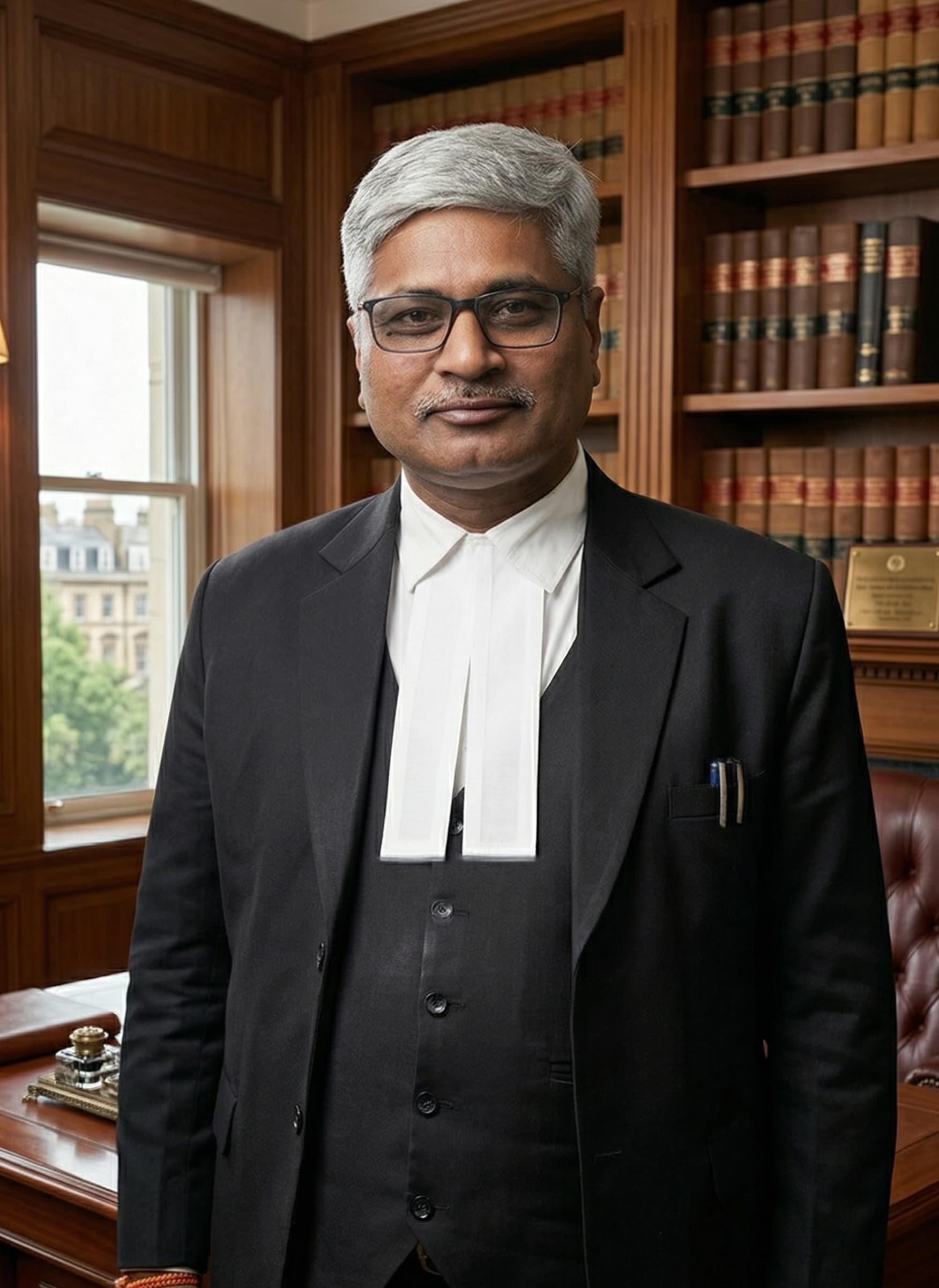
FIR Quashing Services in Lucknow High Court

Expert legal representation at Lucknow High Court with 20+ years of experience. Get immediate legal assistance for your fir quashing & cancellation matters.

Overview

False FIRs can destroy reputations and cause immense stress. Advocate Onkar Pandey specializes in getting false and fabricated FIRs quashed under Section 482 of the Code of Criminal Procedure at the Lucknow High Court. With extensive experience in criminal writs, we provide expert legal assistance to have baseless FIRs cancelled before they progress further.

FIR quashing requires a thorough legal analysis to demonstrate that the allegations don't constitute an offense, are inherently improbable, or are filed with malicious intent. We meticulously examine the FIR, gather supporting evidence, and prepare comprehensive petitions with legal precedents. Our success rate in FIR quashing matters reflects our deep understanding of criminal law and procedural strategy.

We handle quashing petitions for various types of cases including matrimonial disputes (498A), cheque bounce cases, defamation matters, business disputes, and property conflicts. Our approach is strategic - we assess the viability of quashing, advise on alternatives if needed, and present compelling arguments to convince the High Court to exercise its inherent powers under Section 482 CrPC.

Need Legal Help?

Get immediate legal assistance. Available 24/7 for urgent matters.

Schedule Consultation

Office: Chamber A-406

High Court Lucknow, Awadh Bar

Experience Matters

  • 20+ Years High Court Practice
  • Hundreds of Successful Cases
  • Transparent Fee Structure
  • 24/7 Emergency Support

Why Choose Us for FIR Quashing & Cancellation

Expert analysis of FIR quashing viability
Comprehensive petition drafting with legal precedents
Experience with diverse FIR types and sections
Strong advocacy before High Court judges
Protection from harassment during proceedings
Reputation management and legal closure

Frequently Asked Questions

What is the procedure for FIR quashing?

FIR quashing is done by filing a petition under Section 482 CrPC in the High Court. We prepare a detailed petition explaining why the FIR should be quashed, attach supporting documents, and file it with the appropriate bench. The court then issues notice to the state and complainant, and after hearing arguments, decides whether to quash the FIR.

On what grounds can an FIR be quashed?

FIRs can be quashed on multiple grounds: (1) allegations don't constitute any offense, (2) FIR is inherently improbable or clearly false, (3) filed with malicious intent to harass, (4) continuation would be abuse of process of law, (5) settlement between parties in compoundable offenses, (6) lack of territorial jurisdiction.

How long does FIR quashing take?

The timeline varies from 3 months to 1 year depending on case complexity, court workload, and whether the matter is contested. We work to expedite hearings and push for early disposal. In some cases, we can also get interim protection from arrest during the pendency of the quashing petition.

Can I get an FIR quashed if investigation has started?

Yes, FIR can be quashed even after investigation has commenced or is ongoing. The stage of investigation doesn't prevent quashing if there are valid legal grounds. However, the earlier you approach the High Court, the better, as it prevents further proceedings and harassment.

Can an FIR be quashed even if the chargesheet has been filed?

Yes. The High Court's inherent power under Section 528 BNSS (formerly Section 482 CrPC) is not extinguished by the filing of a chargesheet. Even after the chargesheet is filed and cognisance is taken by the court, the High Court can quash the entire proceedings if the grounds are strong — such as the allegations not constituting a cognisable offence, manifest falsity, or settlement between the parties in a compoundable case. In fact, quashing after chargesheet filing is common in matrimonial cases where the parties have reached a settlement during the pendency of the case. The remedy under Section 528 BNSS extends to quashing not just the FIR but the entire criminal proceedings including the chargesheet and the cognisance order.

What is the difference between FIR quashing and acquittal?

FIR quashing under Section 528 BNSS is a High Court remedy that terminates the criminal proceedings at their inception — before or after chargesheet, but before or during trial. Acquittal is a trial court verdict after full trial, recording that the prosecution has failed to prove the charge beyond reasonable doubt. The key differences: quashing happens at the High Court level and ends the case entirely; acquittal happens at the trial court after full evidence. Quashing is preferable because it avoids years of trial proceedings, prevents reputational damage from court appearances, and provides complete closure — a quashing order cannot be used against you later. Acquittal, while a legal victory, still involves a full trial and the stigma of having been accused.

Can a private complaint (not an FIR) be quashed at the High Court?

Yes. Section 528 BNSS applies not only to FIRs (First Information Reports registered by police) but also to private complaints filed directly before a Magistrate under Section 223 BNSS. When a Magistrate takes cognisance of a private complaint and issues summons, those proceedings can be challenged and quashed at the Allahabad High Court Lucknow Bench if the complaint does not disclose a cognisable offence, is filed with malicious intent, or is an abuse of the criminal process. Private complaints in cheque bounce matters (Section 138 NI Act), matrimonial disputes, and property frauds are frequently quashed where the underlying dispute is civil in nature or the complaint is being used as a pressure tactic.

Ready to Get Legal Help?

Don't wait. Get expert legal representation for your fir quashing & cancellation case today.

Contact Me
Contact