Arrested Without Written Grounds in UP? Allahabad HC Awards ₹10 Lakh Compensation
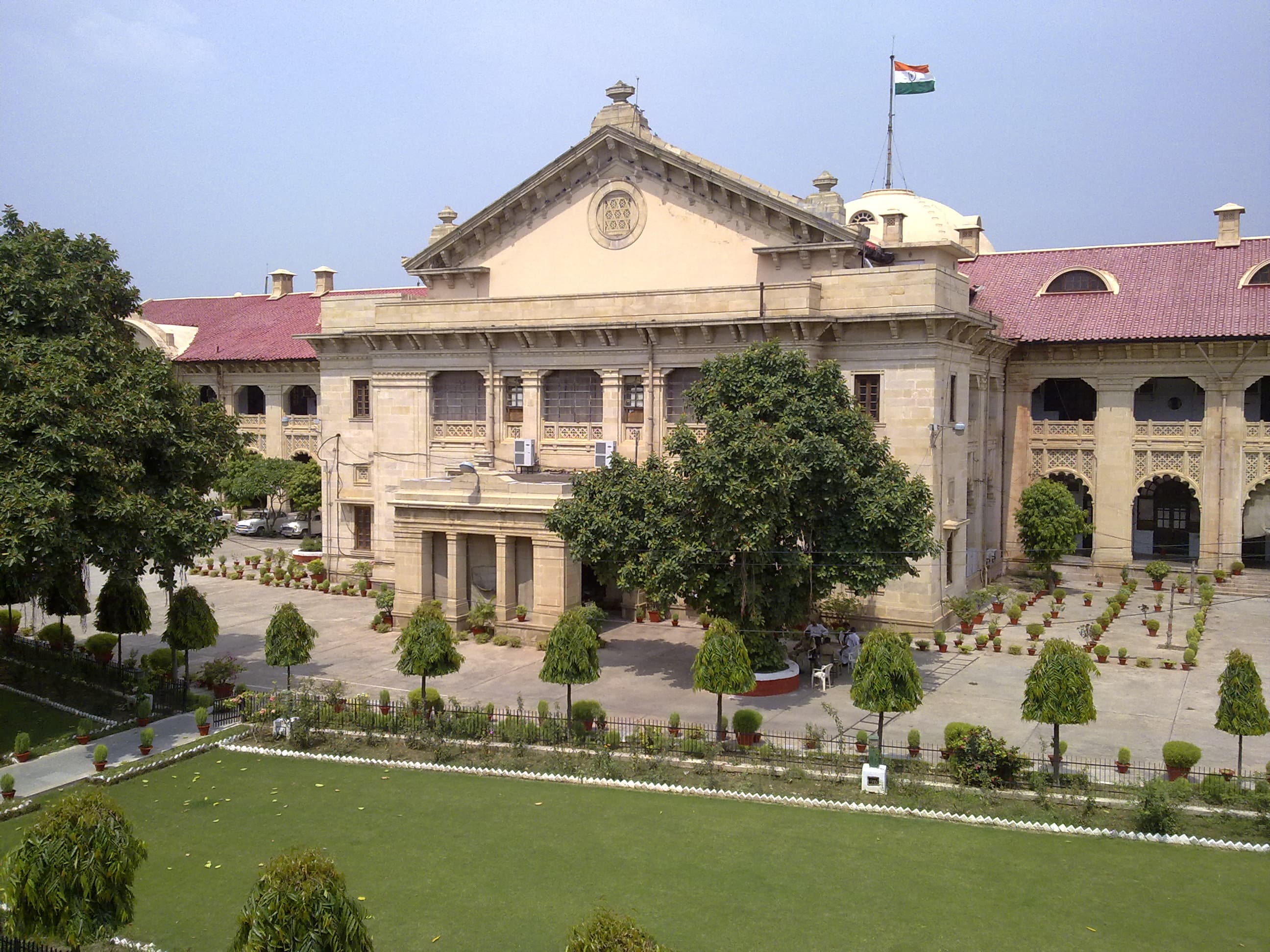
In a striking 2026 judgment, the Allahabad High Court quashed an arrest and awarded ₹10 lakh compensation to a man taken into custody without being given the grounds of arrest in writing. The Lucknow Bench applied the Supreme Court's November 2025 ruling in Mihir Rajesh Shah v. State of Maharashtra, which made written grounds of arrest a mandatory constitutional safeguard under Article 22(1) in every offence, under every statute — including IPC, BNS, NDPS, UAPA and PMLA.
If you or a family member has been arrested by UP police without a written, language-appropriate memo of grounds, the arrest itself may be illegal. This guide explains the new rule, how courts in UP are enforcing it, and the practical steps to secure release and claim damages. For urgent help with an ongoing arrest, speak to our criminal defence team immediately.
Table of Contents
Need Immediate Legal Help?
If you're facing a legal emergency in Lucknow, don't wait. Contact experienced criminal lawyer Advocate Onkar Pandey for immediate assistance.
What the New Rule Says — Written Grounds Are Now Mandatory
The Supreme Court's Constitution Bench, in Mihir Rajesh Shah v. State of Maharashtra (November 6, 2025), held that the police are constitutionally bound to furnish written grounds of arrest in a language the arrestee understands. Earlier, this safeguard was largely limited to special statutes like PMLA and UAPA. The Court has now extended it across the board.
- Article 22(1) guarantees every arrested person the right to be informed of the grounds of arrest "as soon as may be".
- This information must now be in writing — not just spoken.
- It must be in a language the arrestee actually understands (Hindi for most of UP).
- A copy must reach the arrestee before remand — and in any case, no later than two hours before production before the Magistrate.
- In rare urgent cases, oral information is permitted first, but a written copy must follow promptly.
Allahabad High Court has now applied this ruling on the ground in UP, where arbitrary police arrests under cognisable IPC and BNS offences have long been a complaint. For background on related police powers, see our piece on FIR and arrest abuse.
The ₹10 Lakh Allahabad HC Ruling — What Actually Happened
In a writ petition heard at the Allahabad High Court Lucknow Bench in May 2026, the petitioner challenged his arrest by UP police in a property-related criminal case. The arresting officer recorded only a single line in the case diary: "accused arrested on the basis of disclosure". No written memo of grounds was given to the arrestee, no Hindi copy was supplied, and the family was informed only after remand.
The Division Bench held:
- The arrest violated Article 22(1) of the Constitution and Section 47 BNSS.
- The subsequent remand order was vitiated because the Magistrate failed to verify compliance.
- The petitioner was entitled to immediate release notwithstanding the merits of the FIR.
- Monetary compensation of ₹10 lakh was awarded against the State, recoverable from the erring officers.
This ruling is a clear message to UP police stations: failing to deliver a written grounds-of-arrest memo is no longer a procedural lapse — it is an actionable constitutional wrong. If you are seeking bail or release in such a situation, raise this directly in the bail or habeas corpus petition.
What a Valid Grounds-of-Arrest Memo Must Contain
Many UP police stations still use the old printed arrest memo (Form D.K. Basu) that only records personal details and time of arrest. That is not enough after the 2025 Supreme Court ruling. A valid grounds-of-arrest memo must now include the elements listed below.
| Element | What It Must Show | Why It Matters |
|---|---|---|
| Specific facts of the alleged offence | What act, when, where, against whom | Generic phrases like "involved in offence" are invalid |
| Sections and Acts invoked | BNS / IPC / NDPS / SC-ST Act sections by number | Allows accused to seek correct legal remedy |
| Reason police believe accused is involved | Witness statement, CCTV, recovery, etc. | Without this, arrest is fishing expedition |
| Language | Hindi for UP arrestees (unless they choose English) | Failure renders Article 22(1) "illusory" |
| Signature & acknowledgement | Signed by arresting officer + arrestee or witness | Proof of compliance |
| Timing | Delivered before remand, ideally at arrest | Late delivery cannot cure the defect |
If even one element is missing, the arrest is exposed to challenge. A trained criminal lawyer in Lucknow can quickly assess the memo and decide whether to file for release.
Legal Consultation
Talk directly to Advocate Onkar Pandey
Explain your matter over a call or WhatsApp. If you take the case forward, the consultation fee adjusts into your overall fee, so there is no separate charge to begin.
Immediate Steps If You or a Family Member Is Arrested in UP
The first 24 hours are critical. The Magistrate's remand order is far harder to undo than to prevent. Act in this sequence:
- Ask for the written memo of grounds. Politely demand a Hindi copy. Note the time of the request.
- Record names of officers involved in the arrest and the police station diary number (G.D. number).
- Call a criminal lawyer immediately — do not wait until production. A lawyer can attend the remand hearing and raise the grounds-of-arrest issue before the Magistrate signs the remand.
- Preserve any video of the arrest (CCTV, neighbour's phone). Police are now also required to use body cameras in many UP districts.
- If grounds are not given, file an urgent habeas corpus writ before the Allahabad High Court Lucknow Bench — the relief is release, not bail.
For non-cognisable matters or summons cases, remember the parallel rule that arrest itself is often impermissible without a Section 35 BNSS notice. If anticipatory bail is on the table, our guide to anticipatory bail in UP walks through the strategy. To talk through the facts of your case, book a consultation.
How to Claim Compensation for Illegal Arrest in UP
The Allahabad High Court's ₹10 lakh award is part of a steady trend of constitutional courts treating illegal arrest as a compensable wrong. You have three parallel remedies:
- Writ petition under Article 226 before the Allahabad High Court — fastest route, can combine release with damages.
- Civil suit for damages against the State and erring officers — slower, but recoverable damages can be higher.
- Complaint to the State Human Rights Commission — useful for systemic relief and disciplinary action against police.
Quantum of compensation has typically ranged from ₹50,000 to ₹15 lakh depending on duration of illegal detention, custodial conduct, reputational injury, and whether the arrest was malicious or merely procedural. Cases involving women, juveniles, senior citizens or persons released after acquittal generally attract higher awards. Reference: IndianKanoon for the full text of leading writs. For property-related arrests, our work on property crime defence may also help.
Why Lucknow and the Allahabad HC Bench Are Now Central
UP records among the highest arrest volumes of any state, and the Allahabad High Court Lucknow Bench hears habeas corpus petitions from 24 districts of Awadh and Rohilkhand. Two practical observations from our practice:
- Listing speed: Habeas corpus petitions at the Lucknow Bench are typically listed within 24-72 hours of filing — significantly faster than regular bail applications.
- Documentary discipline: The Court now routinely calls for the original case diary at the first hearing to verify whether a written grounds-of-arrest memo was prepared. Any back-dating is heavily punished.
The combination — fast listing, strict documentary scrutiny, fresh Supreme Court precedent — has made Lucknow one of the most effective forums in India to challenge illegal arrests in 2026. For families of accused persons, the takeaway is simple: do not wait for a chargesheet. Move quickly. For an urgent assessment, reach Advocate Onkar Pandey's chamber.
About the Author
Advocate Onkar Pandey (Bar Council No. UP 4825-1999) practises before the Allahabad High Court Lucknow Bench and Lucknow district courts, focusing on criminal defence, bail and anticipatory bail, FIR quashing and property litigation. He has handled habeas corpus and writ petitions challenging illegal police arrests across UP for over two decades. To discuss an ongoing arrest, custody or compensation claim, contact Advocate Onkar Pandey on +91 98392 71553.
Frequently Asked Questions
What exactly is a 'written grounds of arrest' and is it different from an arrest memo?+
Yes, they are different. An arrest memo (the old D.K. Basu form) only records the time, place, witnesses and personal details of the arrest. A grounds-of-arrest memo must additionally explain the specific facts, the sections invoked, and why the police believe you are involved. After the Supreme Court's November 2025 Mihir Shah ruling, both documents must be supplied — in writing, in Hindi (for UP arrestees), and before the Magistrate's remand order. Most UP police stations still hand over only the old arrest memo. If the grounds-of-arrest sheet is missing, the arrest is exposed to constitutional challenge under Article 22(1) and the remand order can be quashed.
Can I get bail immediately if the police did not give me written grounds of arrest?+
Bail and release are technically two different reliefs. If grounds were not supplied, your stronger remedy is a habeas corpus writ before the Allahabad High Court Lucknow Bench — that asks for release because the arrest itself is illegal, not for bail on merits. The Court can order immediate release without going into whether you are guilty. In parallel, the same defect can be raised in a regular or anticipatory bail application before the Sessions Court or High Court. In practice, raising the grounds-of-arrest defect strengthens any bail application materially and often results in release within days rather than weeks.
How much compensation can I expect for an illegal arrest in Uttar Pradesh?+
Awards have ranged from ₹50,000 to over ₹15 lakh in recent years. The Allahabad High Court's May 2026 award of ₹10 lakh is at the upper end and was justified by the complete absence of written grounds, the duration of illegal detention, and the lack of any cognisable basis for the arrest. Quantum typically depends on: how long you were illegally detained, whether you were physically mistreated, your loss of earnings, reputational damage in your community, and whether the police conduct was malicious or merely careless. Awards tend to be higher for women, juveniles, senior citizens and persons later acquitted on merits.
Does this new rule apply to arrests under BNS, NDPS, UAPA, PMLA and SC-ST Act?+
Yes — the Supreme Court has made it explicit that the requirement of written grounds applies to every offence under every statute, not just special laws. Earlier the safeguard was sometimes limited to PMLA and UAPA cases. After Mihir Shah, it covers IPC, BNS, NDPS, UAPA, PMLA, SC-ST (Prevention of Atrocities) Act, Gangsters Act, Goonda Act, the U.P. Excise Act, and every other criminal statute. The same rule also extends to arrests by central agencies — CBI, ED, NCB, NIA — when they take a person into custody in UP. The only exception is the rare "crime in progress" situation where oral information is allowed, followed quickly by a written memo.
What if the police gave me a grounds-of-arrest sheet in English but I only read Hindi?+
That arrest is also vulnerable to challenge. The Supreme Court was explicit that the grounds must be in a language the arrestee actually understands, otherwise "the constitutional safeguard is illusory". For UP arrestees, that almost always means Hindi. Simply printing the standard memo in English and asking the accused to sign does not comply. If you are presented with an English-only memo, you should: (1) write on the memo that you do not understand English, (2) ask for a Hindi copy and note the refusal, (3) tell your lawyer immediately. This single point has resulted in several quashings at the Allahabad High Court Lucknow Bench in 2026.
How quickly can the Allahabad High Court Lucknow Bench hear a habeas corpus petition?+
Habeas corpus petitions are treated as urgent. In our experience at the Lucknow Bench, a properly drafted petition filed in the morning is typically listed the same day or the next working day. The Court will issue notice to the State and direct production of the case diary. If the diary shows no written grounds-of-arrest memo, release orders frequently follow within the first or second hearing. Total time from filing to release in clear-cut cases is often 24-96 hours. By contrast, a regular bail application can take 1-4 weeks. This is why, where the defect is clear, habeas corpus is often the faster route.
Can the police re-arrest me on the same FIR after the High Court orders release?+
In principle, yes — release on the ground of procedural illegality does not extinguish the FIR. However, the police must now restart compliance: issue a Section 35 BNSS notice, conduct fresh investigation, and only arrest if there is genuine necessity (custodial interrogation, risk of flight, evidence tampering). Any second arrest must again be accompanied by a proper written grounds-of-arrest memo in Hindi. If the police instead simply re-arrest on the same facts without curing the original defect, that re-arrest is also illegal and contemptuous of the Court's order. In such cases, contempt proceedings and enhanced compensation are available. The right strategic move after release is usually to file for anticipatory bail or to seek quashing of the FIR.
Related Services
Get Expert Legal Advice in Lucknow
20+ years experience in criminal law at Lucknow High Court. Available 24/7 for emergencies.
Disclaimer: This article is for general information purposes only and does not constitute legal advice. Every case is unique and requires specific legal analysis. For advice specific to your situation, please consult Advocate Onkar Pandey or another qualified attorney in Lucknow.