Can High Court Quash FIR Under Section 528 BNSS?
Quick Answer
Section 528 BNSS FIR quashing in Lucknow is the remedy used when an accused asks the Allahabad High Court to stop an abuse of criminal process. The section carries forward the High Court’s inherent jurisdiction formerly exercised under Section 482 CrPC.
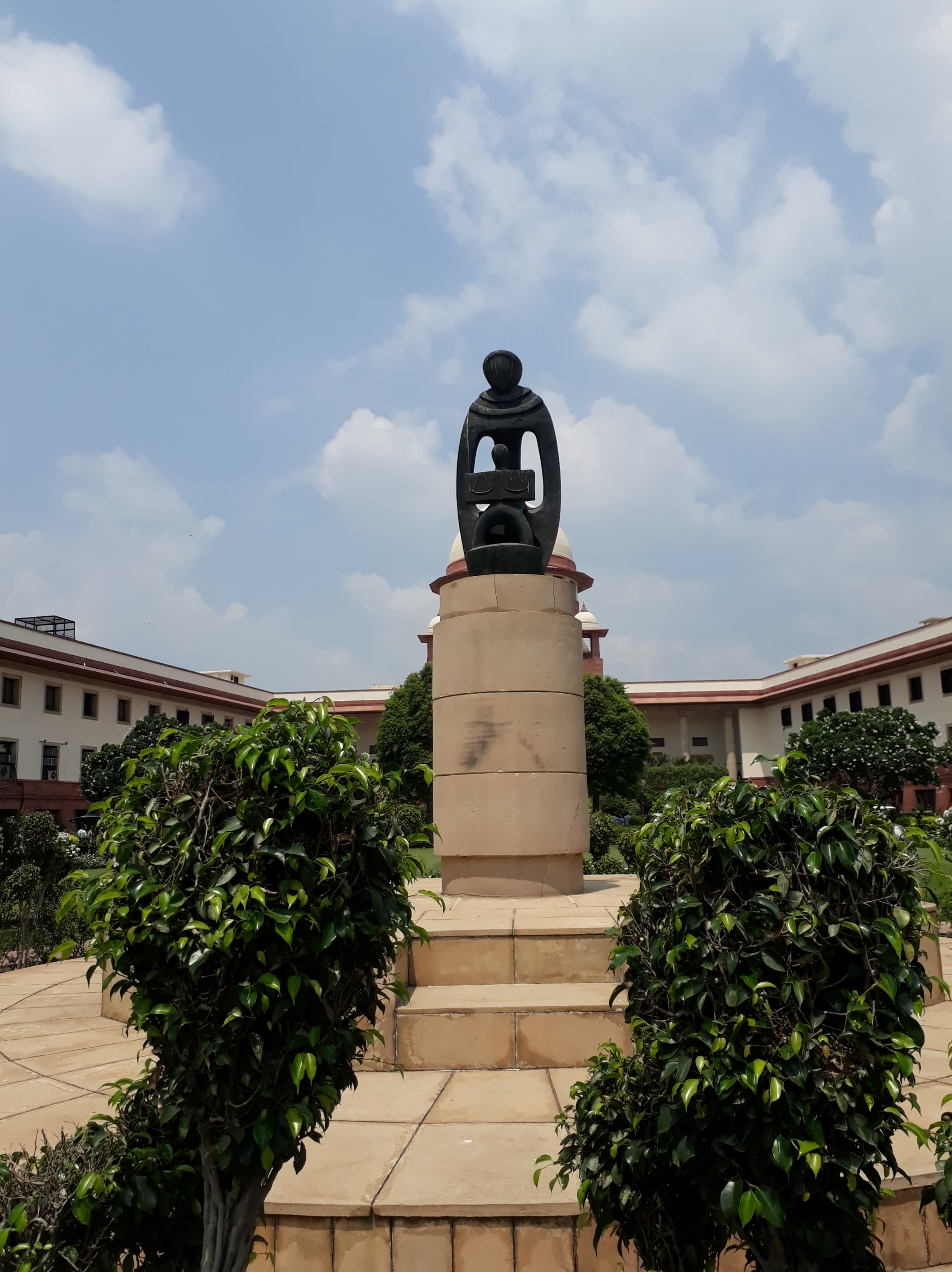
Section 528 BNSS FIR quashing in Lucknow is the remedy used when an accused asks the Allahabad High Court to stop an abuse of criminal process. The section carries forward the High Court’s inherent jurisdiction formerly exercised under Section 482 CrPC. A petition may seek quashing of the FIR, investigation, charge sheet, cognizance order, or the complete criminal proceeding, depending on the stage.
Allahabad High Court activity under Section 528 BNSS includes petitions challenging प्राथमिकी, charge sheets and cognizance orders. A reported 2025 reference concerning whether an FIR and consequential investigation can be quashed under this provision has been placed before a 9-Judge Bench. The reference makes the precise procedural scope unsettled, but it does not remove the need to examine an appropriate quashing petition.
This guide explains the practical route for a litigant in Uttar Pradesh, including filing before the Allahabad High Court Lucknow Bench, documents, grounds, interim protection, costs and likely timelines. For a broader explanation of the current reference, see the 9-Judge Bench BNSS 528 guide.
Table of Contents
Need Immediate Legal Help?
If you're facing a legal emergency in Lucknow, don't wait. Contact experienced criminal lawyer Advocate Onkar Pandey for immediate assistance.
What Section 528 BNSS permits
Section 528 BNSS preserves the inherent powers of the High Court. The provision can be invoked where intervention is necessary to give effect to an order under the BNSS, prevent abuse of the process of a court, or secure the ends of justice.
In an Allahabad High Court petition, the relief must match the stage of the criminal case. A person cannot assume that mentioning only the FIR will be sufficient after investigation has resulted in a charge sheet and cognizance order.
| Stage of case | Relief usually considered |
|---|---|
| FIR registered and investigation continuing | Quashing of FIR and consequential investigation, or limited interim protection |
| Charge sheet filed | Quashing of FIR, charge sheet and consequential proceedings |
| Cognizance taken by Magistrate | Challenge to the FIR, charge sheet and cognizance order together |
| Summons or warrant issued | Quashing relief with a properly framed challenge to the criminal proceeding |
- Article 226 may also be pleaded where constitutional writ jurisdiction is relevant.
- The substantive offences should be stated under the BNS, 2023, or the special statute actually used in the FIR.
- A petition under Section 528 BNSS is different from a regular bail application under Sections 483 or 484 BNSS.
The practical filing approach is also discussed in this Allahabad High Court Section 528 BNSS procedure guide.
What the 9-Judge Bench reference means for litigants
A 2025 report concerning Allahabad High Court activity states that the issue of quashing an FIR and consequential investigation under Section 528 BNSS was referred to a 9-Judge Bench. The exact operative effect must be checked from the full reference order and any later judgment before a lawyer relies on it as a final precedent.
The reference does not mean that every Section 528 BNSS petition is automatically barred. The High Court continues to receive and examine petitions seeking quashing of FIRs, charge sheets, cognizance orders and criminal proceedings. The result in an individual matter depends on the pleadings, the investigation record and the legal defect alleged.
- Check whether the petition challenges only the FIR or also later proceedings.
- Identify whether the issue raised is factual, jurisdictional, procedural or a complete legal bar.
- Verify the latest Allahabad High Court roster, practice directions and orders before filing.
- Do not present the reference as a final declaration that all FIR-quashing powers have ended.
| Question | Practical answer |
|---|---|
| Can a petition be filed under Section 528 BNSS? | Yes, the Allahabad High Court is entertaining such petitions. |
| Is the 9-Judge reference a final judgment? | No. The precise scope remains subject to the reference proceedings and full-text orders. |
| Can a cognizance order be challenged? | Yes, but the petition should include the charge sheet and cognizance order when applicable. |
A related report on a cognizance-stage challenge records the need to plead the later orders properly. A lawyer should verify the full judgment text before citing any case name or citation in a petition.
Grounds on which the High Court may quash an FIR
The High Court does not conduct a full criminal trial while deciding a Section 528 BNSS petition. It examines the FIR, complaint, case diary material placed before it, charge sheet and challenged orders to see whether continuing the prosecution would amount to abuse of process.
The familiar Bhajan Lal-type categories remain a useful working framework, although the petition must be adapted to the BNSS and BNS. The court will not normally weigh disputed evidence as if it were conducting a trial.
- The allegations, even if accepted as written, do not disclose the ingredients of any offence.
- The allegations are inherently improbable or so unreasonable that no prudent person would proceed on them.
- A statutory bar prevents the investigation or prosecution, such as want of required sanction or limitation where legally applicable.
- The FIR is legally defective because the alleged acts fall outside the jurisdiction or essential procedural safeguards were ignored.
- The proceeding appears maliciously instituted for an improper purpose, supported by clear material on the record.
- The charge sheet does not disclose a prima facie case against the particular petitioner.
| Possible defect | Material needed |
|---|---|
| No offence disclosed | FIR, witness allegations and statutory ingredients |
| Legal bar | Relevant statute, sanction record or limitation facts |
| Malicious prosecution | Prior orders, admitted documents and chronology |
| Post-investigation challenge | Charge sheet, cognizance order and summons |
Alleging innocence alone is usually insufficient. The petition should connect each ground to a specific paragraph of the FIR or a specific document, and should avoid asking the High Court to decide contested witness credibility.
Legal Consultation
Talk directly to Advocate Onkar Pandey
Explain your matter over a call or WhatsApp. If you take the case forward, the consultation fee adjusts into your overall fee, so there is no separate charge to begin.
How to file a Section 528 BNSS petition at Lucknow
For an FIR registered in a district falling within the Lucknow Bench jurisdiction, the petition is generally prepared for filing before the Allahabad High Court Lucknow Bench. Territorial jurisdiction depends on the place of registration, investigation, alleged offence and the orders being challenged.
- Obtain the FIR and confirm the police station, crime number, sections and investigating agency.
- Collect the charge sheet, cognizance order, summons, warrants and bail orders if investigation is complete.
- Prepare a chronology and identify the exact relief: FIR only, FIR with investigation, or all consequential proceedings.
- Draft the petition under Section 528 BNSS and, where appropriate, Article 226, with affidavits and annexures.
- File the matter before the appropriate roster at the Lucknow Bench and remove office objections promptly.
- At the first effective hearing, request notice, interim protection or a direction against coercive action if the facts justify it.
- Use the current BNS and BNSS section numbers in the pleadings.
- State whether the petitioner has joined investigation or obtained bail.
- Disclose earlier petitions, revisions, bail applications or proceedings concerning the same FIR.
- Serve or supply papers as directed by the court.
A person who is facing arrest may need separate advice on anticipatory bail under Section 482 BNSS. A quashing petition does not automatically protect an accused from arrest unless the court grants appropriate interim relief.
Documents and drafting points judges ask for
A complete paper book helps the bench understand the criminal case without repeatedly seeking missing orders. When the prosecution has moved beyond the FIR, omitting the charge sheet or cognizance order can weaken the framing of the petition.
| Document | Why it matters |
|---|---|
| Certified or authenticated FIR | Shows the exact allegations, sections and police station. |
| Charge sheet and annexed papers | Shows whether investigation supports the accusation. |
| Cognizance order | Identifies the Magistrate’s order sought to be challenged. |
| Summons, warrant or process order | Shows the current procedural stage and urgency. |
| Relevant admitted documents | May establish a legal bar, prior settlement or absence of ingredients. |
| Earlier court orders | Prevents inconsistent pleadings and discloses prior remedies. |
- Attach a clear index and page numbering.
- Explain delay between the FIR and filing where delay exists.
- Give complete addresses for the State, informant and necessary respondents.
- Use a separate interim relief application when immediate protection is requested.
In matrimonial and family disputes, the factual chronology must be consistent with any proceedings before the Lucknow Family Court, Magistrate or civil court.
Costs and timelines in Uttar Pradesh
Professional fees for a standard FIR-quashing petition in Uttar Pradesh commonly fall between ₹15,000 and ₹75,000 or more. The final amount depends on the district, complexity, seniority of counsel, number of respondents, urgency, interim applications and the need for repeated appearances.
| Item | Practical estimate |
|---|---|
| Standard drafting and filing | ₹15,000–₹40,000 |
| Complex or heavily contested matter | ₹40,000–₹75,000+ |
| Urgent interim protection or several appearances | Additional fee may apply |
| Copies, affidavits and filing expenses | Usually separate and comparatively modest |
The figures are indicative, not a fixed court tariff. The consultation fee adjusts into your case fee if you proceed, so there is no separate charge to begin.
| Stage | Common time estimate |
|---|---|
| Paper preparation and filing | Several days to two weeks after documents are complete |
| First effective hearing | Often two weeks to three months |
| Interim protection | May be considered on the first effective hearing, subject to the bench and facts |
| Final disposal | Often three months to one year or longer |
These are practical estimates rather than guaranteed deadlines. Notice, service, case diary production, roster changes and the pendency of the Lucknow Bench can materially affect the schedule.
Interim protection, bail and settlement
A petitioner should not treat filing under Section 528 BNSS as a substitute for bail. If arrest is reasonably apprehended, the accused should assess anticipatory bail under Section 482 BNSS before the Sessions Court or High Court. After arrest, regular bail may be considered under the applicable BNSS provisions, including Section 483 before the Magistrate and Section 484 before the High Court or Sessions Court.
- Ask for protection from coercive action only where the pleadings disclose a prima facie legal defect.
- State whether the petitioner has cooperated with the investigation.
- Do not suppress warrants, arrest, bail rejection or earlier proceedings.
- Where settlement is relied upon, attach a clear settlement document and explain the nature of the offence.
In private matrimonial disputes, compromise may be relevant, but serious offences and offences affecting public interest require a careful legal assessment. The High Court may ask the parties to appear or verify the settlement through the appropriate court process.
For an FIR based on a family or property conflict, obtain advice on both the criminal proceeding and the connected property dispute. Parallel civil litigation does not automatically make a criminal case liable to be quashed.
Practitioner's Note from the Lucknow Bench
In our practice before the Lucknow Bench, such applications are typically listed within a period that may extend from two weeks to three months, depending on filing defects, roster allocation, urgency and the bench’s workload. Interim protection is not automatic; the first hearing must be supported by the FIR, the challenged orders and a focused legal ground.
We generally file before the Lucknow Bench when the FIR, investigation or challenged order has the required territorial connection. Judges commonly ask for the FIR, charge sheet, cognizance order, summons or warrant, earlier bail orders and any admitted document relied upon for a legal bar or settlement.
For a standard petition, professional fees in Uttar Pradesh are commonly around ₹15,000 to ₹40,000. Complex matters, urgent applications, several respondents or repeated appearances may take the fee to ₹75,000 or more, with copying, affidavit and incidental filing expenses treated separately.
- Confirm territorial jurisdiction before drafting.
- Include every later order that is actually challenged.
- Keep the chronology consistent across bail, civil and family proceedings.
- Check the latest reference order before relying on the 9-Judge Bench issue.
About the Author
Advocate Onkar Pandey is a practicing lawyer at the Allahabad High Court Lucknow Bench with over 25 years of experience in criminal law, bail matters, FIR quashing, and family law. Enrolled with the Bar Council of Uttar Pradesh (No. UP/4825/1999), he provides expert legal guidance to clients across Uttar Pradesh from his chamber at A-406, High Court, Lucknow. For a consultation on FIR quashing under Section 528 BNSS, contact Advocate Onkar Pandey at +91 98392 71553.
Frequently Asked Questions
Can Allahabad High Court quash an FIR under Section 528 BNSS?+
Yes. Allahabad High Court can entertain a petition under Section 528 BNSS seeking quashing of an FIR and consequential proceedings where the pleadings disclose abuse of process, absence of offence, a legal bar or another recognised ground. The court may examine the FIR, charge sheet and later orders according to the stage of the case. A reported 2025 reference regarding FIR and investigation quashing has been placed before a 9-Judge Bench, so the precise procedural scope should be checked from the latest full-text orders before relying on it. Filing a petition does not itself grant immunity from arrest; separate relief under Section 482 BNSS may be required.
What if the Magistrate has already taken cognizance?+
The case may still be challenged under Section 528 BNSS, but the petition should not attack only the FIR if a charge sheet and cognizance order have already been issued. Include the charge sheet, cognizance order, summons and any warrant or process order that is challenged. The petition should explain why the allegations and investigation do not disclose a prima facie offence or why the cognizance order is legally unsustainable. The appropriate relief may cover the FIR, charge sheet, cognizance order and all consequential proceedings.
How long does FIR quashing take at the Lucknow Bench?+
The first effective hearing commonly takes about two weeks to three months, depending on filing defects, roster, service and urgency. Interim protection may be considered on the first effective hearing, but it is not guaranteed. Final disposal often takes three months to one year or longer where the State seeks instructions, the informant contests the matter, or the record is extensive. These are practical estimates, not fixed deadlines. A complete petition with the FIR, charge sheet, cognizance order and proper respondent addresses can reduce avoidable delay.
What does a Section 528 BNSS quashing petition cost in Uttar Pradesh?+
A standard FIR-quashing petition in Uttar Pradesh commonly involves professional fees of about ₹15,000 to ₹75,000 or more. A straightforward matter may be near the lower end, while a complex case with several accused, urgent interim protection, extensive records or repeated appearances may cost more. Certified copies, affidavits, typing, filing and appearance expenses may be separate. The exact fee should be agreed after reviewing the FIR and procedural stage. The consultation fee adjusts into your case fee if you proceed, so there is no separate charge to begin.
Is Section 528 BNSS the same as Section 482 CrPC?+
Section 528 BNSS is the new statutory provision corresponding to the former inherent powers provision under Section 482 CrPC. Current pleadings should ordinarily refer to Section 528 BNSS and use the BNS and BNSS section numbers applicable to the case. Older case-law principles may still assist where compatible, including the recognised categories for preventing abuse of process. A lawyer should verify how a particular older authority applies after the BNSS came into force and should not write Section 482 BNSS for anticipatory bail. Anticipatory bail is under Section 482 BNSS.
Does filing for quashing stop arrest automatically?+
No. A Section 528 BNSS petition does not automatically stay investigation or prevent arrest. If arrest is apprehended, the accused should separately assess anticipatory bail under Section 482 BNSS before the Sessions Court or High Court. If already arrested, regular bail may be sought under the applicable provisions, including Section 483 BNSS before the Magistrate and Section 484 BNSS before the High Court or Sessions Court. The quashing petition should disclose the arrest position, earlier bail applications and any warrants. Interim protection depends on the pleadings and the court’s order.
Related Guides
Related Services
Get Expert Legal Advice in Lucknow
20+ years experience in criminal law at Lucknow High Court. Available 24/7 for emergencies.
Disclaimer: This article is for general information purposes only and does not constitute legal advice. Every case is unique and requires specific legal analysis. For advice specific to your situation, please consult Advocate Onkar Pandey or another qualified attorney in Lucknow.