FIR Quashing Under Section 528 BNSS: Why the Allahabad High Court 9-Judge Bench Referral Changes Everything for UP Accused in 2026
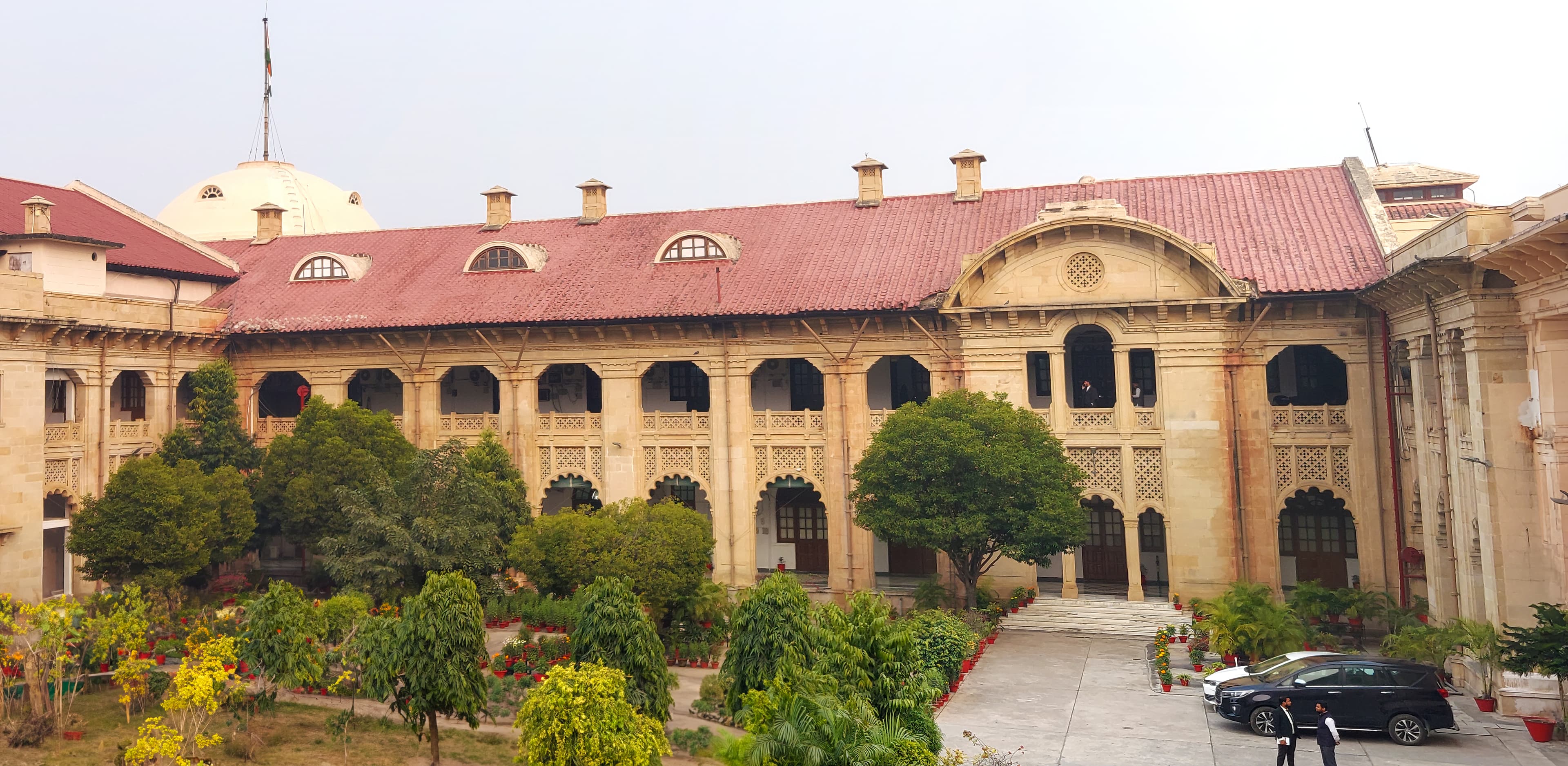
FIR quashing under Section 528 BNSS is currently the most uncertain area of criminal practice before the Allahabad High Court. In a development that has frozen thousands of pending petitions across Uttar Pradesh, Justice Arun Kumar Singh Deshwal of the Lucknow Bench referred the very question of whether the High Court can quash an FIR under Section 528 of the Bharatiya Nagarik Suraksha Sanhita (BNSS) to a nine-judge constitutional bench — only the second nine-judge bench formed by Allahabad HC in 55 years.
If you have a pending FIR quashing petition at the Lucknow Bench, or you are weighing whether to file one in 2026, this referral directly affects your case. The court has not refused to entertain quashing — but the legal route is now in flux between Section 528 BNSS and Article 226 of the Constitution. This guide explains the 9-judge bench referral in plain language, the 1989 Ramlal Yadav precedent that triggered it, the practical impact on accused persons in UP, the documents you still need to file, and how an experienced criminal lawyer in Lucknow protects your liberty while the constitutional question is decided.
Table of Contents
Need Immediate Legal Help?
If you're facing a legal emergency in Lucknow, don't wait. Contact experienced criminal lawyer Advocate Onkar Pandey for immediate assistance.
The 9-Judge Bench Referral: What Actually Happened at Allahabad HC
In early 2026, Justice Arun Kumar Singh Deshwal of the Allahabad High Court — sitting at Lucknow — referred a fundamental question to a constitutional bench: can the High Court quash a First Information Report itself under Section 528 BNSS, or is it limited to quashing only the proceedings that flow from the FIR?
This is not a routine reference. Allahabad HC last constituted a nine-judge bench more than five decades ago. The court took this step because two earlier rulings were pointing in opposite directions and lower benches were issuing inconsistent orders to accused persons across UP.
- Ram Lal Yadav vs State of UP (1989) — a seven-judge bench had held that Section 482 CrPC (now mirrored by Section 528 BNSS) does not permit quashing of the FIR; the correct route was Article 226 of the Constitution
- Post-2024 trend — many single-judge benches were quashing FIRs under Section 528 BNSS directly, ignoring the 1989 line
- The constitutional question — whether the 1989 ratio still binds the court now that the entire criminal procedure code has been replaced by BNSS
Until the nine judges rule, every Lucknow bench dealing with a quashing matter must navigate two possible procedural paths — and the choice of path can decide whether your relief is granted at all.
Section 528 BNSS vs Section 482 CrPC: What Changed in 2024
The Bharatiya Nagarik Suraksha Sanhita came into force on 1 July 2024, replacing the Code of Criminal Procedure, 1973. The inherent powers of the High Court that used to live in Section 482 CrPC now sit in Section 528 BNSS. The text is almost identical — but the legal context is not.
| Feature | Section 482 CrPC (Pre-July 2024) | Section 528 BNSS (From July 2024) |
|---|---|---|
| Statutory source | Code of Criminal Procedure, 1973 | Bharatiya Nagarik Suraksha Sanhita, 2023 |
| Purpose | Preserve inherent powers of HC | Preserve inherent powers of HC |
| Scope of "proceedings" | Quashing proceedings only (per Ramlal Yadav 1989 in UP) | Currently before 9-judge bench |
| Quashing FIR itself | Required Article 226 route in UP | Open question pending bench decision |
| Applies to FIRs after | Pre-1 July 2024 FIRs | FIRs registered on or after 1 July 2024 |
The practical effect is significant. If your FIR was lodged in March 2024, you fall under the old CrPC framework where Allahabad HC routinely insisted on the Article 226 route. If your FIR is from August 2025, you are squarely in BNSS territory — and your quashing petition must address the constitutional question head-on.
The Ramlal Yadav 1989 Doctrine: Why a 36-Year-Old Ruling Still Decides Your Case
To understand why your quashing petition in Lucknow may take a different procedural route than one filed in Mumbai or Delhi, you have to understand Ram Lal Yadav vs State of Uttar Pradesh (1989). A seven-judge bench of the Allahabad HC held that Section 482 CrPC could not be used to quash an FIR itself. The only route to quash an FIR — as distinct from the proceedings — was a writ petition under Article 226 of the Constitution.
This was always a UP-specific position. Other High Courts, including Delhi, Bombay, and Karnataka, freely quashed FIRs under Section 482 CrPC following the Supreme Court's settled framework in State of Haryana vs Bhajan Lal (1992) — which laid down seven categories where an FIR can be struck down.
- When the FIR does not disclose any cognizable offence
- When the allegations are inherently improbable
- When the case is manifestly attended with mala fide intent
- When there is an express legal bar to the proceedings
- When the dispute is purely civil being given a criminal colour
- When the FIR is filed solely to wreak personal vengeance
- When even on a plain reading no offence is made out
The 9-judge bench will now decide whether the 1989 Ramlal Yadav position survives the shift to BNSS, or whether Allahabad HC will finally align with the rest of the country. Until then, prudent counsel files in the alternative — invoking both Section 528 BNSS and Article 226 — so the petition survives whichever way the constitutional question is resolved.
Legal Consultation
Talk directly to Advocate Onkar Pandey
Explain your matter over a call or WhatsApp. If you take the case forward, the consultation fee adjusts into your overall fee, so there is no separate charge to begin.
Practical Impact on Accused Persons in Lucknow Right Now
If you are an accused in an FIR registered after 1 July 2024 in any UP district — Lucknow, Kanpur, Varanasi, Allahabad, Agra, Meerut, Gorakhpur — the 9-judge bench referral has three immediate consequences for you.
- Pending petitions are not being dismissed — they are being heard on merits, but with a procedural caveat. Lucknow Bench judges are increasingly directing counsel to amend petitions to add Article 226 grounds in the alternative.
- Interim relief is still available — stays on arrest, stays on filing of chargesheet, and stays on coercive process are being granted in deserving cases even before the 9-judge bench rules.
- Bail strategy must be parallel — never pin your liberty on a quashing petition alone. File an anticipatory bail application simultaneously so that an investigation officer cannot arrest you while the constitutional question is pending.
The Supreme Court has held repeatedly that delay in High Court proceedings cannot be used to deprive a citizen of liberty. But practical UP courtroom experience says: layered protection beats hopeful waiting. Discuss both quashing and bail in your first consultation with an advocate, not after a summons has already issued.
Step-by-Step: How to File a Quashing Petition at Lucknow Bench in 2026
The procedural mechanics of filing a quashing petition at the Allahabad High Court Lucknow Bench have shifted since the 9-judge referral. Here is the realistic sequence for 2026.
- Collect the certified FIR copy — obtain a certified copy from the police station or court of CJM, Lucknow. Without it, the petition will be returned at the registry.
- Engage a vakalatnama with a Lucknow Bench enrolled advocate — only AOR (Advocate on Record) status at Allahabad HC can file the petition; verify your advocate's enrolment.
- Draft in the alternative — title the petition "Application under Section 528 of BNSS read with Article 226 of the Constitution of India." This wording survives whichever way the 9-judge bench rules.
- Annex the Bhajan Lal grounds — fit your case into one or more of the seven Bhajan Lal categories. A generic "false FIR" plea no longer survives scrutiny.
- File with the Lucknow Bench registry — pay court fees as per the Allahabad HC Rules, schedule of fees for 2026.
- Apply for an interim stay on arrest or chargesheet — this is the operative relief you actually need while the matter is heard.
- Serve notice on the State of UP and the informant — through registered post and the Government Counsel's office.
The Lucknow Bench has been streamlining quashing listings — most petitions are listed for first hearing within 4 to 8 weeks of filing, provided the registry defects are zero.
Grounds Where Allahabad HC Has Quashed FIRs Even During the 9-Judge Reference
Despite the constitutional uncertainty, the Lucknow Bench has continued to quash FIRs in clear-cut cases since the 9-judge reference. The unifying thread in successful petitions is that they fall squarely within Bhajan Lal categories and present zero factual dispute.
- Matrimonial cases that have been compromised — Section 498A IPC / Section 85-86 BNS matters where parties have settled and seek to end criminal proceedings; the Supreme Court's view in Gian Singh vs State of Punjab (2012) continues to apply
- Cheque bounce matters where settlement has been reached — Section 138 NI Act FIRs quashed routinely on compounding
- Pure property civil disputes given criminal colour — cases of trespass or cheating that are actually civil title disputes; refer such matters to civil property remedy first
- FIRs without prima facie offence — where even taking allegations at face value, no offence is made out under BNS
- FIRs filed in violation of statutory bar — second FIR on the same incident, or FIR filed despite a sanction requirement
What the court is being slower with: contested factual matters where it would need to evaluate evidence. Those, the court is now sending to trial — and your remedy there is bail and discharge under Section 250 BNSS, not quashing.
What Happens If the 9-Judge Bench Restores the Ramlal Yadav Position
One scenario that every UP accused must prepare for: the 9-judge bench affirms Ramlal Yadav (1989) and holds that Section 528 BNSS does NOT permit quashing of the FIR itself in UP. What happens to your pending petition?
The answer depends on how the petition was drafted. If your counsel invoked only Section 528 BNSS without alternative Article 226 grounds, the petition may be dismissed as not maintainable — but you will be granted liberty to file a fresh writ. If your petition already invokes Article 226 in the alternative, the matter simply proceeds under the constitutional route without any loss of time or filing fee.
The lesson for clients filing now is clear:
- Do not file a "pure" Section 528 BNSS quashing — always couple with Article 226
- Do not delay filing in the hope that the 9-judge bench rules first — limitation, arrests, and chargesheets do not pause for constitutional questions
- Do not rely on a single-judge order from another bench as binding — until the 9-judge bench rules, conflicting orders are normal
For accused persons facing FIRs in non-compoundable serious offences — murder, rape, dowry death, NDPS — quashing is rarely the right remedy in any event. There, the focus should be on bail and anticipatory bail strategy, supported by detailed defence at the trial stage. Consult a Lucknow criminal lawyer early; a delayed strategy is a weaker strategy.
About the Author
Advocate Onkar Pandey is a practicing lawyer at Lucknow High Court with extensive experience in criminal law, family law, and civil litigation. With a deep understanding of the Indian legal system and years of courtroom experience in Lucknow courts, Advocate Pandey provides practical legal guidance to clients across Uttar Pradesh. For legal consultation regarding FIR quashing under Section 528 BNSS, the 9-judge bench referral, or any other criminal matter before the Allahabad High Court Lucknow Bench, contact Advocate Onkar Pandey for expert advice tailored to your specific situation.
Bar Council No: UP 4825-1999 | Office: Chamber A-406, High Court, Lucknow, Awadh Bar, UP 226001 | Phone: +91 98392 71553
Frequently Asked Questions
Can my FIR be quashed by Allahabad High Court under Section 528 BNSS in 2026?+
Yes, the Allahabad High Court is still entertaining FIR quashing petitions, but the procedural route is currently under reference to a 9-judge bench. The Lucknow Bench will quash an FIR where it falls within the Bhajan Lal categories — no cognizable offence, mala fide motive, settled matrimonial dispute, civil matter given criminal colour, or statutory bar. To survive whichever way the 9-judge bench rules, your petition should be drafted invoking both Section 528 BNSS and Article 226 of the Constitution in the alternative. Filing the petition with only Section 528 BNSS exposes you to a maintainability risk if the 1989 Ramlal Yadav position is reaffirmed.
What is the Ramlal Yadav 1989 case and why does it matter to my FIR quashing case in UP?+
Ram Lal Yadav vs State of UP (1989) was a 7-judge bench ruling of the Allahabad High Court holding that Section 482 CrPC does NOT permit quashing of the FIR itself — only the proceedings that arise from it. The route to actually quash an FIR in UP was Article 226 of the Constitution. This position has always made UP different from Delhi, Mumbai, and other High Courts that freely quash FIRs under Section 482 CrPC. With Section 528 BNSS replacing Section 482 CrPC in July 2024, the question of whether Ramlal Yadav still binds is now before a 9-judge bench. Until it rules, the prudent practice is to file under both provisions to protect your client.
Should I file an FIR quashing petition now or wait for the 9-judge bench decision?+
Do not wait. Limitation does not pause for constitutional questions, and your investigating officer can file a chargesheet, summon you, or seek custody during the wait. Once a chargesheet is filed, quashing becomes harder and the focus often shifts to discharge under Section 250 BNSS. The safer course is to file your quashing petition immediately, drafted in the alternative under Section 528 BNSS and Article 226, with a simultaneous interim relief application for stay on arrest and chargesheet. A parallel anticipatory bail application should also be prepared. The Lucknow Bench is hearing such cases on merits even while the 9-judge bench reference is pending.
What is the court fee and timeline for FIR quashing at Lucknow Bench in 2026?+
Court fees at the Allahabad High Court Lucknow Bench follow the Allahabad High Court Rules and the schedule of fees notified by the registrar. Filing fee for a quashing application typically ranges from a few hundred to a few thousand rupees depending on whether you are filing under Section 528 BNSS alone or in conjunction with Article 226. Stamp paper costs and miscellaneous registry charges add a small amount. On timeline: first hearing usually within 4 to 8 weeks of error-free filing, interim stay if granted comes at the first or second hearing, and a final order on quashing depending on complexity may take 6 to 18 months. Settled matrimonial matters often conclude in 3 to 6 months.
Can I file a quashing petition without a lawyer at Lucknow Bench?+
Practically, no. A quashing petition at the Allahabad High Court Lucknow Bench must be filed through an advocate enrolled with the court, and the drafting requires precise knowledge of Bhajan Lal categories, current case law on Section 528 BNSS, and the procedural implications of the 9-judge reference. Petitions filed in person are routinely returned at the registry for defects. A poorly drafted petition can prejudice your case permanently — for example, missing the alternative Article 226 plea may cost you maintainability if the 1989 Ramlal Yadav position is restored. Engage an experienced Lucknow Bench criminal lawyer before filing, even for a matrimonial settlement quashing where the matter looks straightforward.
What grounds is Allahabad HC currently accepting for quashing FIRs in 2026?+
The Lucknow Bench continues to quash FIRs in cases that fit cleanly within the Supreme Court's Bhajan Lal framework. These include: settled matrimonial cases under Section 498A IPC or Section 85-86 BNS where the parties have compromised; cheque bounce matters under Section 138 NI Act where payment has been made; civil property disputes wrongly given criminal colour; FIRs that disclose no cognizable offence even on a plain reading of allegations; second FIRs on the same incident; and FIRs filed in violation of a statutory bar or required sanction. The court is currently slower to quash factually contested matters — those are being sent to trial with the remedy of bail and discharge under Section 250 BNSS.
How is Section 528 BNSS different from Section 482 CrPC for FIR quashing?+
The wording of Section 528 BNSS is almost identical to the old Section 482 CrPC — both preserve the inherent powers of the High Court to give effect to any order under the criminal procedure law, prevent abuse of process, and secure the ends of justice. The functional difference is purely temporal: Section 482 CrPC governs FIRs registered before 1 July 2024, and Section 528 BNSS governs FIRs from that date forward. The legal question that has arisen — and is now before the 9-judge bench — is whether the shift to BNSS, with its entirely new statutory scheme for criminal procedure, opens up a new interpretive space that allows the Allahabad HC to depart from the 1989 Ramlal Yadav position and quash FIRs directly without invoking Article 226.
Related Services
Get Expert Legal Advice in Lucknow
20+ years experience in criminal law at Lucknow High Court. Available 24/7 for emergencies.
Disclaimer: This article is for general information purposes only and does not constitute legal advice. Every case is unique and requires specific legal analysis. For advice specific to your situation, please consult Advocate Onkar Pandey or another qualified attorney in Lucknow.