498A quashing in UP: grounds, procedure and Allahabad High Court approach
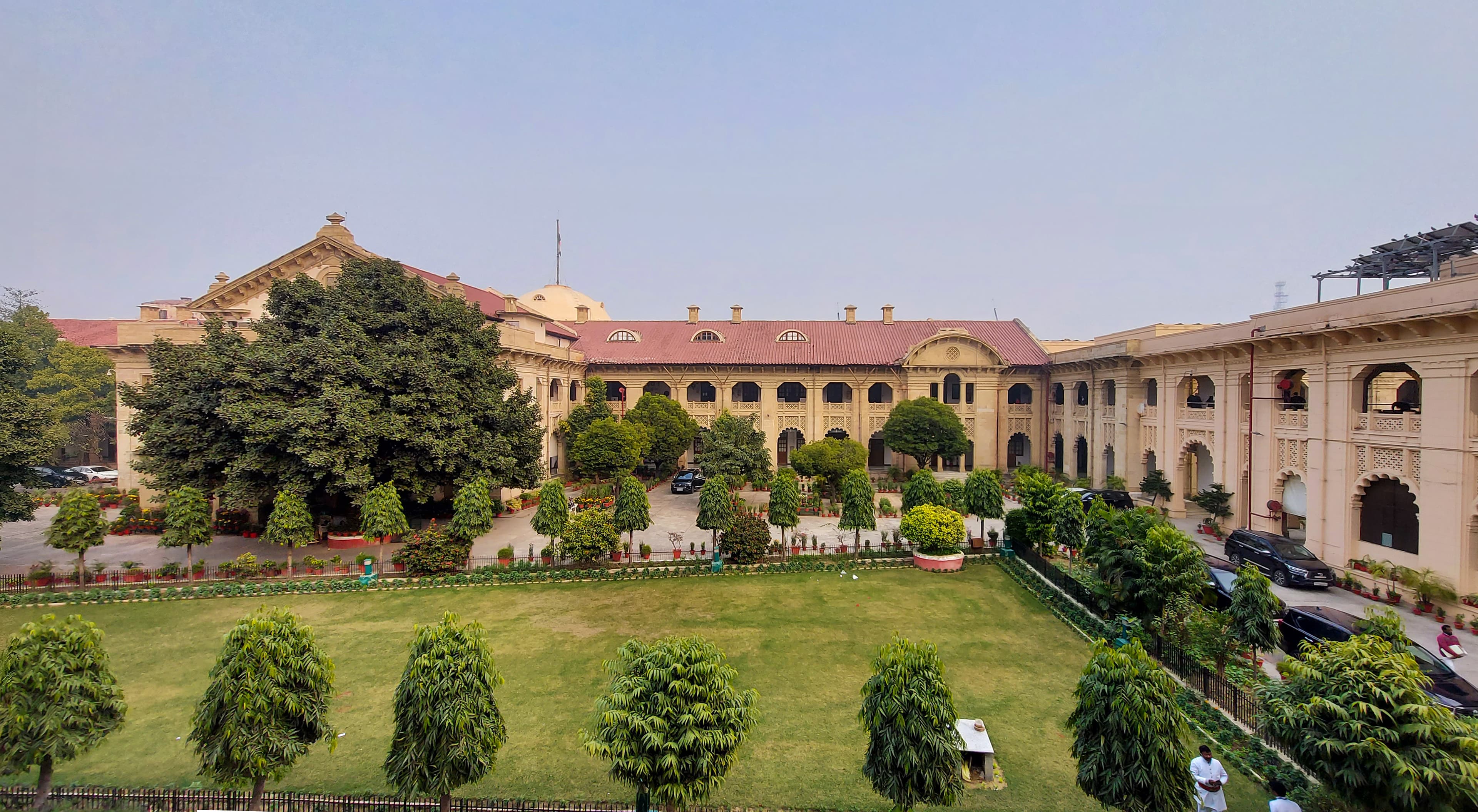
498A quashing in UP is ordinarily sought before the Allahabad High Court under Section 528 BNSS, which preserves the High Court’s inherent power to prevent abuse of process and secure the ends of justice. Older FIRs may refer to Section 498A IPC, while the corresponding current provision is Section 85 BNS. Sections 3 and 4 of the Dowry Prohibition Act may also be included.
The Court does not conduct a full trial during a quashing petition. It examines the FIR, complaint, charge-sheet, settlement papers and surrounding circumstances to decide whether the allegations disclose cruelty or dowry demand, or whether continuing the case would amount to abuse of process.
A compromise can support quashing, but it does not guarantee relief. This guide explains the grounds, documents, filing route, likely timelines and practical costs at the Lucknow Bench. For related procedure, see FIR quashing and the Allahabad High Court process. If arrest is a concern, separate anticipatory bail advice may be required.
Table of Contents
Need Immediate Legal Help?
If you're facing a legal emergency in Lucknow, don't wait. Contact experienced criminal lawyer Advocate Onkar Pandey for immediate assistance.
How is a 498A FIR quashed in UP, and on what grounds?
An accused named in a dowry-cruelty FIR may file a petition before the appropriate bench of the Allahabad High Court under Section 528 BNSS. A Lucknow FIR is ordinarily placed before the Lucknow Bench, subject to territorial jurisdiction and the roster. The petition may challenge the FIR, charge-sheet, summoning order or consequential criminal proceedings, depending on the stage.
The Court asks whether the allegations, taken at face value, disclose the ingredients of Section 85 BNS or the corresponding Section 498A IPC in an older case. It may quash where the dispute is plainly matrimonial or civil, the parties have genuinely settled, the complaint lacks the required ingredients, or a legal defect prevents the offence from being made out.
- Genuine compromise: the spouses and families have voluntarily settled the dispute and the complainant does not wish to continue.
- Absence of essential ingredients: the FIR does not describe cruelty connected with an unlawful demand or contains only general allegations.
- Legal defect: the complaint is not maintainable against a particular accused or the relationship alleged does not satisfy the statutory requirement.
- Abuse of process: the criminal case is being continued despite circumstances showing that prosecution would serve no proper purpose.
In Afaq Ahmad v. State of U.P. and Others, 2024:AHC-LKO:17663, the Allahabad High Court quashed proceedings under Sections 498A, 323, 504 and 506 IPC and Sections 3 and 4 of the Dowry Prohibition Act after considering the material and circumstances.
Which provision and court apply in Lucknow?
The relevant inherent-power provision is Section 528 BNSS. It is used before the High Court for appropriate orders concerning an FIR, investigation, charge-sheet, cognizance order or criminal proceedings. The petition is not filed before the police, the CJM Court Lucknow or the Sessions Court Lucknow as a Section 528 BNSS quashing matter.
Anticipatory bail is a separate remedy under Section 482 BNSS, while regular bail depends on the stage and the applicable provision. A quashing petition should not be treated as automatic protection from arrest. The petitioner must seek appropriate interim relief or file a separate bail application when the facts require it.
| Problem | Usual legal route | Forum |
|---|---|---|
| Challenge to FIR or charge-sheet | Section 528 BNSS | Allahabad High Court or Lucknow Bench |
| Protection before arrest | Section 482 BNSS | Sessions Court or High Court |
| Bail after arrest | Sections 480, 483 or 484 BNSS, as applicable | Magistrate, Sessions Court or High Court |
| Settlement verification | Verification or affidavit process directed by the Court | Court specified in the order |
The current substantive provision is Section 85 BNS. Older matters may continue under Section 498A IPC because the FIR and prosecution were registered under the earlier law. The exact provisions in the FIR and charge-sheet should be checked before drafting the petition. For a filing assessment, a criminal lawyer in Lucknow can examine jurisdiction and the correct relief.
Step-by-step procedure for quashing a 498A FIR
The petition should be prepared around the actual police and court record. The High Court normally does not weigh disputed evidence as if it were conducting a trial, so the pleadings should identify a legal defect, an admitted settlement or circumstances that make continuation of prosecution oppressive.
- Obtain the record: collect the FIR, complaint, charge-sheet, police statements, summoning order, bail orders and connected proceedings.
- Map the allegations: identify the act attributed to every accused, the alleged date or period, the alleged demand and the connection with cruelty.
- Select the grounds: plead compromise, lack of ingredients, legal standing defect, civil or matrimonial character, or abuse of process only where supported by the record.
- Prepare settlement papers: include the written compromise, identity documents and affidavits. The Court may require personal appearance for verification.
- File before the correct bench: a Lucknow Bench petition should show the connection with the Lucknow jurisdiction.
- Attend the first hearing: the Court may issue notice, seek instructions, call for a counter-affidavit or direct verification.
- Address the complete case: if cognizance or summoning has occurred, the prayer should cover consequential proceedings as well as the FIR.
Where maintenance, divorce, return of articles, child custody or domestic violence proceedings form part of a settlement, the petition should accurately state which proceedings are withdrawn, closed or separately resolved. The difference between quashing and acquittal is explained in FIR quashing is not acquittal.
Legal Consultation
Talk directly to Advocate Onkar Pandey
Explain your matter over a call or WhatsApp. If you take the case forward, the consultation fee adjusts into your overall fee, so there is no separate charge to begin.
Grounds examined by the Allahabad High Court
The Allahabad High Court examines the FIR and the material placed before it. It does not ordinarily decide witness credibility in detail. The question is whether the prosecution, even accepting the allegations at face value, can legally continue or whether the circumstances make continuation unjust.
- Voluntary matrimonial settlement: the parties have resolved the dispute and the complainant does not wish to prosecute.
- No specific cruelty: the allegations contain no identifiable act, date, demand or conduct that satisfies the offence.
- Predominantly matrimonial or civil dispute: the criminal proceedings are being used to continue issues already resolved through family or civil arrangements.
- Legal defect in the relationship or complaint: the statutory relationship or standing required for the offence is absent.
- No individual role for relatives: the FIR makes collective allegations without assigning a distinct act to each accused.
In Faisal Hussain and Others v. State of U.P. and Another, 2024 Latest Caselaw 19130 All, the Court quashed proceedings involving Sections 498A, 323, 504 and 506 IPC and Sections 3 and 4 of the Dowry Prohibition Act after considering the compromise and the law relied upon in the order.
In Akhilesh Keshari and 3 Others v. State of U.P. and Another, 2024:AHC:54046, the Court examined whether Section 498A IPC was maintainable at the instance of a second wife who was not legally wedded to the husband. The proceedings were partially quashed where the threshold legal requirement was not met.
A petition is weaker when it simply denies the allegations or asks the High Court to conduct a mini-trial. See the related discussion of 498A arrest procedure in UP.
Documents, fees and realistic timelines
Documents should be arranged chronologically and filed with clear page references. Missing pages, inconsistent names or an incomplete compromise can lead to adjournments, further verification or refusal of immediate relief.
| Document | Purpose |
|---|---|
| FIR and complaint | Shows the exact allegations and sections |
| Charge-sheet and cognizance order | Required where investigation has ended or proceedings have begun |
| Settlement deed and affidavits | Shows terms and voluntary consent |
| Marriage or family records | Helps establish the relationship and connected disputes |
| Prior orders and bail papers | Prevents inconsistent pleadings |
Professional fees vary with the number of accused, the procedural stage, compromise verification, urgency and counsel’s seniority. Court expenses, typing, affidavits, certified copies and travel may be separate.
| Matter | Indicative professional fee | Common working timeline |
|---|---|---|
| Clean compromise petition | ₹20,000–₹75,000 | About 1–4 months if uncontested |
| Routine contested quashing | ₹25,000–₹1,00,000 or more | A few weeks to several months |
| Clear threshold legal defect | ₹30,000–₹1,25,000 | About 1–3 months where the defect is clear |
Listing depends on filing defects, notice, the State’s response, verification requirements and the daily cause list. No lawyer can responsibly promise a disposal date. A clean settlement usually moves differently from a contested petition involving a charge-sheet and several accused.
What happens after filing and common mistakes
At the first listing, the Court may issue notice to the State and complainant, ask for instructions, direct personal appearance or order verification of the compromise. It may grant interim protection in an appropriate case, but the exact wording and duration of the order must be followed.
The State may argue that the allegations disclose a cognisable offence, that the compromise is incomplete, or that disputed facts require trial. The complainant’s statement, the investigation status and serious additional offences can affect the result.
- Signing a compromise does not automatically terminate a non-compoundable 498A case.
- Do not omit the charge-sheet, summoning order or connected family proceedings.
- Do not make unsupported allegations against the complainant in the petition.
- Do not treat quashing as a substitute for anticipatory or regular bail.
- Do not ignore a direction for verification or personal appearance.
Police cannot ordinarily withdraw an FIR merely because the parties have settled. The proper remedy may be a High Court petition, depending on the facts and stage; see whether police can withdraw an FIR without a court order. A separate resource discusses BNSS Section 528 and FIR quashing.
Before filing, confirm whether the FIR is at the investigation, charge-sheet, cognizance or trial stage. Proper कानूनी सहायता can prevent a petition from seeking the wrong relief.
Practitioner's Note from the Lucknow Bench
In our practice before the Lucknow Bench, such applications are typically listed according to the roster, filing defects, notice requirements and the Court’s daily cause list. A clean compromise matter may receive a hearing within a few weeks, while a contested case may require several dates over a few months. Urgent listing is possible only where the papers disclose genuine urgency and the Court permits it.
We usually file in the Lucknow Bench when the FIR, investigation or consequential proceedings have the required territorial connection with the districts assigned to that Bench. Judges commonly ask for the FIR, charge-sheet if filed, cognizance or summoning order, prior bail orders, identity documents, settlement deed, affidavits and proof that the complainant’s consent is voluntary. In compromise matters, the parties may be directed to appear for verification before the designated court.
Routine compromise-backed matters are commonly budgeted at about ₹20,000 to ₹75,000, while contested or multi-accused petitions may be ₹25,000 to ₹1,00,000 or more. Threshold legal-defect matters may commonly fall between ₹30,000 and ₹1,25,000. Typing, affidavits, certified copies and other out-of-pocket expenses should be confirmed separately. The consultation fee adjusts into your case fee if you proceed, so there is no separate charge to begin.
- Bring the original FIR details and every prior court order to the conference.
- Keep settlement terms consistent across affidavits, petitions and connected proceedings.
About the Author
Advocate Onkar Pandey is a practicing lawyer at the Allahabad High Court Lucknow Bench with over 25 years of experience in criminal law, bail matters, FIR quashing, and family law. Enrolled with the Bar Council of Uttar Pradesh (No. UP/4825/1999), he provides expert legal guidance to clients across Uttar Pradesh from his chamber at A-406, High Court, Lucknow. For a consultation on 498A quashing in UP, contact Advocate Onkar Pandey at +91 98392 71553.
Frequently Asked Questions
Can a 498A FIR be quashed after a compromise in UP?+
Yes. The accused may approach the Allahabad High Court or Lucknow Bench under Section 528 BNSS with the settlement deed and affidavits. The Court may verify that the compromise is voluntary, complete and genuine. In Faisal Hussain and Others v. State of U.P. and Another, 2024 Latest Caselaw 19130 All, proceedings involving 498A IPC and the Dowry Prohibition Act were quashed after the compromise was considered. A settlement does not automatically terminate a non-compoundable offence, and relief may be refused if serious allegations or additional offences remain.
What is the present provision for 498A cruelty under BNS?+
For offences registered under the current criminal law, Section 85 BNS addresses cruelty by a husband or relative of the husband. Section 528 BNSS is the High Court provision for inherent-power quashing of FIRs and criminal proceedings. Older FIRs may still cite Section 498A IPC because they were registered under the earlier law. The exact provisions in the FIR, charge-sheet and cognizance order should be checked before drafting.
Can vague allegations against in-laws support quashing?+
Vague or omnibus allegations can support a Section 528 BNSS petition where they do not attribute a specific act of cruelty or dowry demand to each accused. The High Court examines the allegations as a whole and does not ordinarily conduct a trial at the quashing stage. Relief is fact-specific. If the FIR contains clear dates, conduct, demands and supporting material, the Court may leave the parties to trial instead of deciding disputed facts in a quashing petition.
Where should a 498A quashing petition be filed for a Lucknow FIR?+
A petition connected with a Lucknow FIR is ordinarily filed before the Lucknow Bench of the Allahabad High Court, subject to territorial jurisdiction and the applicable roster. It is not filed before the CJM Court Lucknow or Sessions Court Lucknow as a Section 528 BNSS quashing petition. If the accused needs protection from arrest, anticipatory bail under Section 482 BNSS is a separate remedy before the Sessions Court or High Court.
How much does 498A quashing cost in Lucknow?+
Indicative professional fees for a clean compromise petition may be about ₹20,000 to ₹75,000. Routine contested matters may be ₹25,000 to ₹1,00,000 or more, while threshold legal-defect cases may commonly be ₹30,000 to ₹1,25,000. Certified copies, affidavits, typing and other expenses may be additional. The consultation fee adjusts into your case fee if you proceed, so there is no separate charge to begin.
How long does Allahabad High Court take to quash a 498A case?+
There is no guaranteed timeline. A clean and uncontested compromise matter may be heard and concluded in about one to four months, while a clear threshold legal defect may take about one to three months. Contested cases can take several months or longer because of notice, counter-affidavits, verification and the Court’s listing schedule. Interim protection, if granted, is governed by the wording and duration of the particular order.
Related Services
Get Expert Legal Advice in Lucknow
20+ years experience in criminal law at Lucknow High Court. Available 24/7 for emergencies.
Disclaimer: This article is for general information purposes only and does not constitute legal advice. Every case is unique and requires specific legal analysis. For advice specific to your situation, please consult Advocate Onkar Pandey or another qualified attorney in Lucknow.