FIR Quashing Is Not an Acquittal: Why You Can Still Be Re-Summoned Under Section 319 CrPC — Supreme Court 2026
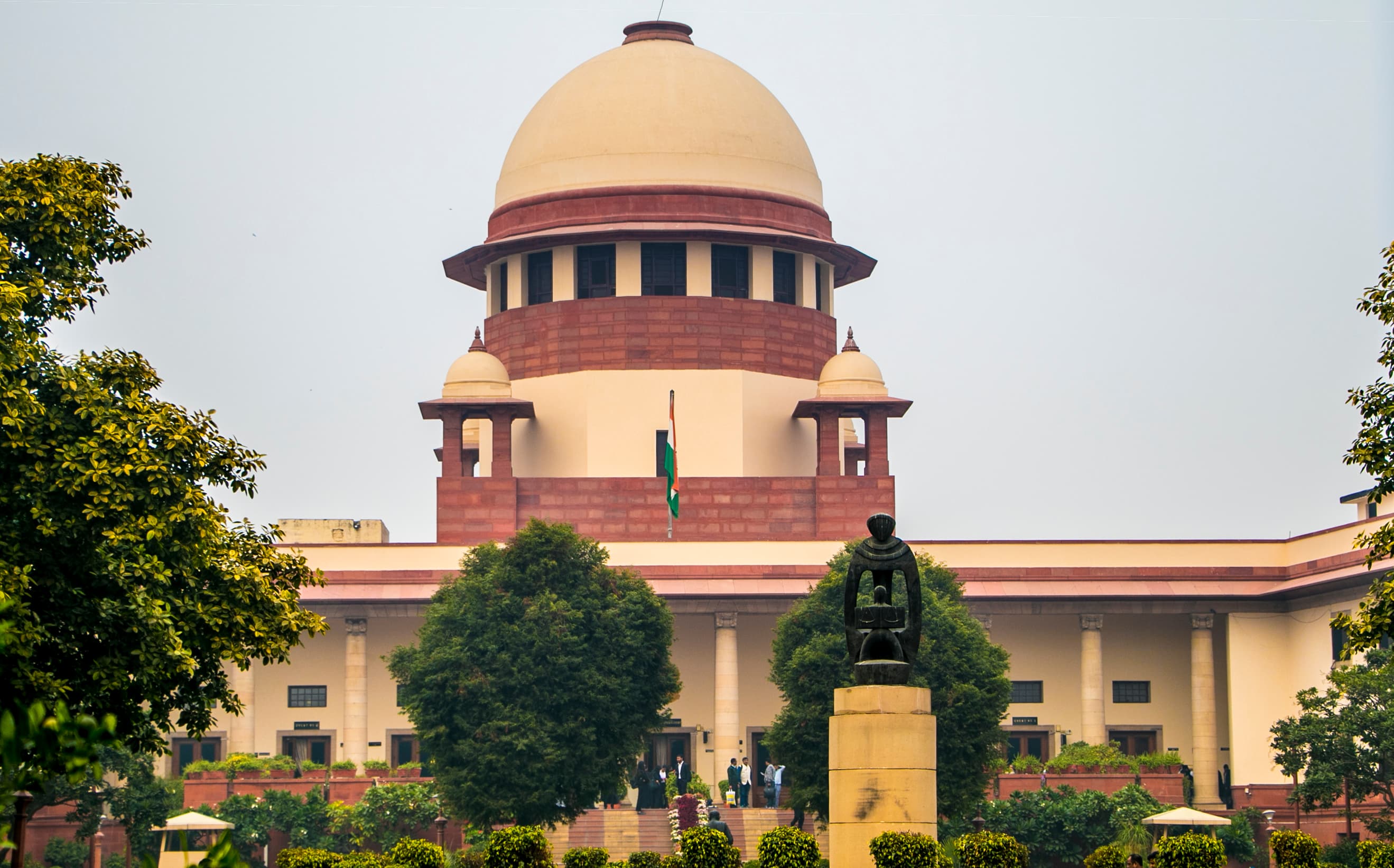
FIR quashing is not an acquittal — a distinction the Supreme Court underlined again in 2026, and one that surprises many people in Uttar Pradesh who win a quashing order and assume the case is over forever. If the Allahabad High Court Lucknow Bench quashes the proceedings against you under Section 482 CrPC (Section 528 BNSS), you are free from that prosecution as it stands today. But you are not declared innocent, and in some situations you can be summoned again later under Section 319 CrPC (Section 358 BNSS) if fresh evidence emerges.
This article explains the Supreme Court's reasoning in X v. State of Madhya Pradesh (2026 INSC 533), why FIR quashing does not trigger the double jeopardy bar, and what this means in practice for relatives wrongly dragged into 498A and dowry cases. It also sets out how a criminal lawyer in Lucknow protects you both at the quashing stage and against any later re-summoning.
Table of Contents
Need Immediate Legal Help?
If you're facing a legal emergency in Lucknow, don't wait. Contact experienced criminal lawyer Advocate Onkar Pandey for immediate assistance.
What the Supreme Court Held in X v. State of Madhya Pradesh (2026)
In X v. State of Madhya Pradesh (2026 INSC 533), a Bench of Justice Sanjay Karol and Justice N. Kotiswar Singh quashed a 498A and Dowry Prohibition Act case against the husband's mother, sister, brother, and sister-in-law because the allegations against them were vague and lacked specific dates, times, or individual acts. But the Court was careful to define exactly what that quashing meant.
- An order under Section 482 CrPC operates on a different plane from an acquittal after a full trial on merits.
- Quashing applies only to the allegations as they presently stand — it does not permanently exonerate the accused.
- If cogent evidence emerges during the husband's trial, the trial court can summon the relatives afresh.
- The protection against double jeopardy does not apply, because there was never a completed trial.
For anyone seeking quashing before the Allahabad High Court, the takeaway is honest rather than alarming: quashing on the ground of vague allegations is a strong, valuable relief, but it is not the same as a clean acquittal that closes the door forever.
Quashing vs Acquittal vs Discharge: Three Very Different Outcomes
People often use "quashing", "discharge", and "acquittal" interchangeably. In law they are distinct, and they carry different degrees of finality. Understanding the difference tells you how protected you really are.
| Outcome | Stage | Legal Provision | Finality |
|---|---|---|---|
| Quashing of FIR / proceedings | Before or during trial | Section 482 CrPC / 528 BNSS | Limited — re-summoning possible on fresh evidence |
| Discharge | Before charges are framed | Section 227 CrPC / 250 BNSS | Limited — can be revisited in some cases |
| Acquittal | After full trial on merits | Section 248 CrPC / 258 BNSS | Strong — protected by double jeopardy |
An acquittal comes after the prosecution has led evidence and failed to prove guilt beyond reasonable doubt. That is why Article 20(2) of the Constitution and Section 300 CrPC protect an acquitted person from being tried again for the same offence. Quashing, by contrast, stops a prosecution at the threshold without any finding on the merits — so the constitutional shield does not attach. A good criminal defence advocate will explain which outcome your case is realistically heading toward.
Why Double Jeopardy Does Not Protect You After Quashing
The principle of double jeopardy — that no one should be prosecuted and punished twice for the same offence — is guaranteed by Article 20(2) of the Constitution and reinforced by Section 300 CrPC (Section 337 BNSS). But this protection has strict pre-conditions.
To claim the double jeopardy bar, you must show:
- A prior prosecution before a competent court;
- That ended in a conviction or acquittal on the merits; and
- A fresh attempt to try you for the same offence on the same facts.
When an FIR or case is quashed under Section 482 CrPC, none of these conditions is met. There was no trial, no evidence recorded, and no judicial verdict of guilt or innocence. The Supreme Court in the 2026 ruling stressed that jeopardy protection requires "a complete trial with evidence and a judicial determination" — which is precisely what is absent at the quashing stage. This is why the Court could keep the door open to later summoning under Section 319 CrPC without offending the Constitution. If you are an accused weighing quashing against fighting the case to acquittal, this trade-off is worth discussing with your lawyer early.
Legal Consultation
Talk directly to Advocate Onkar Pandey
Explain your matter over a call or WhatsApp. If you take the case forward, the consultation fee adjusts into your overall fee, so there is no separate charge to begin.
Section 319 CrPC / Section 358 BNSS: The Power to Summon Again
Section 319 CrPC, now Section 358 BNSS, gives a trial court the power to summon any person — even someone earlier left out or discharged — if evidence during the trial shows that person also appears to have committed the offence. This is the mechanism the Supreme Court preserved in the 2026 case.
The power, however, is not casual. The Constitution Bench in Hardeep Singh v. State of Punjab (2014) laid down that Section 319 is an extraordinary power to be used sparingly, only when the evidence is stronger than a mere prima facie case.
- The test is more than prima facie but short of proof beyond reasonable doubt.
- It must be based on evidence recorded during trial, not on the original FIR allegations that were already quashed.
- The summoned person gets a full opportunity to defend from that stage onward.
So a relative whose 498A case was quashed for vague allegations cannot be casually re-summoned. It can happen only if the wife's testimony or other trial evidence specifically and credibly implicates that relative with concrete acts. If you receive such a summons, prompt advice on anticipatory bail and defence strategy becomes essential.
What This Means for Relatives Falsely Named in 498A Cases
In matrimonial disputes across Uttar Pradesh, it is common for a wife's FIR to name the husband's entire family — parents, siblings, even distant in-laws — often with sweeping, non-specific allegations. Courts have repeatedly cautioned against this over-implication.
The 2026 ruling gives such relatives two practical messages, one reassuring and one cautionary.
- Reassuring: If your name appears with only general allegations and no specific role, the High Court can quash the case against you under Section 482 CrPC, sparing you a needless trial.
- Cautionary: Quashing is not a certificate of innocence. If the wife later gives specific, credible trial evidence of your involvement, you can be summoned under Section 319 CrPC.
The strategic lesson is to fight the original FIR thoroughly — through detailed quashing petitions that demolish the vague allegations on record — rather than relying on a quick technical exit. A well-reasoned quashing order that records the absence of any specific role also makes later re-summoning much harder, because the trial court will need genuinely new and specific evidence. For families facing this, coordinated handling of both the matrimonial and criminal sides through a family and matrimonial law approach works best.
How to Protect Yourself: From Quashing to Final Acquittal
Because quashing leaves a small window open, your defence strategy should look beyond the immediate relief. The goal is to either close the case completely or be fully prepared if re-summoning ever happens.
- File a strong, fact-specific quashing petition: Show the High Court exactly why the allegations against you are vague, omnibus, or improbable.
- Get the absence of specific role recorded: A reasoned order noting you had no defined part makes Section 319 summoning far harder later.
- Preserve your own evidence: Keep documents, messages, and proof of non-involvement in case you must defend afresh.
- Watch the husband's trial: Stay informed about the evidence being led, since that is what could trigger re-summoning.
- Act fast on any summons: If summoned under Section 319, immediately consider anticipatory bail and a revision before the High Court.
| Stage | Forum | Your Remedy |
|---|---|---|
| Vague FIR filed | Allahabad HC Lucknow Bench | Quashing under Section 482 CrPC / 528 BNSS |
| Summoned under Section 319 | Trial Court, then High Court | Anticipatory bail + revision petition |
| Trial proceeds | Sessions / Magistrate, Lucknow | Defend to a full acquittal on merits |
An acquittal after trial gives you the strongest protection of all, because only then does the double jeopardy bar fully attach. Discuss with your criminal lawyer whether your case is better closed by quashing or carried through to acquittal.
About the Author
Advocate Onkar Pandey is a practicing lawyer at the Allahabad High Court Lucknow Bench with over 25 years of experience in criminal defence, FIR quashing, bail, matrimonial disputes, and civil litigation. Enrolled with the Bar Council of Uttar Pradesh (No. UP/4825/1999), he regularly handles 498A quashing petitions and Section 319 re-summoning matters from his chamber at A-406, High Court, Lucknow. For consultation on FIR quashing, the risk of re-summoning, or any criminal case, contact Advocate Onkar Pandey at +91 98392 71553.
Frequently Asked Questions
Is FIR quashing the same as being acquitted in UP?+
No. FIR quashing and acquittal are legally different. When the Allahabad High Court quashes proceedings under Section 482 CrPC (Section 528 BNSS), it stops the prosecution at the threshold without recording any finding on your guilt or innocence. An acquittal, under Section 248 CrPC, comes only after a full trial where the prosecution leads evidence and fails to prove the charge. The Supreme Court in X v. State of Madhya Pradesh (2026) made clear that quashing operates on a different plane from acquittal and applies only to the allegations as they stand. Quashing is a strong and valuable relief, but it is not a declaration that you are innocent, and it does not give you the same lasting protection that an acquittal does.
Can I be summoned again after my 498A case is quashed?+
Yes, in limited situations. The Supreme Court held in 2026 that if cogent, specific evidence emerges during the husband's trial implicating a relative whose case was quashed, the trial court can summon that person again under Section 319 CrPC (Section 358 BNSS). However, this power is extraordinary and used sparingly. As the Constitution Bench in Hardeep Singh v. State of Punjab (2014) explained, the evidence must be stronger than a mere prima facie case — more than enough to frame charges, though short of proof beyond reasonable doubt. A relative quashed for vague allegations cannot be casually re-summoned; it requires genuinely new, specific trial evidence. If you receive such a summons, consult a Lucknow criminal lawyer immediately about anticipatory bail and a revision petition.
Why does double jeopardy not protect me after quashing?+
Double jeopardy, guaranteed by Article 20(2) of the Constitution and Section 300 CrPC, protects you only after a completed prosecution that ended in conviction or acquittal on the merits. Quashing under Section 482 CrPC stops the case before any trial, evidence, or judicial finding takes place, so none of the conditions for double jeopardy are satisfied. The Supreme Court in the 2026 ruling stressed that jeopardy protection requires a complete trial with evidence and a judicial determination of guilt or innocence. Since that is absent at the quashing stage, the bar does not apply, and the law permits later summoning under Section 319 CrPC if fresh evidence appears. This is precisely why fighting a case through to acquittal gives stronger long-term protection than a technical quashing.
What is Section 319 CrPC and how does it lead to re-summoning?+
Section 319 CrPC, now Section 358 BNSS, empowers a trial court to summon any person — even someone not named in the chargesheet or earlier discharged — if evidence during the trial shows that person also appears to have committed the offence. It is the legal route through which a relative whose 498A case was quashed can be brought back into a case. The Supreme Court treats it as an extraordinary power to be exercised sparingly. The test, set in Hardeep Singh v. State of Punjab, is that the evidence must be more than prima facie but short of conclusive proof. The court must rely on evidence recorded during trial, not on the original quashed FIR. Any person summoned gets a full opportunity to defend from that stage.
How can I make sure my quashing order prevents re-summoning?+
The best protection is a strong, fact-specific quashing petition that gets the High Court to record, in a reasoned order, that there were no specific allegations or defined role against you. When the order notes the complete absence of concrete acts, the trial court later needs genuinely new and specific evidence before it can summon you under Section 319 CrPC — a much higher bar. Avoid relying on a bare, technical quashing. Instead, demolish the vague or omnibus allegations on record and preserve your own documents, messages, and proof of non-involvement. Stay informed about the evidence being led in the main trial. If anything suggests re-summoning, act early with anticipatory bail. A well-drafted quashing petition by an experienced Lucknow advocate is your strongest shield.
Should I aim for quashing or fight the case to acquittal?+
It depends on the strength of the allegations and the evidence. If you are named with only vague, omnibus allegations and no specific role — common for relatives in 498A cases — quashing under Section 482 CrPC is usually the fastest relief and spares you a long trial. But remember it leaves a small window for re-summoning under Section 319 CrPC. If serious, specific allegations exist that cannot be quashed at the threshold, defending the case to a full acquittal gives the strongest protection, because only acquittal attracts the double jeopardy bar. Many cases are best handled in stages: attempt quashing first, and if that fails, build a robust trial defence. Discuss your specific facts with a criminal lawyer in Lucknow to choose the right path.
Does quashing under Section 528 BNSS work the same as Section 482 CrPC?+
Yes, in substance. Section 528 of the Bharatiya Nagarik Suraksha Sanhita (BNSS) carries forward the inherent powers of the High Court that were earlier contained in Section 482 of the CrPC. The High Court can use these powers to prevent abuse of process and to secure the ends of justice, including quashing FIRs and criminal proceedings in appropriate cases. The principles developed under Section 482 — that the power is extraordinary, used sparingly, and not a substitute for trial — continue to apply under Section 528 BNSS. Importantly, the same limitation also continues: quashing under Section 528 BNSS is not an acquittal, and re-summoning under Section 358 BNSS (the successor to Section 319 CrPC) remains possible if specific evidence emerges later during trial.
Related Services
Get Expert Legal Advice in Lucknow
20+ years experience in criminal law at Lucknow High Court. Available 24/7 for emergencies.
Disclaimer: This article is for general information purposes only and does not constitute legal advice. Every case is unique and requires specific legal analysis. For advice specific to your situation, please consult Advocate Onkar Pandey or another qualified attorney in Lucknow.