Supreme Court's Decision to Ban Declaration on Bose's Independence Role
Quick Answer
Legal declarations can have profound implications on history and public sentiment. Recently, the Supreme Court of India made headlines when it ruled against a petition seeking a declaration that Subhash Chandra Bose was responsible for securing India's independence.
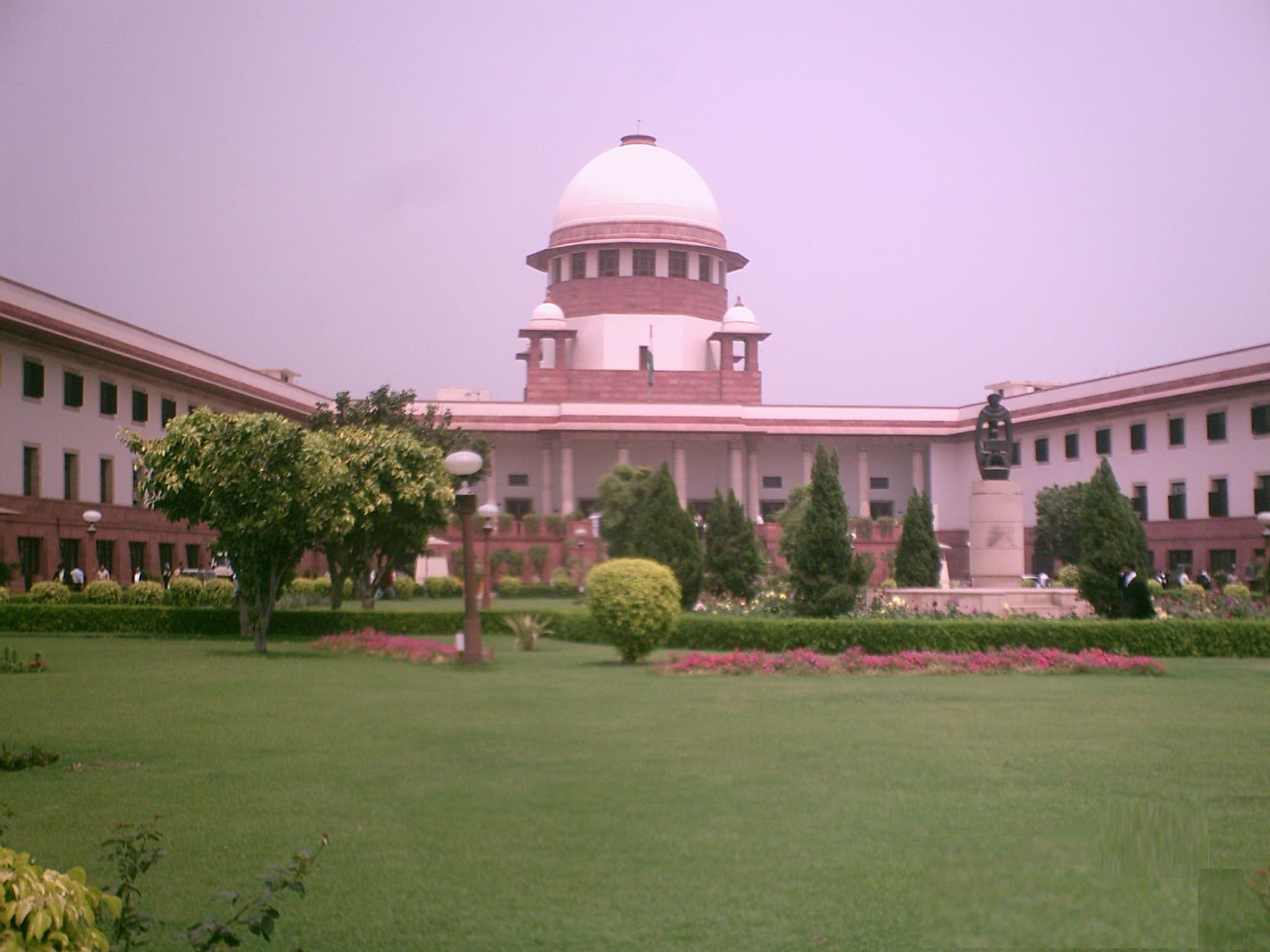
Table of Contents
Need Immediate Legal Help?
If you're facing a legal emergency in Lucknow, don't wait. Contact experienced criminal lawyer Advocate Onkar Pandey for immediate assistance.
Background of the Case
The petition was filed by a man seeking judicial recognition of the role of Subhash Chandra Bose in the Indian independence movement. The Supreme Court, however, found the request to be lacking in merit.
This case raises significant questions about the boundaries of judicial authority in declaring historical facts. The court ruled that such declarations are not within its jurisdiction, emphasizing the separation of powers.
Legal Implications of the Ruling
The Supreme Court's ruling has several legal implications:
- Judicial Authority: It underscores the limitations of the judiciary in making historical declarations.
- Public Sentiment: The ruling may affect how history is taught and understood in India.
- Precedent: The decision could set a precedent for future cases concerning historical claims and declarations.
Such legal boundaries are crucial, as they maintain the integrity of the judiciary and prevent judicial overreach.
The Role of FIR in Historical Context
While the case itself did not involve a FIR, it is important to understand the relationship between historical interpretation and legal documentation.
FIRs serve as foundational legal records in criminal cases, and their integrity is paramount. The court's decision reflects a caution against conflating historical narratives with legal standing.
| Aspect | FIR | Legal Declarations |
|---|---|---|
| Purpose | Record of an offense | Assertion of historical fact |
| Legal Standing | Directly actionable | No legal recourse |
Legal Consultation
Talk directly to Advocate Onkar Pandey
Explain your matter over a call or WhatsApp. If you take the case forward, the consultation fee adjusts into your overall fee, so there is no separate charge to begin.
Public Reactions and Historical Perspectives
The ruling has sparked varied reactions from the public and historians alike. Some view it as a necessary step to prevent the distortion of history, while others believe it undermines the contributions of figures like Bose.
This divergence of opinion highlights the complex relationship between law and history. Legal professionals in Lucknow must navigate these waters carefully, ensuring that their advocacy remains rooted in established legal principles.
- Importance of Historical Context
- Need for Judicial Restraint
- Impact on Future Legal Claims
Conclusion: The Balance of Law and History
The Supreme Court's decision serves as a reminder of the boundaries of judicial authority. It emphasizes the necessity for legal frameworks to be respected in the face of popular sentiment.
As we reflect on the contributions of leaders like Subhash Chandra Bose, it is crucial to differentiate between legal recognition and historical significance. This case is a pivotal moment for both legal and historical discourse in India.
About the Author
Advocate Onkar Pandey is a seasoned legal practitioner specializing in criminal law and family disputes in Lucknow. With extensive experience in navigating the complexities of the Allahabad High Court, he provides insightful legal advice and representation for various cases. Advocate Pandey is committed to upholding justice and ensuring that his clients' rights are protected.
Frequently Asked Questions
What is the significance of the Supreme Court's ruling?+
The ruling emphasizes the limitations of judicial authority in making historical declarations and highlights the separation of powers. This decision could set a precedent for future cases.
How does this ruling affect public perception?+
Public sentiment is divided, with some viewing it as a necessary measure to prevent distortion of history, while others believe it undermines important historical figures.
Is there a legal process to challenge this ruling?+
Yes, parties can appeal to higher courts. However, the Supreme Court's decisions are often final unless there are significant grounds for reconsideration.
What role does an FIR play in legal proceedings?+
An FIR documents the commission of a crime and is the first step in criminal proceedings, which can lead to investigations and eventual prosecution.
What are the potential future implications of this ruling?+
This decision may influence how history is interpreted legally, and it could deter similar petitions regarding historical claims in the future.
Related Guides
Related Services
Get Expert Legal Advice in Lucknow
20+ years experience in criminal law at Lucknow High Court. Available 24/7 for emergencies.
Disclaimer: This article is for general information purposes only and does not constitute legal advice. Every case is unique and requires specific legal analysis. For advice specific to your situation, please consult Advocate Onkar Pandey or another qualified attorney in Lucknow.