Arrest rights during a court-ordered protest in India: what you must know
Quick Answer
Arrest rights during a court-ordered protest in India are not automatic; they depend on the nature of the court order and the alleged offence. If you participate in a protest that a court has ordered to stop, you face immediate arrest risk under sections like 35 BNSS (police power to arrest witho…
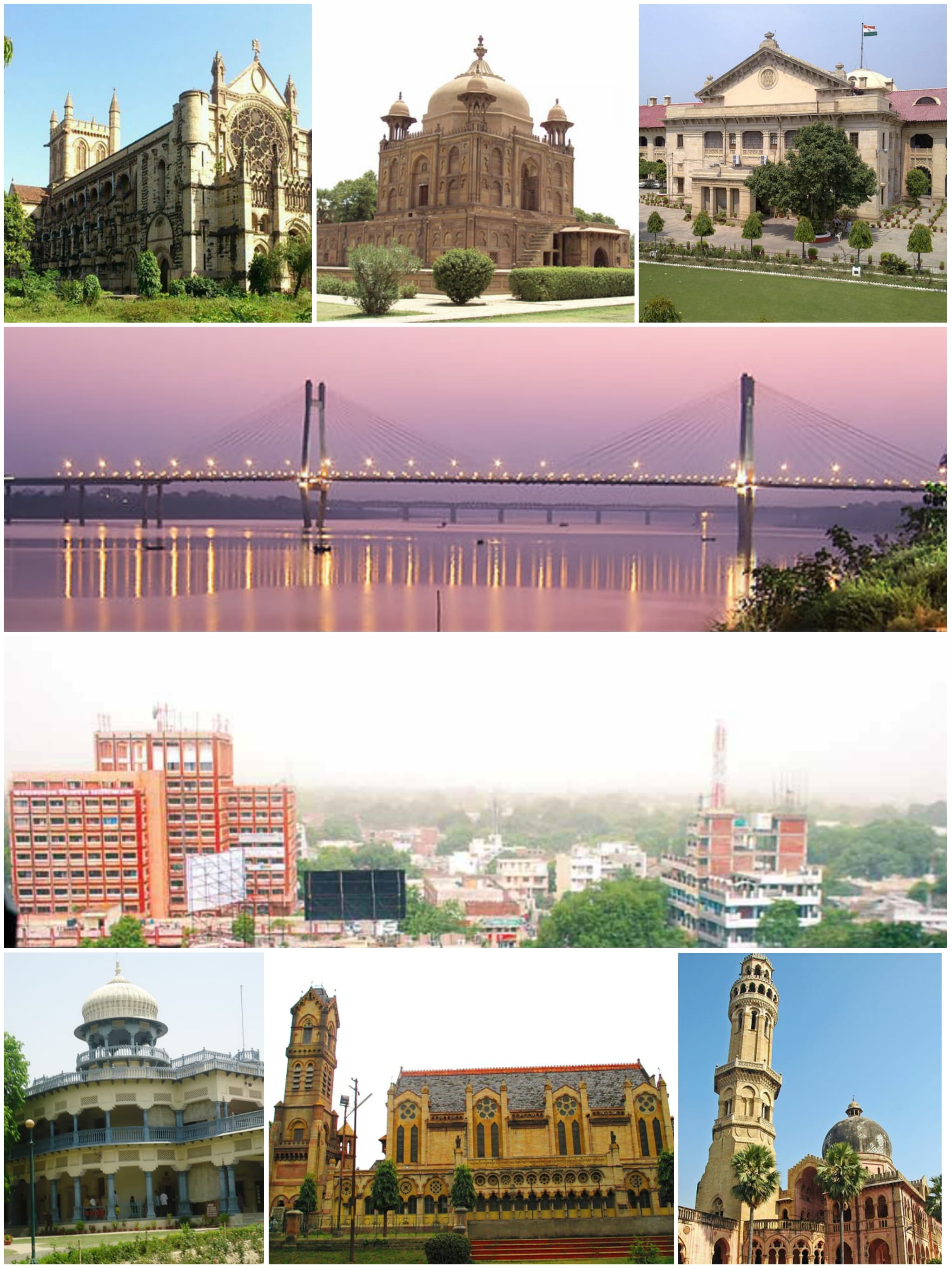
Arrest rights during a court-ordered protest in India are not automatic; they depend on the nature of the court order and the alleged offence. If you participate in a protest that a court has ordered to stop, you face immediate arrest risk under sections like 35 BNSS (police power to arrest without warrant) and 187 BNSS (remand). However, the Allahabad High Court Lucknow Bench has repeatedly protected participants through interim stay orders and anticipatory bail. This article explains your legal rights, the applicable BNSS provisions, and practical steps to avoid or challenge arrest, drawing on recent rulings from the Lucknow Bench. For urgent criminal defense, contact our chamber.
Table of Contents
Need Immediate Legal Help?
If you're facing a legal emergency in Lucknow, don't wait. Contact experienced criminal lawyer Advocate Onkar Pandey for immediate assistance.
What is a court-ordered protest?
A court-ordered protest typically arises when a civil court or High Court issues an injunction restraining a protest, or when a magistrate imposes conditions under Section 144 BNSS (formerly CrPC 144) that prohibit assembly. Violating such an order can attract charges under BNS sections 223 (disobedience to order duly promulgated by public servant) or 191 (unlawful assembly).
The key distinction is whether the protest is peaceful but prohibited, or violent. Courts treat either differently. In Mohammad Talha v. State of U.P. (2023 SCC OnLine All 122), the Allahabad High Court held that the right to peaceful protest is protected but must be exercised within legal limits; democratic rights do not immunize unlawful violence or damage to property.
- Injunction order: civil court restraint – violation leads to contempt or criminal charges.
- Section 144 BNSS order: executive magistrate prohibits assembly – violation is a criminal offence.
- Court-ordered stay of protest: High Court or Supreme Court order – violation may invite contempt of court.
Legal framework: your rights under BNSS and Constitution
Your arrest rights during a court-ordered protest are governed by the Bharatiya Nagarik Suraksha Sanhita (BNSS), 2023, and Article 21 of the Constitution (right to life and personal liberty). The Supreme Court's D.K. Basu guidelines (1997) require police to inform grounds of arrest, allow a lawyer, and produce the arrested person before a magistrate within 24 hours. These safeguards apply regardless of the protest context.
| BNSS Section | Old CrPC Section | Purpose |
|---|---|---|
| Section 35 | Section 41 CrPC | Police power to arrest without warrant – must have reasonable suspicion |
| Section 46 | Section 50 CrPC | Person arrested to be informed of grounds of arrest |
| Section 480 | Section 436 CrPC | Bail in bailable offences – right to bail |
| Section 482 | Section 438 CrPC | Anticipatory bail – pre-arrest protection from Sessions Court or High Court |
| Section 484 | Section 439 CrPC | High Court / Sessions Court bail after rejection |
| Section 528 | Section 482 CrPC | Inherent powers of High Court – quashing of FIR |
If the protest-related FIR includes non-bailable offences (e.g., rioting, unlawful assembly), you must apply for anticipatory bail under Section 482 BNSS before arrest. If already arrested, apply for regular bail under Section 483 (Magistrate) or Section 484 (Sessions/HC).
Key Allahabad High Court rulings protecting protest participants
Three recent Allahabad High Court rulings provide direct guidance for protest participants facing arrest in Uttar Pradesh.
Ahmed Ali and Ors. v. State of U.P. (2020)
In Ahmed Ali and Ors. v. State of Uttar Pradesh and 2 Others (Crl. Misc. W.P. No. 12148 of 2020), the Court refused to quash the FIR but stayed the arrest of the petitioners until submission of police report under Section 173(2) BNSS (old CrPC 173), provided they cooperated with investigation. This is a powerful tool: if you file a writ petition under Article 226 read with Section 528 BNSS, the Lucknow Bench may grant interim protection against arrest during investigation.
Annu Tandon and Three Others v. State Through Railway Protection Force (2020)
In Annu Tandon and Three Others v. State Through Railway Protection Force (2020 SCC OnLine All 244), the High Court recognized the right to privacy and held that the State cannot publicly display personal details or faces of persons in a manner that intrudes on privacy and dignity while pursuing law-and-order objectives. This is directly relevant when authorities paste posters or circulate photos of protest participants – you can seek a writ to restrain such actions.
Mohammad Talha v. State of U.P. (2023)
In Mohammad Talha v. State of U.P. (2023 SCC OnLine All 122), the Court refused to quash proceedings arising from wide-ranging public-order and protest-related offences, but reiterated that the right to peaceful protest is protected within legal limits. This means if your protest was non-violent and you did not damage property, you have stronger grounds for anticipatory bail or FIR quashing.
- File a writ petition under Article 226 read with Section 528 BNSS for stay of arrest.
- Alternatively, apply for anticipatory bail under Section 482 BNSS before the Sessions Court or High Court.
- If arrested, demand immediate production before a magistrate and apply for regular bail under Section 483 or 484 BNSS.
Legal Consultation
Talk directly to Advocate Onkar Pandey
Explain your matter over a call or WhatsApp. If you take the case forward, the consultation fee adjusts into your overall fee, so there is no separate charge to begin.
Practical steps to avoid or challenge arrest
If you are participating in a protest that a court has ordered to stop, take these steps immediately:
- Do not resist arrest – resistance can lead to additional charges like assault on public servant (BNS Section 132).
- Memorise or note the names and badge numbers of arresting officers – useful for later complaints.
- Demand to see the court order that allegedly prohibits the protest. Police must show the order if they are enforcing it.
- Contact a lawyer immediately – ideally before arrest. File an anticipatory bail application under Section 482 BNSS at the Allahabad High Court Lucknow Bench or Sessions Court Lucknow.
- If arrested, insist on your D.K. Basu rights: inform a family member, access a lawyer, be produced before magistrate within 24 hours.
| Action | Timeline | Court / Authority |
|---|---|---|
| File anticipatory bail (Section 482 BNSS) | 1-7 days for urgent hearing | Sessions Court Lucknow or Allahabad HC Lucknow Bench |
| File writ petition for stay of arrest (Article 226) | 1-7 days for interim order | Allahabad HC Lucknow Bench |
| Apply for regular bail after arrest (Section 483/484 BNSS) | 7-14 days for hearing | Magistrate (CJM Lucknow) or Sessions Court |
| File FIR quashing (Section 528 BNSS) | 4-12 weeks for final disposal | Allahabad HC Lucknow Bench |
Filing a writ petition under Article 226 read with Section 528 BNSS is often the fastest route for interim protection. In our practice, we have seen the Lucknow Bench grant stay of arrest within 48 hours in genuine protest cases where the petitioner undertakes to cooperate with investigation. Read our detailed guide on legal rights during protest arrest and FIR in Lucknow.
Limits of protest rights: what courts will not protect
Courts do not protect violent protests or those causing public nuisance. In Mohammad Talha, the High Court refused to quash proceedings where the protest involved damage to property and obstruction of public ways. Similarly, if you incite violence or use weapons, anticipatory bail is unlikely to be granted.
- Violence or property damage – attracts BNS sections 324 (voluntarily causing hurt by dangerous weapons), 325 (grievous hurt), 326 (hurt by poison), 351 (rioting), 352 (rioting armed with deadly weapon).
- Defying a specific court injunction – may lead to contempt of court proceedings, which are non-bailable and punishable by imprisonment up to six months under the Contempt of Courts Act, 1971.
- Repeated violations – courts may deny bail or impose strict conditions.
If your protest is peaceful but prohibited, your best defence is to argue that the order itself was unconstitutional or that your arrest violates Article 19(1)(a) (right to assemble peacefully) and Article 21. The Supreme Court has held that the right to peaceful protest is a fundamental right, but it is subject to reasonable restrictions under Article 19(3). For more on the legal framework, see our article on arrest rights for protesters in Lucknow.
Practitioner's Note from the Lucknow Bench
In our practice before the Lucknow Bench, such applications are typically listed within 1-7 days for urgent interim relief. We advise clients to file a writ petition under Article 226 read with Section 528 BNSS (inherent powers) along with a stay application, rather than a standalone anticipatory bail, because the writ route allows the court to pass a broader order staying arrest during investigation. The petition must clearly state the nature of the protest, the court order allegedly violated, and the absence of any criminal antecedents. Judges at the Lucknow Bench often ask for an undertaking that the petitioner will cooperate with investigation and not repeat the alleged violation. Fee for such a matter ranges from ₹50,000 to ₹2,00,000 depending on urgency and seniority of counsel. If the matter is taken to the Sessions Court first, lower-end fees of ₹15,000–₹75,000 are possible, but the timeline may be longer. Always carry a copy of the court order prohibiting the protest and any FIR or arrest memo. For guidance on FIR quashing, consult our chamber.
- Key documents to carry: court order, FIR copy, any arrest memo, identity proof.
- Best filing strategy: writ petition under Article 226 + Section 528 BNSS for stay of arrest.
- Typical hearing timeline: 1-3 days for urgent listing at Lucknow Bench.
FAQs about arrest rights during a court-ordered protest
Below are common questions our clients ask about arrest rights during court-ordered protests. Each answer includes relevant BNSS sections and practical timelines.
- Can I be arrested for participating in a protest that a court has ordered to stop?
- What should I do if police try to arrest me during a protest?
- What is the difference between anticipatory bail and a stay of arrest?
- Can the police display my photo or personal details as a protest participant?
- What if the protest was peaceful but the court order was wrong?
- How long does it take to get bail in a protest-related case in Lucknow?
- What charges can be filed for violating a court-ordered protest?
About the Author
Advocate Onkar Pandey is a practicing lawyer at the Allahabad High Court Lucknow Bench with over 25 years of experience in criminal law, bail matters, FIR quashing, and family law. Enrolled with the Bar Council of Uttar Pradesh (No. UP/4825/1999), he provides expert legal guidance to clients across Uttar Pradesh from his chamber at A-406, High Court, Lucknow. For a consultation on arrest rights during protests, contact Advocate Onkar Pandey at +91 98392 71553.
Frequently Asked Questions
Can I be arrested for participating in a protest that a court has ordered to stop?+
Yes, you can be arrested if you violate a court order prohibiting the protest. The police may arrest you without warrant under Section 35 BNSS if they have reasonable suspicion that you committed a cognizable offence, such as disobeying a public servant's order (BNS Section 223) or unlawful assembly (BNS Section 191). However, you have the right to apply for anticipatory bail under Section 482 BNSS before arrest, or for regular bail under Section 483/484 BNSS after arrest. The Allahabad High Court in Ahmed Ali (2020) granted stay of arrest even in protest FIRs, provided the accused cooperates with investigation.
What should I do if police try to arrest me during a protest?+
Do not resist arrest. Politely ask the arresting officer to show the court order prohibiting the protest. Note their name and badge number. Immediately inform a family member and contact a criminal lawyer. If you are arrested, demand to be produced before a magistrate within 24 hours and insist on your right to legal counsel. File an anticipatory bail application under Section 482 BNSS at the Sessions Court or Allahabad High Court Lucknow Bench as soon as possible. The Lucknow Bench often hears urgent stay applications within 1-7 days.
What is the difference between anticipatory bail and a stay of arrest?+
Anticipatory bail under Section 482 BNSS is a pre-arrest bail order that protects you from arrest for a specific FIR. A stay of arrest is an interim order passed by the High Court under Article 226 read with Section 528 BNSS (inherent powers) that restrains the police from arresting you until further orders. A stay of arrest can be broader and may cover multiple FIRs or investigations. In protest cases, we often file a writ petition for stay of arrest because it allows the court to examine the legality of the court order itself. Both require an undertaking to cooperate with investigation.
Can the police display my photo or personal details as a protest participant?+
No, the Allahabad High Court in Annu Tandon (2020) held that the State cannot publicly display personal details or faces of persons in a manner that intrudes on privacy and dignity. If the police paste posters or circulate your photo, you can file a writ petition under Article 226 seeking a restraint order and damages. This is particularly relevant when authorities target protest participants with 'wanted' notices or social media posts. The right to privacy under Article 21 protects you from such actions.
What if the protest was peaceful but the court order was wrong?+
You can challenge the court order itself through a writ petition under Article 226 before the High Court. If the order was passed without jurisdiction or in violation of natural justice, the High Court may quash it. Simultaneously, you can seek stay of arrest or anticipatory bail. In Mohammad Talha (2023), the High Court reiterated that the right to peaceful protest is protected, but you must show that the protest was non-violent and within legal limits. The Lucknow Bench has granted relief in many such cases where the order was disproportionate.
How long does it take to get bail in a protest-related case in Lucknow?+
For anticipatory bail under Section 482 BNSS at the Sessions Court Lucknow, an urgent hearing is possible within 2-7 days. At the Allahabad High Court Lucknow Bench, a writ petition for stay of arrest can be listed within 1-3 days if urgency is shown. Regular bail after arrest under Section 483/484 BNSS typically takes 7-14 days for a hearing. Final disposal of a writ petition for FIR quashing may take 4-12 weeks. The timeline depends on the judge's roster, opposition by the state, and the complexity of the case. Legal fees range from ₹15,000 for simple bail to ₹2,00,000 for complex writs.
What charges can be filed for violating a court-ordered protest?+
Common charges include: BNS Section 223 (disobedience to order duly promulgated by public servant), Section 191 (unlawful assembly), Section 351 (rioting), Section 352 (rioting armed with deadly weapon), and Section 324 (voluntarily causing hurt by dangerous weapons). If the protest involved damage to property, BNS Section 326 (mischief causing damage) may apply. For violating a specific court injunction, contempt of court proceedings under the Contempt of Courts Act, 1971 can be initiated, which is non-bailable. You need a strong defence under Section 482 BNSS (anticipatory bail) or Section 528 BNSS (inherent powers) to avoid arrest.
Related Guides
Related Services
Get Expert Legal Advice in Lucknow
20+ years experience in criminal law at Lucknow High Court. Available 24/7 for emergencies.
Disclaimer: This article is for general information purposes only and does not constitute legal advice. Every case is unique and requires specific legal analysis. For advice specific to your situation, please consult Advocate Onkar Pandey or another qualified attorney in Lucknow.