Your Legal Rights During a Protest in India: Arrest, Bail, and FIR
Quick Answer
What are my legal rights if I participate in a protest in India and the police arrest me or file an FIR? This is the first question every protester in Lucknow and across Uttar Pradesh asks when facing police action.
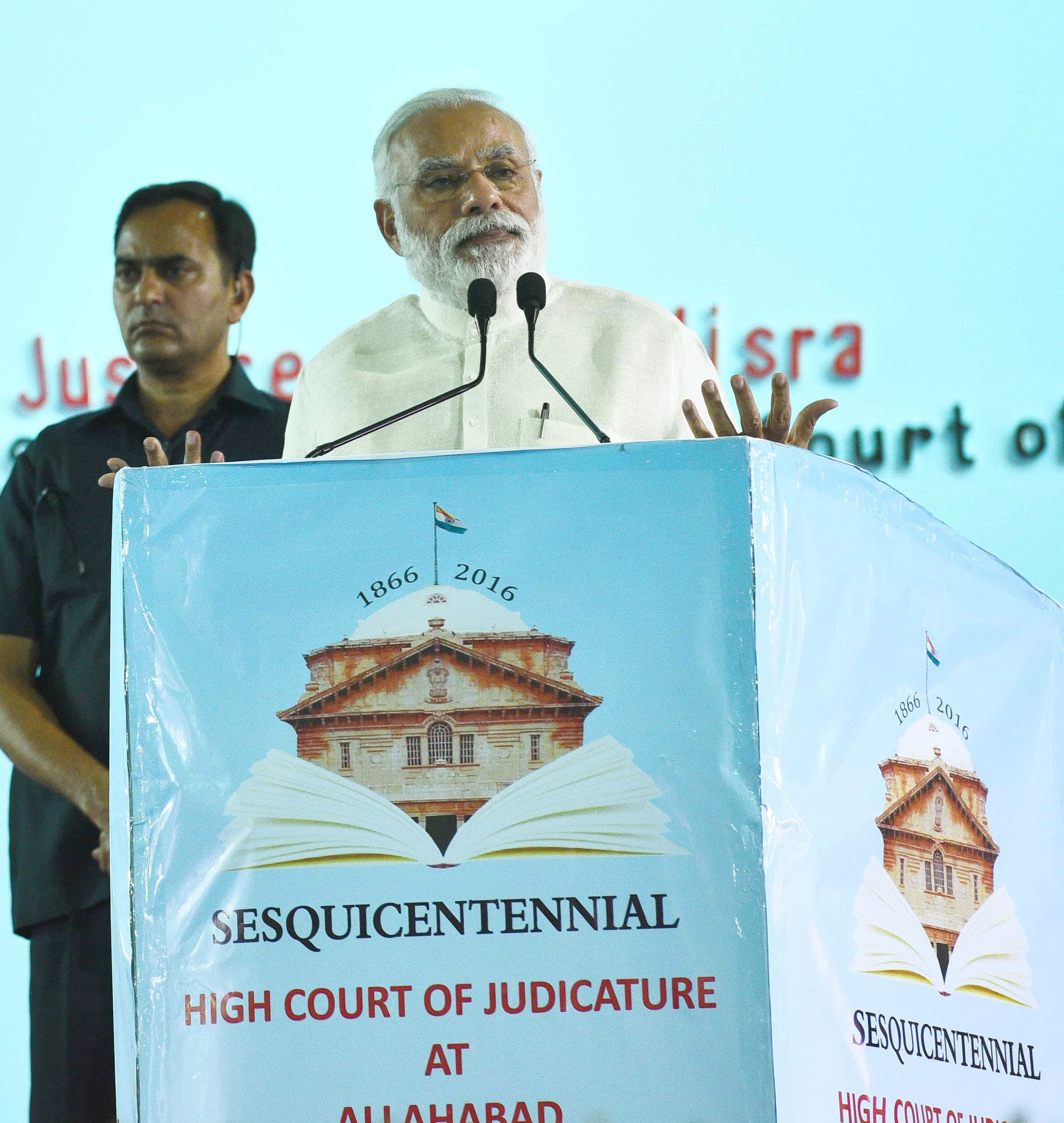
What are my legal rights if I participate in a protest in India and the police arrest me or file an FIR? This is the first question every protester in Lucknow and across Uttar Pradesh asks when facing police action. The answer depends on whether the offence is bailable or non-bailable, whether arrest is lawful, and which court you approach. Under the Bharatiya Nagarik Suraksha Sanhita, 2023 (BNSS), protesters have specific protections: notice before arrest in certain cases, the right to know grounds of arrest, and access to bail under Sections 480 to 484 BNSS. This article explains your rights step-by-step, with practical guidance for the Lucknow Bench of the Allahabad High Court. If you are facing a protest-related FIR or arrest, consult a criminal lawyer in Lucknow immediately.
In my practice at the Lucknow Bench, protest arrests almost never come as a single clean FIR. What I usually see is one omnibus FIR naming ten or fifteen people plus a large group of unknown accused, filed under public order sections, so the first battle is separating my client from the crowd rather than arguing the merits. When the arrest happens on a weekend, which is common after Friday or Saturday demonstrations, I keep clients ready for production before the duty magistrate, because a well-prepared bail bond and local surety on the same day often prevents an avoidable night in judicial custody. My candid view is that most protesters are over-charged at the FIR stage and quietly under-prosecuted later, which is precisely why an early, documented bail effort matters more than waiting for the case to weaken on its own.
Table of Contents
Need Immediate Legal Help?
If you're facing a legal emergency in Lucknow, don't wait. Contact experienced criminal lawyer Advocate Onkar Pandey for immediate assistance.
Your rights when FIR is registered during a protest
When police register an FIR after a protest, protesters often assume they will be arrested immediately. That is not always true. Under BNSS Section 35, for offences punishable with imprisonment for a term of less than seven years, police must issue a notice before arrest unless arrest is necessary for investigation. This notice allows the accused to appear before the police voluntarily.
A 2025 Allahabad High Court ruling in Kamlesh Meena & 2 Ors. v. State of U.P. & 2 Ors. (Application U/S 528 BNSS No. 25348 of 2025, decided 25 July 2025) held that a person who is only a prospective accused has no locus to challenge a direction to lodge an FIR. This means protesters cannot block registration of an FIR merely by anticipating it. However, once the FIR is registered, the accused can seek quashing under Section 528 BNSS if the complaint is frivolous or lacks a cognizable offence.
Practical steps after FIR registration:
- Do not ignore the police notice. Appear or engage a lawyer.
- Collect a certified copy of the FIR from the police station.
- Check if the offence is bailable or non-bailable on the criminal defense page.
- If the FIR is false, file a quashing petition at the Allahabad High Court Lucknow Bench under Section 528 BNSS.
Arrest rights during protests: what police must do
Arrest during a protest raises serious constitutional questions. Article 21 protects personal liberty, and the Supreme Court's guidelines in D.K. Basu v. State of West Bengal (1997) still apply. Under BNSS Section 35, police must issue a notice before arrest for offences punishable with less than seven years imprisonment. Separately, under BNSS Section 42, the police must inform a friend or relative of the arrested person about the arrest. The grounds of arrest must be in writing; if not, the arrest may be illegal.
What police must do when arresting a protester:
- Inform the arrested person of the grounds of arrest immediately.
- Produce the arrested person before a magistrate within 24 hours (Article 22, BNSS Section 173).
- Allow a lawyer to meet the accused.
- Maintain an arrest memo with details of custody.
If police violate these rules, the arrest can be challenged. Read more about Women's Rights During Police Custody in UP and No Written Grounds of Arrest? Your Arrest May Be Illegal in UP.
| Safeguard | BNSS / Constitution |
|---|---|
| Notice before arrest (offence less than 7 yrs) | Section 35 BNSS |
| Informing relative / friend | Section 42 BNSS |
| Production within 24 hours | Article 22, BNSS Section 173 |
| Right to legal aid | Article 21, D.K. Basu guidelines |
Bail options for protest-related cases
Bail depends on the offence. Under BNSS, bailable offences grant bail as a right under Section 480 BNSS (old Section 436 CrPC). Non-bailable offences require the court to consider factors like flight risk and evidence tampering. For protesters, most charges under the Indian Penal Code (e.g., Section 143, 147, 323, 341, 188) are bailable, but charges like Section 307 (attempt to murder) or Section 354 (assault on woman) are non-bailable.
Bail stages for protest-related cases:
- Magistrate bail: For bailable offences under Section 480 BNSS, the magistrate must grant bail. For non-bailable, apply under Section 483 BNSS (old Section 437 CrPC).
- Sessions Court bail: If magistrate rejects bail, approach Sessions Court under Section 483 BNSS read with Section 484 BNSS.
- High Court bail: The Allahabad High Court Lucknow Bench can grant bail under Section 484 BNSS (old Section 439 CrPC) even after lower court rejection.
- Bail for undertrial delay: Under Section 481 BNSS, if the trial is not concluded within 60 days for certain offences, the accused may be released on bail. This provision applies to specific categories of offences and is not a general 'half-maximum period' rule.
For a practical guide, see How to Secure Bail After FIR Registration in Lucknow.
Legal Consultation
Talk directly to Advocate Onkar Pandey
Explain your matter over a call or WhatsApp. If you take the case forward, the consultation fee adjusts into your overall fee, so there is no separate charge to begin.
Anticipatory bail for protesters
If an FIR has been registered but arrest has not yet occurred, protesters can file for anticipatory bail. Under BNSS, the remedy is Section 482 BNSS (old Section 438 CrPC). This can be filed before the Sessions Court or the High Court. In Udit Arya v. State of U.P. (Criminal Misc. Anticipatory Bail Application U/S 438 Cr.P.C. No. 4560 of 2023, decided 3 May 2023), the Allahabad High Court recognized that anticipatory bail exists to prevent false or motivated prosecution. Note that this case was decided under the old CrPC, but the principle remains applicable under BNSS Section 482. Protest arrests are often driven by FIRs filed after public disturbances; this ruling supports seeking pre-arrest protection when the FIR appears retaliatory.
When to file anticipatory bail:
- Immediately after FIR registration if police are likely to arrest.
- If the offence is non-bailable and the protester fears arrest in connection with protest events.
- If the FIR is exaggerated or politically motivated.
The Lucknow Bench of the Allahabad High Court grants interim protection usually on the first or second hearing. For steps before filing, read Pre-Arrest Bail Steps When FIR Not Quashed in Lucknow.
| Court | Fee Range (approx.) | Interim Protection Timeline |
|---|---|---|
| Sessions Court Lucknow | ₹15,000 – ₹50,000 | 1-3 days |
| Allahabad High Court Lucknow Bench | ₹30,000 – ₹1,25,000+ | 1-7 days |
Illegal detention and habeas corpus remedies
If a protester is arrested without proper procedure or kept beyond 24 hours without remand, the remedy is a habeas corpus petition under Article 226 before the Allahabad High Court Lucknow Bench. The court has consistently treated illegal arrest as contrary to constitutional safeguards. The Supreme Court in Satyendra Kumar Antil v. CBI (2022) and Umang Rastogi v. State of U.P. (2022) laid down guidelines on arrest procedure and bail. These principles apply equally to protest cases.
Grounds for habeas corpus in protest cases:
- Arrest without proper grounds.
- Detention beyond 24 hours without judicial remand.
- Failure to inform family or lawyer.
- Arrest under a provision that does not warrant arrest (e.g., bailable offence without warrant).
Habeas corpus petitions are listed urgently, often within hours. For more on arrest procedure, read Police Custody Under BNSS 187 in Uttar Pradesh.
Practitioner's Note from the Lucknow Bench
In our practice before the Lucknow Bench, applications for anticipatory bail or regular bail in protest-related cases are typically listed within 1-7 days of filing, depending on the urgency. For habeas corpus, we often get same-day or next-day listing. The fees for filing a criminal misc. petition at the Lucknow Bench range from ₹25,000 to ₹1,00,000+ for contested matters, while anticipatory bail at Sessions Court is lower (₹15,000–₹50,000). Judges at the Lucknow Bench routinely ask for the arrest memo, grounds of arrest in writing, and a copy of the FIR. They also examine whether the protest was peaceful and whether the accused has criminal antecedents. Documents judges ask for include: arrest memo, FIR copy, medical report (if injury claimed), and notice under Section 35 BNSS if applicable. We advise clients to keep all police communications on record.
About the Author
Advocate Onkar Pandey is a practicing lawyer at the Allahabad High Court Lucknow Bench with over 25 years of experience in criminal law, bail matters, FIR quashing, and family law. Enrolled with the Bar Council of Uttar Pradesh (No. UP/4825/1999), he provides expert legal guidance to clients across Uttar Pradesh from his chamber at A-406, High Court, Lucknow. For a consultation on protest arrest and bail rights, contact Advocate Onkar Pandey at +91 98392 71553.
Frequently Asked Questions
Can police arrest me without notice during a protest?+
It depends on the offence. Under BNSS Section 35, for offences punishable with imprisonment for a term of less than seven years, police must issue a notice before arrest unless arrest is necessary for investigation. For serious non-bailable offences, arrest may be made without notice. You have the right to know the grounds of arrest in writing.
What should I do if police file an FIR against me after a protest?+
First, obtain a certified copy of the FIR. Check if the offence is bailable. If bailable, you can claim bail at the police station under Section 480 BNSS. If non-bailable, consult a lawyer to apply for anticipatory bail under Section 482 BNSS or regular bail under Section 484 BNSS at the Allahabad High Court Lucknow Bench. Do not ignore police notices; appear with a lawyer.
How long does it take to get anticipatory bail in Lucknow for a protest case?+
At the Sessions Court, interim protection can be obtained in 1-3 days. At the Allahabad High Court Lucknow Bench, listing typically takes 1-7 days. The final order may take 2-8 weeks depending on the complexity. Fees range from ₹15,000 to ₹1,25,000+.
Can I get bail if I am arrested for a non-bailable offence during a protest?+
Yes, but it is not automatic. You must apply under Section 483 BNSS (Magistrate) or Section 484 BNSS (High Court). Courts consider the nature of the offence, evidence, and whether you are a flight risk. The Allahabad High Court has granted bail to protesters where charges were exaggerated or motivated.
What if police detain me illegally without producing me before a magistrate?+
Illegal detention violates Article 21 and BNSS provisions. You can file a habeas corpus petition before the Allahabad High Court Lucknow Bench. The court will order your immediate release and may impose costs on the police. Keep a record of the arrest time and place, and inform your family or lawyer immediately.
Can I challenge an FIR filed against me for participating in a protest?+
Yes, you can file a quashing petition under Section 528 BNSS before the Allahabad High Court Lucknow Bench if the FIR does not disclose a cognizable offence or is motivated. The court has inherent powers to quash frivolous complaints. However, as per Kamlesh Meena (2025), a prospective accused cannot block FIR registration merely by anticipation.
What documents are needed for a bail application in a protest case?+
You need a copy of the FIR, arrest memo (if arrested), grounds of arrest in writing (if provided), medical reports (if injury claimed), and any notice under Section 35 BNSS. For anticipatory bail, also include a brief affidavit stating facts and reasons why arrest is not justified. Consult a criminal lawyer in Lucknow for proper drafting.
Related Guides
Related Services
Get Expert Legal Advice in Lucknow
20+ years experience in criminal law at Lucknow High Court. Available 24/7 for emergencies.
Disclaimer: This article is for general information purposes only and does not constitute legal advice. Every case is unique and requires specific legal analysis. For advice specific to your situation, please consult Advocate Onkar Pandey or another qualified attorney in Lucknow.