How Much Maintenance Can a Wife Get? Allahabad High Court Fixes 25% of Husband's Income Benchmark in 2026
Quick Answer
Maintenance under Section 125 CrPC (now Section 144 BNSS ) is one of the most common questions a wife asks before approaching the Lucknow Family Court : how much money will the court actually order? In a significant ruling dated 13 January 2026 , the Allahabad High Court clarified that a wife is…
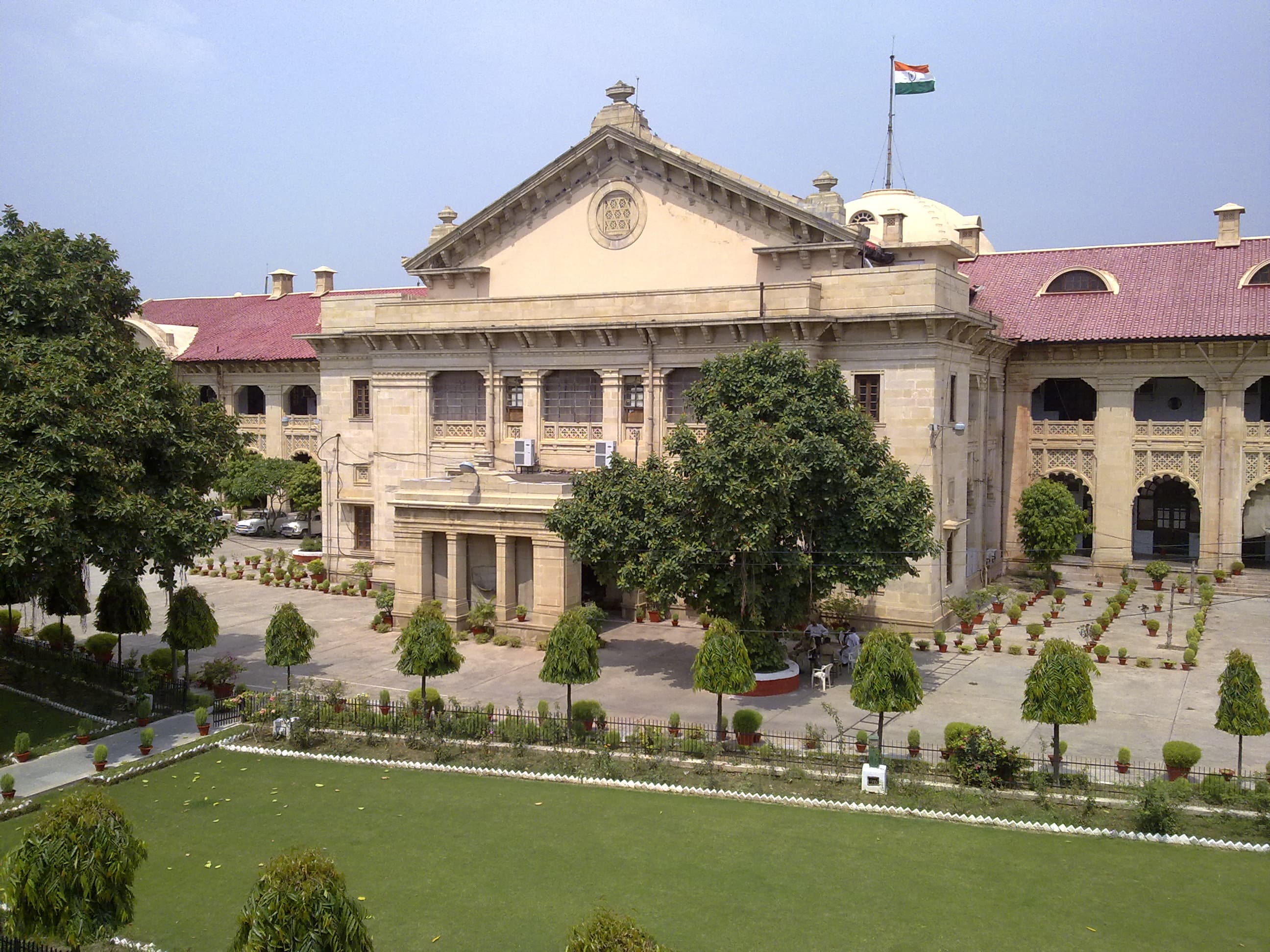
Maintenance under Section 125 CrPC (now Section 144 BNSS) is one of the most common questions a wife asks before approaching the Lucknow Family Court: how much money will the court actually order? In a significant ruling dated 13 January 2026, the Allahabad High Court clarified that a wife is ordinarily entitled to up to 25% of the husband's net monthly income as maintenance — a benchmark first laid down by the Supreme Court in Kalyan Dey Chowdhury v. Rita Dey Chowdhury (2017). The Court reinforced that mere employment of the wife is not a ground to deny her maintenance when there is a wide disparity in earnings. This article explains how maintenance is calculated, what the 25% rule means in practice, and the correct procedure to claim or contest maintenance in Lucknow and across Uttar Pradesh.
Table of Contents
Need Immediate Legal Help?
If you're facing a legal emergency in Lucknow, don't wait. Contact experienced criminal lawyer Advocate Onkar Pandey for immediate assistance.
The 25% Benchmark: What the Allahabad High Court Held in 2026
In its 13 January 2026 decision, the Allahabad High Court reaffirmed that 25% of the husband's net salary is a "just and proper" figure for a wife's maintenance under Section 125 CrPC. The Court relied on the Supreme Court's reasoning in Kalyan Dey Chowdhury, where a similar proportion was upheld as a workable yardstick.
The key principles the Court emphasised were:
- Net income, not gross: The 25% is calculated on the husband's take-home pay after statutory deductions like income tax and provident fund — but not after voluntary loan EMIs.
- A benchmark, not a ceiling: 25% is a guiding figure; courts may award more or less depending on the number of dependants and the standard of living during the marriage.
- Disparity matters most: Where the husband earns far more than the wife, the disparity itself justifies a substantial award.
For families in Lucknow, this gives a predictable starting point for negotiations, whether you are claiming or contesting maintenance before the Family Court.
Section 125 CrPC and Section 144 BNSS: The Legal Framework
Section 125 of the Code of Criminal Procedure, 1973 — now restated as Section 144 of the Bharatiya Nagarik Suraksha Sanhita, 2023 (BNSS) — allows a wife, children, and parents who cannot maintain themselves to claim a monthly allowance from a person with sufficient means who neglects them.
The provision applies to all religions and is a secular, summary remedy distinct from maintenance under personal laws such as the Hindu Marriage Act, 1955.
| Provision | Old Law | New Law (2024) | Forum in Lucknow |
|---|---|---|---|
| Wife/child maintenance | Section 125 CrPC | Section 144 BNSS | Family Court / Magistrate |
| Interim maintenance (divorce) | Section 24 HMA | Section 24 HMA | Family Court |
| Domestic violence relief | Section 20 PWDVA | Section 20 PWDVA | Magistrate |
A wife may pursue more than one of these remedies, but the court will adjust amounts to avoid duplication. Choosing the right remedy is something an experienced lawyer in Lucknow can advise on after reviewing your facts.
How the Court Actually Calculates the Maintenance Amount
The 25% figure is a starting point, not a mechanical formula. The Lucknow Family Court weighs several factors before fixing the final amount under Section 144 BNSS.
The court typically examines:
- Husband's actual income: Salary slips, Form 16, bank statements, and tax returns are scrutinised. Courts are alert to concealed income and may estimate earnings.
- Standard of living: The wife is entitled to a lifestyle similar to what she enjoyed in the matrimonial home.
- Number of dependants: If children are also claiming, the husband's total liability rises but each share is balanced.
- Wife's own income: Considered, but a modest salary does not cancel her claim where the husband earns far more.
- Husband's liabilities: Genuine obligations like maintenance of aged parents are weighed, but self-created loans are not deducted.
Example: If a husband in Gomti Nagar, Lucknow has a net salary of ₹80,000, a wife with no income may reasonably expect around ₹20,000 per month, adjusted for children and other factors.
Legal Consultation
Talk directly to Advocate Onkar Pandey
Explain your matter over a call or WhatsApp. If you take the case forward, the consultation fee adjusts into your overall fee, so there is no separate charge to begin.
Employed Wife: Does a Job Disqualify Her From Maintenance?
One of the most contested issues before the Allahabad High Court in 2026 was whether a working wife can still claim maintenance. The Court answered clearly: mere employment is not a ground to refuse maintenance.
The reasoning rests on these points:
- The object of Section 125 CrPC / Section 144 BNSS is to prevent destitution and vagrancy, not merely to provide bare survival.
- A wife is entitled to live with dignity at a standard close to the matrimonial home, which her own modest income may not support.
- What matters is the disparity between the spouses' earnings, not the bare fact that the wife earns something.
However, the picture changes if the wife's income is substantial and comparable to the husband's, or if she later secures a well-paid government job. In such cases, courts may reduce or limit the maintenance period. This is a fact-specific inquiry where representation by a family law advocate in Lucknow makes a real difference.
Maintenance Is a Recurring Right, Not a One-Time Settlement
The Allahabad High Court in 2026 also held that the right to maintenance is an ambulatory, recurring entitlement — it does not end with a single settlement and revives on every breach.
Practically, this means:
- If a husband breaches a mediation settlement and stops paying, the wife need not file a fresh case — she can revive the earlier proceedings.
- If circumstances change — the husband's income rises, or inflation erodes the amount — either party can seek modification under Section 127 CrPC (now Section 146 BNSS).
- A one-time lump sum in a divorce does not automatically bar future Section 125 claims unless the settlement clearly covers it.
This recurring nature protects wives in Uttar Pradesh from husbands who agree to pay and then default. If your maintenance order is being ignored, the court can order recovery as arrears and even issue a warrant. Consult a maintenance lawyer in Lucknow to enforce or revive your order quickly.
Procedure to Claim Maintenance in Lucknow: Step by Step
Filing a maintenance petition before the Lucknow Family Court follows a clear sequence under Section 144 BNSS.
- File the petition: Submit the maintenance application before the Family Court (or Magistrate) having jurisdiction where you reside or where the husband lives.
- Interim maintenance: Seek interim maintenance early; courts now aim to decide interim applications within 60 days.
- Disclosure of assets: Both spouses file an affidavit of income and assets, as mandated by the Supreme Court in Rajnesh v. Neha (2020).
- Evidence and hearing: Salary records, lifestyle proof, and expenses are examined.
- Final order: The court fixes the monthly amount, payable from the date of application.
| Stage | Typical Timeline (Lucknow) |
|---|---|
| Interim maintenance order | 1-3 months |
| Final maintenance order | 6-18 months |
| Enforcement of arrears | 1-3 months |
Delays often arise from concealed income disputes, which is why proper documentation from the outset is essential.
Common Defences a Husband Can Raise — and Their Limits
A husband contesting maintenance before the Lucknow Family Court may raise several defences, but each has clear legal limits after the 2026 rulings.
- "She is earning well": Valid only if her income is genuinely comparable; a small salary will not defeat the claim.
- "She left without reason": A wife living separately with sufficient cause (cruelty, desertion, second marriage by husband) is still entitled to maintenance.
- "I have loans and EMIs": Voluntary loan deductions are generally not subtracted from income when computing the 25%.
- "We already settled": A past settlement does not bar a fresh or revived claim if it was breached or did not cover maintenance.
A wife is disentitled only in narrow situations — where she is living in adultery, has refused to live with the husband without valid reason, or both are living separately by mutual consent. These exceptions are interpreted strictly. Whether you are claiming or defending, a Lucknow advocate can assess which defences realistically apply to your matter.
About the Author
Advocate Onkar Pandey is a practicing lawyer at the Allahabad High Court Lucknow Bench with over 25 years of experience in family law, maintenance disputes, divorce, and criminal litigation. Enrolled with the Bar Council of Uttar Pradesh (No. UP/4825/1999), he provides practical legal guidance to clients across Uttar Pradesh from his chamber at A-406, High Court, Lucknow. For legal consultation regarding Section 125 CrPC maintenance and how much a wife is entitled to receive, contact Advocate Onkar Pandey at +91 98392 71553 for expert advice tailored to your specific situation.
Frequently Asked Questions
How much maintenance can a wife get under Section 125 CrPC in 2026?+
Following the Allahabad High Court's 13 January 2026 ruling, a wife is ordinarily entitled to up to 25% of the husband's net monthly income as maintenance under Section 125 CrPC (now Section 144 BNSS). This benchmark comes from the Supreme Court's decision in Kalyan Dey Chowdhury v. Rita Dey Chowdhury (2017). The 25% is calculated on take-home pay after statutory deductions like tax and provident fund, but not after voluntary loan EMIs. It is a guiding figure, not a rigid ceiling — the Lucknow Family Court may award more or less depending on the number of dependants, the standard of living during the marriage, and the wife's own income. Where children are also claiming, the husband's total liability increases.
Can a working wife claim maintenance in Uttar Pradesh?+
Yes. The Allahabad High Court held in 2026 that mere employment of the wife is not a ground to deny maintenance. The purpose of Section 125 CrPC / Section 144 BNSS is to ensure a wife can live with dignity at a standard close to her matrimonial home, not just to provide bare survival. What matters is the disparity between the spouses' earnings — if the husband earns substantially more, a modest job does not cancel her claim. However, if the wife's income is genuinely comparable to the husband's, or she later secures a well-paid government job, the court may reduce the amount or limit the maintenance period. This is a fact-specific assessment best handled with a family law advocate in Lucknow.
Is the 25% maintenance calculated on gross or net salary?+
Courts calculate the 25% benchmark on the husband's net (take-home) income, not gross salary. This means statutory deductions such as income tax and provident fund contributions are subtracted first. However, voluntary deductions like personal loan EMIs, home loans, or credit card payments are generally not deducted, because a husband cannot reduce his maintenance liability through self-created financial commitments. The Lucknow Family Court will examine salary slips, Form 16, bank statements, and income tax returns to determine the true net income. If a husband conceals income or works in the unorganised sector, the court is empowered to estimate his earnings based on lifestyle, assets, and the standard of living maintained during the marriage.
What happens if the husband stops paying maintenance after a settlement?+
The Allahabad High Court clarified in 2026 that maintenance is a recurring, ambulatory entitlement that revives on every breach. If a husband breaches a mediation settlement and stops paying, the wife does not need to file a fresh case — she can revive the earlier proceedings. The unpaid amounts accumulate as arrears, which the court can order to be recovered. Under Section 144 BNSS, the Magistrate or Family Court can issue a warrant for recovery and even order imprisonment for wilful non-payment. Enforcement applications in Lucknow are usually decided within one to three months. If your maintenance order is being ignored, consult a maintenance lawyer promptly to initiate recovery and revive the order.
Can the maintenance amount be increased or decreased later?+
Yes. Either spouse can seek modification of a maintenance order under Section 127 CrPC (now Section 146 BNSS) when circumstances change. A wife can apply for an increase if the husband's income rises significantly or if inflation has eroded the value of the original amount. A husband can seek a reduction if he loses his job, suffers genuine financial hardship, or if the wife secures substantial independent income such as a well-paid government post. The Lucknow Family Court examines updated income affidavits and evidence of changed circumstances before modifying the order. Importantly, the burden lies on the party seeking modification to prove the change is real and material, not temporary or self-created.
When can a wife be denied maintenance under Section 125 CrPC?+
The grounds for denying maintenance are narrow and strictly interpreted. Under Section 125(4) CrPC / Section 144 BNSS, a wife is disentitled if she is living in adultery, if she refuses without sufficient reason to live with her husband, or if the couple is living separately by mutual consent. Mere allegations are not enough — the husband must prove these grounds with evidence. Importantly, a wife who lives separately because of cruelty, desertion, or the husband's second marriage has sufficient cause and remains entitled to maintenance. Being educated or capable of earning is also not a valid ground for denial. The Allahabad High Court has repeatedly held that these exceptions cannot be used to defeat a genuine claim.
Related Guides
Related Services
Get Expert Legal Advice in Lucknow
20+ years experience in criminal law at Lucknow High Court. Available 24/7 for emergencies.
Disclaimer: This article is for general information purposes only and does not constitute legal advice. Every case is unique and requires specific legal analysis. For advice specific to your situation, please consult Advocate Onkar Pandey or another qualified attorney in Lucknow.