Financial Hardship Is No Escape From Maintenance: How the Allahabad High Court Lucknow Bench Treats a Husband's Plea of Poverty in 2026
Quick Answer
A husband’s plea of financial hardship is the most common defence raised against a maintenance claim in Uttar Pradesh family courts — and in 2026 the Allahabad High Court has made it clear that, by itself, it almost never works. In a series of rulings this year, including the widely r…
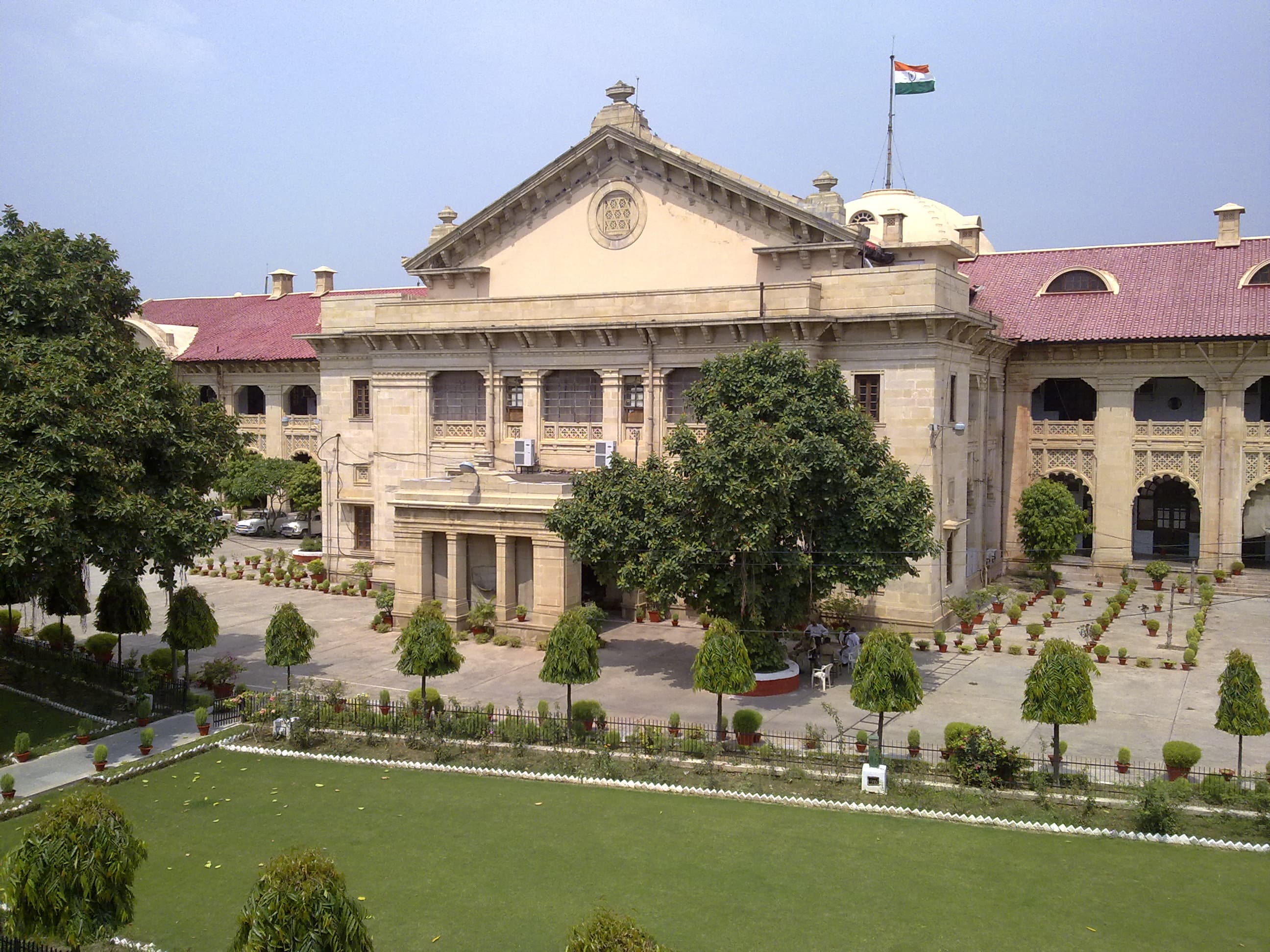
A husband’s plea of financial hardship is the most common defence raised against a maintenance claim in Uttar Pradesh family courts — and in 2026 the Allahabad High Court has made it clear that, by itself, it almost never works. In a series of rulings this year, including the widely reported “don’t marry if you cannot maintain” observation, the Court held that once a man marries, he is bound in law to support his wife, and he cannot escape that duty by pointing to a low salary, mounting loans, or the burden of a second family.
For a wife who has been denied or paid a token amount, this is a powerful shift. It means the Lucknow Family Court and the Allahabad High Court Lucknow Bench will look behind a husband’s claimed income to his real earning capacity, lifestyle, and assets. This guide explains how maintenance is calculated under Section 24 of the Hindu Marriage Act and Section 125 BNSS, why a husband’s poverty plea usually fails, what evidence proves hidden income, and how to enforce a maintenance order when he still refuses to pay. If you need a case-specific opinion, you can contact our office directly.
Table of Contents
Need Immediate Legal Help?
If you're facing a legal emergency in Lucknow, don't wait. Contact experienced criminal lawyer Advocate Onkar Pandey for immediate assistance.
The 2026 Position — A Husband's Poverty Plea Is Not a Defence
The starting point of Indian maintenance law is that the obligation to maintain a wife flows from the marriage itself, not from the husband’s convenience. The Allahabad High Court in 2026 reaffirmed this in strong terms while dismissing a husband’s challenge to an interim maintenance order, holding that financial incapacity is no ground to deny spousal support.
The Court’s reasoning, distilled from several recent orders, rests on a few settled propositions:
- Earning capacity, not declared income, is the test. A healthy, able-bodied husband is presumed capable of earning enough to support his wife, even if he claims to be unemployed or under-employed.
- A second marriage or second family is the husband’s own choice and cannot reduce the first wife’s rightful share.
- Voluntary loans and EMIs taken by the husband do not get priority over his statutory duty to maintain his wife and children.
- A token amount is not maintenance. The sum must allow the wife to live with roughly the same dignity she enjoyed in the matrimonial home.
In one April 2026 matter, the Court upheld interim maintenance under Section 24 of the Hindu Marriage Act and observed that a man who marries assumes a legal duty he cannot walk away from by pleading hardship. This is the lens through which every poverty plea in a UP family court is now examined.
Two Routes to Maintenance — Section 24 HMA and Section 125 BNSS
A wife in Uttar Pradesh has more than one legal route to claim maintenance, and choosing the right one (or both together) is a strategic decision. The two principal provisions work differently in terms of forum, speed, and the type of relief.
| Feature | Section 24, Hindu Marriage Act 1955 | Section 125, BNSS 2023 (ex-125 CrPC) |
|---|---|---|
| Nature | Interim maintenance & litigation expenses during a pending matrimonial case | Standalone maintenance for wife, children, parents |
| Who can claim | Either spouse (usually the wife) when a divorce / RCR petition is pending | Wife (including divorced wife not remarried), children, parents |
| Forum in Lucknow | Family Court where the matrimonial petition is filed | Family Court / Magistrate, Lucknow |
| Religion | Hindus, Buddhists, Jains, Sikhs | All religions |
| Speed | Decided within the main case; interim relief can be early | Summary procedure, designed to be quick |
Many wives file a Section 125 BNSS application even while a divorce petition with a Section 24 claim is pending. The two are not mutually exclusive, though courts adjust the figures so there is no double recovery. A family lawyer in Lucknow will usually advise pursuing Section 125 BNSS for its summary speed and Section 24 HMA for litigation costs and interim support inside the divorce case.
How the Court Calculates the Amount — Income, Lifestyle and Standard of Living
There is no fixed formula or percentage in the statute, but the Supreme Court in Rajnesh v. Neha (2020) laid down factors that every family court in UP now applies. The Allahabad High Court relies on the same framework when it enhances or upholds an award.
The Court weighs the following before fixing a figure:
- The husband’s real income and earning capacity — salary slips, income tax returns, business turnover, agricultural land, rental income, and lifestyle indicators such as vehicles or foreign travel.
- The wife’s own income, if any, and whether it is sufficient to maintain the standard of living she had during the marriage.
- The standard of living enjoyed in the matrimonial home — a wife is not expected to drop to a lower standard merely because of separation.
- Reasonable needs of the wife and dependent children, including rent, education, and medical expenses.
- Liabilities of the husband that are genuine and unavoidable, distinguished from voluntary or inflated debts.
In a notable April 2026 order, the Allahabad High Court declined to interfere where the Family Court had enhanced maintenance from a few thousand rupees to a substantially higher monthly figure for the wife and minor child, holding the increase reasonable given the husband’s earning capacity. The message is consistent: courts look at what the husband can earn, not merely what he chooses to declare.
Legal Consultation
Talk directly to Advocate Onkar Pandey
Explain your matter over a call or WhatsApp. If you take the case forward, the consultation fee adjusts into your overall fee, so there is no separate charge to begin.
When the Husband Hides Income — Proving Real Earning Capacity
The single biggest battleground in a UP maintenance case is the husband’s true income. Salaried husbands often produce only a basic pay slip; self-employed husbands frequently claim near-zero profit. The law expects the wife to lead what evidence she can, but it also draws an adverse inference against a husband who suppresses his finances.
Evidence that has worked before the Lucknow Family Court and on appeal includes:
- Income tax returns and Form 26AS obtained through court direction, exposing income far above the declared salary slip.
- Bank statements showing regular high-value credits inconsistent with a poverty claim.
- Property and vehicle records — registry documents, RC of cars, showing assets that contradict the hardship plea.
- GST registration and business filings for a husband who claims his shop or firm earns nothing.
- Photographs and social media evidencing a lifestyle — weddings, travel, expensive functions — out of step with claimed poverty.
- The mandatory affidavit of assets and liabilities that Rajnesh v. Neha requires both parties to file; a false affidavit invites perjury and an adverse inference.
Where a husband simply refuses to disclose, courts in UP are now willing to estimate his income on the basis of his qualifications, the locality’s prevailing wages, and his demonstrated lifestyle, rather than accept an artificially low figure. This is exactly why a husband’s bare claim of financial hardship rarely succeeds on its own.
Second Marriage, Loans and Old Parents — Defences That Usually Fail
Husbands routinely raise three defences to cut down maintenance, and Indian courts have given fairly settled answers to each. Understanding why they fail helps a wife pre-empt them in her reply.
- “I have a second wife and children to support.” A second marriage is the husband’s voluntary act. Courts hold it cannot dilute the first wife’s entitlement; if anything, it confirms the husband has the means to run two households.
- “I am repaying heavy loans and EMIs.” Genuine, unavoidable liabilities are considered, but voluntarily incurred debts — a new car, a house loan taken after the dispute began — do not get priority over the statutory duty to maintain.
- “I support aged parents.” Maintenance of parents is a real obligation, but the court balances it against the wife’s equal right and does not allow it to reduce her share to a token sum.
- “She is qualified and can work.” A wife’s qualification does not automatically disentitle her; the court asks whether she actually has sufficient independent income to maintain the marital standard of living.
None of these is a magic shield. They are weighed as factors, not treated as automatic reductions. A husband genuinely unable to pay must prove it with documents, not assert it — and where he conceals income, the plea collapses entirely. If the maintenance dispute is entangled with a false 498A FIR or cross-cases, the strategy must be coordinated so one proceeding does not weaken the other.
Enforcing a Maintenance Order When the Husband Still Refuses to Pay
Winning a maintenance order is only half the battle; some husbands stop paying within months. UP law provides real teeth to enforce arrears, and a wife should not treat non-payment as the end of the road.
The enforcement tools available before the Lucknow Family Court include:
- Recovery as arrears of fine under Section 125(3) BNSS — the Magistrate can issue a warrant to recover the unpaid amount.
- Imprisonment for default — a husband who fails to comply without sufficient cause can be sentenced to imprisonment, which is a powerful pressure point even though it does not wipe out the arrears.
- Attachment of salary for a salaried husband, with a direction to the employer to deduct and deposit the monthly maintenance.
- Attachment and sale of property in execution where arrears have accumulated.
- Interim maintenance arrears ordered under Section 24 HMA are equally executable within the matrimonial proceedings.
Courts have repeatedly held that a husband cannot be allowed to defeat a maintenance order by delay tactics, transfers of property, or repeated adjournments. Filing a prompt execution application, supported by a clear computation of arrears, is essential. Where the husband has deliberately stripped assets, a property dispute angle may also need to be examined to trace and attach what is genuinely his.
Practical Steps, Cost and Timeline Before the Lucknow Family Court
For a wife in Lucknow or anywhere in UP planning to claim or enhance maintenance, a structured approach saves months. The following sequence reflects how a well-prepared maintenance matter typically proceeds.
- Gather records first: marriage proof, evidence of the husband’s income and lifestyle, your own income and expenses, and details of children’s needs.
- File the application: Section 125 BNSS before the Family Court, and a Section 24 HMA application if a matrimonial case is pending.
- File the assets-and-liabilities affidavit as required by Rajnesh v. Neha, and press for the husband’s affidavit too.
- Seek interim maintenance early so support begins while the case is heard, rather than years later.
- Contest the poverty plea with documentary evidence of real earning capacity.
- Enforce promptly if the husband defaults, and appeal to the Allahabad High Court Lucknow Bench if the amount awarded is unjustly low.
As a rough guide, an interim maintenance order under Section 125 BNSS can come through in a few months, while final determination may take longer depending on the husband’s conduct and the evidence involved. Legal costs vary with the complexity of income-tracing and whether an appeal becomes necessary. Because every marriage and income profile differs, it is best to take a tailored opinion from a family and divorce lawyer in Lucknow before filing.
About the Author
Advocate Onkar Pandey is a practicing lawyer at Lucknow High Court with extensive experience in criminal law, family law, and civil litigation. With a deep understanding of the Indian legal system and years of courtroom experience in Lucknow courts, Advocate Pandey provides practical legal guidance to clients across Uttar Pradesh. For legal consultation regarding maintenance claims, a husband’s financial hardship defence, or enforcement of a maintenance order before the Lucknow Family Court and the Allahabad High Court Lucknow Bench, contact Advocate Onkar Pandey for expert advice tailored to your specific situation.
Frequently Asked Questions
Can a husband refuse to pay maintenance because he has a low salary?+
No. The Allahabad High Court in 2026 has repeatedly held that a husband cannot escape his duty to maintain his wife by pleading a low salary or financial hardship. The legal test is earning capacity, not just declared income. A healthy, able-bodied husband is presumed capable of earning enough to support his wife. Courts examine income tax returns, bank statements, property, lifestyle, and qualifications rather than accepting a bare salary slip. If a husband suppresses his real income, the court draws an adverse inference and may estimate his earnings from his lifestyle and the prevailing wages for his skills. A genuine inability to pay must be proved with documents, not merely asserted.
Does a second marriage reduce the first wife's maintenance in UP?+
No. A second marriage is the husband’s own voluntary choice and cannot dilute the first wife’s rightful maintenance. Courts in Uttar Pradesh treat the existence of a second family as the husband’s self-created burden, not a reason to cut down the first wife’s entitlement under Section 24 of the Hindu Marriage Act or Section 125 BNSS. In fact, the ability to run a second household can be used to show that the husband has sufficient means. The first wife and her children retain priority. If you are facing this defence, a family lawyer in Lucknow can help you frame your reply and lead evidence of the husband’s real capacity to pay.
What is the difference between Section 24 HMA and Section 125 BNSS maintenance?+
Section 24 of the Hindu Marriage Act 1955 provides interim maintenance and litigation expenses to a spouse while a matrimonial case (such as divorce or restitution of conjugal rights) is pending, and applies only to Hindus, Buddhists, Jains, and Sikhs. Section 125 of the BNSS 2023 (which replaced Section 125 CrPC) is a standalone, summary remedy available to a wife, children, and parents of all religions, designed to be quick. A wife can pursue both together — Section 125 BNSS for fast standalone support and Section 24 HMA for interim support and costs inside the divorce case. Courts adjust the figures to prevent double recovery, but filing both is a common and valid strategy.
How does the court find out a husband's real income if he hides it?+
Courts use several tools. Under Rajnesh v. Neha (2020), both parties must file an affidavit of assets and liabilities, and a false affidavit invites perjury and an adverse inference. The wife can seek court directions to produce income tax returns, Form 26AS, bank statements, GST filings, and property and vehicle records. Photographs and social media showing an expensive lifestyle, weddings, or travel can contradict a poverty claim. Where the husband still refuses to disclose, the Family Court is entitled to estimate his income from his qualifications, his demonstrated lifestyle, and prevailing local wages, rather than accept an artificially low figure. This is why a bare claim of financial hardship rarely succeeds in UP.
What can I do if my husband stops paying the maintenance ordered by the court?+
Non-payment is enforceable. Under Section 125(3) BNSS, the Magistrate can issue a warrant to recover arrears as if they were a fine, and a husband who fails to pay without sufficient cause can be sentenced to imprisonment. For a salaried husband, the court can attach his salary and direct the employer to deduct and deposit the maintenance. Property can be attached and sold in execution where arrears accumulate. Interim maintenance under Section 24 HMA is equally executable within the matrimonial case. File a prompt execution application with a clear computation of arrears. Courts in UP will not allow a husband to defeat the order through delay tactics, property transfers, or repeated adjournments.
Can a working or qualified wife still claim maintenance?+
Yes, in many cases. A wife’s qualification or even a modest job does not automatically disentitle her from maintenance. The real question the court asks is whether her independent income is sufficient to maintain the standard of living she enjoyed during the marriage. If she earns far less than the husband, or her income does not meet reasonable needs including children’s expenses, she can still claim the difference. The Allahabad High Court has upheld maintenance for wives who were qualified but not earning enough to live with the dignity they had in the matrimonial home. Each case turns on its facts, so it is best to take advice from a family and divorce lawyer before assuming a job bars your claim.
How long does it take to get a maintenance order in Lucknow?+
Section 125 BNSS is designed as a summary, quick remedy, and an interim maintenance order can often come through within a few months of filing, especially when the assets-and-liabilities affidavits are filed promptly and interim relief is pressed early. Final determination of the amount can take longer, depending on how much the husband contests, whether income-tracing is required, and the court’s workload. Section 24 HMA interim maintenance moves with the main matrimonial case. If the amount awarded is unjustly low, an appeal lies to the Allahabad High Court Lucknow Bench. To avoid years without support, the key is to seek interim maintenance at the earliest stage rather than waiting for the final order.
Related Guides
Related Services
Get Expert Legal Advice in Lucknow
20+ years experience in criminal law at Lucknow High Court. Available 24/7 for emergencies.
Disclaimer: This article is for general information purposes only and does not constitute legal advice. Every case is unique and requires specific legal analysis. For advice specific to your situation, please consult Advocate Onkar Pandey or another qualified attorney in Lucknow.