Joint Account Holder Cannot Be Prosecuted for Cheque Bounce Unless He Signed the Cheque: Allahabad HC 2026
Quick Answer
If your name appears on a joint bank account but you never signed the cheque that bounced, can you still be dragged into a cheque bounce case under Section 138 of the Negotiable Instruments Act? The Allahabad High Court answered this in 2026 with a firm no .
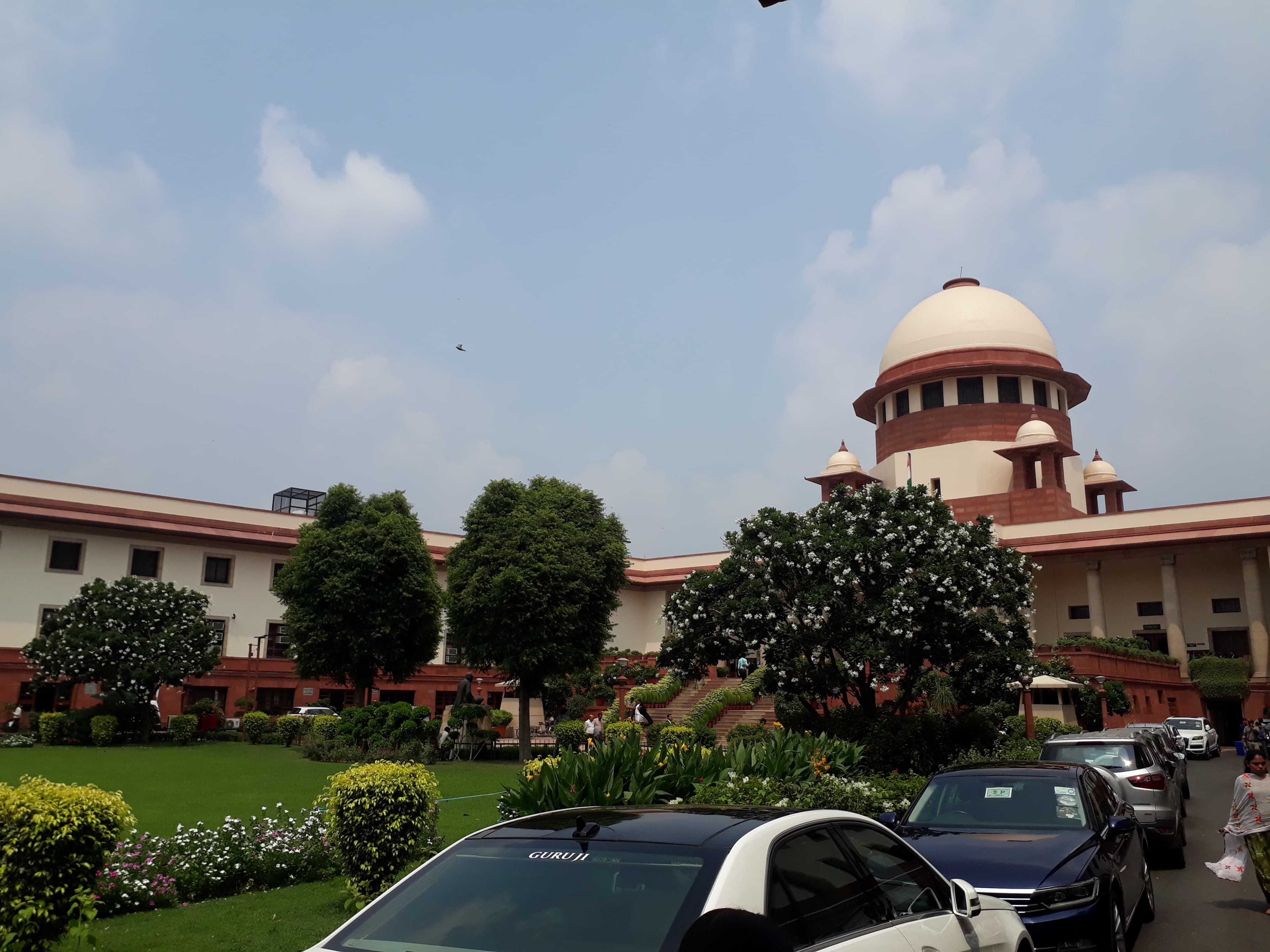
If your name appears on a joint bank account but you never signed the cheque that bounced, can you still be dragged into a cheque bounce case under Section 138 of the Negotiable Instruments Act? The Allahabad High Court answered this in 2026 with a firm no. In Madhu Singh v. State of U.P. (2026 LiveLaw (AB) 270), Justice Sandeep Jain held that a joint account holder who is not the signatory to the dishonoured cheque cannot be prosecuted under Section 138. Liability in a cheque dishonour case follows the pen, not merely the bank account. This ruling protects spouses, business partners, and family members whose names sit on a joint account but who never executed the disputed instrument. This article explains the judgment, the role of Section 141 vicarious liability, and how an accused in Lucknow can get a wrongful 138 complaint quashed with help from a criminal lawyer in Lucknow.
Table of Contents
Need Immediate Legal Help?
If you're facing a legal emergency in Lucknow, don't wait. Contact experienced criminal lawyer Advocate Onkar Pandey for immediate assistance.
The Allahabad High Court 2026 Ruling: Liability Follows the Signatory
In Madhu Singh v. State of U.P. (2026 LiveLaw (AB) 270), the petitioner was a joint holder of a bank account but had not signed the cheque that was dishonoured. The complainant nevertheless made her an accused in a Section 138 complaint. The Allahabad High Court quashed the proceedings against her, holding that only the drawer who signs the cheque can be made criminally liable under Section 138 of the Negotiable Instruments Act, 1881.
The Court reasoned that the offence under Section 138 is committed by the "drawer" of the cheque — the person who draws and signs it on an account maintained by him. A co-holder who has not put his or her signature on the instrument is not the drawer of that cheque and therefore falls outside the section. The ruling aligns the Allahabad High Court with the Supreme Court's settled position in Aparna A. Shah v. Sheth Developers Pvt. Ltd. (2013) 8 SCC 71, where it was held that in the case of a joint account, only the person who signs the cheque is liable.
| Who is on the account? | Did they sign the cheque? | Liable under Section 138? |
|---|---|---|
| Account holder A | Yes | Yes — A is the drawer |
| Joint holder B | No | No — B is not the drawer |
| Authorised signatory of firm | Yes | Yes, plus the firm |
| Sleeping partner / nominee | No | No, unless Section 141 is satisfied |
What Section 138 Actually Requires
Section 138 of the Negotiable Instruments Act creates an offence when a cheque drawn by a person on an account maintained by him is returned unpaid for insufficiency of funds. Every word of that phrase matters. The three core ingredients are:
- The cheque must be drawn and signed by the accused (the drawer) on his own account.
- It must be returned unpaid for insufficient funds or because it exceeds the arrangement.
- A statutory demand notice must be sent within 30 days of dishonour, and the drawer must fail to pay within 15 days of receiving it.
Because the section pins liability on "a person who draws the cheque," the prosecution must prove that the accused actually signed it. A joint account, a nominee arrangement, or a family relationship is not enough to substitute for the missing signature. If the complainant cannot show your signature on the cheque, the complaint against you is liable to be quashed. This is a powerful defence in many cheque dishonour cases registered across Uttar Pradesh, and one that a cheque bounce lawyer in Lucknow will raise at the earliest stage.
Section 141 and the Limits of Vicarious Liability
Complainants often try to rope in non-signatories using Section 141 of the Negotiable Instruments Act, which deals with offences by companies. The Allahabad High Court was careful to mark its boundaries. Section 141 extends liability to persons who were "in charge of and responsible for the conduct of the business" of a company, firm, or association of individuals at the time of the offence.
Three points decide whether vicarious liability can attach:
- It applies only to entities — companies, partnership firms, and associations of individuals — not to private individuals holding a personal joint account.
- The complaint must contain specific averments that the accused was in charge of and responsible for the conduct of the business. A bald, vague allegation will not survive.
- The principal offender — the company or firm whose cheque it is — must itself be made an accused, as held in Aneeta Hada v. Godfather Travels & Tours (2012) 5 SCC 661.
For an ordinary personal joint account, Section 141 simply does not apply. So a wife, husband, son, or sibling whose name sits on the account but who never signed the cheque cannot be made vicariously liable. This is why naming a non-signatory joint holder is often an abuse of process that the High Court will quash under Section 528 BNSS (old Section 482 CrPC).
Legal Consultation
Talk directly to Advocate Onkar Pandey
Explain your matter over a call or WhatsApp. If you take the case forward, the consultation fee adjusts into your overall fee, so there is no separate charge to begin.
Cheque Bounce Procedure and Timeline in Lucknow
A cheque dishonour case in Lucknow is tried as a summary complaint before the Judicial Magistrate. Understanding the timeline helps both complainants and accused act within the strict statutory windows. Missing a deadline can fatally weaken either side.
| Stage | Action | Time Limit |
|---|---|---|
| Dishonour | Bank returns cheque with memo | Within cheque validity (3 months) |
| Demand notice | Payee sends written notice to drawer | Within 30 days of dishonour |
| Payment window | Drawer pays the cheque amount | 15 days from notice |
| Filing complaint | Payee files before Magistrate | Within 30 days after the 15-day window |
| Trial | Summary trial under Section 143 NI Act | Ideally within 6 months |
If you are a non-signatory joint holder who receives summons in such a case, do not ignore it. The correct step is to file a quashing petition before the Allahabad High Court Lucknow Bench, attaching the cheque to show you never signed it. The Madhu Singh precedent now gives the court a clear basis to discharge you. A delayed or 13-year-old summary trial can also be quashed as an abuse of process, as the Allahabad High Court recently reaffirmed.
How to Defend a Wrongful Section 138 Complaint
If your name has been wrongly added to a cheque bounce case, a structured defence protects you from a needless criminal trial. As a criminal defence lawyer in Lucknow handling such matters, here is the practical approach we follow:
- Obtain the original cheque and bank memo: The signature is the single most important fact. If it is not yours, the case against you collapses.
- Check the demand notice: A notice that was never served on you, or that lumps multiple people together without specifics, is vulnerable.
- Examine the complaint averments: Vague allegations that you were "responsible" without any role description fail the Section 141 test.
- File for quashing early: Approach the High Court under Section 528 BNSS before the trial drags on. Cite Aparna A. Shah and the 2026 Madhu Singh ruling.
- Preserve civil remedies: Even if quashed, the complainant may pursue a civil recovery suit; keep your repayment and transaction records ready.
Each of these steps requires careful reading of the complaint. A signatory who genuinely issued the cheque has different options — including settlement and compounding under Section 147 NI Act — but a non-signatory joint holder should push for outright quashing. For specific advice on your facts, consult an experienced lawyer rather than relying on general guidance.
Frequently Asked Questions
- I share a joint account with my husband but never signed the cheque. Can I be prosecuted? No. Under the 2026 Allahabad High Court ruling in Madhu Singh v. State of U.P. and the Supreme Court's Aparna A. Shah judgment, only the person who signed the cheque is liable under Section 138. A non-signatory joint holder can get the complaint quashed.
- What is the role of Section 141 NI Act? Section 141 extends liability to persons in charge of a company or firm. It does not apply to a personal joint account and requires specific allegations about the accused's role in the business.
- Where do I file a quashing petition in Lucknow? Before the Allahabad High Court Lucknow Bench under Section 528 BNSS, attaching the cheque to prove you did not sign it.
About the Author
Advocate Onkar Pandey is a practicing lawyer at the Allahabad High Court Lucknow Bench with over 25 years of experience in criminal law, cheque bounce and Section 138 NI Act matters, FIR quashing, and civil litigation. Enrolled with the Bar Council of Uttar Pradesh (No. UP/4825/1999), he provides expert legal guidance to clients across Uttar Pradesh from his chamber at A-406, High Court, Lucknow. For a consultation on cheque bounce and joint account holder liability under Section 138, contact Advocate Onkar Pandey at +91 98392 71553.
Frequently Asked Questions
Can a joint account holder be prosecuted for cheque bounce if he did not sign the cheque?+
No. The Allahabad High Court in Madhu Singh v. State of U.P. (2026) held that a joint account holder who is not the signatory to the dishonoured cheque cannot be prosecuted under Section 138 of the Negotiable Instruments Act. Liability under Section 138 attaches only to the "drawer" — the person who actually signs the cheque on his account. This follows the Supreme Court's ruling in Aparna A. Shah v. Sheth Developers (2013). A non-signatory whose name merely appears on the account can approach the High Court Lucknow Bench to quash the complaint.
What is the difference between Section 138 and Section 141 of the NI Act?+
Section 138 creates the offence of cheque dishonour and applies to the drawer who signs the cheque. Section 141 deals with offences by companies and firms, extending liability to persons who were in charge of and responsible for the conduct of the business at the time of the offence. Section 141 cannot be used against a private individual on a personal joint account. To invoke Section 141, the complaint must make specific averments about the accused's role, and the company or firm itself must be made an accused, as held in Aneeta Hada v. Godfather Travels (2012).
How do I get a wrongful cheque bounce case quashed in Lucknow?+
File a quashing petition before the Allahabad High Court Lucknow Bench under Section 528 BNSS (the successor to Section 482 CrPC). Attach the dishonoured cheque to demonstrate that you are not the signatory, and rely on the 2026 Madhu Singh ruling and the Supreme Court's Aparna A. Shah judgment. The High Court can discharge a non-signatory joint account holder at the earliest stage to prevent abuse of process. Acting early — before the summary trial drags on for years — gives you the strongest position. An experienced cheque bounce lawyer in Lucknow can draft and argue the petition.
What is the time limit to file a cheque bounce complaint?+
After a cheque is dishonoured, the payee must send a written demand notice within 30 days. The drawer then has 15 days to pay. If payment is not made, the payee must file the complaint before the Magistrate within 30 days of the expiry of that 15-day window. These timelines under Section 138 of the Negotiable Instruments Act are strict. A complaint filed beyond the limitation period can be dismissed unless the court condones the delay for sufficient cause. For accused persons, a defective or late notice is a strong defence point worth examining with a lawyer.
Can a cheque bounce case be settled or compounded?+
Yes. Section 147 of the Negotiable Instruments Act makes cheque dishonour offences compoundable, meaning the complainant and the signatory drawer can settle at any stage, even on appeal. The Supreme Court encourages early settlement and has laid down graded cost guidelines for delayed compounding. However, this option is relevant mainly for the signatory who actually issued the cheque. A non-signatory joint account holder wrongly named in the case should instead seek outright quashing rather than settlement, since there is no valid liability against him in the first place.
Does naming a non-signatory in a 138 complaint amount to abuse of process?+
Often, yes. When a complainant deliberately drags in a spouse, relative, or business associate who never signed the cheque — usually to pressure the real drawer — the High Court treats it as an abuse of the criminal process. Such complaints can be quashed under Section 528 BNSS. The Allahabad High Court has repeatedly held that criminal law cannot be used as a recovery tool against people who bear no legal liability. If you are wrongly named, document your non-involvement and move quickly to protect your reputation and avoid a needless trial in Lucknow courts.
Related Guides
Related Services
Get Expert Legal Advice in Lucknow
20+ years experience in criminal law at Lucknow High Court. Available 24/7 for emergencies.
Disclaimer: This article is for general information purposes only and does not constitute legal advice. Every case is unique and requires specific legal analysis. For advice specific to your situation, please consult Advocate Onkar Pandey or another qualified attorney in Lucknow.