Written Grounds of Arrest Under Article 22: Supreme Court Ruling and What It Means in Lucknow
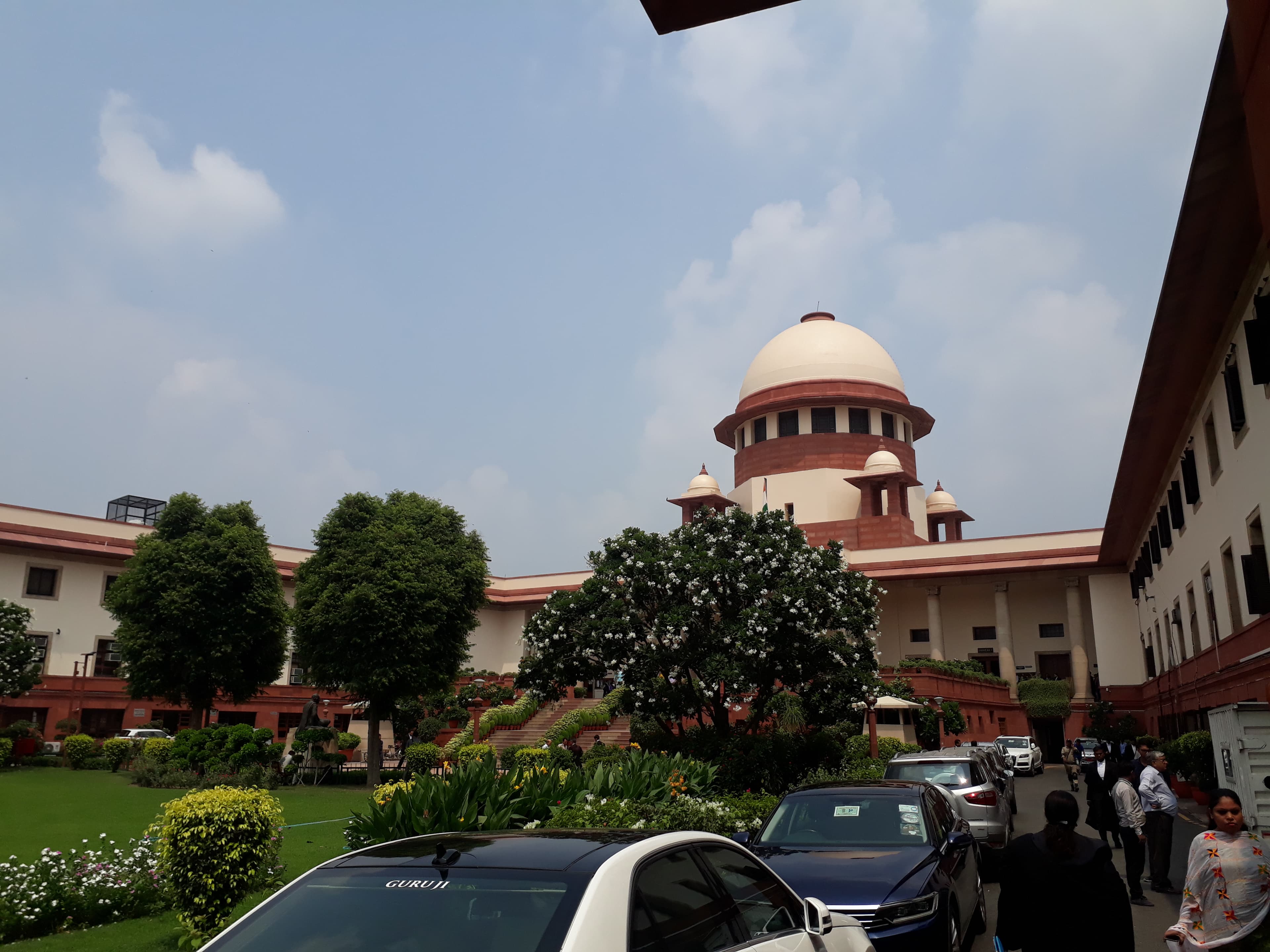
The right to receive written grounds of arrest in Lucknow has now become a constitutional safeguard that no police officer can ignore. In a landmark ruling delivered on November 6, 2025, and reaffirmed through follow-up orders in early 2026, the Supreme Court held that whenever the police already possess documentary material forming the basis of an arrest, the grounds must be supplied to the arrested person in writing — not merely read out, not orally communicated, but handed over on paper.
This shift directly affects every criminal case in Lucknow and across Uttar Pradesh. If you or a family member has been picked up by the police, the failure to furnish written grounds is now itself a ground to challenge the arrest, seek release, and even claim compensation. This guide explains what the ruling means, what Article 22 actually guarantees, and the practical steps families in Lucknow should take when an arrest happens.
Table of Contents
Need Immediate Legal Help?
If you're facing a legal emergency in Lucknow, don't wait. Contact experienced criminal lawyer Advocate Onkar Pandey for immediate assistance.
What the Supreme Court Held in November 2025
In Vihaan Kumar v. State of Haryana and the follow-up bench ruling of November 6, 2025, the Supreme Court tightened the procedure for arrest by making written communication of grounds the default rule, not the exception.
The Court drew a clear distinction:
- Where police already hold case papers, FIR copies, statements, or documentary material establishing a cogent basis for arrest, the grounds must be reduced to writing and handed over at the time of arrest.
- Where arrest happens during the commission of an offence (a thief caught in the act, for example), oral communication is permitted at that moment — but the written grounds must still reach the arrestee within a reasonable time, and never later than two hours before production before the magistrate.
The ruling applies pan-India, including arrests made by Lucknow Police, UP STF, ED, CBI, and any specialised investigative agency. It strengthens the existing constitutional mandate under Article 22(1) of the Constitution and now sits alongside Section 47 of the BNSS, 2023, which already requires intimation of grounds. If you need a quick legal response after a relative's arrest, speak to a bail lawyer in Lucknow the same day.
Article 22 of the Constitution: The Core Rights of an Arrested Person
Article 22 is the foundational protection every accused in India enjoys. It is the provision under which most arrest-related challenges are tested before the Allahabad High Court Lucknow Bench.
The article gives an arrested person four practical rights:
- Right to be informed of the grounds of arrest — under Article 22(1), in a language the arrestee understands.
- Right to consult and be defended by a lawyer of choice — also under Article 22(1).
- Right to be produced before a magistrate within 24 hours — under Article 22(2), excluding travel time.
- Right not to be detained beyond 24 hours without judicial authorisation — under Article 22(2).
The November 2025 ruling reads the first right strictly: oral mumbling at the police station is no longer enough. The grounds must be specific, individualised, and in writing. A vague phrase like "involved in cheating" will not satisfy the test — the document must identify the FIR, the section, and the factual material against the accused.
How Lucknow Police Arrests Will Change Going Forward
For arrests made within the jurisdiction of the Commissionerate of Police, Lucknow, and other UP districts, the procedural impact is immediate. Investigating officers must now prepare two documents simultaneously — the arrest memo and a separate grounds of arrest memorandum.
The table below compares the older practice with the post-November 2025 standard:
| Requirement | Pre-2025 Practice | Post-November 2025 Standard |
|---|---|---|
| Communication of grounds | Oral, sometimes only on arrest memo | Separate written document, signed and handed over |
| Specificity | Section number sometimes sufficient | FIR number, sections, and specific factual basis required |
| Timing | At police station, often after some hours | At time of arrest; latest two hours before magistrate production |
| Language | English / Hindi as convenient | Language understood by the arrestee |
| Effect of non-compliance | Often overlooked | Arrest itself rendered illegal; release possible |
For families in Lucknow, the practical takeaway is simple: ask for a copy of the grounds-of-arrest document before signing anything at the police station. Save it, photograph it, and pass it to your criminal defence lawyer immediately.
Legal Consultation
Talk directly to Advocate Onkar Pandey
Explain your matter over a call or WhatsApp. If you take the case forward, the consultation fee adjusts into your overall fee, so there is no separate charge to begin.
Consequences When Police Fail to Furnish Written Grounds
The Supreme Court has consistently treated non-compliance with Article 22(1) as a serious lapse. After the November 2025 ruling, the consequences are sharper.
If the police arrest a person without supplying written grounds in the manner directed:
- The arrest itself can be declared illegal by the Allahabad High Court or the Sessions Court, even if the FIR is otherwise valid.
- The accused becomes entitled to immediate release, often through a habeas corpus or quashing petition.
- Any remand order based on a defective arrest can be set aside, restoring the accused's liberty.
- Compensation may be ordered in extreme cases of high-handedness, particularly where detention crossed 24 hours without proper grounds.
This last point has special weight in UP, where the Lucknow Bench has previously awarded compensation in custodial illegality cases. If your relative's arrest paperwork looks vague or backdated, that defect alone can be the foundation of a writ for FIR quashing or arrest challenge before the High Court.
Step-by-Step: What a Lucknow Family Should Do When Someone Is Arrested
Time is the single most decisive factor in any arrest. The first 24 hours determine whether the accused secures bail quickly or sits in judicial custody for weeks. Follow this sequence:
- Visit the police station within the hour. Ask the duty officer for the FIR number, sections invoked, and a copy of the arrest memo.
- Demand the written grounds of arrest document. Note the time it was handed over. If refused, record the refusal in writing and have it acknowledged.
- Engage a criminal lawyer immediately — ideally the same evening. Speed matters more than seniority.
- Track the magistrate production deadline. The accused must be produced before a Lucknow magistrate within 24 hours, excluding journey time.
- File a bail application at the earliest — at the magistrate's court for bailable offences, or at the Sessions Court for non-bailable offences.
- Preserve all paperwork — arrest memo, grounds memo, medical examination report, panchnama. These become evidence if the arrest is later challenged.
For non-bailable matters, the family can also explore anticipatory bail for co-accused who have not yet been arrested — a parallel protective step that prevents the same situation repeating.
Remedies Before the Allahabad High Court Lucknow Bench
If the police fail to supply written grounds or detain the accused without justification, the constitutional courts step in. The Lucknow Bench of the Allahabad High Court hears such matters every day, and three remedies are commonly used.
The table below summarises the three remedies:
| Remedy | When to File | Likely Outcome |
|---|---|---|
| Habeas Corpus Petition | When detention is illegal or grounds were not communicated | Production of detenu, possible release |
| Writ under Article 226 | To challenge arrest legality and seek compensation | Declaration of illegality, costs, directions to State |
| Petition under Section 528 BNSS (old 482 CrPC) | To quash FIR or coercive proceedings linked to defective arrest | FIR / proceedings quashed; arrest set aside |
The Lucknow Bench has been particularly responsive in matters involving working professionals, women, and senior citizens where arrests appear to be made without sufficient justification. Acting through an experienced criminal lawyer for FIR quashing within the first week of arrest dramatically improves outcomes.
Common Mistakes Families Make After an Arrest in Lucknow
Even after the Supreme Court's clear ruling, families across Uttar Pradesh continue to make avoidable mistakes that weaken the legal position of the accused. These are the most common ones:
- Signing blank papers at the police station — never sign anything you have not read. Arrest memos and recovery memos can later be filled in to your detriment.
- Delaying lawyer engagement — waiting until the next morning often means missing the magistrate production window.
- Not collecting the grounds-of-arrest document — without this paper, challenging the arrest later becomes harder.
- Speaking to the press or social media — public statements made by family members can be used to question the credibility of the defence.
- Negotiating with the complainant directly — informal settlements before legal advice often complicate quashing or bail.
If you suspect that an arrest has been made without written grounds or without proper procedure, do not wait for things to "sort out". Reach out to contact a Lucknow advocate immediately — the constitutional clock starts ticking from the moment of restraint, not from the time of formal documentation.
About the Author
Advocate Onkar Pandey is a practicing lawyer at the Lucknow Bench of the Allahabad High Court with extensive experience in criminal law, bail matters, FIR quashing, and family disputes. With years of courtroom experience across Lucknow and Uttar Pradesh, Advocate Pandey provides practical legal guidance to clients facing arrest, custodial issues, and constitutional violations under Article 22. For legal consultation regarding written grounds of arrest, illegal detention, or post-arrest remedies in Lucknow, contact Advocate Onkar Pandey for expert advice tailored to your specific situation.
Frequently Asked Questions
What are written grounds of arrest under Article 22?+
Written grounds of arrest are a separate, formal document that the police must hand over to an arrested person stating the specific reasons for the arrest, the FIR number, the legal sections invoked, and the factual basis. After the Supreme Court's November 2025 ruling, this document cannot be replaced by oral intimation when the police already possess case material. The grounds must be in a language the arrestee understands, must be specific (not vague phrases like 'investigation purposes'), and must reach the accused at the time of arrest — or, in exceptional situations like arrests during the commission of a crime, no later than two hours before production before the Lucknow magistrate.
What happens if the Lucknow Police arrest someone without giving written grounds?+
If the police fail to furnish written grounds of arrest as required by Article 22 of the Constitution and the Supreme Court's 2025 directions, the arrest itself becomes constitutionally defective. The accused can move a habeas corpus petition before the Allahabad High Court Lucknow Bench, or seek release through a bail or quashing application before the Sessions Court. Courts in such cases routinely set aside the remand order and direct release. In aggravated cases, where the accused was kept beyond 24 hours without proper grounds, the High Court can also award compensation against the State of Uttar Pradesh. Speed matters — this challenge works best when filed within the first 48 hours.
Does this ruling apply to arrests by ED, CBI, NCB, or only state police?+
The Supreme Court's directions on written grounds of arrest apply to every arresting authority operating in India, including the Enforcement Directorate, CBI, NCB, GST officers, and state police forces such as the Lucknow Commissionerate Police. The constitutional protection under Article 22 does not distinguish between agencies. In fact, several earlier Supreme Court rulings on PMLA arrests and NDPS arrests laid the foundation for the November 2025 judgment. Whether the arrest is for an economic offence, narcotic case, IPC/BNS offence, or a special statute, the right to written grounds is identical and enforceable through writ jurisdiction or Section 528 BNSS petitions.
Can the arrested person refuse to sign the arrest memo if grounds are not given?+
An arrested person is not legally compelled to sign an arrest memo whose contents he or she has not read or understood. If the police refuse to furnish written grounds of arrest, the accused or family member present should record this refusal in writing on the memo itself before signing. It is also advisable to add the time, the officer's name, and a clear note such as 'grounds of arrest not furnished'. This contemporaneous record becomes powerful evidence in a subsequent High Court challenge. A Lucknow criminal lawyer can also send a written communication to the SHO and DCP within hours, formally demanding compliance with Article 22 and the Supreme Court directions.
How is this different from the arrest memo that police already give?+
An arrest memo is a procedural document under Section 47 of the BNSS recording the fact, time, and place of arrest, signed by witnesses. The grounds of arrest, by contrast, are a substantive document explaining why the person is being arrested — what allegations exist, which sections apply, and what evidence supports the arrest. The Supreme Court in November 2025 clarified that these are two distinct documents. Even if a Lucknow police station hands over an arrest memo, that alone is not enough; the accused is entitled to a separate, reasoned, written grounds-of-arrest memorandum. Failure to issue this second document is, by itself, a violation of Article 22(1).
What if my family member was arrested before the November 2025 ruling — does it still help?+
Yes, in many cases. Article 22 protections have always existed; the November 2025 judgment merely reinforced and clarified them. If the arrest happened earlier and the trial or remand is still ongoing, defects in the original arrest can still be raised before the trial court or the Allahabad High Court Lucknow Bench through a Section 528 BNSS petition (formerly Section 482 CrPC). Where an accused is currently in judicial custody and was never given written grounds at the time of arrest, the defence can argue procedural illegality at the bail stage. While past arrests may not always lead to release, they often strengthen the bail prospects and ground the case for FIR quashing.
Can I claim compensation for an illegal arrest in Uttar Pradesh?+
Yes. The Supreme Court and the Allahabad High Court have, in several cases, granted monetary compensation against the State of Uttar Pradesh and individual officers when the arrest was made without lawful grounds, when the accused was kept in custody beyond 24 hours, or when fundamental rights under Articles 21 and 22 were violated. Compensation claims are made through writ petitions under Article 226 before the Lucknow Bench, supported by the arrest memo, the (missing) grounds-of-arrest document, custody records, and medical examination reports. The amounts ordered have ranged from Rs. 25,000 to several lakhs depending on the duration of detention, the conduct of officers, and the personal circumstances of the accused.
Related Services
Get Expert Legal Advice in Lucknow
20+ years experience in criminal law at Lucknow High Court. Available 24/7 for emergencies.
Disclaimer: This article is for general information purposes only and does not constitute legal advice. Every case is unique and requires specific legal analysis. For advice specific to your situation, please consult Advocate Onkar Pandey or another qualified attorney in Lucknow.