Wife Securing a Government Job Is a 'Change in Circumstances' to Modify Maintenance — Allahabad High Court 2026
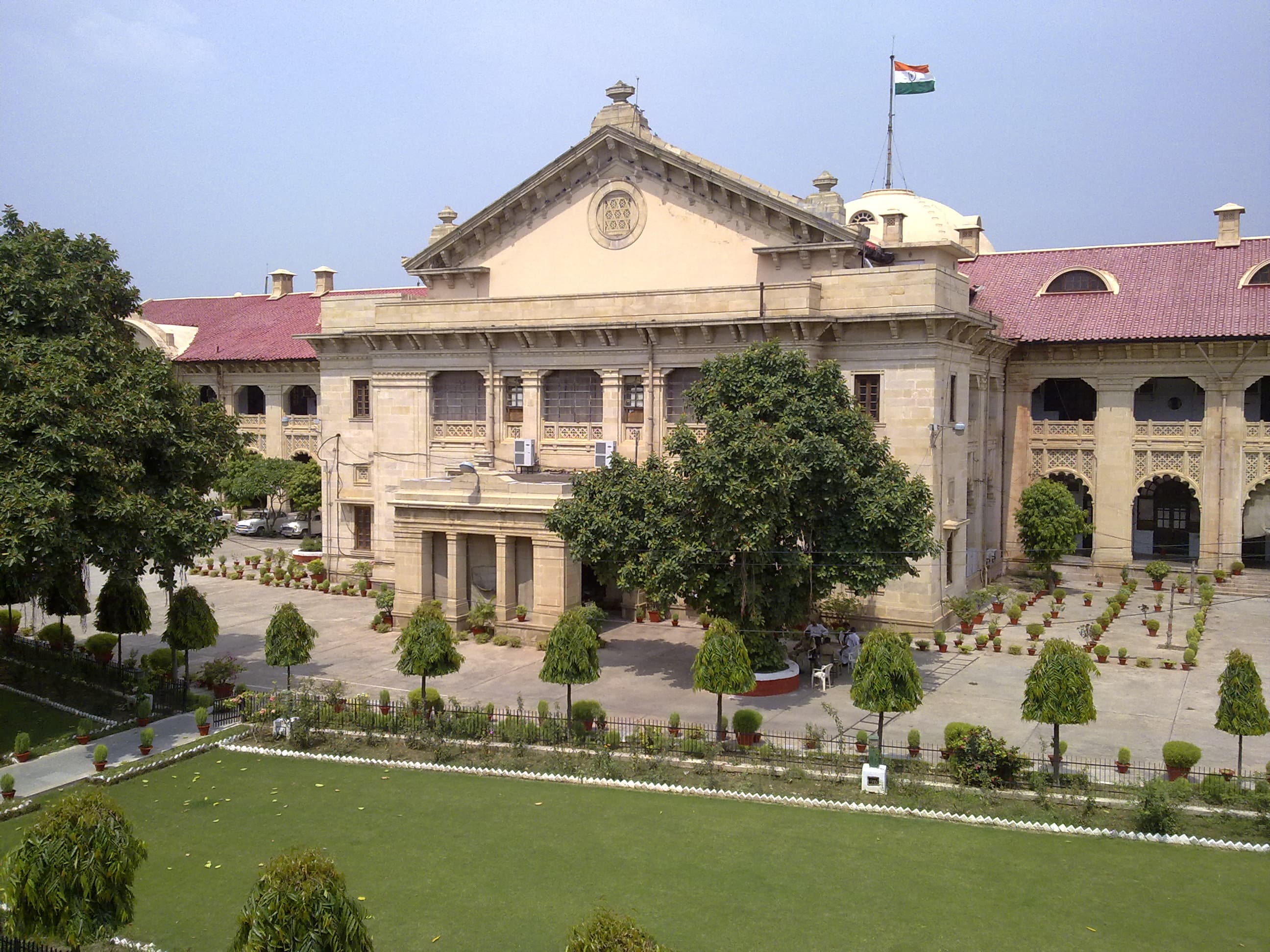
A wife securing a government job can be a valid "change in circumstances" that allows a husband to seek reduction — or even an end date — to the maintenance he pays. The Allahabad High Court reaffirmed this in January 2026, holding that once a wife obtains stable, salaried government employment, the maintenance fixed earlier under Section 125 CrPC (now Section 144 BNSS) can be modified under Section 127 CrPC (now Section 146 BNSS). This matters to thousands of families in Uttar Pradesh where maintenance orders run for years.
This does not mean maintenance vanishes automatically. The court still weighs the wife's actual income, the standard of living during marriage, and the needs of any children. This article explains the ruling, when a wife's employment counts as a changed circumstance, and how the modification petition works before the Lucknow Family Court. For a fact-specific assessment, our family and divorce lawyers in Lucknow can review your maintenance order and advise on the strongest ground.
Table of Contents
Need Immediate Legal Help?
If you're facing a legal emergency in Lucknow, don't wait. Contact experienced criminal lawyer Advocate Onkar Pandey for immediate assistance.
What the Allahabad High Court Held in 2026
- Maintenance under Section 125 CrPC is meant to prevent vagrancy and destitution, not to provide a permanent salary regardless of the wife's own income.
- Once the wife has a stable, salaried source of income, the financial dependency that justified the original order is reduced.
- The court can limit maintenance to the period before employment, reduce the monthly amount, or in some cases discontinue it from the date the salary begins.
Section 125 CrPC vs Section 127 CrPC — Award vs Modification
| Provision | Old Code | New Code (BNSS) | Purpose |
|---|---|---|---|
| Grant of maintenance | Section 125 CrPC | Section 144 BNSS | Original award to wife, children, parents |
| Alteration on changed circumstances | Section 127 CrPC | Section 146 BNSS | Increase, decrease, or cancel existing order |
| Recovery on default | Section 125(3) CrPC | Section 144(3) BNSS | Warrant and jail for arrears |
When a Wife's Employment Actually Reduces Maintenance
- Government or PSU job — strongest ground; salary is documented, regular, and pensionable.
- Permanent private employment — strong, if salary slips and appointment letter prove adequate earning.
- Contractual or part-time work — weaker; courts often treat irregular income as insufficient.
- Self-employment with unclear income — the husband bears the burden of proving the actual earnings.
Legal Consultation
Talk directly to Advocate Onkar Pandey
Explain your matter over a call or WhatsApp. If you take the case forward, the consultation fee adjusts into your overall fee, so there is no separate charge to begin.
Step-by-Step: Filing a Modification Petition in Lucknow
- Gather proof of the changed circumstance — appointment letter, salary slips, bank statements, or service records of the wife.
- File an application under Section 127 CrPC (Section 146 BNSS) before the court that passed the original maintenance order.
- Serve notice on the other party so they can respond and contest.
- Lead evidence — produce documents and, if needed, summon employer records to establish income.
- Arguments and order — the court decides whether to increase, reduce, cancel, or maintain the existing amount.
Mistakes That Cost Husbands and Wives Their Case
- Stopping payment unilaterally — never stop paying the moment your wife gets a job. Until the court modifies the order, arrears keep accruing and you risk a recovery warrant.
- Concealing income — a wife who hides employment, or a husband who hides a salary hike, loses credibility and may face an adverse order.
- Filing in the wrong forum — the petition goes to the court that passed the original order, not a fresh court.
- Weak documentation — vague claims of "she is now earning" fail. Bring concrete proof.
About the Author
Frequently Asked Questions
Does a wife's government job automatically cancel maintenance in UP?+
No. It does not cancel maintenance automatically. The Allahabad High Court held in January 2026 that a wife securing a government job is a "change in circumstances" under Section 127 CrPC (Section 146 BNSS), but the husband must file a modification petition and prove it. The court then decides whether to reduce, limit, or cancel the amount based on her actual income and the marital standard of living. Maintenance for minor children usually continues independently. Until the Family Court passes a modification order, the existing maintenance remains payable, so a husband must keep paying to avoid arrears and recovery proceedings.
Which section allows changing an existing maintenance order?+
Section 127 CrPC, now Section 146 BNSS, allows the court to alter an existing maintenance order on proof of a change in circumstances. This can mean an increase if the husband's income rises, or a decrease or cancellation if the wife becomes financially self-sufficient. The application is filed before the same court that passed the original order under Section 125 CrPC (Section 144 BNSS). Both spouses can use this provision — it is not a tool only for husbands. A wife whose husband's earnings have grown can also seek enhancement. The court hears both sides before deciding, and either party may appeal to the Allahabad High Court Lucknow Bench.
Can I stop paying maintenance the day my wife joins a job?+
No, you should never stop paying on your own. A maintenance order stays binding until a court modifies it. If you stop paying the day your wife joins a job, the unpaid amount becomes arrears, and your wife can file for recovery under Section 125(3) CrPC (Section 144(3) BNSS), which can lead to a warrant and even imprisonment for default. The correct step is to file a modification petition under Section 127 CrPC (Section 146 BNSS) and continue paying until the court reduces or cancels the amount. Consult a maintenance lawyer in Lucknow before changing anything to protect yourself from default proceedings.
What proof is needed to show the wife is now earning?+
You need concrete documentary proof, not assertions. The strongest evidence includes the wife's appointment letter, salary slips, bank statements showing regular salary credits, and government or PSU service records. If she is self-employed, income tax returns, business records, or GST filings may help, but proving self-employed income is harder and the burden falls on the husband. The court may also summon the employer's records. Vague claims that "she is working now" routinely fail. A part-time, contractual, or irregular income often does not qualify as sufficient. The clearer and more documented the income, the stronger the ground to modify maintenance before the Lucknow Family Court.
Will maintenance for my children also stop if my wife gets a job?+
Usually no. A parent's duty to maintain minor children is independent of the other spouse's income. Even if the wife's earnings justify reducing or ending her own maintenance, the children's share generally continues until they attain majority, and for a daughter often until marriage. The court may separate the order — lowering the wife's portion while keeping the children's intact. The amount for children depends on their needs, education costs, and the paying parent's capacity. So a husband seeking modification should expect the children's maintenance to survive even where his wife's component is reduced or cancelled. A family lawyer can structure the petition to address each component separately.
How long does a maintenance modification case take in Lucknow?+
A contested modification petition under Section 127 CrPC (Section 146 BNSS) typically takes several months because the other party is entitled to notice, a reply, and a chance to lead evidence. Simple, well-documented cases move faster; disputes over actual income take longer. The Lucknow Family Court fixes the effective date of any change — sometimes from the date of application, sometimes from when the salary began. If either party is dissatisfied, a revision or appeal lies before the Allahabad High Court Lucknow Bench. To avoid delays, file with complete documents and clear figures from the start, and keep paying the existing amount until the order is modified.
Related Services
Get Expert Legal Advice in Lucknow
20+ years experience in criminal law at Lucknow High Court. Available 24/7 for emergencies.
Disclaimer: This article is for general information purposes only and does not constitute legal advice. Every case is unique and requires specific legal analysis. For advice specific to your situation, please consult Advocate Onkar Pandey or another qualified attorney in Lucknow.