Husband's Obligation to Maintain Wife Does Not Extinguish Upon His Death: Allahabad HC Affirms Widowed Daughter-in-Law's Right
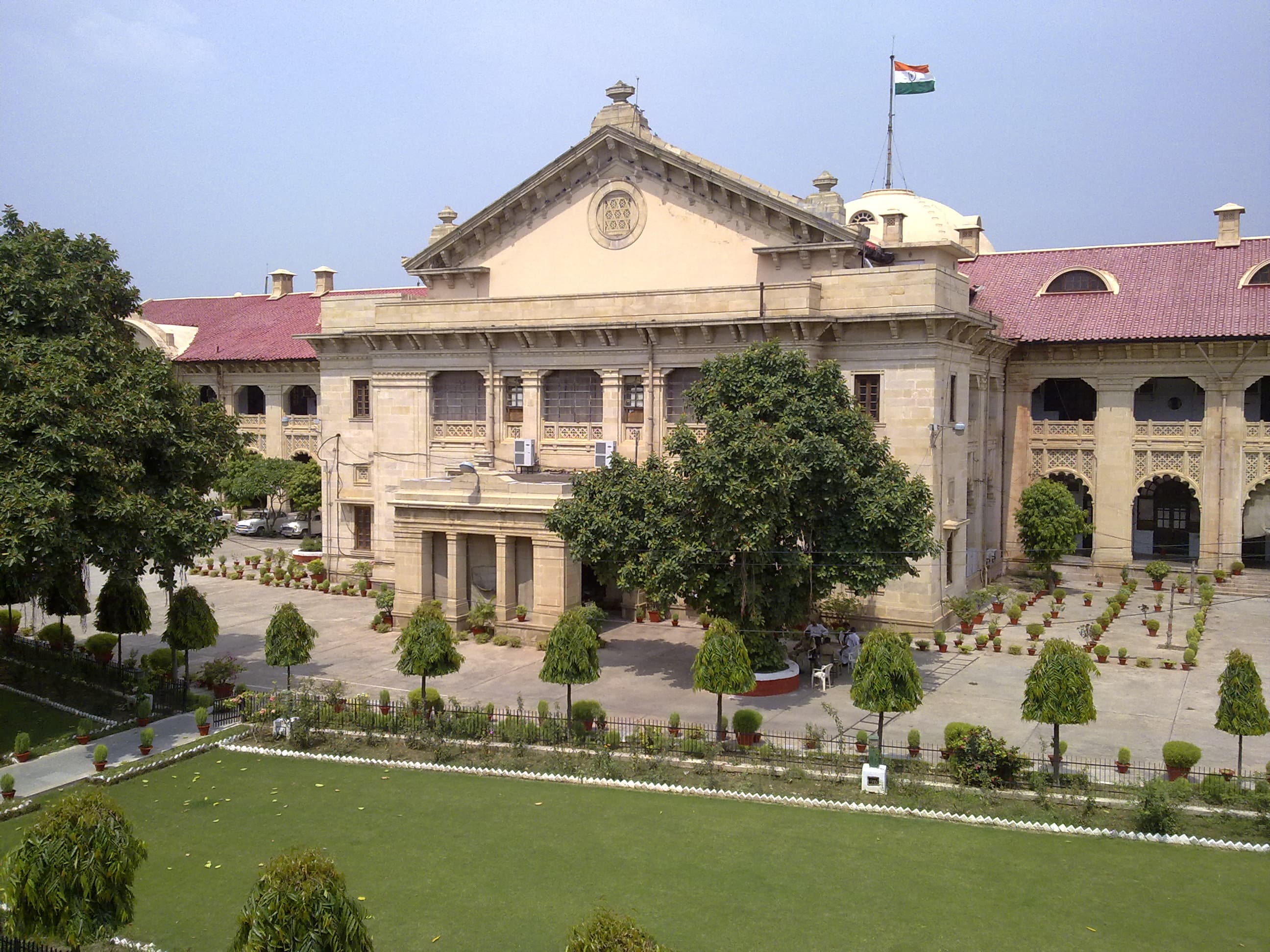
The Allahabad High Court (Lucknow Bench) in Akul Rastogi vs. Ishrat Bano (March 17, 2024) reaffirmed a vital legal principle: a husband's obligation to maintain his wife does not extinguish upon his death. This ruling empowers a widowed daughter-in-law to seek maintenance from her father-in-law under Section 19 of the Hindu Adoptions and Maintenance Act, 1956 (HAMA). Justice Subhash Vidyarthi held that the duty shifts to the father-in-law if the widow cannot maintain herself from her own earnings, her husband's estate, or her parents/children.
This landmark decision provides clarity for widows in Lucknow and across Uttar Pradesh facing financial insecurity after their husband's demise. The court emphasized that the father-in-law's liability arises only if he has sufficient means from ancestral or coparcenary property. For legal guidance on claiming maintenance under HAMA, consult Advocate Onkar Pandey, a seasoned family lawyer in Lucknow.
The judgment underscores that maintenance is a continuous right, not extinguished by death. Read on for a detailed analysis of the ruling, procedure, and conditions.
Table of Contents
Need Immediate Legal Help?
If you're facing a legal emergency in Lucknow, don't wait. Contact experienced criminal lawyer Advocate Onkar Pandey for immediate assistance.
Overview of the Allahabad HC Judgment (Akul Rastogi vs. Ishrat Bano)
The case originated when a widowed daughter-in-law filed a maintenance petition under Section 19 of HAMA against her father-in-law, Akul Rastogi. The father-in-law contended that his obligation ended with his son's death. The Allahabad High Court (Lucknow Bench) rejected this argument, holding that the husband's duty is a continuing one and shifts to the father-in-law under specific conditions.
The court relied on the plain language of Section 19(1) which states: “A Hindu wife, whether married before or after the commencement of this Act, shall be entitled to be maintained by her husband during her lifetime.” However, Explanation (c) clarifies that if the husband dies, the obligation passes to the father-in-law, provided the widow remains chaste and does not remarry.
| Key Aspect | Details |
|---|---|
| Case Name | Akul Rastogi vs. Ishrat Bano |
| Court | Allahabad High Court, Lucknow Bench |
| Date | March 17, 2024 |
| Citation | Judgment ID: 7629917 (Allahabad HC e-Court portal) |
| Primary Statute | Section 19, Hindu Adoptions and Maintenance Act, 1956 |
The judgment is a strong reaffirmation of the protective intent behind HAMA. It ensures that widowed daughters-in-law are not left destitute when their in-laws have adequate means.
- Key Principle: Husband's obligation to maintain wife does not end with his death.
- Transfer of Duty: Obligation shifts to father-in-law under Section 19 HAMA.
- Condition Precedent: Widow must prove inability to maintain herself and lack of support from husband's estate, parents, or children.
- Ceases on Remarriage: The father-in-law's liability stops if the widow remarries.
Legal Principle Under Section 19 of HAMA
Section 19 of the Hindu Adoptions and Maintenance Act, 1956 is the foundational provision. It states that a Hindu wife is entitled to maintenance from her husband during her lifetime. The Explanation to Section 19 explicitly provides that after the husband's death, the wife can claim maintenance from her father-in-law if she cannot maintain herself.
The Allahabad HC in Akul Rastogi vs. Ishrat Bano elaborated that the father-in-law's obligation is not absolute. It arises only when:
- The widow is unable to maintain herself from her own earnings or property.
- She cannot obtain maintenance from the estate of her deceased husband (including any inheritance or life insurance).
- She cannot get maintenance from her parents or her adult children.
- The father-in-law has sufficient means, especially from coparcenary or ancestral property.
The court further distinguished between personal liability of the father-in-law and liability flowing from the deceased husband's estate. If the father-in-law inherited property from his son, he must use that estate to support the widow first.
| Condition | Legal Basis |
|---|---|
| Widow unable to maintain herself | Section 19(1) read with Explanation (c) |
| Husband's estate insufficient | Section 19(2) – Obligation passes to heirs |
| Father-in-law has means | Section 19(2) – Liability limited to his capacity |
| Widow remarries | Obligation ceases (Section 19(3)) |
This framework ensures that the widow's right to maintenance is not extinguished by death, but rather shifts to those who benefited from the deceased husband's family property.
Procedure for Filing a Maintenance Petition in Lucknow Courts
If you are a widowed daughter-in-law seeking maintenance from your father-in-law in Lucknow, the process begins with filing a petition under Section 19 of HAMA before the Family Court, Lucknow (or the Civil Judge, Senior Division, in areas without dedicated family courts). The petition must clearly state your inability to maintain yourself, the financial status of the father-in-law, and that you have not remarried.
Here is a step-by-step guide:
- Consult a Lawyer: Engage an experienced family law advocate like Advocate Onkar Pandey who practices at Allahabad High Court Lucknow Bench and handles maintenance cases.
- Collect Documents: Include marriage certificate, husband's death certificate, proof of your income (or lack thereof), father-in-law's income/assets evidence, and any earlier correspondence.
- Draft Petition: Your lawyer will prepare a petition under Section 19 HAMA, detailing the conditions. Attach affidavits and supporting documents.
- File in Court: File the petition in the Family Court, Lucknow (or the appropriate civil court). Pay the prescribed court fees (see table below).
- Notice to Father-in-Law: The court issues notice to the father-in-law, who must file a written statement. Evidence is then recorded.
- Final Order: The court determines the monthly maintenance amount after hearing both sides. The amount is based on the father-in-law's means and the widow's needs.
The timeline from filing to final order typically ranges from 6 to 12 months in Lucknow family courts, but may extend if appealed to the Allahabad High Court.
| Item | Estimated Amount (₹) |
|---|---|
| Court Fees (filing HAMA petition) | ₹500 – ₹1,000 |
| Legal Fees (full trial, Lucknow) | ₹15,000 – ₹40,000 |
| Timeline (trial court) | 6 – 12 months |
| Appeal to High Court (if needed) | 12 – 24 months |
Legal Consultation
Talk directly to Advocate Onkar Pandey
Explain your matter over a call or WhatsApp. If you take the case forward, the consultation fee adjusts into your overall fee, so there is no separate charge to begin.
Comparison with Criminal Maintenance Under BNSS Section 126
While HAMA provides civil maintenance for Hindu widows, there is a parallel remedy under Section 125 of the Code of Criminal Procedure, 1973 (now replaced by Section 126 of the Bharatiya Nagarik Suraksha Sanhita (BNSS), 2023). However, maintenance under Section 126 BNSS (old CrPC 125) is available to wives, children, and parents, but not to widowed daughters-in-law against father-in-law. Only HAMA covers that.
The Allahabad HC judgment specifically dealt with HAMA, not criminal law. It is important to understand the differences:
| Aspect | HAMA Section 19 | BNSS Section 126 (old CrPC 125) |
|---|---|---|
| Who can claim | Widowed daughter-in-law against father-in-law | Wife, children, parents; not daughter-in-law |
| Nature | Civil remedy | Criminal/ summary proceeding |
| Limitation | No limitation period | Must apply within reasonable time |
| Quantum | Based on needs and father-in-law's means | Maximum ₹5,000 per month (usually higher by court discretion) |
| Enforcement | Civil execution (attachment, sale) | Warrant, imprisonment for default |
Thus, a widowed daughter-in-law cannot rely on BNSS Section 126. Her remedy is exclusively under HAMA. The Allahabad HC in Akul Rastogi vs. Ishrat Bano clarified that the father-in-law cannot escape liability by arguing that the widow could file a criminal case; the civil obligation stands independent of criminal remedies.
Frequently Asked Questions
Here are common queries from widowed daughters-in-law seeking maintenance from their fathers-in-law in Lucknow and across Uttar Pradesh.
About the Author
Advocate Onkar Pandey is a practicing lawyer at the Allahabad High Court Lucknow Bench with over 25 years of experience in criminal law, bail matters, FIR quashing, and family law. Enrolled with the Bar Council of Uttar Pradesh (No. UP/4825/1999), he provides expert legal guidance to clients across Uttar Pradesh from his chamber at A-406, High Court, Lucknow. For a consultation on widowed daughter-in-law maintenance under HAMA, contact Advocate Onkar Pandey at +91 98392 71553.
Frequently Asked Questions
Can a widowed daughter-in-law claim maintenance from her father-in-law after her husband's death?+
Yes, under Section 19 of the Hindu Adoptions and Maintenance Act, 1956, a widowed daughter-in-law can claim maintenance from her father-in-law if she is unable to maintain herself from her own earnings or property, cannot obtain maintenance from her deceased husband's estate, and the father-in-law has sufficient means. This was reaffirmed by the Allahabad High Court in Akul Rastogi vs. Ishrat Bano (March 17, 2024, Judgment ID: 7629917).
What conditions must be met for the father-in-law to be liable?+
The father-in-law is liable only if (1) the widow is unable to maintain herself; (2) she cannot get maintenance from her husband's estate, her parents, or her children; (3) she has not remarried; and (4) the father-in-law has sufficient means, typically from ancestral or coparcenary property. The obligation ceases if the widow remarries.
Is there any time limit to file a maintenance petition under HAMA?+
No, the Hindu Adoptions and Maintenance Act does not prescribe a specific limitation period for filing a maintenance petition. However, courts expect the petition to be filed within a reasonable time from the date the need arises. Delay may be explained. It is advisable to file as soon as possible to avoid evidentiary issues.
How much maintenance can a widowed daughter-in-law claim?+
The amount is determined by the court based on the widow's needs (food, clothing, shelter, medical expenses) and the father-in-law's financial capacity. The court may consider the standard of living during the husband's lifetime. There is no fixed maximum under HAMA. Typical monthly amounts in Lucknow family courts range from ₹2,000 to ₹15,000 depending on facts.
What if the father-in-law refuses to pay despite a court order?+
If the father-in-law disobeys a court order for maintenance, the widow can file an execution petition. The court can attach his salary, bank accounts, or even sell his property to recover the arrears. In rare cases, contempt of court proceedings may be initiated, leading to fine or imprisonment.
Can the father-in-law claim that the widow should file under BNSS Section 126 instead?+
No, because BNSS Section 126 (old CrPC 125) does not provide for maintenance of a widowed daughter-in-law against her father-in-law. That section covers wives, children, and parents, but not daughters-in-law. The only remedy for a widowed daughter-in-law is under HAMA Section 19.
Is the father-in-law liable if the widow has children who can support her?+
No. If the widow has adult children who are capable of maintaining her, the father-in-law's obligation does not arise. The widow must first seek maintenance from her children. Only if they are unable or unwilling to support her can she claim from the father-in-law.
Related Services
Get Expert Legal Advice in Lucknow
20+ years experience in criminal law at Lucknow High Court. Available 24/7 for emergencies.
Disclaimer: This article is for general information purposes only and does not constitute legal advice. Every case is unique and requires specific legal analysis. For advice specific to your situation, please consult Advocate Onkar Pandey or another qualified attorney in Lucknow.