Tenant Adverse Possession in UP: What the Supreme Court 2026 Ruling Means for Lucknow Property Owners
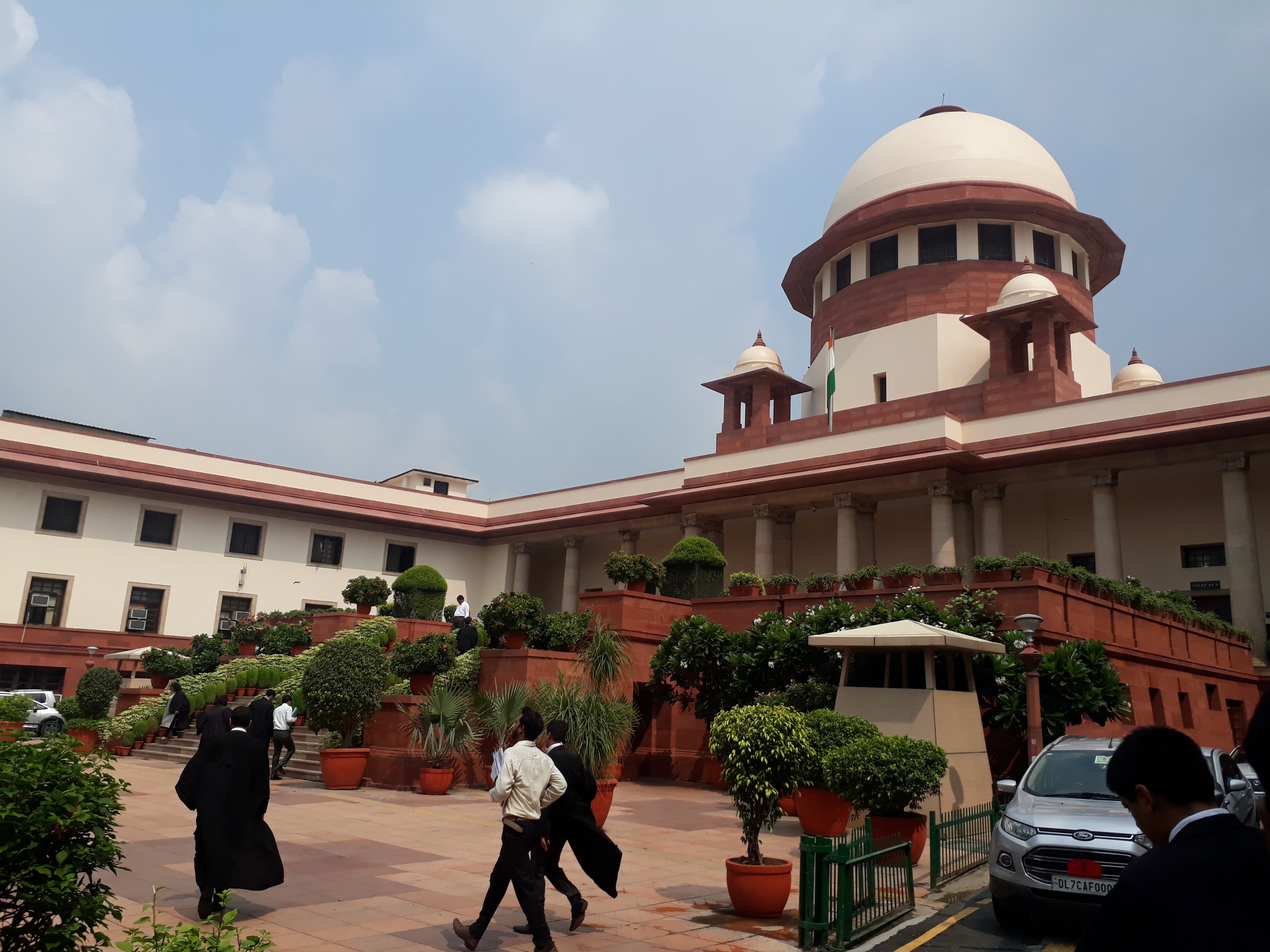
Tenant adverse possession is one of the most misunderstood corners of Indian property law, and a January 2026 ruling from the Supreme Court has now drawn a hard line. In Jyoti Sharma v. Vishnu Goyal, the Court held that a tenant can never become the owner of rented premises by adverse possession, no matter how long they have lived there or how long rent has gone unpaid. For thousands of Lucknow and Uttar Pradesh property owners stuck with old tenants who claim "we have been here for forty years," this is a landmark course-correction.
This guide explains what the 2026 ruling actually decided, how adverse possession works under Indian law, and the practical steps every UP landlord and heir should take to protect their property title. If your tenant is refusing to vacate or threatening an ownership claim, you should consult a Lucknow High Court property lawyer immediately.
Table of Contents
Need Immediate Legal Help?
If you're facing a legal emergency in Lucknow, don't wait. Contact experienced criminal lawyer Advocate Onkar Pandey for immediate assistance.
What the Supreme Court 2026 Ruling Actually Held
The dispute in Jyoti Sharma v. Vishnu Goyal traced back to 1953. The tenant had stopped paying rent in the 1980s, continued in possession for decades, and argued that the landlord's inaction converted his tenancy into ownership through adverse possession. The Supreme Court rejected this outright in January 2026.
The Court's reasoning rested on a simple distinction. A tenant is in permissive possession — he is on the premises because the owner allowed him in. Adverse possession requires possession that is hostile to the true owner. Permission and hostility cannot coexist.
- A tenancy creates a landlord-tenant relationship, not a stranger relationship.
- Mere non-payment of rent does not convert permissive possession into adverse possession.
- The landlord's failure to file an eviction suit earlier does not extinguish title — it only delays the remedy.
- Even decades of occupation cannot ripen into ownership where the original entry was lawful and permissive.
For Lucknow landlords, this ruling closes a door that many problem tenants relied on as a bluff. The Court called it a "major victory for property owners," and the principle now binds every civil court and the Allahabad High Court Lucknow Bench.
How Adverse Possession Works Under Indian Law
Adverse possession is governed by the Limitation Act, 1963. A trespasser who openly occupies someone else's land for a continuous statutory period can extinguish the true owner's title and become the new owner. The period and conditions are strict.
| Type of Land | Limitation Period | Governing Provision |
|---|---|---|
| Private property | 12 years | Article 65, Limitation Act 1963 |
| Government / public land | 30 years | Article 112, Limitation Act 1963 |
| Tenanted property | Not applicable | SC ruling 2026 — permissive possession |
To succeed, a claimant must prove possession that is open, continuous, hostile, exclusive and to the knowledge of the true owner — the well-known "nec vi, nec clam, nec precario" test. The 2026 ruling makes it clear that a tenant fails the "hostile" leg from day one, because his entry itself was with the owner's permission.
Why This Matters for Lucknow and UP Landlords
Uttar Pradesh has one of the largest stocks of old tenancies in India — Hazratganj, Aminabad, Chowk, Aliganj, Gomti Nagar, Kanpur, Varanasi, Allahabad, Agra and Bareilly are full of tenancies created in the 1950s, 60s and 70s. Many tenants stopped paying rent decades ago and now occupy shops and houses worth crores.
Before this ruling, such tenants regularly threatened landlords with adverse possession to delay eviction or extract settlement money. The 2026 judgment shuts that door. But landlords still face real procedural challenges in property disputes:
- UP Urban Buildings (Regulation of Letting, Rent and Eviction) Act, 1972 still governs old tenancies and restricts grounds for eviction.
- Eviction must be sought before the prescribed authority or civil court — police cannot evict.
- Time to disposal at Lucknow civil courts is typically 4–8 years for contested eviction suits.
- Heirs of original landlords often lack the original rent agreement, complicating proof.
The Supreme Court has removed one defence the tenant can raise — but the landlord still has to file, prove and execute.
Legal Consultation
Talk directly to Advocate Onkar Pandey
Explain your matter over a call or WhatsApp. If you take the case forward, the consultation fee adjusts into your overall fee, so there is no separate charge to begin.
Step-by-Step: How a Lucknow Landlord Should Act
If you are a landlord facing a tenant who refuses to pay rent or hints at an ownership claim, follow this sequence carefully. A wrong first step often costs years.
- Reconstruct documents. Locate the rent agreement, rent receipts, mutation entries, property tax receipts and electricity bills in the landlord's name. Even old khata records help.
- Send a legal notice. A properly drafted notice under Section 106 of the Transfer of Property Act terminates monthly tenancy and starts the clock for eviction.
- File a release / eviction application. Under the UP Rent Act, file before the prescribed authority. For premises outside the Rent Act, file a civil suit for possession and mesne profits.
- Sue for arrears separately. A money decree for unpaid rent can be obtained alongside, often used to apply pressure during settlement.
- Avoid self-help. Never cut electricity, change locks, or use force — that exposes you to FIR and criminal prosecution.
For sensitive cases involving senior citizens, heirs in dispute, or commercial premises in Hazratganj/Aminabad, a tailored litigation strategy from a senior Lucknow advocate is essential.
When Can a Tenant Still Claim Ownership?
The 2026 ruling does not mean a former tenant can never own the property. There are narrow but real situations where ownership shifts lawfully.
- Registered sale deed from the landlord to the tenant — the cleanest route.
- Gift deed executed by the landlord, properly stamped and registered.
- Will in favour of the tenant, probated where required.
- Court decree recognising the tenant as the rightful owner on independent grounds (for example, specific performance of an agreement to sell).
- Abandonment by the landlord coupled with denial of title — but this is fact-specific and rarely succeeds.
In all these cases, the tenant's possession changes character — from permissive to ownership-based — through a lawful instrument, not by silent occupation. The Supreme Court was emphatic that silence does not transfer title.
Adverse Possession Against Strangers and the Government
Outside the landlord-tenant context, adverse possession is alive but increasingly narrow. The Supreme Court in Ravinder Kaur Grewal v. Manjit Kaur (2019) confirmed that adverse possession can be used both as a sword and a shield by a private occupant against the true owner — after 12 years of hostile, open, exclusive possession.
Against the government, the bar is much higher:
| Claim | Required Period | Practical Success Rate |
|---|---|---|
| Against private owner (stranger) | 12 years | Moderate, fact-specific |
| Against UP government / municipal land | 30 years | Very low — courts disfavour such claims |
| Against tenant's own landlord | Barred after 2026 ruling | Nil |
The Court has repeatedly observed that adverse possession should not become a "premium for dishonesty." If you are defending a property against a trespasser, file a civil suit for possession before the 12-year window closes. Once it closes, the legal terrain shifts dramatically.
Documents Every UP Landlord Should Keep on File
Litigation outcomes turn on documents. A clean paper trail is what converts the 2026 ruling from a theoretical win into a real recovery of possession. Maintain the following at all times.
- Original title deed — sale deed, gift deed, partition deed or will
- Mutation extract from the nagar nigam or tehsil records
- Property tax receipts for the past 12 years, in the landlord's name
- Rent agreement — even a 50-year-old one is gold
- Rent receipts issued, and the counterfoil book
- Electricity and water bills in the landlord's name (or, if in tenant's name, the original sanction in landlord's name)
- Notice copies and postal acknowledgements of every demand sent to the tenant
If documents are missing, a property lawyer can help reconstruct title through certified copies from the sub-registrar, RTI applications to the municipality, and old khata records. This rebuilding exercise is often the difference between winning and losing a Lucknow eviction suit.
Common Mistakes That Sink Landlord Cases in Lucknow
Even after the 2026 ruling, landlords lose cases in UP courts for avoidable reasons. Watch out for these traps.
- Accepting rent after termination notice — this revives the tenancy and resets the clock.
- Filing the wrong forum — premises under the UP Rent Act must go to the prescribed authority, not the civil court.
- Vague pleadings — failing to plead the date of tenancy, the rate of rent, and the grounds for eviction with specifics.
- Forgetting mesne profits — not claiming use and occupation charges for the unauthorised period after termination.
- Self-help evictions — locking out a tenant invites a counter-FIR and a stay on the civil suit.
- Ignoring co-owner consent — if the property is jointly owned, all co-owners must be on record.
A measured legal strategy, drafted by an advocate familiar with the Lucknow Bench and the local civil courts, prevents these errors. For complex or high-value matters, a consultation with Advocate Onkar Pandey is the right starting point.
About the Author
Advocate Onkar Pandey is a practising lawyer at the Allahabad High Court Lucknow Bench (Bar Council UP 4825-1999) with over two decades of experience in property disputes, tenancy law, criminal defence and civil litigation. He has represented landlords, tenants, heirs and builders in matters ranging from old Hazratganj tenancies to contemporary Gomti Nagar title disputes, and regularly advises clients across Uttar Pradesh on the practical impact of recent Supreme Court rulings. For tailored guidance on tenant adverse possession claims, eviction strategy, or any property dispute in Lucknow or UP, contact Advocate Onkar Pandey for a first consultation.
Frequently Asked Questions
Can a tenant claim ownership of a Lucknow property after living there for 30 years?+
No. The Supreme Court in January 2026 held in Jyoti Sharma v. Vishnu Goyal that a tenant can never acquire ownership through adverse possession, however long the occupation. The tenant's possession is permissive — granted by the landlord — and adverse possession requires hostile possession against the true owner. Even non-payment of rent for decades does not convert the tenancy into ownership. The landlord can still file an eviction suit under the UP Urban Buildings (Regulation of Letting, Rent and Eviction) Act, 1972 or a civil suit for possession. The only way a tenant can become the owner is through a registered sale deed, gift deed, will or a court decree based on independent grounds — never through silent occupation.
What is the limitation period for adverse possession in Uttar Pradesh?+
Under the Limitation Act, 1963, the period is 12 years for adverse possession against a private owner (Article 65) and 30 years for claims against government or municipal land (Article 112). The clock starts when the occupier's possession becomes openly hostile to the true owner. After the 2026 Supreme Court ruling, this limitation does not apply at all to a tenant-landlord relationship, because permissive possession can never become hostile by mere passage of time. UP landlords who have inherited old properties should file eviction or possession suits as soon as a dispute arises, rather than waiting — delay does not help the landlord, even if it cannot ripen into the tenant's ownership.
What is the first legal step a landlord should take if a Lucknow tenant refuses to vacate?+
Send a properly drafted legal notice terminating the tenancy under Section 106 of the Transfer of Property Act, 1882. The notice should specify the grounds (arrears, bona fide need, sub-letting, or material alteration), demand vacant possession, and give the statutory notice period. Keep proof of dispatch — registered post with acknowledgement due, plus email and WhatsApp wherever possible. Do not accept rent after this notice, as acceptance can revive the tenancy. After the notice period expires, file a release application before the prescribed authority under the UP Rent Act, 1972, or a civil suit for possession and mesne profits in the appropriate civil court at Lucknow. Self-help — cutting electricity or changing locks — is strictly avoided.
Does the 2026 ruling apply retrospectively to ongoing eviction suits at Lucknow Bench?+
Yes. A Supreme Court ruling on the interpretation of existing law applies to all pending cases unless the Court itself limits it prospectively. The 2026 judgment in Jyoti Sharma v. Vishnu Goyal did not limit its operation, so every pending matter at the Allahabad High Court Lucknow Bench, the civil courts in Lucknow, and the prescribed authorities under the UP Rent Act must apply the principle. Landlords currently litigating against tenants who have pleaded adverse possession should immediately bring this ruling to the court's notice and seek dismissal of that defence. If the case has already been decided against the landlord on adverse possession grounds and the appeal window is open, a review or appeal grounded in this judgment is worth exploring.
Can adverse possession still be claimed against a neighbour's land in UP?+
Yes, but only in narrow circumstances. Adverse possession against a private owner (a stranger, not a landlord) still requires 12 years of open, continuous, hostile, exclusive possession to the knowledge of the true owner. The Supreme Court in Ravinder Kaur Grewal v. Manjit Kaur (2019) recognised that this can be used both defensively and as a sword. However, courts in UP increasingly scrutinise such claims, especially where the occupier's entry was permissive (caretaker, licensee, family member). For encroachment by a neighbour onto your land, file a civil suit for possession and a declaration of title well before the 12-year mark — once the limitation expires, the legal position becomes much harder to reverse.
How long does an eviction case take in Lucknow civil courts?+
Contested eviction suits at Lucknow civil courts typically take 4 to 8 years from filing to trial court decree, and another 2 to 5 years if there is an appeal to the District Judge and the Allahabad High Court Lucknow Bench. Cases under the UP Rent Act before the prescribed authority are usually faster — 2 to 4 years — because the Act prescribes summary procedure. Execution of the decree (actual physical possession through a court amin) can add 6 months to 2 years more. Factors that speed things up: clean documentation, a well-drafted plaint, and consistent appearances. Factors that delay: unnecessary adjournments, multiple legal heirs being added, and parallel criminal cases. A focused litigation plan from an experienced property lawyer significantly shortens the timeline.
What documents prove my title if I have lost the original sale deed?+
A lost original sale deed is rarely fatal. Apply for a certified copy from the office of the sub-registrar where the deed was registered — this is admissible in court as secondary evidence. Supplement it with: mutation records from the nagar nigam or tehsil, the latest property tax receipts in your name, electricity and water bills, any older deeds in the chain of title, succession certificate or probate if you inherited the property, and bank loan documents if the property was ever mortgaged. File an FIR or general diary entry recording the loss. In a Lucknow civil suit, a certified copy plus revenue and municipal records is generally sufficient to establish title. A property lawyer can also file an RTI application to extract older records when needed.
Related Services
Get Expert Legal Advice in Lucknow
20+ years experience in criminal law at Lucknow High Court. Available 24/7 for emergencies.
Disclaimer: This article is for general information purposes only and does not constitute legal advice. Every case is unique and requires specific legal analysis. For advice specific to your situation, please consult Advocate Onkar Pandey or another qualified attorney in Lucknow.