Preferential Right of Class I Heirs Under Section 22 of Hindu Succession Act Extends to Agricultural Property: Supreme Court Ruling 2026
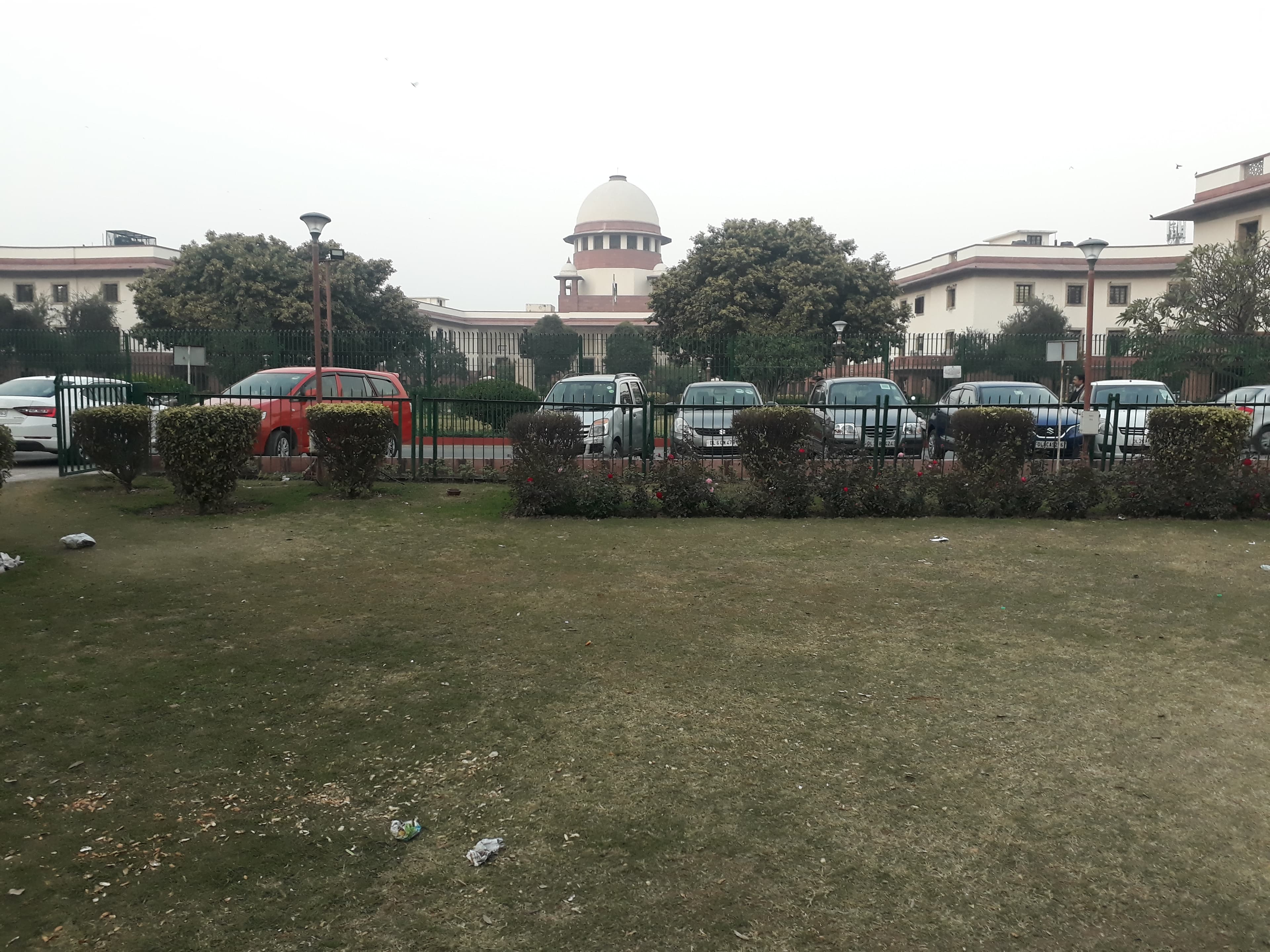
The Supreme Court of India in July 2026 delivered a landmark judgment in Mahinder & Ors. v. Puran Singh (2026 LiveLaw (SC) 675), reaffirming that Section 22 of the Hindu Succession Act, 1956 – which grants Class I heirs a preferential right to purchase immovable property proposed for transfer by a co-heir – applies to agricultural land as well. This ruling settles a long-standing debate, especially in states like Uttar Pradesh where agricultural property is the primary asset for many families. For residents of Lucknow and across UP, this judgment directly impacts how inheritance disputes involving farmland are resolved. If you are a co-heir facing a sale by another heir, understanding your preferential right is crucial to protect your share. Consult a property dispute lawyer in Lucknow for guidance.
Table of Contents
Need Immediate Legal Help?
If you're facing a legal emergency in Lucknow, don't wait. Contact experienced criminal lawyer Advocate Onkar Pandey for immediate assistance.
Understanding Section 22 of the Hindu Succession Act, 1956
Section 22 of the Hindu Succession Act provides that when a Class I heir intends to transfer his or her share in the immovable property inherited from a deceased Hindu, the other Class I heirs have a preferential right to acquire that share at a price to be determined by mutual agreement or, failing that, by the court. This right is akin to a right of pre-emption, but the Supreme Court has clarified it is a succession law provision, not a pre-emption law.
The key requirements are:
- The property must be inherited by Class I heirs under the Hindu Succession Act.
- The proposing heir must notify the other co-heirs about the proposed transfer and the price.
- The other heirs have one month from the date of notice to express their willingness to purchase.
- If multiple heirs exercise the right, the court may allot the share proportionately or by auction.
Until recently, there was confusion whether this provision applies to agricultural land, especially in states like Uttar Pradesh that have their own land laws. The Supreme Court has now settled the issue.
The 2026 Supreme Court Judgment: Mahinder & Ors. v. Puran Singh
In Mahinder & Ors. v. Puran Singh (2026 LiveLaw (SC) 675), the Supreme Court was dealing with a dispute over agricultural land in Himachal Pradesh. The appellants, who were co-heirs, argued that Section 22 does not apply to agricultural land because states have exclusive legislative competence over agriculture under Entry 18 of the State List. The Court rejected this argument, holding that Section 22 is a law on succession (Entry 5 of the Concurrent List) and not on pre-emption or land tenure.
The Court relied on its earlier decision in Prof. R.K. Vijayasarathy v. Sudha Seetharam (2019 INSC 335), which had already ruled that after the 2005 amendment omitting Section 4(2) of the Hindu Succession Act, the Act applies to all immovable property, including agricultural land, in states that do not have their own enacted legislation on agricultural succession. Since UP has not enacted any law regulating succession to agricultural land (the Uttar Pradesh Zamindari Abolition and Land Reforms Act deals with land tenure, not succession), the Hindu Succession Act, including Section 22, remains applicable.
| Key Point | Supreme Court (2026) Holding |
|---|---|
| Nature of Section 22 | A succession provision, not pre-emption – Parliament has competence |
| Applicability to agricultural land | Yes – it applies to all immovable property inherited by Class I heirs |
| Relevant for UP | Since UP has no separate succession law for agriculture, HSA governs |
| Overrules earlier HC views | Any conflicting Allahabad High Court decision stands impliedly overruled |
Impact on Agricultural Property in Uttar Pradesh and Lucknow
The Allahabad High Court had previously taken a different view, holding that agricultural land falls exclusively within the domain of the State Legislature and that the Hindu Succession Act does not govern succession to agricultural land in UP (see pre-2020 decisions). This created a jurisdictional conflict for litigants in Lucknow and other UP districts. The 2026 Supreme Court judgment effectively overrules that position, making Section 22 enforceable across UP for agricultural property as well.
For farm families in Lucknow, this means:
- If you are a Class I heir (son, daughter, widow, mother, etc.) and another co-heir wants to sell their share of inherited farmland, you have the right to buy it first at a fair price.
- You must act within one month of receiving notice – otherwise you lose the right.
- If the sale has already happened without notice, you can challenge the transfer in court and seek restoration of your preferential right.
This ruling particularly benefits widows and daughters who may be pressured by male relatives to accept cash instead of land. The preferential right ensures they can retain the family land if they wish.
Legal Consultation
Talk directly to Advocate Onkar Pandey
Explain your matter over a call or WhatsApp. If you take the case forward, the consultation fee adjusts into your overall fee, so there is no separate charge to begin.
How to Exercise Your Preferential Right Under Section 22
If you are a Class I heir and learn that a co-heir is planning to sell their share of inherited immovable property (including agricultural land), follow these steps to protect your right:
- Act promptly – The law gives you only one month from the date of notice. If you delay, you may forfeit the right.
- Communicate in writing – Send a registered letter or email stating your intention to purchase the share at the offered price or at a price to be fixed by the court.
- Seek court intervention if needed – If the co-heir refuses, file a civil suit under Section 22 before the Civil Judge (Senior Division) in Lucknow or the appropriate court where the property is situated.
- Get a valuation – If the price is disputed, the court may appoint a valuer. Alternatively, you can negotiate a mutually agreeable price.
- Prepare to pay – You must be ready to pay the price within the time fixed by the court.
Note that this right is not automatic – you must take positive steps. If the property is already sold to a third party without your knowledge, you can file a suit for declaration and cancellation of the sale deed. However, such cases are complex and require immediate legal assistance.
Contact a property dispute lawyer in Lucknow to evaluate your case.
Practical Implications for Property Transactions in Lucknow and UP
The Supreme Court’s ruling means that any sale of inherited agricultural land by a co-heir in UP must now comply with Section 22. Buyers, too, must exercise caution: purchasing agricultural land from a single co-heir without ensuring that the other Class I heirs have been given the opportunity to exercise their preferential right can lead to the sale being declared void.
Key takeaways for different stakeholders:
| Stakeholder | Action Required |
|---|---|
| Co-heir wishing to sell share | Send written notice to all other Class I heirs specifying the price and giving 1 month to exercise right |
| Other Class I heirs | Respond in writing within 1 month; if you want to buy, communicate price acceptance or request court-fixed price |
| Third-party buyer | Insist on seeing notice to co-heirs and their written refusal or lapse before paying full consideration |
| Lawyer / Notary | Ensure compliance with Section 22 procedure to avoid future litigation |
In Lucknow district courts, there may be an increase in declaratory suits under Section 22. The Family Court at Lucknow does not have jurisdiction over property partition suits; these are filed in Civil Court (Senior Division) or the Allahabad High Court (Lucknow Bench) for original side matters. If you are already involved in a property dispute, this judgment strengthens your position to claim preferential right.
Conclusion
The Supreme Court’s 2026 decision in Mahinder & Ors. v. Puran Singh brings much-needed clarity for Class I heirs across India, including those in Uttar Pradesh. The preferential right under Section 22 now unequivocally extends to agricultural land, overriding any contrary High Court views. This is a significant victory for family property rights, particularly for women who are often denied a share in ancestral farmland.
If you are a co-heir facing a sale of inherited property in Lucknow or any part of UP, you must act swiftly to protect your right. Seek expert legal advice from a property disputes lawyer who can guide you through the process of issuing notice, negotiating price, or filing a civil suit. Similarly, if you are buying agricultural land from a co-heir, ensure that all procedural requirements under Section 22 have been met to avoid future litigation.
About the Author
Advocate Onkar Pandey is a practicing lawyer at the Allahabad High Court Lucknow Bench with over 25 years of experience in criminal law, bail matters, FIR quashing, and family law. Enrolled with the Bar Council of Uttar Pradesh (No. UP/4825/1999), he provides expert legal guidance to clients across Uttar Pradesh from his chamber at A-406, High Court, Lucknow. For a consultation on property disputes and succession rights, contact Advocate Onkar Pandey at +91 98392 71553.
Frequently Asked Questions
What is the preferential right under Section 22 of the Hindu Succession Act?+
Section 22 gives a Class I heir the right to purchase the share of another Class I heir in inherited immovable property before it is sold to an outsider. The right must be exercised within one month of receiving notice. If the heirs cannot agree on a price, the court determines it. This right now applies to agricultural land as well, as per the 2026 Supreme Court judgment.
Does Section 22 apply to agricultural land in Uttar Pradesh after the 2026 Supreme Court judgment?+
Yes. The Supreme Court in Mahinder & Ors. v. Puran Singh (2026) held that Section 22 applies to all immovable property, including agricultural land. Since Uttar Pradesh has no separate succession law for agricultural land, the Hindu Succession Act governs. Any earlier Allahabad High Court decisions to the contrary are impliedly overruled.
What is the time limit to exercise the preferential right under Section 22?+
The Class I heir must exercise the right within one month from the date of notice given by the co-heir proposing to transfer his/her share. If no notice is given, the right may be enforced after the sale, but the court will consider the facts. It is advisable to file a civil suit immediately upon learning of the proposed sale.
What happens if more than one Class I heir wants to buy the share?+
If multiple heirs exercise the preferential right, the court may either divide the share proportionately among them or direct an auction sale among the interested heirs. The court will decide based on the circumstances to ensure fairness.
Can the preferential right be waived or lost?+
Yes. If a Class I heir fails to respond within one month of notice, or expressly refuses to purchase, the right is lost. Similarly, if the heir does not deposit the purchase price within the time fixed by the court, the right lapses.
What remedy does a Class I heir have if the property is already sold to a third party without giving notice?+
The affected heir can file a civil suit for declaration that the sale is void and for cancellation of the sale deed. The court may also order the third party to reconvey the property to the heir upon payment of the sale price. However, the outcome depends on whether the buyer acted in good faith. Immediate legal action is crucial.
Should I consult a lawyer before buying agricultural land from a co-heir?+
Absolutely. To avoid future litigation, ensure that the seller has given proper notice under Section 22 to all other Class I heirs and that they have either declined or remained silent for one month. A property lawyer can verify compliance and draft the sale deed accordingly. Contact Advocate Onkar Pandey for a property dispute consultation in Lucknow.
Related Services
Get Expert Legal Advice in Lucknow
20+ years experience in criminal law at Lucknow High Court. Available 24/7 for emergencies.
Disclaimer: This article is for general information purposes only and does not constitute legal advice. Every case is unique and requires specific legal analysis. For advice specific to your situation, please consult Advocate Onkar Pandey or another qualified attorney in Lucknow.