Supreme Court RTE Admission: Schools Cannot Refuse State Allotment
Quick Answer
RTE admission laws in India ensure that every child has the right to free and compulsory education. Recently, the Supreme Court of India ruled that once the state allots a student to a neighborhood school, that school cannot refuse admission.
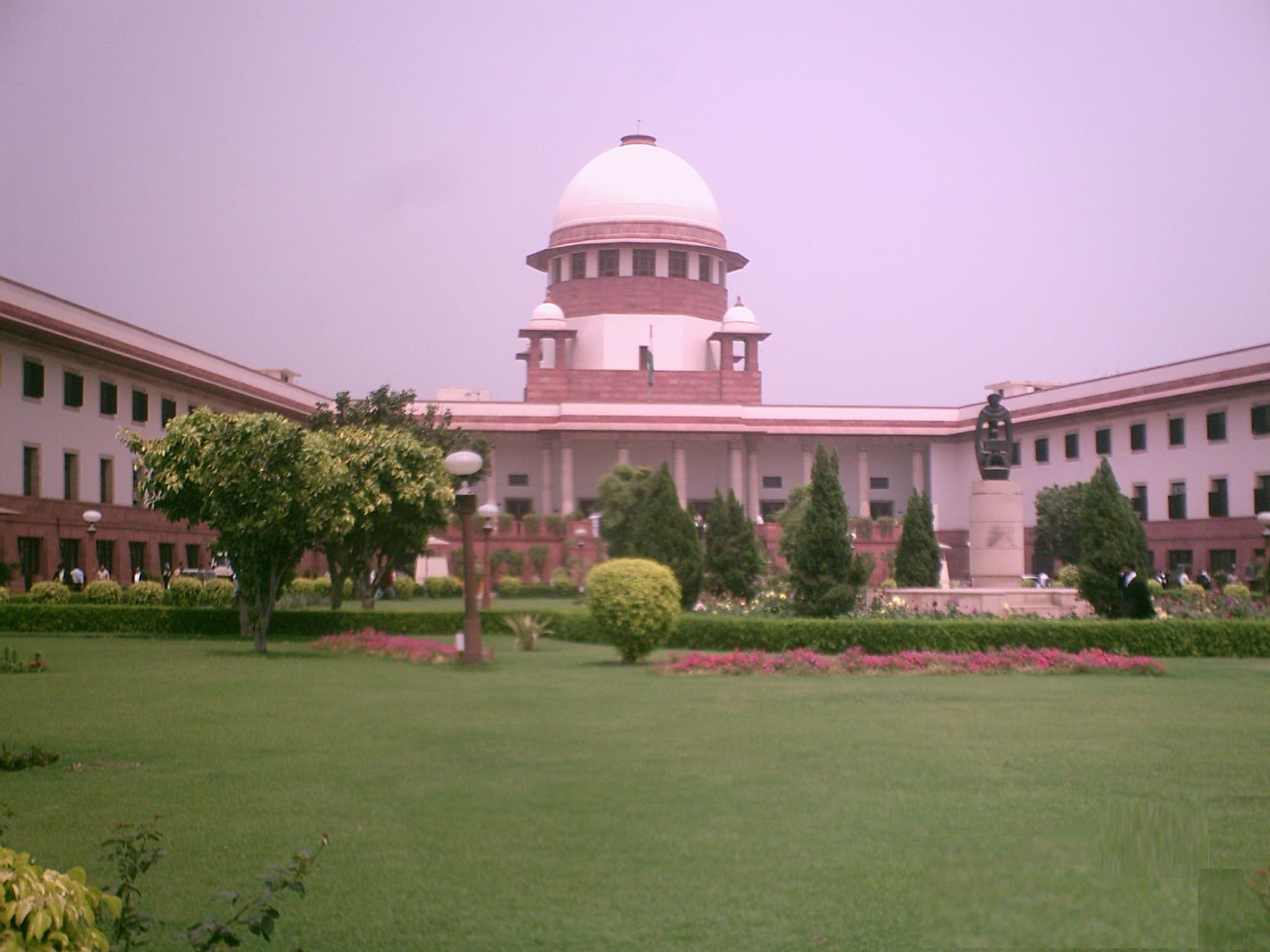
Table of Contents
Need Immediate Legal Help?
If you're facing a legal emergency in Lucknow, don't wait. Contact experienced criminal lawyer Advocate Onkar Pandey for immediate assistance.
Understanding the Right to Education Act
The Right to Education Act, enacted in 2009, mandates free and compulsory education for children aged 6 to 14 years. It aims to ensure that every child can access quality education without discrimination. Key provisions include:
- Free Education: No child shall be denied admission based on financial status.
- Neighborhood Schools: Children are to be admitted to schools within a specified distance from their residence.
- Non-Discrimination: Schools cannot refuse admission on any discriminatory basis including caste, creed, or religion.
This Act has been pivotal in shaping education policies in Lucknow and across India.
The Supreme Court's Ruling
The recent ruling by the Supreme Court emphasizes that once a student is allotted to a neighborhood school by the state, such schools are legally obligated to admit the child. This decision comes in response to numerous complaints from parents whose children faced refusal despite having valid allotments.
Key highlights of the ruling include:
- Legality of Allotment: The school does not have the authority to reject a student based on arbitrary criteria.
- Enforcement Mechanism: Parents can approach the district education officer if their child is denied admission.
- Legal Recourse: Parents can seek legal advice from experts like Advocate Onkar Pandey if schools continue to refuse admission.
Implications for Parents and Students
This ruling has far-reaching implications for parents and students in Lucknow. It reinforces the right of every child to receive education in their designated school. Additionally, this ruling aims to:
- Ensure accountability among schools regarding their admission policies.
- Provide parents with a clear path to address grievances.
- Enhance awareness about educational rights among families.
Parents must remain vigilant and informed about their child's rights under the RTE Act.
Legal Consultation
Talk directly to Advocate Onkar Pandey
Explain your matter over a call or WhatsApp. If you take the case forward, the consultation fee adjusts into your overall fee, so there is no separate charge to begin.
Steps to Take if Admission is Denied
If a school denies admission despite a valid allotment, parents can follow these steps:
- Document Everything: Keep records of all communications and refusal letters.
- Contact Authorities: Reach out to the local education department or district education officer.
- Seek Legal Advice: Consult with a legal expert for guidance.
Taking these steps can help ensure that your child's right to education is upheld.
The Role of Legal Professionals
Legal professionals play a crucial role in navigating the complexities of the RTE Act. They can assist parents in:
- Understanding their rights under the law.
- Filing complaints against non-compliant schools.
- Representing them in court if necessary.
Advocate Onkar Pandey is dedicated to helping families understand and exercise their rights regarding educational access.
About the Author
Advocate Onkar Pandey is a seasoned lawyer based in Lucknow, specializing in family and criminal law. With extensive experience in handling cases related to education rights, he is committed to ensuring that every child receives the education they deserve. Advocate Pandey believes in empowering families through legal knowledge and support.
Frequently Asked Questions
What is the Right to Education Act?+
The RTE Act is a law that ensures free and compulsory education for children aged 6 to 14 years. It mandates that schools cannot deny admission based on financial or discriminatory criteria.
What should I do if my child is denied admission?+
You should document all communications, contact local education authorities, and seek legal advice to ensure your rights are protected.
Can schools refuse admission based on capacity?+
No, if a child is allotted a school by the state, the school must accommodate the student, regardless of its capacity.
What legal recourse do I have?+
You can file a complaint with the district education officer or approach a legal expert for further action.
How can I contact Advocate Onkar Pandey?+
You can reach out through our contact page for legal advice regarding RTE admissions.
Related Guides
Related Services
Get Expert Legal Advice in Lucknow
20+ years experience in criminal law at Lucknow High Court. Available 24/7 for emergencies.
Disclaimer: This article is for general information purposes only and does not constitute legal advice. Every case is unique and requires specific legal analysis. For advice specific to your situation, please consult Advocate Onkar Pandey or another qualified attorney in Lucknow.