High Court Cannot Grant Pre-Arrest Bail After Refusing to Quash FIR: Supreme Court 2026 Ruling Explained
Quick Answer
The Supreme Court of India , in its landmark judgment of 2026 (SLP (Crl.) Nos. 17464–17465/2025), has laid down a critical principle: a High Court should not grant pre-arrest bail while refusing to quash an FIR.
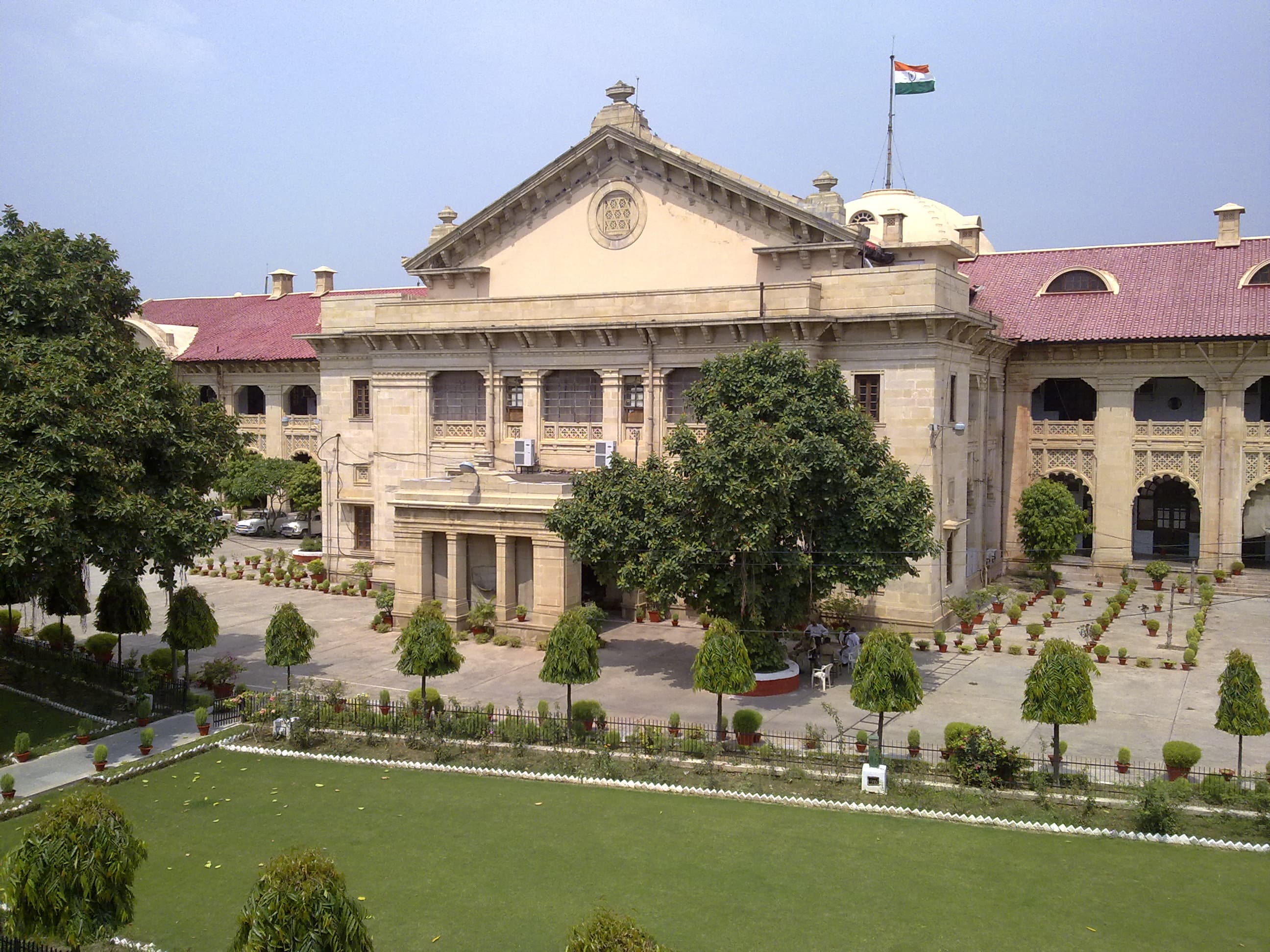
The Supreme Court of India, in its landmark judgment of 2026 (SLP (Crl.) Nos. 17464–17465/2025), has laid down a critical principle: a High Court should not grant pre-arrest bail while refusing to quash an FIR. This ruling directly impacts accused persons in Uttar Pradesh who approach the Allahabad High Court seeking both remedies simultaneously. The Supreme Court clarified that if the High Court finds no ground to quash the FIR, it must not extend protection from arrest; instead, the accused must first apply for anticipatory bail before the correct forum — typically the Sessions Court under Section 482 BNSS. This article explains the ruling, its practical consequences, and the correct legal route for clients in Lucknow and across UP.
Table of Contents
Need Immediate Legal Help?
If you're facing a legal emergency in Lucknow, don't wait. Contact experienced criminal lawyer Advocate Onkar Pandey for immediate assistance.
The Supreme Court 2026 Judgment: Key Holdings
In its judgment dated 2026 (2026 INSC 145), the Supreme Court set aside several orders of the Allahabad High Court that had refused to quash FIRs but nonetheless granted pre-arrest bail-like relief. The Court held that such a practice frustrates the investigation and undermines the statutory scheme.
- First holding: Quashing of FIR and grant of anticipatory bail are distinct remedies. A court cannot mix them.
- Second holding: If the High Court refuses to quash, it must refrain from granting any protection from arrest; the accused must seek bail before the competent court.
- Third holding: The correct first forum for anticipatory bail under the BNSS is the Sessions Court (Section 482 BNSS). The High Court becomes relevant only after a rejection or in exceptional writ jurisdiction.
This judgment overrides any precedent that allowed Allahabad High Court to grant “no-arrest” protection while declining to quash.
Why the Supreme Court Intervened: Analysis of the Allahabad High Court Orders
The Supreme Court was alarmed by a recurring trend in the Allahabad High Court. Several writ petitions under Section 528 BNSS (inherent powers) sought quashing of FIRs on grounds of malice or misuse of process. While dismissing the quashing petitions, the High Court often granted interim protection from arrest or directed the police not to arrest the petitioner “till the next date”. This effectively amounted to pre-arrest bail without a full hearing on merits.
The Supreme Court noted that this practice:
- Renders the statutory bail provisions (Section 482 BNSS) redundant.
- Creates confusion about the correct forum — Sessions vs. High Court.
- Delays investigation while the accused remains outside the judicial process.
The Court cited its earlier principle from Neeharika Infrastructure v. State of Maharashtra (2021) that no order of ‘no arrest’ should be passed routinely when a cognizable offence is disclosed.
Understanding Section 482 BNSS: The Proper Route for Anticipatory Bail in UP
Under the Bharatiya Nagarik Suraksha Sanhita, 2023 (BNSS), the provision for anticipatory bail — previously Section 438 CrPC — is now Section 482 BNSS. Section 482 BNSS empowers both the Sessions Court and the High Court to grant pre-arrest bail, but the correct first forum is the Sessions Court, as held in the 2026 Supreme Court ruling.
Key features of Section 482 BNSS:
- Application: Must be filed before the Sessions Court having jurisdiction over the place of investigation.
- Hearing: The court may issue notice to the Public Prosecutor and pass an interim or final order.
- Time limit: The application is usually decided within 30 days.
- Refusal: If the Sessions Court refuses, the accused can approach the High Court under its supervisory jurisdiction or under Section 528 BNSS (inherent powers).
Example: A FIR registered at Hazratganj Police Station, Lucknow — the anticipatory bail must first be filed at the Sessions Court, Lucknow.
Legal Consultation
Talk directly to Advocate Onkar Pandey
Explain your matter over a call or WhatsApp. If you take the case forward, the consultation fee adjusts into your overall fee, so there is no separate charge to begin.
What This Means for Accused in Uttar Pradesh: Practical Steps
For an accused facing a criminal case in Uttar Pradesh, the route after the 2026 ruling is clear:
- Step 1: If you believe the FIR is false or malicious, you may file a writ petition under Section 528 BNSS for quashing before the Allahabad High Court (Lucknow Bench).
- Step 2: While the quashing petition is pending, you cannot simultaneously seek pre-arrest bail from the High Court unless you first fail before the Sessions Court.
- Step 3: If the High Court refuses to quash, you must immediately file an anticipatory bail application before the Sessions Court under Section 482 BNSS.
- Step 4: If the Sessions Court rejects the bail, you may approach the High Court under Section 484 BNSS (bail in non-bailable offences) or under inherent powers.
Ignoring this sequence and directly seeking “no arrest” orders in a quashing petition will now likely be rejected.
Distinction Between Quashing FIR and Anticipatory Bail: The Prashant Shukla Principle
The Allahabad High Court in Prashant Shukla v. State of U.P. (2025) held that dismissal of a writ seeking quashing of FIR does not bar a later anticipatory bail application. The Supreme Court 2026 ruling reinforces this by requiring that the two remedies be pursued separately and in the correct order.
Key takeaways from Prashant Shukla:
- Quashing and anticipatory bail are distinct remedies with different legal tests.
- Failure in one does not create res judicata or estoppel for the other.
- The accused must first exhaust the quashing remedy (if chosen) before seeking pre-arrest relief from the Sessions Court.
This distinction is crucial for clients who may have been advised to combine both in one petition — that practice is now definitively overruled by the 2026 Supreme Court decision.
Role of Section 528 BNSS (Inherent Powers) After the 2026 Ruling
Section 528 BNSS corresponds to the old Section 482 CrPC. It empowers the High Court to pass orders necessary to prevent abuse of process or secure the ends of justice. Before the 2026 ruling, many accused persons sought both quashing and interim protection under this provision.
The Supreme Court 2026 ruling restricts this practice. While the High Court can still quash an FIR under Section 528 if no offence is made out, it cannot simultaneously grant pre-arrest bail if it declines to quash. The correct course after a failed quashing petition is to apply for anticipatory bail under Section 482 BNSS before the Sessions Court.
However, the High Court may still entertain a direct anticipatory bail application in exceptional cases, such as where the Sessions Court is unavailable or there is a grave emergency. But the presumption is now against such direct approach.
Practical Implications for Litigants in Lucknow and UP
For residents of Lucknow and other districts of Uttar Pradesh, the 2026 Supreme Court ruling requires careful procedural planning.
- Do not file a combined petition for quashing and anticipatory bail in the High Court. The High Court will now separate the two.
- If you already have a pending quashing petition and the High Court has not yet passed any arrest protection, you must be prepared to apply for anticipatory bail before the Sessions Court immediately if the quashing is refused.
- If you have been granted interim protection in a quashing petition that was later dismissed, you must approach the Sessions Court before the protection expires.
The ruling also strengthens the hand of the police in investigating cognizable offences without judicial interference at the initial stage.
Example: A businessman from Gomti Nagar, Lucknow facing a false cheque dishonour FIR cannot get a “no arrest” order while seeking quashing — he must first apply for anticipatory bail before the Sessions Court, Lucknow.
About the Author
Advocate Onkar Pandey is a practicing lawyer at the Allahabad High Court Lucknow Bench with over 25 years of experience in criminal law, bail matters, FIR quashing, and family law. Enrolled with the Bar Council of Uttar Pradesh (No. UP/4825/1999), he provides expert legal guidance to clients across Uttar Pradesh from his chamber at A-406, High Court, Lucknow. For a consultation on pre-arrest bail and FIR quashing, contact Advocate Onkar Pandey at +91 98392 71553.
Frequently Asked Questions
What did the Supreme Court rule in 2026 regarding pre-arrest bail and FIR quashing?+
The Supreme Court in SLP (Crl.) Nos. 17464–17465/2025 (2026 INSC 145) held that the High Court cannot grant pre-arrest bail or any protection from arrest while refusing to quash an FIR. If the High Court finds no ground to quash the FIR, the accused must first apply for anticipatory bail before the Sessions Court under Section 482 BNSS. The High Court can only grant such relief after the Sessions Court rejects the application or in exceptional cases.
What is the correct forum for anticipatory bail in Uttar Pradesh after 1 July 2024?+
Under the BNSS, 2023, the correct first forum for anticipatory bail (Section 482 BNSS) is the Sessions Court. For example, if the FIR is registered in Lucknow, the application must first be filed at the Sessions Court, Lucknow. Only after rejection or in exceptional circumstances can the accused approach the Allahabad High Court (Lucknow Bench) under Section 484 BNSS or Section 528 BNSS (inherent powers).
Can I file a quashing petition and an anticipatory bail application together in the Allahabad High Court?+
No. As per the Supreme Court 2026 ruling, the High Court cannot entertain a combined petition. Quashing of FIR and anticipatory bail are distinct remedies. You must first file a quashing petition under Section 528 BNSS. If it is dismissed, you must then apply for anticipatory bail before the Sessions Court under Section 482 BNSS. Directly seeking both simultaneously will now likely be rejected.
What if the Sessions Court rejects my anticipatory bail application?+
If the Sessions Court rejects your anticipatory bail application under Section 482 BNSS, you may approach the Allahabad High Court (Lucknow Bench) under Section 484 BNSS (bail in non-bailable offences) or under its inherent powers (Section 528 BNSS). The High Court will then decide the application on its merits, considering the Sessions Court's order.
Does the 2026 ruling apply to cases where FIR was registered before July 2024?+
Yes. The Supreme Court ruling applies to all pending and future cases, irrespective of when the FIR was registered. The ruling clarifies the correct procedural position under BNSS, but the principle of not granting pre-arrest bail while refusing to quash applies universally. The old CrPC (pre-July 2024) had analogous sections. You should consult a lawyer to determine the applicable provisions in your specific case.
Can the police arrest me immediately after the High Court refuses to quash my FIR?+
Yes, unless the High Court has specifically directed otherwise in exceptional circumstances. The Supreme Court 2026 ruling clarifies that after refusal to quash, no protection from arrest can be granted. Therefore, you must be prepared to apply for anticipatory bail before the Sessions Court without delay. In case of imminent arrest, you may seek interim protection from the Sessions Court.
Related Guides
Related Services
Get Expert Legal Advice in Lucknow
20+ years experience in criminal law at Lucknow High Court. Available 24/7 for emergencies.
Disclaimer: This article is for general information purposes only and does not constitute legal advice. Every case is unique and requires specific legal analysis. For advice specific to your situation, please consult Advocate Onkar Pandey or another qualified attorney in Lucknow.