Major Bail Ruling: Supreme Court Holds Coordinate Bench Can Revoke Bail for Concealed Facts
Quick Answer
The Supreme Court has recently affirmed a crucial principle in criminal jurisprudence: one coordinate bench of a High Court has the power to revoke bail granted by another coordinate bench if the first order was obtained by concealing material facts . This ruling has direct implications for litig…
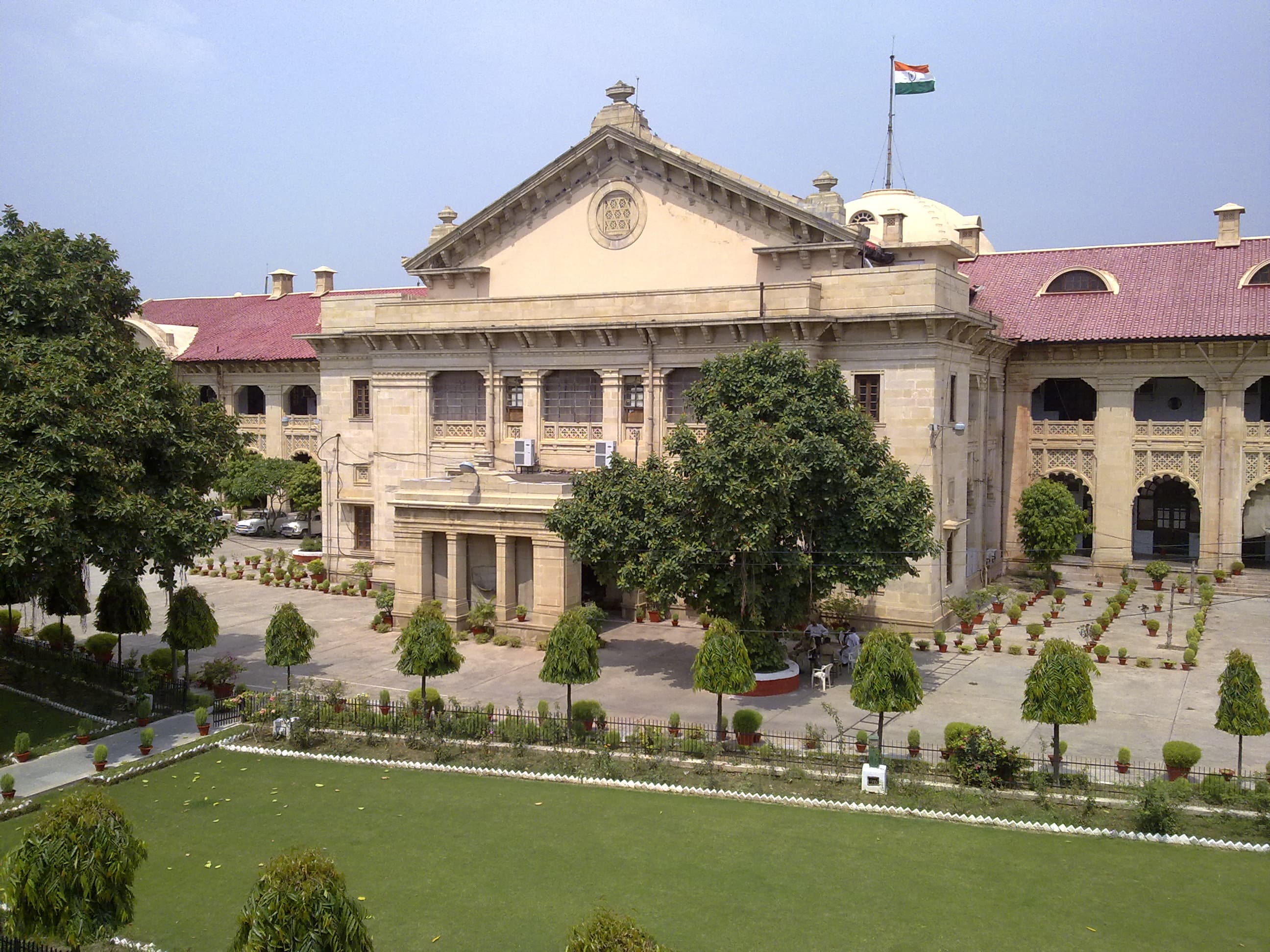
The Supreme Court has recently affirmed a crucial principle in criminal jurisprudence: one coordinate bench of a High Court has the power to revoke bail granted by another coordinate bench if the first order was obtained by concealing material facts. This ruling has direct implications for litigants in Lucknow and across Uttar Pradesh who approach the Allahabad High Court for bail under Section 484 BNSS (old Section 439 CrPC) or anticipatory bail under Section 482 BNSS (old Section 438 CrPC).
If you or someone you know faces a bail cancellation petition on grounds of concealment, it is vital to understand your rights. The Allahabad High Court Lucknow Bench follows this binding precedent. This article explains the law, the procedure, and what you must do if an opposing party moves to cancel your bail for suppression of facts.
Table of Contents
Need Immediate Legal Help?
If you're facing a legal emergency in Lucknow, don't wait. Contact experienced criminal lawyer Advocate Onkar Pandey for immediate assistance.
The Core Legal Principle: Institutional Discipline vs. Fraud on Court
The general rule is that coordinate benches must respect each other's orders. This principle of judicial discipline ensures stability and finality. However, the Supreme Court has carved out a clear exception: where the earlier bail order was obtained through fraud, suppression of vital facts, or misrepresentation, it ceases to be a valid order and can be set aside by another coordinate bench.
This flows from the maxim that fraud vitiates the most solemn proceedings. A bail order obtained by concealment is not a legitimate exercise of discretion; it is a nullity in the eyes of law. Therefore, the later bench is not sitting in appeal over the earlier order but is merely correcting a wrong that was perpetrated on the court.
Key principles from the ruling include:
- Concealment of pending cases or criminal antecedents can lead to cancellation.
- Suppression of witness statements or recovery of incriminating material is fatal.
- The power to cancel is not a review but an inherent power to prevent abuse of process.
- Section 484 BNSS (old Section 439 CrPC) empowers the High Court and Sessions Court to cancel any bail granted under Chapter XXXIII of BNSS.
| Principle | Impact on Your Case |
|---|---|
| Judicial discipline | Usually, a later bench will not reopen a earlier bail order. |
| Fraud / concealment exception | A coordinate bench can completely revoke the bail if facts were hidden. |
| Burden of proof | The party alleging concealment must prove it with clear evidence. |
For those practicing in Lucknow, understanding this distinction is critical when arguing either for or against a bail cancellation petition before the Allahabad High Court Lucknow Bench.
Understanding the Legal Framework: BNSS Sections You Must Know
The Bharatiya Nagarik Suraksha Sanhita (BNSS), 2023 now governs all procedural aspects of bail in India, including in Uttar Pradesh. The sections relevant to this Supreme Court ruling are primarily Section 482 BNSS (anticipatory bail) and Section 484 BNSS (regular bail and power to cancel).
Many litigants and even some lawyers mistakenly refer to an incorrect section number for anticipatory bail. The correct provision for anticipatory bail is Section 482 BNSS, which is the equivalent of old Section 438 CrPC. Similarly, the power of the High Court or Sessions Court to cancel bail after rejection is under Section 484 BNSS (old Section 439 CrPC).
Here is a quick reference table for Lucknow litigants:
| Provision | Old Law | New Law (BNSS) | Purpose |
|---|---|---|---|
| Bail in bailable offence | Section 436 CrPC | Section 480 BNSS | Right to bail for bailable offences |
| Bail in non-bailable offence | Section 437 CrPC | Section 483 BNSS | Bail by Magistrate in non-bailable cases |
| Anticipatory bail | Section 438 CrPC | Section 482 BNSS | Pre-arrest bail from Sessions Court or High Court |
| High Court / Sessions Court bail power | Section 439 CrPC | Section 484 BNSS | Regular bail and power to cancel bail |
| Inherent powers / FIR quashing | Section 482 CrPC | Section 528 BNSS | Quashing of FIR to prevent abuse of process |
If a party alleges concealment before a coordinate bench of the Allahabad High Court Lucknow Bench, the court exercises its power under Section 484 BNSS read with its inherent powers. The court does not merely review the earlier order; it examines whether the earlier order was obtained by playing fraud on the court.
Real-World Scenario: When Can a Coordinate Bench Cancel Bail in Lucknow?
Imagine this: an accused person files a bail application before a single judge of the Allahabad High Court Lucknow Bench. The accused suppresses the fact that there are three other FIRs registered against him for similar offences. The judge, unaware of these antecedents, grants regular bail under Section 484 BNSS. Later, the investigating agency discovers the concealment and files a bail cancellation petition before another coordinate bench.
Under the principle affirmed by the Supreme Court, the second bench can revoke the bail even though the first bench granted it. The court will hold that the accused abused the process and that the earlier order was vitiated by concealment.
Common situations where this applies include:
- Suppression of criminal antecedents: Not revealing previous convictions or pending cases.
- Concealing recovery: Not informing the court that a weapon or stolen property was recovered from the accused.
- Hiding witness statements: Not disclosing that key witnesses have already identified the accused.
- Misrepresenting identity: Giving a false name or address to avoid detection.
If you are defending such a case in Lucknow, you must be prepared to argue that the concealment was not deliberate or that the facts were not “material” to the bail decision. The CJM Court Lucknow and Family Court Lucknow also apply these principles in their respective jurisdictions.
Legal Consultation
Talk directly to Advocate Onkar Pandey
Explain your matter over a call or WhatsApp. If you take the case forward, the consultation fee adjusts into your overall fee, so there is no separate charge to begin.
Procedure for Filing Bail Cancellation on Grounds of Concealment in UP
If you believe that bail was granted to an accused by concealing material facts before the Allahabad High Court Lucknow Bench, you have a legal remedy. The procedure is governed by Section 484(2) BNSS read with the inherent powers of the High Court under Section 528 BNSS.
Follow these steps:
- Draft a bail cancellation application: Clearly state the specific facts that were concealed. Attach documentary proof such as prior FIR details, recovery memos, or witness statements that were not disclosed.
- File the petition before the same High Court: The petition can be filed before any coordinate bench of the Allahabad High Court Lucknow Bench. The case will typically be listed before a bench that has jurisdiction over criminal matters.
- Serve notice to the accused: The court will issue notice to the accused and hear both sides before passing any order. Urgency can be pleaded if there is a risk of tampering with evidence or witness intimidation.
- Argue the grounds: Emphasize that the concealment was not a minor omission but a material suppression that goes to the root of the bail order. Cite the Supreme Court ruling and the principle that fraud vitiates everything.
Timelines in Lucknow vary. An urgent listing can sometimes be obtained within 2–7 days by mentioning the petition before the Registrar. Regular listing may take 2–4 weeks depending on the bench's roster.
What to Do if You Are Facing a Bail Cancellation Petition for Concealment
If you have been granted bail by a coordinate bench and the opposing party now moves to cancel it on grounds of concealment, do not panic. The law also protects your rights. You must act swiftly and strategically.
Here is a practical checklist for Lucknow clients:
- Respond promptly: File a counter-affidavit denying the allegations of concealment. Explain why the allegedly concealed facts were either known to the court, immaterial, or genuinely forgotten.
- Prove good faith: Show that you disclosed all material facts before the earlier bench. If the prosecution had the information but did not bring it to the court's notice, that is not your concealment.
- Highlight supervening events: If you have not misused bail, argue that cancellation would be disproportionate. The Supreme Court in P. Chidambaram v. Directorate of Enforcement (2020) held that bail is not to be cancelled mechanically.
- Engage an experienced lawyer: An experienced criminal lawyer in Lucknow can craft a robust defense. The nuances of “material concealment” require skilled argumentation.
- Seek anticipatory bail in advance: If the cancellation petition is likely to succeed, you may consider filing a fresh anticipatory bail application under Section 482 BNSS before the same court or the Supreme Court.
Remember that the burden of proving concealment lies on the party alleging it. Mere assertion without evidence will not suffice. The court will examine the record of the earlier bail proceedings to see if the fact was indeed suppressed.
Fee Estimates and Timelines for Bail Cancellation Matters in Lucknow
For those seeking legal assistance in Lucknow or the Allahabad High Court Lucknow Bench, here is an indicative estimate of costs and timelines:
| Stage | Estimated Fees (INR) | Typical Timeline |
|---|---|---|
| Consultation and case strategy | ₹5,000 – ₹15,000 | 1–2 days |
| Drafting of bail cancellation petition / counter-affidavit | ₹10,000 – ₹25,000 | 2–5 days |
| Filing and urgent mentioning | ₹5,000 – ₹10,000 | Same day to 1 week |
| Full representation before Allahabad HC / Lucknow Bench | ₹35,000 – ₹1,00,000+ | 2–6 hearings over 1–3 months |
| Senior advocate appearance (if needed) | ₹50,000 – ₹2,00,000+ | Per hearing |
These figures are approximate and depend on the complexity of the case, seniority of the lawyer, and urgency. Certified copies, notary fees, and clerk expenses add another ₹2,000–₹10,000.
Key Supreme Court and High Court Precedents
The Supreme Court has consistently held that bail cancellation is not a routine matter but is justified in cases of concealment, misuse of liberty, or perversity of the earlier order. The following are the most relevant authorities:
- P. Chidambaram v. Directorate of Enforcement (2020) 13 SCC 791: Bail cancellation requires strong grounds like interference with investigation or tampering with evidence. Mere change of opinion is not enough.
- X v. State of Telangana (2022) 5 SCC 485: The Supreme Court criticized a bail order passed without proper application of mind. Concealment of material facts can justify setting aside bail.
- Ranjeetsing Brahmajeetsing Sharma v. State of Maharashtra (2005) 5 SCC 294: This is the classic authority on cancellation grounds: misuse of bail, threatening witnesses, or likelihood of absconding.
- Mahipal v. Rajesh Kumar (2020) 2 SCC 118: An appellate court can interfere where the bail order is perverse, ignores material facts, or suffers from non-application of mind. This directly supports the coordinate bench cancellation on the ground of concealment.
These rulings are binding on the Allahabad High Court Lucknow Bench. Any bail cancellation petition filed in Lucknow must be grounded in these principles.
Practical Advice for Litigants in Lucknow and UP
The recent Supreme Court ruling is a double-edged sword. For the prosecution or the complainant, it is a potent tool to cancel bail if the accused played hide-and-seek with the court. For the accused, it is a stern warning: full and frank disclosure is not optional but mandatory.
Here are key steps litigants should take:
- When applying for bail: Ensure your bail application contains all relevant facts — criminal history, status of related cases, and any other material that could affect the judge's decision. Honesty is the best legal strategy.
- If facing a cancellation petition: Immediately seek legal advice from an experienced criminal lawyer in Lucknow. File a counter-affidavit denying concealment and explaining why the facts were not material or were already known.
- Always quote correct BNSS sections: Use Section 482 BNSS for anticipatory bail and Section 484 BNSS for regular bail or cancellation. Avoid using incorrect section numbers like the old CrPC references.
- Act quickly: Time is critical. The court may issue a show-cause notice or even direct arrest if concealment appears prima facie true. A prompt response can prevent adverse orders.
Remember that the BNSS has replaced the CrPC. Always use the correct section numbers to avoid confusion or dismissal of your application on technical grounds.
About the Author
Frequently Asked Questions
Can a coordinate bench of the Allahabad High Court cancel bail granted by another coordinate bench?+
Yes, the Supreme Court has held that a coordinate bench can revoke bail granted by another coordinate bench if the earlier order was obtained by concealing material facts. This is not a review but an exercise of power under Section 484 BNSS to prevent fraud on the court. The party alleging concealment must prove the suppression clearly. For example, if an accused hid a pending murder case while seeking bail for a theft case, the later bench can cancel the bail.
What is the difference between Section 482 BNSS and Section 484 BNSS?+
Section 482 BNSS (old Section 438 CrPC) deals with anticipatory bail or pre-arrest bail, which can be filed before the Sessions Court or High Court. Section 484 BNSS (old Section 439 CrPC) gives the High Court and Sessions Court the power to grant regular bail to a person in custody and also to cancel any bail already granted. For bail cancellation on grounds of concealment, Section 484 BNSS is the correct provision. Note that the old section numbers have been replaced; always use the new BNSS numbering.
How long does it take to get a bail cancellation petition heard at the Lucknow Bench of Allahabad High Court?+
If filed with an urgent mention, a bail cancellation petition can be listed within 2 to 7 days before the Lucknow Bench. Regular listing without urgency may take 2 to 4 weeks depending on the roster. The court will issue notice to the accused and hear both sides. Delays can occur if the accused is not served or if the bench is overburdened.
What kind of concealment is serious enough to cancel bail?+
Concealment that goes to the root of the bail decision is treated seriously. Examples include hiding a criminal record, suppressing the fact that the accused is a habitual offender, not disclosing that the accused has been identified by witnesses, or misrepresenting identity. Minor omissions, such as leaving out a non-material address, may not be considered sufficient for cancellation.
What should I do if a bail cancellation petition is filed against me?+
You must immediately engage a lawyer and file a counter-affidavit denying concealment. Gather evidence to show that the facts were either disclosed, known to the prosecution, or immaterial. The burden of proof is on the party alleging concealment. You can also argue that supervening events — such as good conduct on bail — weigh against cancellation. Refer to the Supreme Court ruling in P. Chidambaram case which requires strong grounds for cancellation.
What are the fees for a bail cancellation case in Lucknow?+
Fees vary based on the lawyer's experience and case complexity. Drafting and filing a bail cancellation petition may cost between ₹10,000 and ₹25,000. Full representation before the Allahabad High Court Lucknow Bench can range from ₹35,000 to ₹1,00,000 or more. Senior advocates may charge ₹50,000 to ₹2,00,000 per hearing. Additional costs for certified copies and notary are around ₹2,000 to ₹10,000.
Can I file a fresh anticipatory bail if my current bail is cancelled for concealment?+
Yes, you can file a fresh anticipatory bail application under Section 482 BNSS before the same High Court or the Supreme Court. However, the court will view the concealment as a serious factor against you. You must present a strong case explaining why the concealment was not deliberate and why you should be granted pre-arrest protection. The success of such an application depends on the facts and the court's discretion.
Related Guides
Related Services
Get Expert Legal Advice in Lucknow
20+ years experience in criminal law at Lucknow High Court. Available 24/7 for emergencies.
Disclaimer: This article is for general information purposes only and does not constitute legal advice. Every case is unique and requires specific legal analysis. For advice specific to your situation, please consult Advocate Onkar Pandey or another qualified attorney in Lucknow.