Supreme Court Sets Timelines: Bail Orders in 1 Day, Reasoned Judgments in 3 Months — What It Means for Allahabad High Court Lucknow Clients
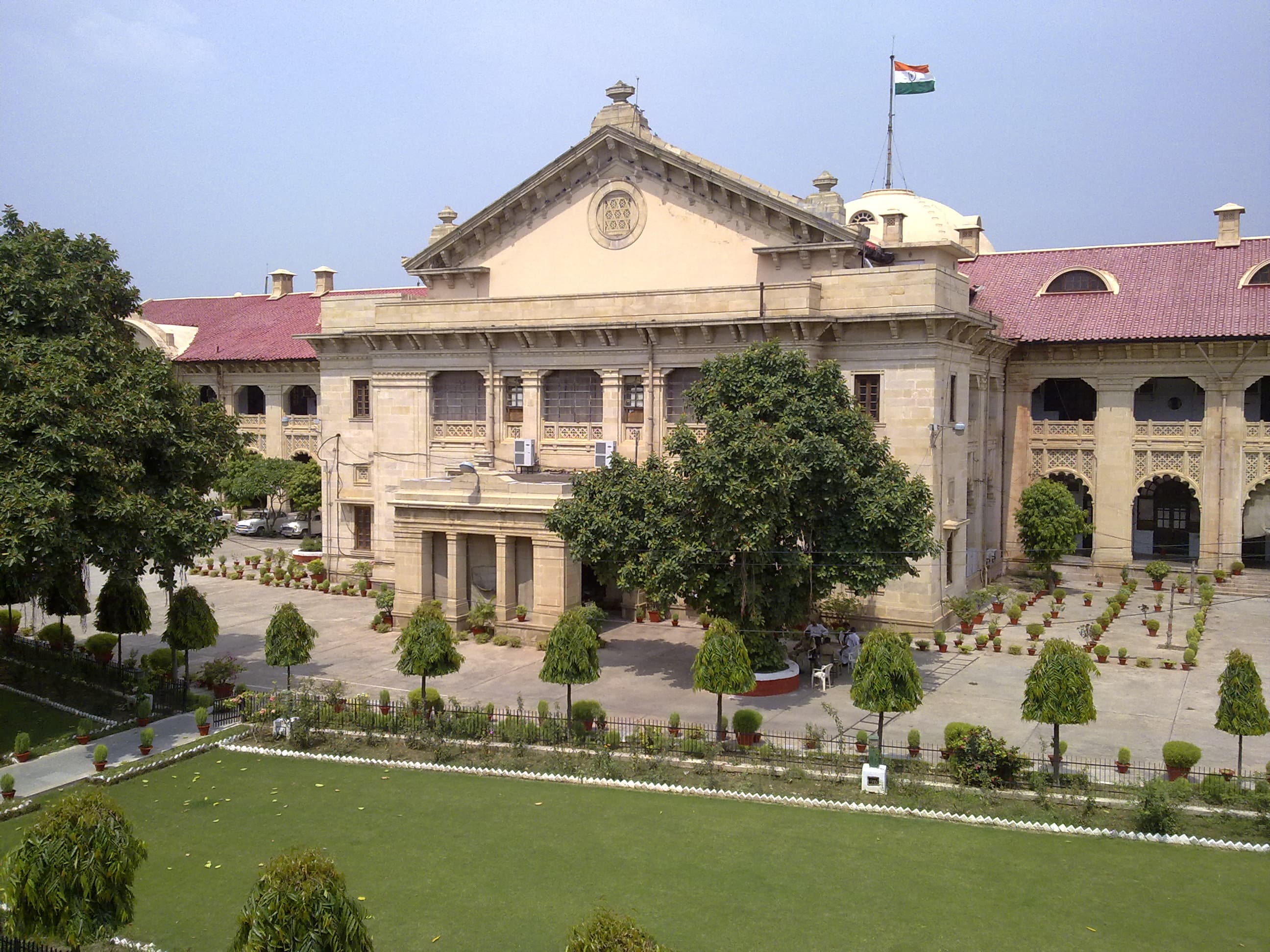
The Supreme Court of India has issued a powerful directive that reshapes how High Courts, including the Allahabad High Court at Lucknow, must handle bail applications and deliver reasoned judgments. The mandate is clear: bail orders must be passed within one day of hearing, and detailed reasoned judgments must be pronounced within three months. For litigants in Uttar Pradesh, this is a game-changer. If you are accused or have a family member in custody, you now have a stronger legal basis to demand swift relief. This article explains the timeline you can expect, the legal principles behind the directive, and how to act now.
Table of Contents
Need Immediate Legal Help?
If you're facing a legal emergency in Lucknow, don't wait. Contact experienced criminal lawyer Advocate Onkar Pandey for immediate assistance.
How Soon Can a Lucknow Client Expect a Bail Order After This Directive?
If you are seeking bail from the Allahabad High Court Lucknow Bench, the new Supreme Court directive means your lawyer can expect a decision on the very day of hearing. The Supreme Court has stressed that prolonged custody without a bail order violates Article 21 of the Constitution — the right to life and personal liberty.
| Stage | Previous Average Time | Post-Directive Expectation |
|---|---|---|
| Bail hearing | 7-30 days | 1-7 days (urgent listing) |
| Order pronounced | Same day or next | Same day (within 24 hours) |
| Reasoned judgment copy | 2-12 months | Within 3 months |
This directive forces the High Court registry and benches to prioritize bail matters. In Lucknow, lawyers can now file an urgent bail application and insist on same-day orders. However, the actual time still depends on the complexity of the case and the judge's workload.
- Urgent bail application in Sessions Court: 1-3 days for hearing
- High Court bail (Section 484 BNSS): 7-15 days normally, but with this directive, lawyers can push for earlier dates
- Anticipatory bail (Section 482 BNSS): 3-10 days for hearing
The Supreme Court’s Directive: Legal Basis and Key Cases
The Supreme Court has not issued a single standalone rule titled “3 months for reasoned judgments, 1 day for bail.” Instead, this headline summarizes a series of recent rulings that enforce existing constitutional duties. The key principles come from Vaibhav Singh v. State of Uttar Pradesh (2026 INSC 312) and Zeba Khan v. State of Uttar Pradesh (2026 INSC 189). In Vaibhav Singh, the Court termed the Allahabad High Court’s bail denial after 9 years of incarceration as “very shocking” and ordered immediate release. In Zeba Khan, the Court directed High Courts to adopt frameworks for mandatory disclosure of criminal antecedents and trial progress, ensuring reasoned scrutiny in bail orders.
These cases rely on BNSS Section 484 (High Court bail power), BNSS Section 483 (Magistrate bail in non-bailable offences), and BNSS Section 528 (inherent powers for FIR quashing). The message is clear: an unreasoned or delayed bail order is now likely to be set aside by the Supreme Court.
- Vaibhav Singh (2026): Prolonged incarceration violates Article 21; bail must be granted without delay.
- Zeba Khan (2026): Bail cancelled for suppressing antecedents; every bail order must be reasoned.
- Mohseen v. State of Uttar Pradesh (2026 INSC 526): High Court cannot grant bail after Supreme Court cancellation without fresh grounds; order must be reasoned.
For a Lucknow client, these rulings mean your lawyer can cite these exact cases to demand a speedy, reasoned bail order from the Allahabad High Court.
Bail Application Procedure Under BNSS at Allahabad High Court Lucknow
Filing a bail application at the Allahabad High Court Lucknow Bench follows a clear procedure under the Bharatiya Nagarik Suraksha Sanhita (BNSS). Understanding the steps helps you prepare for a fast outcome.
- Consult a criminal lawyer: Your criminal defense lawyer will assess the FIR, police remand, and evidence to decide which court to approach.
- Draft the bail application: Under Section 484 BNSS (High Court bail) or Section 483 BNSS (Magistrate bail). Include grounds like no criminal antecedents, long custody, or weak evidence.
- File in the registry: Pay court fees (approx ₹1,000 for filing + ₹300 for copies). Get a date for hearing from the bench.
- Urgent listing motion: File an urgency application citing the Supreme Court’s 1-day directive under Article 21.
- Hearing and order: Your advocate argues. The judge may pass a brief order on the same day. A detailed reasoned judgment is to follow within 3 months.
In practice, urgent bail hearings at the Lucknow Bench are scheduled within 1-7 days. The Supreme Court directive gives your lawyer the right to demand immediate orders.
Legal Consultation
Talk directly to Advocate Onkar Pandey
Explain your matter over a call or WhatsApp. If you take the case forward, the consultation fee adjusts into your overall fee, so there is no separate charge to begin.
Fee and Timeline Comparison for Bail in Lucknow Courts
| Court | Filing Fee (Approx) | Lawyer Fee (Approx) | Timeline for Hearing | Post-Directive Expectation |
|---|---|---|---|---|
| CJM Court Lucknow (Magistrate) | ₹500 | ₹10,000-₹30,000 | 3-10 days | Order within 1-3 days of hearing |
| Sessions Court Lucknow | ₹750 | ₹20,000-₹50,000 | 5-15 days | Order within 1-2 days |
| Allahabad High Court Lucknow Bench | ₹1,000 + ₹300 | ₹30,000-₹90,000 | 7-20 days | Order same day as hearing |
| Supreme Court (after HC rejection) | ₹1,500 + ₹500 | ₹50,000-₹1,50,000 | 15-45 days (urgent) | Order within 1-7 days of hearing |
These fees are indicative and can vary based on the seniority of the advocate and complexity of the case. The Supreme Court directive reduces the waiting time significantly at the High Court level.
What If the High Court Delays? Your Legal Remedies
If the Allahabad High Court Lucknow Bench does not pass a bail order within one day of hearing, your lawyer can immediately file a contempt petition or an application under BNSS Section 528 (inherent powers) before the same court. You can also file a Special Leave Petition (SLP) before the Supreme Court, citing violation of the directive and Article 21.
The Supreme Court in Vaibhav Singh has already shown that it will not tolerate unreasonable delay. In that case, the Court ordered immediate release and directed the High Court to expedite trial. You can use this precedent to pressure the registry for early listing.
- File an urgent application for early hearing if the judge does not pass order on the same day.
- Approach the Chief Justice of the High Court for a transfer to another bench if delay is systemic.
- File a writ of habeas corpus if custody becomes illegal due to delay in bail order.
For clients in Lucknow, having an experienced lawyer who knows the registry procedures is essential to enforce these timelines.
Role of a Criminal Lawyer in Enforcing This Directive
A skilled criminal defense lawyer plays a crucial role in making the Supreme Court directive effective for you. Your lawyer must prepare a strong bail application that clearly cites the directive, recent Supreme Court judgments, and the constitutional right to speedy bail. They must also be ready to argue orally for a same-day order.
In Lucknow, lawyers practicing at the Allahabad High Court are already adapting to this new norm. They file an “urgency note” with the bail application, highlighting the Supreme Court’s stand. The lawyer must also ensure that the court delivers a reasoned judgment within three months, or else challenge the delay.
| Lawyer’s Action | Impact on Client |
|---|---|
| Cite Vaibhav Singh & Zeba Khan in bail plea | Stronger ground for immediate release |
| File urgency motion citing 1-day directive | Same-day hearing likely |
| Demand reasoned judgment within 3 months | Prevents arbitrary rejection |
| Follow up with registry for order copy | Client can apply for bail earlier |
Impact on FIR Quashing and Other Criminal Remedies
The Supreme Court’s emphasis on reasoned judgments and speedy orders also applies to FIR quashing applications filed under BNSS Section 528 (inherent powers). If you file a quashing petition at the Allahabad High Court Lucknow Bench, you can now expect a hearing within 2-4 weeks and a reasoned order within 3 months.
Earlier, quashing petitions could languish for months or years. Now, the High Court is under pressure to dispose of such matters quickly. For example, in cases where the FIR is based on a civil dispute, your lawyer can argue for immediate quashing to avoid harassment. The timeline for anticipatory bail (Section 482 BNSS) also benefits — Sessions Court and High Court must decide within days, not weeks.
- Anticipatory bail: Hearing in 3-7 days; order on same day.
- Regular bail after arrest: Hearing in 1-7 days; order same day.
- FIR quashing: Hearing in 2-4 weeks; reasoned order within 3 months.
Conclusion: What Lucknow Clients Should Do Now
The Supreme Court directive is not just a guideline — it is a constitutional command. If you or a family member is in custody, do not wait. Contact a criminal lawyer in Lucknow immediately to file a bail application at the appropriate court. The Allahabad High Court Lucknow Bench is now bound to decide your case swiftly.
Remember: delayed bail is a violation of your fundamental right. The law is on your side. Act now to secure release and get a reasoned judgment that protects your future.
About the Author
Frequently Asked Questions
Is it mandatory for the Allahabad High Court Lucknow to pass a bail order in one day?+
No, it is not a statutory rule, but the Supreme Court's directive in Vaibhav Singh (2026 INSC 312) and Zeba Khan (2026 INSC 189) strongly mandates that bail orders must be passed on the same day of hearing. If the court delays without reason, your lawyer can file an urgency application or approach the Supreme Court. In practice, Lucknow bench judges are now more conscious of this timeline.
What happens if the High Court does not give a reasoned judgment within 3 months?+
You can file a contempt petition or a Special Leave Petition before the Supreme Court citing violation of Article 21 and the directive. The High Court is expected to provide a reasoned order; if it fails, you can also seek a copy of the order by filing an application. The Supreme Court has set aside unreasoned bail orders in cases like Mohseen v. State of UP (2026 INSC 526).
How can I apply for urgent bail at the Allahabad High Court Lucknow?+
Your lawyer must file a bail application under Section 484 BNSS (High Court bail) along with an urgency motion. The registry will list it before the Vacation Judge or regular bench. With the Supreme Court directive, your lawyer can demand same-day hearing. Court fees are around ₹1,000. Lawyer fees range from ₹30,000 to ₹90,000 depending on complexity.
Does this directive apply to anticipatory bail under Section 482 BNSS?+
Yes. The Supreme Court directive applies to all bail matters. Anticipatory bail applications under Section 482 BNSS must be decided swiftly, ideally within days. The Sessions Court or High Court must pass a reasoned order. If the court delays, your lawyer can cite the same legal principles from the recent judgments.
Can I file a case against the judge for not following this directive?+
You cannot directly file a case against a judge for judicial delay, but you can file a contempt petition before the High Court or Supreme Court if the delay is willful and violates a court order. Your lawyer can also seek transfer of the case to another bench. The better strategy is to file an urgent application or a writ of habeas corpus.
What is the role of BNSS Section 484 in this new timeline?+
Section 484 BNSS gives the High Court and Sessions Court concurrent power to grant bail in non-bailable offences. This is the section under which most bail applications are filed at the Allahabad High Court Lucknow. The Supreme Court directive specifically targets this court's power, insisting that bail orders under Section 484 BNSS must be passed on the same day as the hearing.
How long does it take to get a copy of the reasoned judgment?+
The Supreme Court has directed that the detailed reasoned judgment must be pronounced within 3 months. However, the short order (bail granted or denied) is issued on the same day. The certified copy of the reasoned judgment may take another 2-4 weeks after pronouncement. Your lawyer can apply for an urgent certified copy to expedite further legal steps.
Related Services
Get Expert Legal Advice in Lucknow
20+ years experience in criminal law at Lucknow High Court. Available 24/7 for emergencies.
Disclaimer: This article is for general information purposes only and does not constitute legal advice. Every case is unique and requires specific legal analysis. For advice specific to your situation, please consult Advocate Onkar Pandey or another qualified attorney in Lucknow.