Successive FIRs to Defeat Bail Amount to Abuse of Process: Supreme Court Invokes Article 32 to Grant Bail
Quick Answer
In a landmark judgment that has sent shockwaves through the criminal justice system in Uttar Pradesh, the Supreme Court has categorically ruled that filing successive FIRs with the sole intention of keeping an accused in custody after bail amounts to a gross abuse of the legal process . The case…
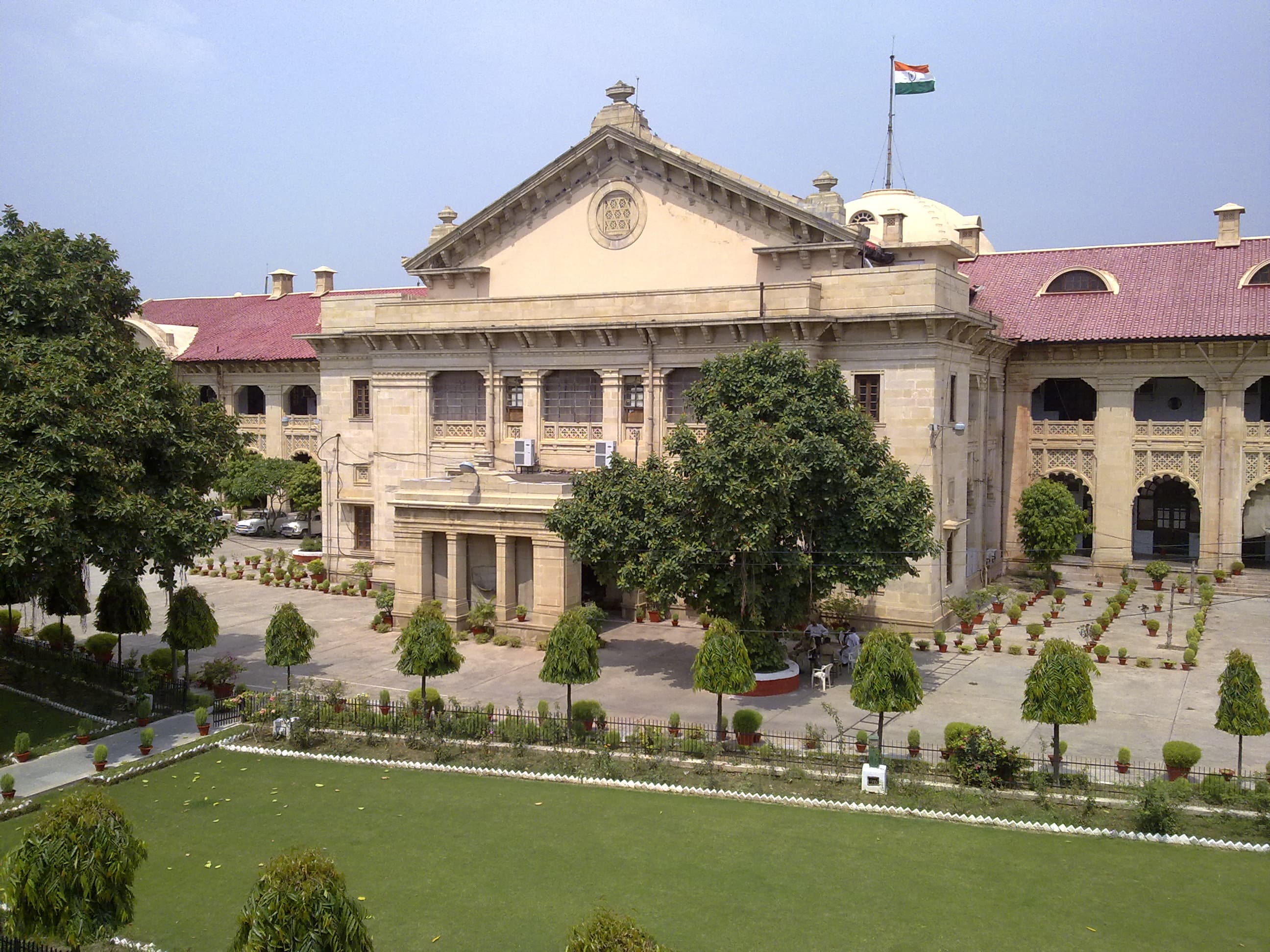
In a landmark judgment that has sent shockwaves through the criminal justice system in Uttar Pradesh, the Supreme Court has categorically ruled that filing successive FIRs with the sole intention of keeping an accused in custody after bail amounts to a gross abuse of the legal process. The case of Binay Kumar Singh v. State of Jharkhand (2026 SCC OnLine SC 208) invokes the writ jurisdiction under Article 32 of the Constitution to grant immediate relief to the petitioner. This article explains how you can use this powerful ruling in Lucknow courts or before the Allahabad High Court Lucknow Bench to defeat such manipulative prosecutions and secure bail.
Table of Contents
Need Immediate Legal Help?
If you're facing a legal emergency in Lucknow, don't wait. Contact experienced criminal lawyer Advocate Onkar Pandey for immediate assistance.
Understanding the Binay Kumar Singh Ruling: What Happened?
The petitioner, Binay Kumar Singh, was granted regular bail in a criminal case. However, instead of letting the investigation proceed fairly, the prosecuting agency filed multiple successive FIRs involving similar facts and evidence. Each fresh FIR was accompanied by a custody application, leading to further police remand or judicial custody, effectively rendering the earlier bail order meaningless.
When the matter reached the Supreme Court, the Bench comprising Justices observed that the State cannot be allowed to defeat a bail order by filing one FIR after another. The Court held that such conduct violates Article 14 (Right to Equality), Article 19 (Protection of certain rights), and Article 21 (Protection of life and personal liberty).
- Key Holding: Successive FIRs based on the same transaction, filed solely to defeat bail, constitute an abuse of process.
- Remedy: Direct approach to Supreme Court under Article 32 for immediate relief or High Court under Section 528 BNSS.
- Burden: The court will examine the sequence of FIRs and custody orders to determine mala fides.
How to Use This Ruling in Lucknow Courts or Allahabad High Court
If you or a family member is facing a situation where successive FIRs are being filed after you have obtained bail in Lucknow, the following practical steps can be taken:
- Document the sequence: Collect copies of all FIRs, bail orders, and custody orders to show that the subsequent FIRs are on similar facts.
- File an application under Section 528 BNSS (inherent powers): Before the Allahabad High Court Lucknow Bench, seek quashing of the successive FIRs on the ground of abuse of process.
- Invoke Article 226 or Article 32: If the High Court does not grant timely relief, you can directly approach the Supreme Court citing Binay Kumar Singh as binding precedent.
- Argue mala fide: Show that the sole purpose of the successive FIR is to keep you in custody, not to further investigation.
For a initial consultation on your case, contact Advocate Onkar Pandey at +91 98392 71553.
Key Precedents Supporting the Abuse of Process Doctrine
Beyond Binay Kumar Singh, several Supreme Court rulings fortify the principle that multiple FIRs cannot be used oppressively. The Allahabad High Court routinely relies on these decisions when dealing with such petitions from Lucknow and other districts of Uttar Pradesh.
| Case | Citation | Principle |
|---|---|---|
| T.T. Antony v. State of Kerala | (2001) 6 SCC 181 | A second FIR for the same cognizable offence or same occurrence is impermissible. |
| Upkar Singh v. Ved Prakash | (2004) 13 SCC 292 | Multiple FIRs allowed only for genuinely distinct facts or separate transactions; not for custody-piling. |
| Arnab Ranjan Goswami v. Union of India | (2020) 14 SCC 12 | Constitutional courts can intervene to prevent multiplicity of criminal process when multiple FIRs harass the accused. |
| Amish Devgan v. Union of India | (2020) SCC OnLine SC 460 | Limits on multiple FIRs across jurisdictions for the same cause of action; safeguard against oppressive proceedings. |
These precedents form a robust shield for the accused. When presenting your case before the Lucknow Bench of the Allahabad High Court, your lawyer can weave these authorities into a cogent argument that the prosecution’s conduct is arbitrary and mala fide.
Legal Consultation
Talk directly to Advocate Onkar Pandey
Explain your matter over a call or WhatsApp. If you take the case forward, the consultation fee adjusts into your overall fee, so there is no separate charge to begin.
Practical Steps: From Arrest to Relief Under Article 32
If you are arrested in Lucknow on a successive FIR after having obtained bail, the timeline for action is critical. Here is a step-by-step guide:
- Immediately inform your advocate: Time is of the essence. Your lawyer must be contacted as soon as the fresh FIR is registered.
- Secure the bail order and earlier FIR copies: These documents will establish the pattern of abuse.
- File a bail application in the Sessions Court Lucknow or before the Magistrate: Argue that the fresh FIR is a mala fide abuse of process citing the Supreme Court judgment.
- If bail is denied, approach the Allahabad High Court Lucknow Bench under Section 484 BNSS: The High Court has the power to grant bail even after a lower court refuses.
- File a petition under Article 226 or Article 32: For immediate quashing of the successive FIR and direction to the State to not file further such FIRs.
A swift response is crucial. The Supreme Court in Binay Kumar Singh has sent a clear message that it will not tolerate such manipulative tactics.
Why You Need an Experienced Criminal Lawyer in Lucknow
Navigating the complexities of successive FIRs and bail law requires a lawyer who is well-versed in the latest Supreme Court rulings and the BNSS framework. The Allahabad High Court Lucknow Bench sees a high volume of such petitions, and local knowledge of the bench’s tendencies can make a significant difference.
- Local Expertise: Knowledge of how the Lucknow Bench typically handles such petitions.
- Proven Track Record: Over 25 years of experience in criminal law, bail, and FIR quashing.
- Strategic Approach: Ability to draft persuasive petitions under Section 528 BNSS and Article 226/32.
- Timely Action: Ensuring urgent relief through interim orders within days.
Advocate Onkar Pandey, with over 25 years of experience, has successfully handled numerous cases where the prosecution attempted to defeat bail through manipulative FIRs. His familiarity with the Lucknow courts and the High Court ensures that your case is presented with the right strategy and citations.
Contact him today at +91 98392 71553 for a consultation on your bail and FIR related matters.
Important Considerations for Accused in Uttar Pradesh
The State of Uttar Pradesh has a high number of prosecutions, and the police often resort to filing multiple FIRs to pressurize the accused. Understanding your rights is crucial. The Binay Kumar Singh judgment is a game-changer because it directly addresses the abuse of the criminal justice system by the State itself.
If you are being harassed through successive FIRs in Lucknow or elsewhere in UP, remember that you have the following remedies:
- Right to bail: You can approach the Sessions Court or High Court under Section 483/484 BNSS.
- Right to quash: You can file a petition under Section 528 BNSS for inherent powers to quash the successive FIR.
- Constitutional remedy: You can approach the High Court under Article 226 or the Supreme Court under Article 32.
Don’t let the police or prosecution bully you into submission. With the correct legal guidance, you can protect your liberty.
Frequently Asked Questions
- Can a second FIR be allowed after I have been granted bail? Yes, but only if it pertains to a completely distinct incident or fresh facts. If it is based on the same transaction, it amounts to abuse of process and can be quashed.
- What is the procedure to quash a successive FIR in Lucknow? You need to file a petition under Section 528 BNSS (inherent powers) before the Allahabad High Court Lucknow Bench, citing the Supreme Court judgment in Binay Kumar Singh and other relevant precedents.
- Can I directly approach the Supreme Court under Article 32? Yes, if the Allahabad High Court fails to grant timely relief and there is a violation of your fundamental rights, especially Article 21.
- What evidence do I need to prove that the successive FIR is mala fide? You need copies of all FIRs, bail orders, and custody orders to establish that the subsequent FIRs are repetitive and aimed only at keeping you in custody.
- How long does it take to get relief from the Allahabad High Court? In cases of urgency, a petition can be heard within 2-4 weeks. The court often grants interim bail pending final decision.
- What is the difference between Section 528 BNSS and Article 226? Section 528 BNSS is the inherent power of the High Court to prevent abuse of process of any court. Article 226 is a constitutional writ jurisdiction that can be used for any violation of fundamental rights.
- Is this judgment applicable to all courts in Uttar Pradesh? Yes, the Supreme Court judgment is binding on all courts across India, including the CJM Court Lucknow, Sessions Court Lucknow, and the Allahabad High Court.
About the Author
Advocate Onkar Pandey is a practicing lawyer at the Allahabad High Court Lucknow Bench with over 25 years of experience in criminal law, bail matters, FIR quashing, and family law. Enrolled with the Bar Council of Uttar Pradesh (No. UP/4825/1999), he provides expert legal guidance to clients across Uttar Pradesh from his chamber at A-406, High Court, Lucknow. For a consultation on successive FIRs and bail relief, contact Advocate Onkar Pandey at +91 98392 71553.
Frequently Asked Questions
Can a second FIR be allowed after I have been granted bail?+
Yes, but only if it pertains to a completely distinct incident or fresh facts. If it is based on the same transaction, it amounts to abuse of process and can be quashed.
What is the procedure to quash a successive FIR in Lucknow?+
You need to file a petition under Section 528 BNSS (inherent powers) before the Allahabad High Court Lucknow Bench, citing the Supreme Court judgment in Binay Kumar Singh and other relevant precedents.
Can I directly approach the Supreme Court under Article 32?+
Yes, if the Allahabad High Court fails to grant timely relief and there is a violation of your fundamental rights, especially Article 21.
What evidence do I need to prove that the successive FIR is mala fide?+
You need copies of all FIRs, bail orders, and custody orders to establish that the subsequent FIRs are repetitive and aimed only at keeping you in custody.
How long does it take to get relief from the Allahabad High Court?+
In cases of urgency, a petition can be heard within 2-4 weeks. The court often grants interim bail pending final decision.
What is the difference between Section 528 BNSS and Article 226?+
Section 528 BNSS is the inherent power of the High Court to prevent abuse of process of any court. Article 226 is a constitutional writ jurisdiction that can be used for any violation of fundamental rights.
Is this judgment applicable to all courts in Uttar Pradesh?+
Yes, the Supreme Court judgment is binding on all courts across India, including the CJM Court Lucknow, Sessions Court Lucknow, and the Allahabad High Court.
Is a second FIR on the same incident always illegal?+
Not always. Following the settled principle in T.T. Antony v. State of Kerala, a second FIR on the same set of facts and against the same accused is generally impermissible and can be quashed. But a fresh FIR is allowed where it discloses a genuinely different offence, a distinct incident, or a counter-version by the opposite party (a cross-case). The test the Allahabad High Court applies is whether the second FIR arises from the same cause of action or is a fresh, independent transaction.
Can I get anticipatory bail if a new FIR is filed on the same facts just to defeat my earlier bail?+
Yes, you can apply for anticipatory bail under Section 482 BNSS in the fresh FIR, and you should place the earlier FIR and bail order on record to show the successive FIR is mala fide and an abuse of process. Courts, including the Supreme Court, have granted relief where repeated FIRs are used only to keep an accused in custody. Alongside the bail plea, you can move the High Court under Section 528 BNSS to quash the abusive successive FIR.
Related Guides
Related Services
Get Expert Legal Advice in Lucknow
20+ years experience in criminal law at Lucknow High Court. Available 24/7 for emergencies.
Disclaimer: This article is for general information purposes only and does not constitute legal advice. Every case is unique and requires specific legal analysis. For advice specific to your situation, please consult Advocate Onkar Pandey or another qualified attorney in Lucknow.