Strict Action Against Those Responsible for Lucknow Fire Tragedy: Legal Framework Under BNS and BNSS
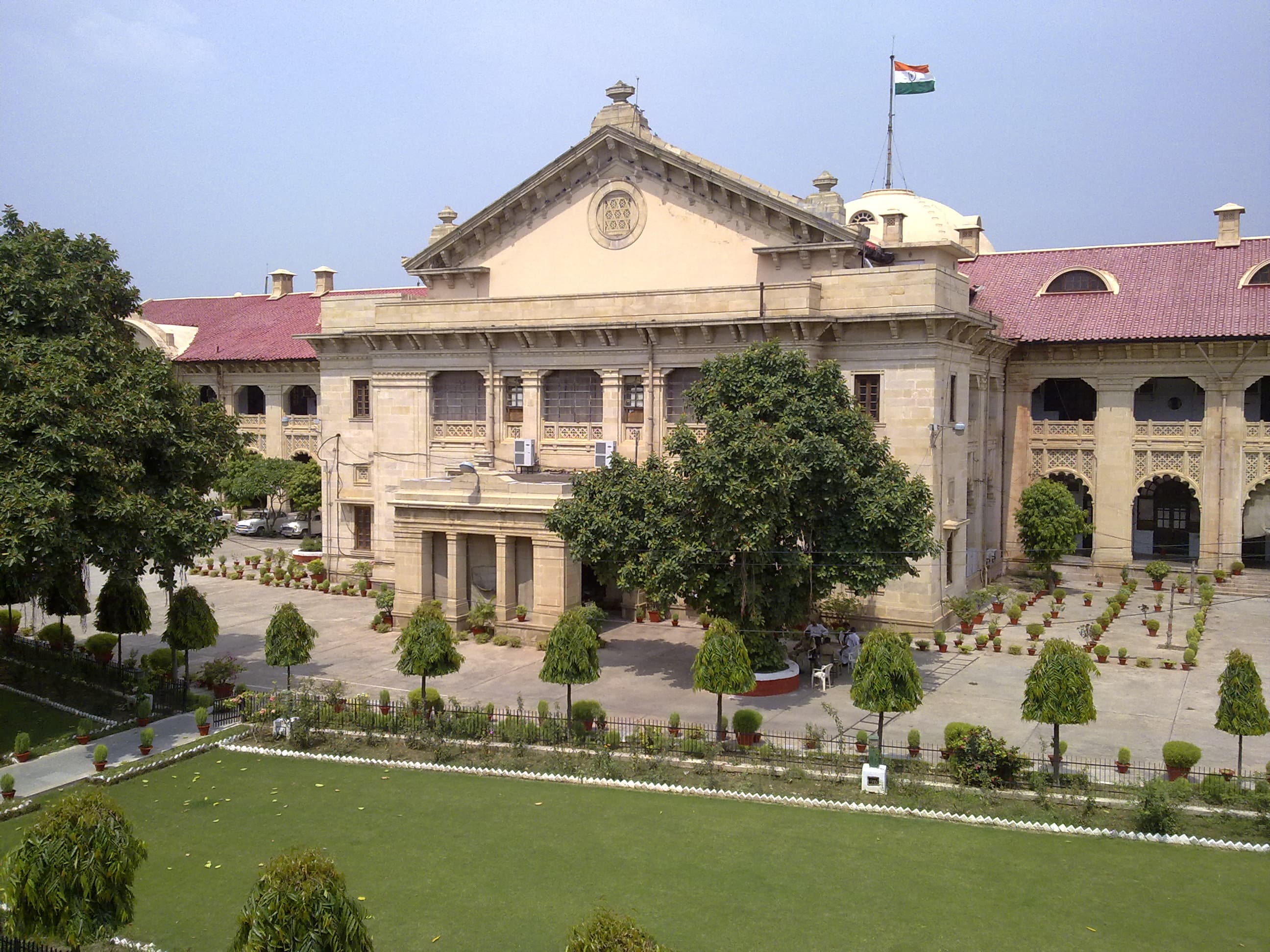
The tragic fire incidents in Aliganj and Vikas Nagar of Lucknow, claiming multiple lives, have shaken the state. Uttar Pradesh Minister Suresh Kumar Khanna has publicly assured strict action against those responsible. For victims and their families, the path to justice lies in the Bharatiya Nyaya Sanhita (BNS) and Bharatiya Nagarik Suraksha Sanhita (BNSS). This article, based on recent rulings of the Allahabad High Court (Lucknow Bench) and the Supreme Court, explains how the law holds building owners, municipal authorities, and fire departments accountable. If you or a loved one needs legal assistance, consult a criminal lawyer immediately.
Table of Contents
Need Immediate Legal Help?
If you're facing a legal emergency in Lucknow, don't wait. Contact experienced criminal lawyer Advocate Onkar Pandey for immediate assistance.
Legal Liability Under the Bharatiya Nyaya Sanhita (BNS)
The BNS, effective from July 2024, consolidates criminal law for offenses like negligence causing death. For the Lucknow fire tragedy, the following sections apply directly to the building owner and responsible officials:
| BNS Section | Old IPC Section | Offense | Punishment |
|---|---|---|---|
| Section 115 | 304A | Causing death by negligence | Imprisonment up to 2 years or fine or both |
| Section 116 | 337 | Causing hurt by negligence | Imprisonment up to 6 months or fine or both |
| Section 120 | 304A (rash act) | Causing death by rash driving or rash act | Imprisonment up to 5 years and fine |
| Section 133 | 283 | Obstructing public passage (blocked fire exits) | Fine up to ₹500 |
The Aliganj fire, where 15 people died due to a single exit and illegal commercial use, squarely falls under BNS Section 115. Building owners who convert residential premises to commercial use without proper fire safety measures cannot claim ignorance. The Allahabad High Court in Mohd. Meherban Ansari v. State of UP (2020) restrained regularization of such illegal constructions, holding that commercial activities in residential zones lead directly to fire safety failures.
Criminal Investigation and Arrest Under BNSS
Once an FIR is lodged under the relevant BNS sections, the police investigation follows the BNSS 2023. Key procedural provisions include:
- BNSS Section 175: Lays down procedure for arrest and investigation in cases of negligence causing death. Police can arrest the accused without warrant if the offense is cognizable.
- BNSS Section 183: Mandates that the investigation be completed within 60 days for offenses punishable with up to 10 years. In cases of death by negligence, quick investigation is critical.
- BNSS Section 528: Inherent powers of the High Court (equivalent to old Section 482 CrPC) — typically used for quashing FIRs. However, in a tragedy with clear negligence, quashing is unlikely.
The police must also examine municipal records — building plans, fire NOCs, and occupancy certificates. The Supreme Court in Rajendra Kumar Barjatya v. U.P. Avas Evam Vikas Parishad (2024) held that illegal constructions cannot be regularized and that no business license shall be granted for unauthorized structures. This removes the common defense of “pending regularization” used by owners in Lucknow.
Liability of Municipal and Fire Departments
Beyond the building owner, the Lucknow Municipal Corporation (LMC) and the Fire Department face liability for failure to enforce safety norms. The Allahabad High Court has repeatedly held public authorities accountable for negligence in fire safety enforcement.
Under BNS Section 115, public servants can be prosecuted if their omission amounts to negligence. Additionally, the following actions can be taken:
- Contempt of Court: If the High Court had earlier issued directions on fire safety that were ignored.
- Public Interest Litigation (PIL): Filed before the Lucknow Bench for compensation and systemic reforms.
- Disciplinary Proceedings: Under the UP Government Servant Conduct Rules, officials can be suspended for dereliction of duty.
The Minister’s statement on strict action indicates that the state government may also invoke the Disaster Management Act, 2005 to fix responsibility on officers. Victims can approach the State Human Rights Commission for compensation as well.
Legal Consultation
Talk directly to Advocate Onkar Pandey
Explain your matter over a call or WhatsApp. If you take the case forward, the consultation fee adjusts into your overall fee, so there is no separate charge to begin.
Compensation for Victims and Legal Remedies
Victims of the Lucknow fire tragedy are entitled to both criminal compensation and civil damages. The process involves:
| Type of Relief | Forum | Process | Timeline |
|---|---|---|---|
| Interim Compensation | District Magistrate, Lucknow | File application under Victim Compensation Scheme | 2-4 weeks |
| Civil Suit for Damages | Civil Court (Senior Division), Lucknow | File suit for negligence against owner and municipality | 6-12 months for interim relief |
| Criminal Compensation | Sessions Court / High Court | Included in final judgment under BNSS Section 483 | After conviction (1-2 years) |
Families of the deceased should approach the CJM Court Lucknow or the District Legal Services Authority for immediate financial aid. A criminal lawyer in Lucknow can help file the necessary applications and pursue the case in the Sessions Court or High Court.
Role of the Allahabad High Court (Lucknow Bench) in Fire Safety Cases
The Lucknow Bench of the Allahabad High Court has a strong record of suo motu intervention in fire safety issues. In Mohd. Meherban Ansari v. State of UP (2020:AHC-LKO:80656), the court restrained the state from regularizing illegal constructions under the Compounding Scheme, linking such violations directly to fire hazards.
Similarly, the Supreme Court in Rajendra Kumar Barjatya v. U.P. Avas Evam Vikas Parishad (2024) held that unauthorized constructions cannot be regularized by any authority. Both rulings strengthen the case against the Aliganj building owner, who operated a commercial coaching centre in a residential zone with a single exit.
Victims can file a Writ Petition (PIL) before the Lucknow Bench seeking:
- Directions for a fresh investigation by a specialized agency (like SIT).
- Compensation for victims.
- Action against erring officials under BNSS Section 528 (inherent powers).
Fees for filing a PIL in the High Court are nominal (₹500) and legal fees range from ₹50,000 to ₹1,50,000 for senior counsel. The timeline for urgent matters is typically 2-4 months.
Practical Steps for Victims and Their Families
If you or your family are affected by the Lucknow fire tragedy, take the following steps immediately:
- File an FIR at the local police station (Hazratganj or Vikas Nagar) under BNS Sections 115, 116, and 120. If the police refuse, approach the Superintendent of Police (City) Lucknow.
- Preserve evidence — photographs, medical reports, death certificates, and any document showing illegal construction or blocked exits.
- Engage a lawyer to monitor the investigation and file a bail cancellation application if the accused tries to secure anticipatory bail under BNSS Section 482 (Sessions Court) or regular bail under BNSS Sections 483/484.
- Apply for victim compensation through the District Legal Services Authority, Lucknow.
For legal assistance, contact a criminal defense lawyer experienced in fire tragedy cases.
About the Author
Advocate Onkar Pandey is a practicing lawyer at the Allahabad High Court Lucknow Bench with over 25 years of experience in criminal law, bail matters, FIR quashing, and family law. Enrolled with the Bar Council of Uttar Pradesh (No. UP/4825/1999), he provides expert legal guidance to clients across Uttar Pradesh from his chamber at A-406, High Court, Lucknow. For a consultation on Lucknow fire tragedy cases, contact Advocate Onkar Pandey at +91 98392 71553.
Frequently Asked Questions
Can the building owner be arrested without warrant for the Lucknow fire tragedy?+
Yes. Under BNSS Section 175, if the offense is cognizable (such as BNS Section 115 causing death by negligence), the police can arrest the accused without a warrant. The owner of the Aliganj building faces strict liability for operating a commercial coaching centre without fire NOC and with a single blocked exit.
What is the procedure to file a PIL in the Allahabad High Court Lucknow Bench for fire safety?+
A Public Interest Litigation (PIL) can be filed by any concerned citizen. You need to draft a petition stating the facts, violations (illegal construction, lack of fire exits), and relief sought. The filing fee is around ₹500. The matter is listed before a Division Bench within 2-4 weeks. It is advisable to engage a lawyer experienced in High Court litigation. The Lucknow Bench has taken suo motu cognizance in similar matters.
Can the municipal corporation and fire department also be prosecuted?+
Yes. Under BNS Section 115, public servants can be prosecuted if their negligence caused or contributed to the death. Fire department officials who failed to inspect the building and municipal officers who allowed illegal commercial use can face criminal proceedings. Victims can file a complaint before the Chief Judicial Magistrate (CJM) Lucknow or approach the High Court under BNSS Section 528.
What compensation can the victims' families get?+
The UP Victim Compensation Scheme provides up to ₹5-10 lakh for death in such cases. Additionally, a civil suit for damages can be filed against the building owner and municipal corporation for negligence. The High Court may also award interim compensation in a PIL. Contact the District Legal Services Authority, Lucknow for immediate assistance.
How long does the trial take in a negligence causing death case?+
Under BNSS, the investigation must be completed within 60 days for offenses punishable up to 10 years. The trial in the Sessions Court may take 6-12 months if the accused is in custody. However, appeals to the High Court can extend the timeline to 2-3 years. Urgent matters like bail cancellation can be heard within weeks.
What if the accused applies for anticipatory bail?+
Anticipatory bail under BNSS Section 482 is available only from the Sessions Court or High Court. In a case of death by negligence due to illegal construction, courts are generally reluctant to grant pre-arrest bail. The prosecution can oppose it strongly, citing the Supreme Court's ruling in Rajendra Kumar Barjatya. Victims' lawyers can file a caveat to ensure they are heard before any bail order is passed.
Can the FIR be quashed by the High Court?+
Under BNSS Section 528 (inherent powers), the High Court can quash an FIR only if no offense is disclosed. In the Lucknow fire tragedy, where negligence is evident from blocked exits and illegal commercial use, quashing is highly unlikely. The Allahabad High Court in Mohd. Meherban Ansari has already linked such violations to fire failures, strengthening the case against quashing.
Related Services
Get Expert Legal Advice in Lucknow
20+ years experience in criminal law at Lucknow High Court. Available 24/7 for emergencies.
Disclaimer: This article is for general information purposes only and does not constitute legal advice. Every case is unique and requires specific legal analysis. For advice specific to your situation, please consult Advocate Onkar Pandey or another qualified attorney in Lucknow.