Speedy Trial Not a Shortcut to Bail: Supreme Court Reaffirms Strict NDPS Bail Conditions
Quick Answer
Speedy trial is not a shortcut to bail in NDPS cases — the Supreme Court has firmly reiterated that mere delay in trial does not override the stringent conditions under Section 37 of the NDPS Act. For clients in Lucknow facing commercial-quantity charges, this ruling means that prolonged incarcer…
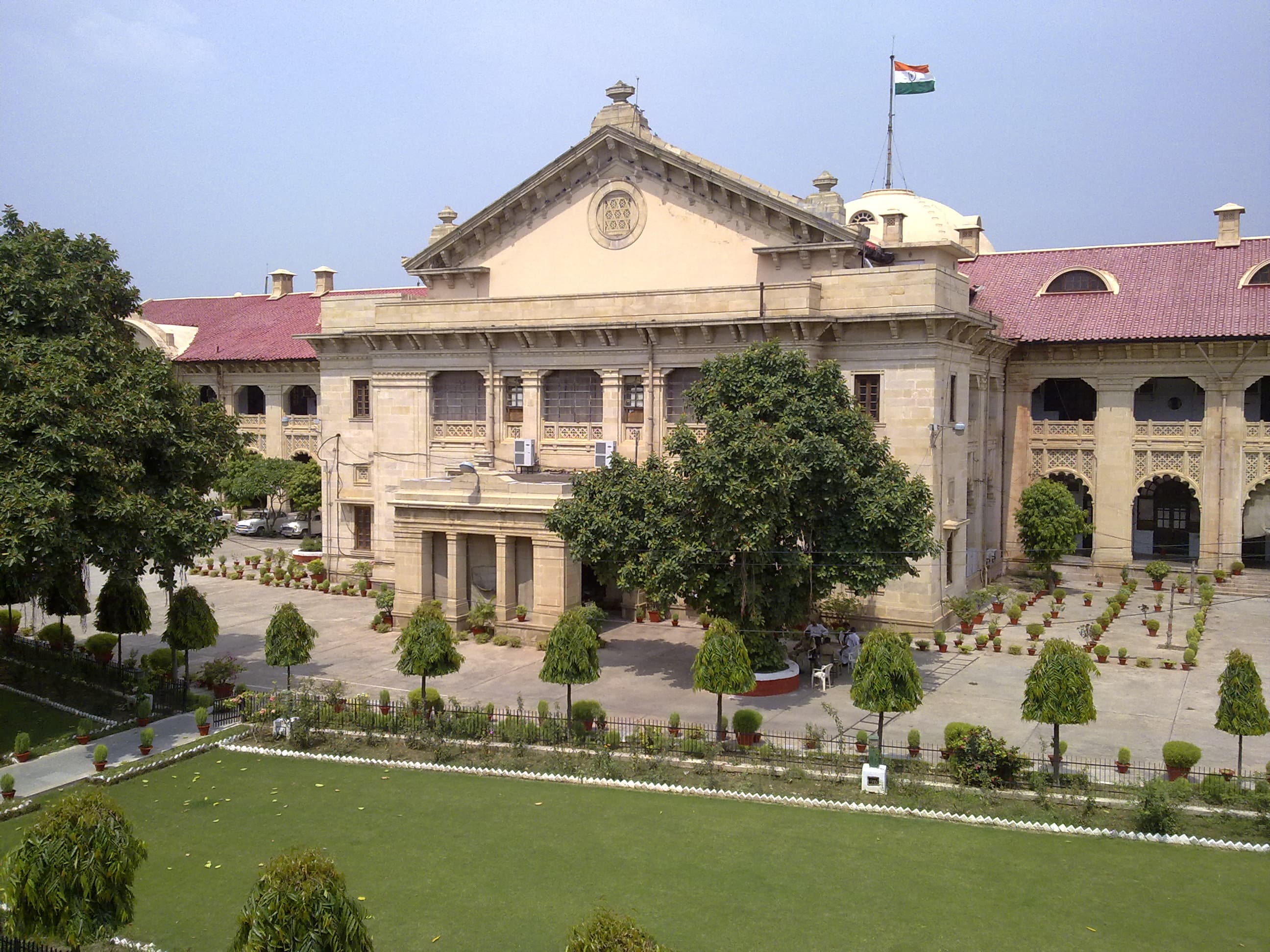
Speedy trial is not a shortcut to bail in NDPS cases — the Supreme Court has firmly reiterated that mere delay in trial does not override the stringent conditions under Section 37 of the NDPS Act. For clients in Lucknow facing commercial-quantity charges, this ruling means that prolonged incarceration alone is insufficient grounds for bail. The Allahabad High Court, following the same principle, has consistently denied bail where twin conditions are not met. However, extreme delay with no trial progress may still open a window through Article 21, as seen in recent judgments. A skilled criminal lawyer in Lucknow can navigate these nuances.
Table of Contents
Need Immediate Legal Help?
If you're facing a legal emergency in Lucknow, don't wait. Contact experienced criminal lawyer Advocate Onkar Pandey for immediate assistance.
Can a Delayed Trial Secure Bail in NDPS Cases?
The direct answer is: generally no, but with exceptions. The Supreme Court in Narcotics Control Bureau v. Mohit Aggarwal (2022) 18 SCC 374 held that custody length, filing of charge-sheet, or non-commencement of trial by themselves are not persuasive grounds for bail when commercial quantity and the statutory embargo apply. This remains the dominant position in Lucknow courts.
However, the Mohd. Muslim doctrine — derived from Mohd. Muslim v. State (NCT of Delhi) — provides a pathway where prolonged incarceration with no real trial progress can justify bail through Article 21, now mapped to BNSS Section 479 (old CrPC 436A). In Ankur Chaudhary v. State of Madhya Pradesh (2024), the Supreme Court held that prolonged incarceration with a stalled trial cannot be reconciled with Article 21. But these are fact-specific exceptions, not a general relaxation.
- Key takeaway: In Lucknow, a bail application relying solely on trial delay will likely fail absent extreme facts.
- Statutory anchor: Section 37 NDPS Act read with BNSS Section 484 (High Court bail power).
Understanding Section 37 NDPS Act: The Twin Conditions
Section 37 imposes two mandatory conditions for granting bail in offences involving commercial quantity: (1) the court must be satisfied that there are reasonable grounds for believing the accused is not guilty, and (2) the accused is not likely to commit any offence while on bail. These conditions are cumulative and override general bail provisions.
| Condition | Detail |
|---|---|
| Not guilty belief | Court must find prima facie innocence based on material on record. |
| No future offence | Past conduct and antecedents weighed. |
Under the BNSS, the procedural provisions complement Section 37. For instance, BNSS Section 482 (old Section 438 CrPC) governs anticipatory bail but remains subject to the NDPS embargo. In Lucknow's Sessions Court and Allahabad High Court, these conditions are strictly applied.
- First step: Determine if the quantity is commercial, intermediate, or small.
- Second step: If commercial, the twin conditions must be argued with supporting evidence.
Landmark Supreme Court Rulings on NDPS Bail
The Supreme Court has repeatedly clarified the interplay between speedy trial and Section 37. Below is a summary of key rulings relevant to Lucknow practitioners.
| Case | Principle | Impact on Bail |
|---|---|---|
| Narcotics Control Bureau v. Mohit Aggarwal (2022) 18 SCC 374 | Custody length and trial delay alone do not justify bail under Section 37. | Reinforced strict approach; widely cited in Allahabad HC. |
| Mohd. Muslim v. State (NCT of Delhi) | Extreme delay with no trial progress can invoke Article 21 via BNSS Section 479. | Exception for prolonged incarceration beyond half of maximum sentence. |
| Ankur Chaudhary v. State of Madhya Pradesh (2024) | Prolonged incarceration with stalled trial violates Article 21. | Further widened exception but not a general rule. |
| State of Punjab v. Sukhwinder Singh (2026 INSC 411) | Speedy-trial right alone cannot dilute Section 37 twin conditions. | Reaffirmed Mohit Aggarwal; set aside HC bail in commercial cocaine case. |
For Lucknow cases, the Sukhwinder Singh ruling is particularly instructive — it reaffirms that speedy trial is not a shortcut to bail under NDPS.
Legal Consultation
Talk directly to Advocate Onkar Pandey
Explain your matter over a call or WhatsApp. If you take the case forward, the consultation fee adjusts into your overall fee, so there is no separate charge to begin.
Allahabad High Court's Approach: Anil Kumar Mishra Case
The Allahabad High Court in Anil Kumar Mishra v. State of U.P. (exact citation unavailable in public records) considered a second bail application under Sections 8/21/29 NDPS Act. While granting bail subject to conditions, the court underscored that each application must be assessed on fresh grounds — trial delay alone is insufficient unless coupled with material showing no prima facie case or change in circumstances.
Practitioners in Lucknow often file bail applications under BNSS Section 484 (High Court bail power after rejection) read with Section 37. The High Court scrutinizes: (1) nature and quantity of contraband, (2) role of accused, (3) criminal antecedents, and (4) trial progress. A mere delay without showing lack of evidence or compliance with twin conditions rarely succeeds.
- Tip: In Lucknow, always attach case diary, forensic reports, and witness list to show no prima facie guilt.
- Second bail application: Must highlight new facts or changed circumstances, per Allahabad HC practice.
Practical Tips for Filing a Bail Application in Lucknow
When seeking bail in an NDPS case in Lucknow, follow these steps:
- Identify the quantity: If commercial, you face the Section 37 embargo. If small or intermediate, bail is more accessible under BNSS Section 483 (old CrPC 437).
- Gather evidence: Collect seizure memo, chemical analyst report, witness statements — argue lack of conscious possession or procedural violations.
- Invoke delay argument: Use BNSS Section 479 (half-maximum period bail) if custody exceeds half of maximum sentence and trial not concluded. Cite Mohd. Muslim and Ankur Chaudhary.
- File before appropriate court: Magistrate for non-commercial, Sessions or High Court for commercial after rejection — BNSS Section 484.
- Anticipatory bail: Available under BNSS Section 482 but rarely granted in commercial NDPS; seek it before the Sessions Court or High Court immediately upon FIR.
Engage an experienced bail lawyer in Lucknow to navigate these procedural traps.
Conclusion: Speedy Trial vs. Statutory Bar
The Supreme Court and Allahabad High Court have drawn a clear line: the right to a speedy trial under Article 21 does not automatically translate into a right to bail when Section 37 of the NDPS Act applies. The BNSS provisions — Sections 479, 482, 483, and 484 — provide the procedural framework, but the substantive NDPS law remains paramount. For accused persons in Lucknow, the only viable route is to demonstrate that the twin conditions are met or that extreme delay violates fundamental rights. Legal guidance from a seasoned criminal defense lawyer is indispensable.
About the Author
Advocate Onkar Pandey is a practicing lawyer at the Allahabad High Court Lucknow Bench with over 25 years of experience in criminal law, bail matters, FIR quashing, and family law. Enrolled with the Bar Council of Uttar Pradesh (No. UP/4825/1999), he provides expert legal guidance to clients across Uttar Pradesh from his chamber at A-406, High Court, Lucknow. For a consultation on NDPS bail, contact Advocate Onkar Pandey at +91 98392 71553.
Frequently Asked Questions
What is Section 37 of the NDPS Act?+
Section 37 imposes twin conditions for bail in commercial-quantity offences: the court must believe the accused is not guilty and that they will not commit an offence while on bail. These conditions override general bail provisions under BNSS. In Lucknow, courts strictly apply this section.
Can delay in trial alone get me bail in an NDPS case?+
Generally, no. The Supreme Court in Mohit Aggarwal (2022) and Sukhwinder Singh (2026) held that delay alone does not justify bail under Section 37. However, extreme delay with no trial progress may be considered under Article 21 via BNSS Section 479, as seen in Mohd. Muslim and Ankur Chaudhary.
What is BNSS Section 479 and how does it apply?+
BNSS Section 479 (old CrPC 436A) provides for bail if the accused has undergone half the maximum sentence and trial is not likely to conclude soon. In NDPS cases, this provision can be invoked along with Article 21 arguments, but it does not override Section 37.
Can I get anticipatory bail in an NDPS case?+
Anticipatory bail under BNSS Section 482 is possible but rarely granted in commercial-quantity NDPS cases due to Section 37. Courts in Lucknow, including the Allahabad High Court, require a strong prima facie case of innocence. Non-commercial cases have better chances.
What is the role of the Allahabad High Court in NDPS bail?+
The Allahabad High Court exercises bail power under BNSS Section 484 after rejection by lower courts. It follows Supreme Court precedent from Mohit Aggarwal and Sukhwinder Singh, focusing on twin conditions and trial progress. The High Court may grant bail in exceptional delay cases per Mohd. Muslim.
What should I do if my trial is delayed in Lucknow?+
File a bail application under BNSS Section 479 read with Article 21, citing delays and lack of trial progress. Provide evidence of incarceration period and court orders showing adjournments. An experienced lawyer can argue that continued detention violates fundamental rights.
How can a criminal lawyer in Lucknow help me?+
A skilled criminal lawyer at the Allahabad High Court Lucknow Bench can analyze the evidence, assess quantity, apply the correct BNSS provisions, and craft arguments around Section 37 exceptions. They can also file successive bail applications if new grounds emerge.
Related Guides
Related Services
Get Expert Legal Advice in Lucknow
20+ years experience in criminal law at Lucknow High Court. Available 24/7 for emergencies.
Disclaimer: This article is for general information purposes only and does not constitute legal advice. Every case is unique and requires specific legal analysis. For advice specific to your situation, please consult Advocate Onkar Pandey or another qualified attorney in Lucknow.