Can Parents Evict Their Son Under the UP Senior Citizens Act? Allahabad High Court Draws a Hard Line in 2026
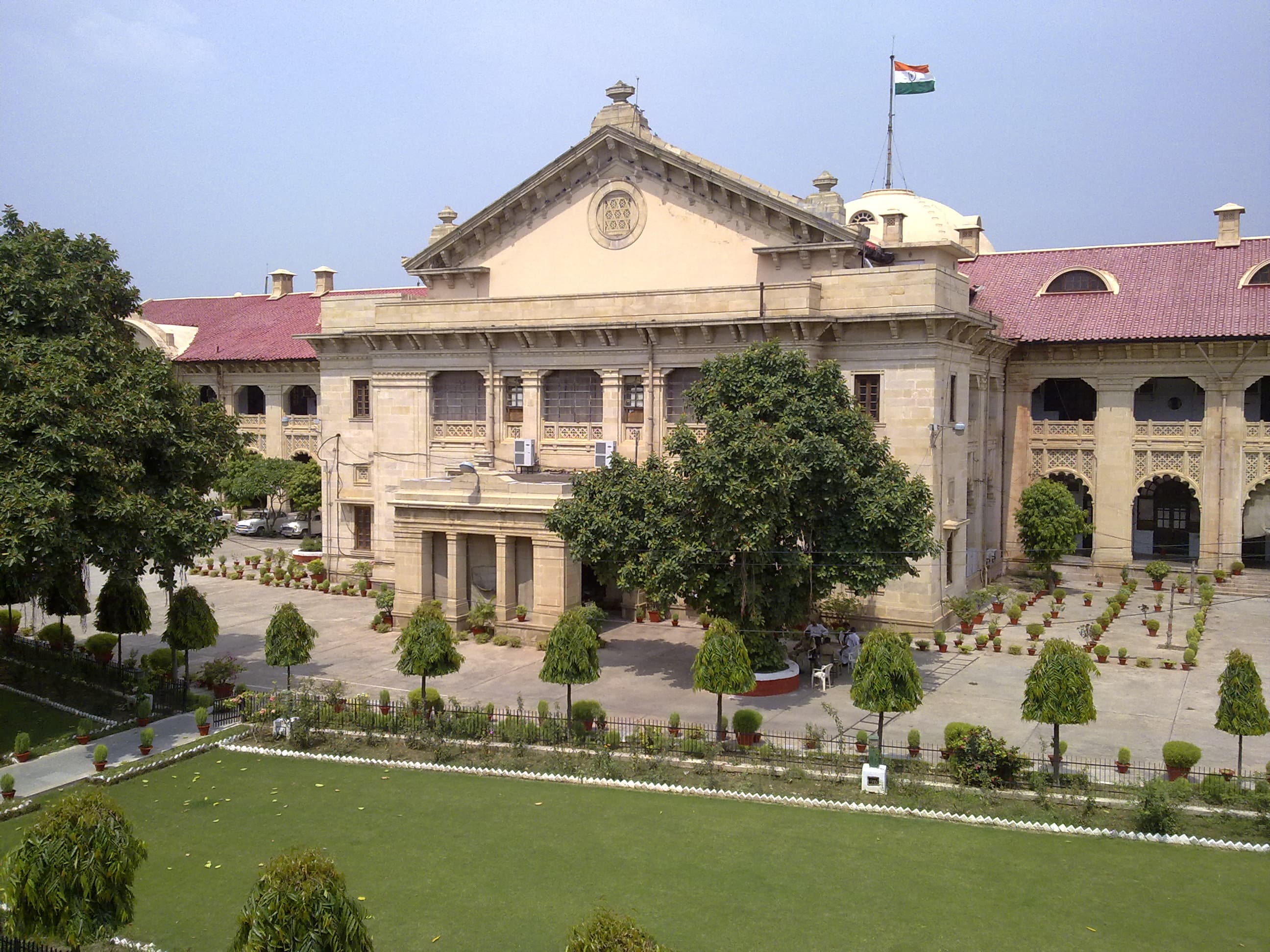
A growing number of families in Uttar Pradesh are watching the same drama play out: elderly parents move the local SDM or tribunal under the Maintenance and Welfare of Parents and Senior Citizens Act, 2007, asking for the son and daughter-in-law to be thrown out of the family house. For nearly fifteen years, these tribunals have happily passed eviction orders treating the law as a fast-track property remedy. In March 2026, the Allahabad High Court's Lucknow Bench, in Magghu Ram v. State of U.P., has firmly pulled the brakes — tribunals cannot decide ownership or possession of immovable property, and contested title questions must go to a regular civil court. This shift changes how every property dispute dressed up as a maintenance complaint will now be argued before the Lucknow Bench and across UP.
Table of Contents
Need Immediate Legal Help?
If you're facing a legal emergency in Lucknow, don't wait. Contact experienced criminal lawyer Advocate Onkar Pandey for immediate assistance.
What the Allahabad High Court Held in Magghu Ram (2026)
Justice Subhash Vidyarthi, sitting at the Lucknow Bench, delivered the judgment on 22 March 2026 in Magghu Ram v. State of U.P. and Ors., reported as 2026:AHC-LKO:17019. The Court was hearing a writ petition against an eviction order passed by an authority under the UP Maintenance and Welfare of Parents and Senior Citizens Rules, 2014. The petitioner's case was simple — the tribunal had short-circuited a genuine title dispute by treating the senior citizen's complaint as a possessory eviction proceeding.
The High Court agreed and held:
- Tribunals lack jurisdiction to adjudicate rival claims of ownership or possession over immovable property.
- Such disputes need proper pleadings, evidence and a reasoned judgment by a competent civil or revenue court.
- Section 22 of the Senior Citizens Act and Rule 21 of the 2014 Rules can be used to protect a senior citizen's life and property — but not to settle title.
The reasoning is consistent with how the Lucknow Bench of the Allahabad High Court has been reading summary statutes for the last two years: speed cannot replace due process when ownership is genuinely contested.
How the Senior Citizens Act Was Being Misused in UP
The 2007 Act was designed for a narrow and humane purpose. Children who refuse to maintain their old parents can be directed to pay a monthly allowance. If they harass their parents, the parents can ask the tribunal for protection. Over time, however, the statute was stretched to do work it was never written for.
In our chamber's experience, the most common misuse patterns in Lucknow, Kanpur, Allahabad and Varanasi are:
- A parent files a maintenance complaint with the SDM asking for eviction of the son and daughter-in-law from a self-acquired or even disputed house.
- The complaint silently bypasses a parallel civil suit for partition or declaration of title.
- The tribunal, faced with an emotional narrative, passes a quick eviction order without examining title documents.
- The son discovers that he has effectively lost his coparcenary share or his contribution to construction without any trial.
This is exactly the path the Magghu Ram judgment now blocks. Where ownership is contested or the son claims an independent right — whether by gift, purchase, contribution to construction, or inheritance — the matter belongs to the civil court, not the SDM.
Tribunal vs Civil Court: What Each Can and Cannot Decide
The biggest practical question for families across UP is jurisdictional. Where do you file what? The table below summarises the position after the 2026 Allahabad HC ruling.
| Issue | Senior Citizens Tribunal (SDM) | Civil / Revenue Court |
|---|---|---|
| Monthly maintenance for parent | Yes — Section 5 | No — barred |
| Protection from harassment | Yes — Section 22(2) | Concurrent |
| Eviction where title is admitted | Limited — only if the parent's exclusive ownership is undisputed | Yes — declaratory suit |
| Eviction where son claims ownership share | No jurisdiction (Magghu Ram, 2026) | Yes — Title or partition suit |
| Cancellation of gift deed under Section 23 | Yes — narrow conditions | Yes — broader grounds |
| Mutation, partition, possession recovery | No | Civil court or revenue court |
The takeaway is straightforward. If the property title is contested even in part, the SDM tribunal must step aside. The senior citizen is free to pursue maintenance and protection orders in parallel, but the property fight has to go through a proper civil trial with examination of title deeds, sale consideration and possession evidence.
Legal Consultation
Talk directly to Advocate Onkar Pandey
Explain your matter over a call or WhatsApp. If you take the case forward, the consultation fee adjusts into your overall fee, so there is no separate charge to begin.
Section 23 of the Senior Citizens Act: The Gift Deed Trap
One narrow but powerful provision continues to operate. Section 23 allows a senior citizen who has transferred property to a child by gift or otherwise — subject to the condition that the child will maintain the parent — to have that transfer declared void if the child neglects to provide basic amenities and physical needs. This is the one area where tribunals retain real teeth even after Magghu Ram.
To succeed under Section 23, the senior citizen must show:
- The transfer was made after 24 December 2007, the date the Act came into force.
- There was an express or implied condition of maintenance attached to the transfer.
- The transferee has refused or failed to provide basic amenities and physical needs.
Courts have read this provision strictly. A simple oral promise is rarely enough. The Supreme Court has held that the maintenance condition must be reasonably inferable from the transaction itself. Where the gift deed records no such condition and the relationship simply soured later, Section 23 cannot rescue the parent. A litigant facing such a cancellation order should consult a lawyer who handles both family matters and property to identify the real ground of attack.
Practical Steps if You Receive a Senior Citizens Act Notice in UP
Whether you are the son, the daughter-in-law, or a tenant facing a complaint, the first seven days after receiving a tribunal notice decide the outcome. Treat the proceeding seriously even though it looks summary on paper.
- Read the prayer clause carefully. Is the parent asking only for monthly maintenance, or also for eviction or cancellation of a deed? The defence strategy differs sharply.
- Gather title documents at once. Sale deed, gift deed, mutation entries, electricity and water connections in your name, property tax receipts, and bank records showing contribution to construction.
- File a written objection raising the jurisdictional bar laid down in Magghu Ram v. State of U.P. wherever ownership or possession is genuinely contested.
- Consider a pre-emptive civil suit. A suit for declaration and injunction before the competent civil court at Lucknow or your district can freeze the tribunal proceedings on the property aspect.
- Do not boycott the hearing. Tribunals routinely pass ex parte eviction orders when the respondent does not appear.
Where the parent's complaint includes allegations of physical neglect or financial siphoning, parallel criminal defence preparation is wise — these matters can escalate into FIRs under elder-abuse provisions of the BNS.
Writ Remedy at the Lucknow Bench: When and How
If a tribunal does pass an eviction order despite a serious title dispute, the right remedy is a writ petition under Article 226 before the Lucknow Bench of the Allahabad High Court. The Magghu Ram judgment is now your direct authority. Most such petitions succeed at the admission stage with an interim stay of eviction.
Key drafting points used in our chamber:
- Plead specific title. Annex the document on which you base your claim — sale deed, partition deed, family settlement, or contribution evidence.
- Highlight the absence of any inquiry into title in the tribunal order. Quote the operative paragraph showing that no evidence was recorded.
- Pray for an interim stay of dispossession. Eviction is irreversible and the High Court has been generous with such relief once a prima facie title claim is shown.
- Reserve liberty to file a regular civil suit for declaration and injunction.
Writ jurisdiction does not decide title — that remains the job of the civil court — but it can suspend the wrong forum's order until the right forum rules. Litigants who delay the writ filing often find that physical possession has already been disturbed, which complicates everything that follows. If the dispute also involves an FIR or counter-FIR between family members, a coordinated strategy across forums is essential.
Why This 2026 Ruling Matters Beyond the Single Case
Magghu Ram is not a one-off. It joins a line of recent Allahabad High Court decisions that have repeatedly told summary tribunals — mutation authorities, revenue officers, municipal bodies — to stop deciding civil questions that belong to civil courts. Earlier in 2026, the Court had held that mutation proceedings cannot decide property title. Now, the same logic has reached the Senior Citizens Act forum.
The combined message for litigants is consistent:
- Summary forums protect uncontested rights quickly. They are not equipped to decide contested rights.
- Where ownership is genuinely in dispute, the path runs through a properly framed property suit in the civil court.
- Eviction orders passed without title inquiry are increasingly vulnerable to writ review.
For senior citizens with genuine grievances, the law still offers maintenance and protection. For children and tenants caught in family property fights dressed up as elder-care complaints, the 2026 ruling provides much-needed breathing room and a clear forum map.
About the Author
Advocate Onkar Pandey practises before the Lucknow Bench of the Allahabad High Court (Bar Council UP No. 4825-1999, enrolled 1999). His chamber handles property disputes, family matters, Senior Citizens Act tribunal proceedings, and writ petitions under Article 226 across Uttar Pradesh. For a confidential briefing on a senior citizens act eviction notice or a property title dispute, contact the office at +91 98392 71553 or visit Chamber A-406, High Court, Lucknow.
Frequently Asked Questions
Can my parents evict me from their house using the UP Senior Citizens Act in 2026?+
Only in narrow circumstances. After the Allahabad High Court's March 2026 ruling in Magghu Ram v. State of U.P., the SDM or tribunal under the UP Maintenance and Welfare of Parents and Senior Citizens Rules, 2014 cannot evict a son or daughter-in-law where title or possessory rights are genuinely contested. If you have an independent claim — by contribution to construction, gift, purchase, inheritance, or coparcenary right — the dispute must be decided by a civil court after recording evidence. Tribunals can still grant maintenance and protection orders, and can cancel a gift deed under Section 23 in limited circumstances, but pure eviction in a contested-title case is now beyond their jurisdiction. File a written objection raising this bar immediately on receiving the notice.
What is Section 23 of the Senior Citizens Act and when does it apply?+
Section 23 of the Maintenance and Welfare of Parents and Senior Citizens Act, 2007 allows a senior citizen to have a property transfer declared void if it was made with an express or implied condition that the transferee would provide maintenance and basic amenities, and the transferee later refused or failed to do so. The transfer must have taken place after 24 December 2007. Courts have applied this provision strictly — a simple deterioration of relations is not enough, and the maintenance condition must be reasonably inferable from the transaction. Section 23 remains the one area where tribunals retain real authority over property after the 2026 Magghu Ram judgment, so it is often the senior citizen's strongest weapon when properly framed.
Which court should I approach if my parents have filed a property eviction complaint in Lucknow?+
Two forums matter and they do different work. The senior citizens tribunal at the SDM level can still decide maintenance and protection claims, so you must appear and file a written objection there raising the jurisdictional bar. Simultaneously, if the property's ownership is genuinely contested, you should file a civil suit for declaration of title and a permanent injunction before the competent civil court — usually the Civil Judge (Senior Division) at the district headquarters. In Lucknow, this is the Civil Court complex at Kaiserbagh. If an eviction order has already been passed without inquiry into title, the remedy is a writ petition under Article 226 before the Lucknow Bench of the Allahabad High Court.
Can the senior citizens tribunal decide ownership of property in Uttar Pradesh?+
No. The Allahabad High Court has now clearly held in Magghu Ram v. State of U.P. (2026:AHC-LKO:17019) that authorities functioning under the UP Maintenance and Welfare of Parents and Senior Citizens Rules, 2014 cannot adjudicate rival claims to ownership or possession of immovable property. The tribunal can hear maintenance applications, pass protection orders, and in narrow cases cancel a gift deed under Section 23, but the broader question of who owns the house or land must be decided by a civil or revenue court after proper pleadings, documentary proof, and oral evidence. Any tribunal order that decides title without such inquiry is vulnerable to being set aside in writ proceedings before the High Court.
What documents should I keep ready to defend a Senior Citizens Act notice in UP?+
Prepare a documentary file in the first week itself. Carry the registered sale deed or gift deed in your favour, mutation entries in revenue records, electricity and water connection papers showing your name, property tax receipts, bank statements proving contribution to purchase or construction, and any partition deed or family settlement that records your share. If construction was incremental, photographs with dates, contractor receipts and material bills help. Also keep maintenance receipts and proof that you have been supporting your parents, since the parent's complaint will often allege neglect. A written objection drafted by an experienced lawyer in Lucknow, anchoring on the 2026 Magghu Ram ruling, is the single most valuable document at this stage.
Can a writ petition stay an eviction order passed by the senior citizens tribunal?+
Yes, and this is currently the fastest remedy. The Lucknow Bench of the Allahabad High Court regularly entertains writ petitions under Article 226 challenging eviction orders passed by senior citizens tribunals without inquiry into title. The Magghu Ram judgment of March 2026 gives you a direct authority on jurisdictional excess. In our chamber's experience, interim stay of dispossession is often granted at the admission stage where the petitioner shows a prima facie title claim and the absence of any evidence-recording in the tribunal order. File the petition quickly — within days of receiving the eviction order — because once physical possession is disturbed, restoration becomes a separate and slower battle. Speak to counsel before any bailiff visit.
Does the 2026 Allahabad High Court ruling protect the daughter-in-law as well?+
The Magghu Ram judgment applies on jurisdictional grounds and protects anyone facing eviction by a senior citizens tribunal where property ownership is contested — son, daughter, daughter-in-law, son-in-law or even a tenant. The daughter-in-law has additional protections under the Protection of Women from Domestic Violence Act, 2005, which recognises her right to reside in the shared household. The Supreme Court has held that a senior citizen's rights under the 2007 Act and a daughter-in-law's residence rights under the 2005 Act must be balanced, not used to override each other. Where both statutes are invoked, the daughter-in-law should file a parallel application under the Domestic Violence Act and a written objection in the tribunal raising the title dispute.
Related Services
Get Expert Legal Advice in Lucknow
20+ years experience in criminal law at Lucknow High Court. Available 24/7 for emergencies.
Disclaimer: This article is for general information purposes only and does not constitute legal advice. Every case is unique and requires specific legal analysis. For advice specific to your situation, please consult Advocate Onkar Pandey or another qualified attorney in Lucknow.