Succession to the Office of Sajjadanashin: Key Legal Insights
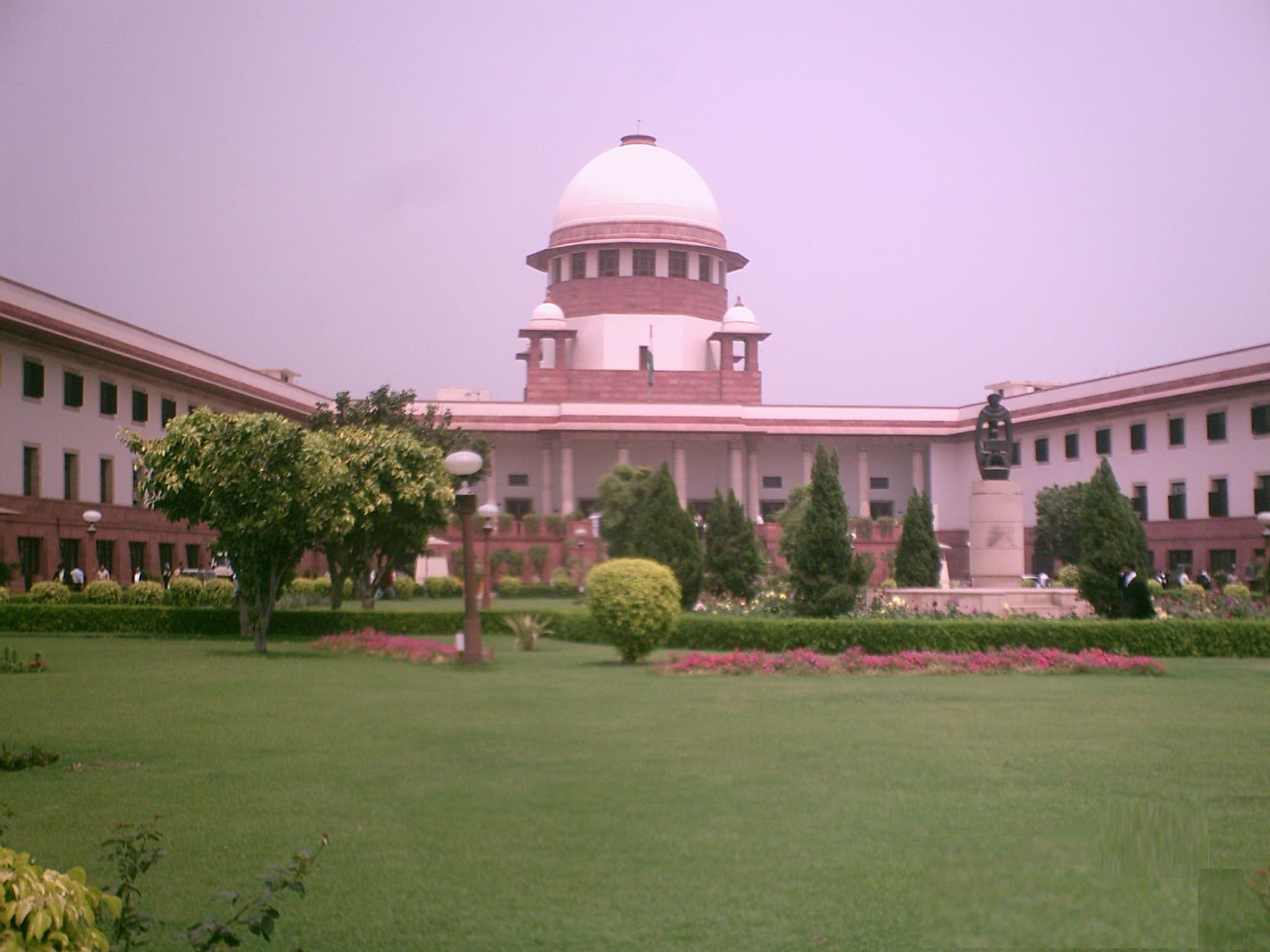
Table of Contents
Need Immediate Legal Help?
If you're facing a legal emergency in Lucknow, don't wait. Contact experienced criminal lawyer Advocate Onkar Pandey for immediate assistance.
Understanding Sajjadanashin and Its Importance
The term Sajjadanashin refers to the titleholder of a religious or spiritual seat, often seen in certain Islamic traditions. This position holds significant social and cultural relevance, especially in Uttar Pradesh.
In many cases, the succession to this office is not merely determined by bloodline. Instead, it relies heavily on customary practices and valid nomination by the existing Sajjadanashin or the community.
- It ensures that the successor possesses the necessary qualifications.
- It affirms the community's trust and respect towards the new leader.
Supreme Court's Ruling on Succession
The recent ruling by the Supreme Court clarified that succession to the office of Sajjadanashin cannot be assumed solely based on lineage. Instead, the court emphasized the importance of customary law and the process of nomination.
This landmark decision affects various ongoing property disputes related to religious leadership and has set a precedent for future cases.
Key points from the ruling include:
- Custom and nomination take precedence over mere blood relations.
- The legitimacy of the successor must be recognized by the community.
The Role of Customary Law
Customary law plays a vital role in determining succession to the Sajjadanashin office. In many cases, the established customs dictate the process of nomination and the qualifications of the successor.
| Aspect | Customary Law | Lineal Inheritance |
|---|---|---|
| Qualification | Based on community standards | Bloodline only |
| Community Involvement | Active participation required | No significant role |
This distinction is crucial for avoiding disputes and ensuring a smooth transition of leadership.
Legal Consultation
Talk directly to Advocate Onkar Pandey
Explain your matter over a call or WhatsApp. If you take the case forward, the consultation fee adjusts into your overall fee, so there is no separate charge to begin.
Valid Nomination Process
The process of valid nomination for the position of Sajjadanashin involves several critical steps:
- Consultation with community elders or existing leaders.
- Identification of a suitable candidate based on qualifications.
- Formal announcement and acceptance by the community.
Each of these steps must be adhered to for the nomination to be considered valid, further reinforcing the essence of community consensus.
Implications for Property Disputes
With the Supreme Court's ruling, several implications arise for ongoing property disputes in Uttar Pradesh:
- Disputes arising from claims of inheritance may be challenged based on the new understanding of succession.
- Communities may face legal challenges if they disregard the nomination process.
It is essential for parties involved in such disputes to consult with a knowledgeable criminal lawyer to navigate the complexities of these cases.
Conclusion: Moving Forward
As the legal landscape regarding the succession to the office of Sajjadanashin evolves, it is crucial for individuals and communities to stay informed about their rights and responsibilities. Engaging in open dialogue and adhering to customary practices can help prevent disputes.
For further assistance, consider reaching out to legal professionals who specialize in property disputes to ensure compliance with both customary law and the recent judicial decisions.
About the Author
Advocate Onkar Pandey is a seasoned lawyer specializing in succession laws, property disputes, and family law in Lucknow. With extensive experience in navigating the complexities of the legal system, he provides expert guidance to clients dealing with issues related to succession to the office of Sajjadanashin and other property matters.
Frequently Asked Questions
What is the role of the Supreme Court in succession disputes?+
The Supreme Court plays a vital role in interpreting laws and setting precedents in succession disputes, especially regarding customary practices and valid nominations. Their rulings ensure that community customs are respected and that succession is not solely determined by blood relations.
How can a nomination be challenged legally?+
A nomination can be challenged if it does not adhere to customary practices or lacks community acceptance. Legal recourse can be sought through the appropriate civil court or family court, depending on the nature of the dispute.
What are the legal requirements for a valid nomination?+
A valid nomination must involve community consultation, identification of a suitable candidate, and formal acceptance. Failing to follow these steps may result in disputes and legal challenges.
Can inheritance laws override customary practices?+
Generally, inheritance laws cannot override established customary practices in the context of Sajjadanashin succession. The Supreme Court's ruling emphasizes that customary law prevails in such cases.
What steps can be taken to avoid disputes in succession?+
To avoid disputes, it is advisable to engage in community discussions regarding succession, adhere to customary practices, and ensure that the nomination process is transparent and accepted by all relevant parties.
How does this ruling affect family law in Uttar Pradesh?+
This ruling reinforces the importance of community customs in family law matters, particularly in succession disputes. It highlights the need for legal professionals to consider both statutory and customary laws when advising clients.
Related Services
Get Expert Legal Advice in Lucknow
20+ years experience in criminal law at Lucknow High Court. Available 24/7 for emergencies.
Disclaimer: This article is for general information purposes only and does not constitute legal advice. Every case is unique and requires specific legal analysis. For advice specific to your situation, please consult Advocate Onkar Pandey or another qualified attorney in Lucknow.