Registered Sale Deed Is Not Ownership — What the Supreme Court Held in 2026 and What It Means for Property Buyers in Uttar Pradesh
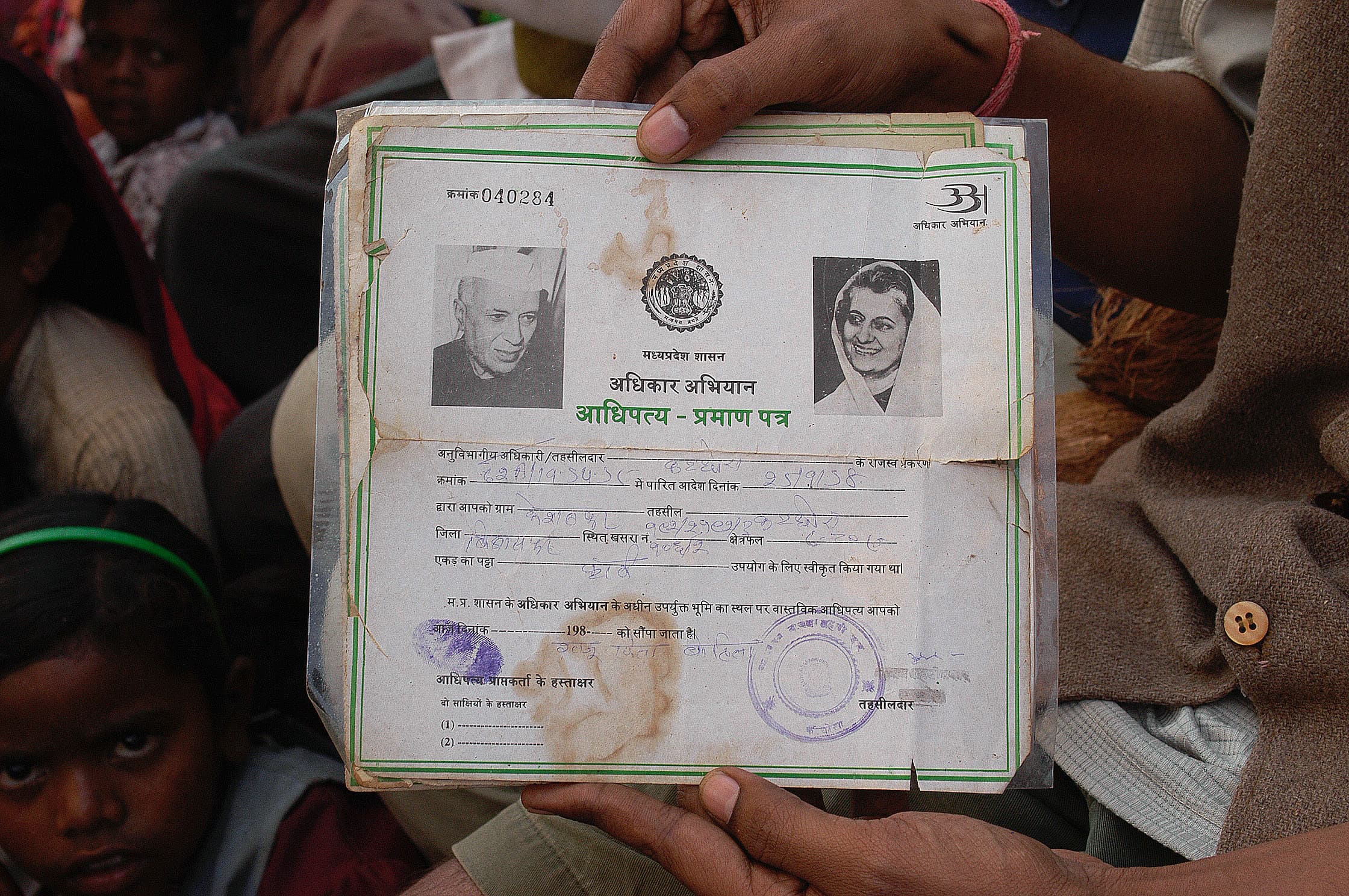
Many buyers in Uttar Pradesh assume that once a sale deed is registered and their name appears on the document, they are the undisputed owner of the property. In a clarifying ruling delivered on 23 January 2026, the Supreme Court of India held the opposite: a registered sale deed, by itself, is not proof of ownership unless the seller had a clear title and the buyer has lawful possession.
Registration under the Registration Act, 1908 proves that a document was executed and recorded — it does not cure a defective title. If the person who sold the property had no right to sell it, the registration is largely ineffective, no matter how perfect the paperwork looks.
In this guide, Advocate Onkar Pandey explains what the 2026 ruling actually decided, the difference between registration, title and possession, and the practical checks every buyer in Lucknow and across Uttar Pradesh must run before paying for a property.
Table of Contents
Need Immediate Legal Help?
If you're facing a legal emergency in Lucknow, don't wait. Contact experienced criminal lawyer Advocate Onkar Pandey for immediate assistance.
What the Supreme Court Held in January 2026
In a judgment delivered on 23 January 2026, the Supreme Court reaffirmed two ideas that, taken together, change how buyers should read a sale deed. The Court protected genuine registered deeds while warning buyers not to treat registration as a guarantee of ownership.
- A registered sale deed enjoys a strong statutory presumption of validity and genuineness, and cannot be brushed aside as "sham" or "bogus" on mere suspicion or later disputes.
- At the same time, registration does not by itself establish ownership — ownership flows from a valid title, lawful possession and compliance with statutory requirements.
- If the seller had no clear title, or the underlying agreement was itself invalid, registering the deed does not transfer ownership.
- Taking possession alone also does not transfer ownership, though it may attract limited protection under Section 53A of the Transfer of Property Act, 1882.
For property buyers in Uttar Pradesh, the takeaway is direct: a registered deed is necessary but not sufficient. The real questions are whether the seller owned what he sold and whether you hold clear, lawful possession. When those are in doubt, the matter becomes a property title dispute that only a civil court can finally decide.
Registration vs Title vs Possession: Three Different Things
Most property confusion in UP comes from treating registration, title and possession as the same thing. They are not. Each answers a different legal question, and you need all three aligned to claim secure ownership.
| Concept | What It Proves | Governing Law |
|---|---|---|
| Registration | The document was executed and officially recorded | Registration Act, 1908 |
| Title | The seller had the legal right to sell the property | Transfer of Property Act, 1882 |
| Possession | Who physically holds and enjoys the property | Possession + Section 53A protection |
| Mutation | Revenue/municipal record of who pays tax | UP revenue and municipal law |
A buyer can have a perfectly registered deed and still lose, because the seller never had title. Equally, mutation in the revenue records does not confer ownership — it only updates who is liable to pay taxes. Allahabad High Court has repeatedly held that mutation entries do not decide title. To be safe, a buyer must verify the seller's chain of title, not just collect a registered deed and a mutation entry.
Why the 4-Month Registration Deadline Matters
The Supreme Court also underlined a timing rule that many buyers in Uttar Pradesh overlook. Under the Registration Act, 1908, a sale deed that requires registration must be presented for registration within four months of its execution. Miss that window and the document can lose its legal effect as a registered instrument.
This has real consequences:
- An unregistered sale deed generally cannot transfer ownership of immovable property worth Rs. 100 or more.
- An unregistered deed is also largely inadmissible as evidence of the transfer, except for limited collateral purposes.
- Relying only on an agreement to sell — without a registered sale deed — does not make you the owner, even if you have paid the full price and taken possession.
Buyers sometimes delay registration to save stamp duty or because the seller stalls. The 2026 ruling is a warning that such delays can be fatal to ownership. If a deadline has been missed or a seller is refusing to execute a proper deed, a civil suit for specific performance may be the only route to enforce the bargain — a remedy best pursued quickly, before limitation runs out.
Legal Consultation
Talk directly to Advocate Onkar Pandey
Explain your matter over a call or WhatsApp. If you take the case forward, the consultation fee adjusts into your overall fee, so there is no separate charge to begin.
How to Verify a Clear Title Before Buying in UP
The single best protection against the problem the Supreme Court described is a proper title verification before payment. In Uttar Pradesh, this means tracing ownership backwards and checking that nothing breaks the chain.
- Obtain the parent documents and trace the chain of title for at least the last 30 years.
- Get an encumbrance check from the Sub-Registrar's office to find existing mortgages, liens or prior sales.
- Verify revenue records — khatauni, khasra and mutation entries — against the seller's claim.
- Confirm the seller's identity and authority; if selling through power of attorney, check it is registered and valid.
- Check for pending litigation, agricultural land ceiling issues, or co-owner consent where the property is jointly held.
Joint family and inherited properties are the riskiest in UP, because a seller may sell without the consent of other co-owners. A registered deed signed by only one co-sharer does not bind the others' shares. A focused title search by a property lawyer in Lucknow, before the token money changes hands, costs far less than years of litigation after a defective purchase.
What to Do If You Already Bought a Disputed Property
If you have a registered sale deed but now face a challenge to ownership, the 2026 ruling cuts both ways — your deed carries a presumption of validity, but a rival claimant can still attack the seller's title. The remedy depends on the nature of the threat.
| Situation | Likely Remedy | Forum |
|---|---|---|
| Rival claims seller had no title | Suit for declaration of title | Civil Court, Lucknow |
| Someone threatens your possession | Suit for permanent injunction | Civil Court, Lucknow |
| Deed obtained by fraud/forgery | Suit for cancellation of sale deed | Civil Court, Lucknow |
| Mutation wrongly rejected | Revenue appeal, then civil suit on title | Revenue authority / Civil Court |
The key point from the judgment is that a civil court, not a mutation officer, decides title. Allahabad High Court at Lucknow has consistently held that complicated questions of ownership are beyond the competence of mutation authorities. If your purchase is under attack, do not waste time fighting only in the revenue forum — secure your possession through an injunction and establish title through a civil declaratory suit. Early advice from a property dispute advocate can stop a small dispute from becoming a long one.
Forums and Timeline for Property Title Disputes in Lucknow
Property disputes in Lucknow move through a defined hierarchy. Filing in the wrong forum wastes years, so it helps to know where each issue belongs and roughly how long it takes.
| Stage | Forum in Lucknow | Indicative Timeline |
|---|---|---|
| Title declaration / cancellation suit | Civil Judge (Senior Division), Lucknow | 3-6 years |
| Mutation dispute | Tehsildar / Revenue authority | 6-18 months |
| First appeal | District Judge, Lucknow | 2-4 years |
| Second appeal / writ | Allahabad High Court, Lucknow Bench | 2-5 years |
Because timelines are long, interim protection matters more than the final decree. An early injunction can preserve your possession and prevent the disputed property from being sold to a third party while the suit is pending. Whether you are buying, defending a purchase, or pursuing a defective seller, a property lawyer before the Lucknow Bench can map the correct forum and the fastest protective remedy for your facts. The cost of getting this right at the start is always lower than fixing a tainted title later.
About the Author
Advocate Onkar Pandey is a practicing lawyer at the Allahabad High Court Lucknow Bench with over 25 years of experience in property and land disputes, civil litigation, criminal law, and family law. Enrolled with the Bar Council of Uttar Pradesh (No. UP/4825/1999), he advises buyers and sellers on title verification, sale deed disputes, declaration and cancellation suits, and mutation matters across Lucknow and Uttar Pradesh. For legal consultation regarding a registered sale deed or property ownership dispute, contact Advocate Onkar Pandey at +91 98392 71553, chamber A-406, High Court, Lucknow.
Frequently Asked Questions
Does a registered sale deed mean I am the legal owner of the property?+
Not automatically. The Supreme Court held in January 2026 that a registered sale deed by itself does not prove ownership. Registration under the Registration Act, 1908 only proves that the document was executed and recorded. Ownership additionally requires that the seller had a clear, valid title to the property and that you hold lawful possession. If the seller had no right to sell — for example, the property belonged to someone else or to other co-owners — then registering the deed does not make you the owner. The deed does carry a presumption of validity, so it is strong evidence, but it can be defeated by proof that the seller's title was defective.
What is the difference between registration, mutation and ownership in UP?+
These three are commonly confused in Uttar Pradesh. Registration records the sale document under the Registration Act, 1908. Mutation updates the revenue or municipal record to show who is liable to pay property tax — it does not decide ownership. Ownership (title) is the legal right to the property, traced through a valid chain of documents. The Allahabad High Court has repeatedly held that mutation authorities cannot decide title; only a civil court can. So a person may have a mutation entry in their name and still not be the legal owner, and a true owner may temporarily lack mutation. Always verify the underlying title, not just the mutation entry.
Is an unregistered sale deed or agreement to sell valid in Uttar Pradesh?+
An agreement to sell is not a transfer of ownership. It only creates a right to seek a sale deed in future. For immovable property worth Rs. 100 or more, the law requires a registered sale deed to transfer ownership. An unregistered sale deed generally cannot pass title and is largely inadmissible as evidence of transfer, except for limited collateral purposes. Paying the full price and taking possession under an unregistered agreement does not make you the owner, though Section 53A of the Transfer of Property Act may give limited protection of possession. If a seller refuses to execute a proper registered deed, you may need to file a civil suit for specific performance before limitation expires.
What is the four-month rule for registering a sale deed?+
Under the Registration Act, 1908, a document that requires compulsory registration — such as a sale deed for immovable property — must be presented for registration within four months of its execution. The Supreme Court reiterated this in 2026. If you miss this window, the document can lose its effect as a registered instrument and may fail to transfer ownership. There is a limited provision for condonation of delay up to a further four months on payment of a fine, at the Registrar's discretion. Buyers in UP sometimes delay registration to postpone stamp duty, but this is dangerous. Register promptly to protect your title and avoid disputes about whether ownership ever passed.
Can one co-owner sell jointly owned family property in UP without others' consent?+
No, not the whole property. In a jointly held or inherited property, a single co-owner can only sell his own undivided share, not the shares of the other co-owners. A registered sale deed signed by one co-sharer does not bind the others, and the buyer steps into the position of a co-owner who may have to seek partition. Selling the entire property without the consent of all co-owners can expose the seller to a cancellation suit and the buyer to litigation. This is one of the most common title defects in Uttar Pradesh, especially with ancestral land. Always confirm whether the property is jointly held and obtain the written consent of every co-owner before buying.
What should I do if someone challenges my registered property after purchase?+
Act quickly and on two tracks. First, protect your possession by filing a suit for permanent injunction so no one can dispossess you or sell the property to a third party while the dispute is pending. Second, establish your title through a civil suit for declaration before the Civil Court in Lucknow, since title can only be decided by a civil court, not a mutation officer. If the deed was obtained by fraud or forgery, a cancellation suit may be needed. Your registered deed carries a presumption of validity in your favour, which is a significant advantage. Consult a property lawyer early — an interim injunction obtained at the outset often matters more than the final decree years later.
Related Services
Get Expert Legal Advice in Lucknow
20+ years experience in criminal law at Lucknow High Court. Available 24/7 for emergencies.
Disclaimer: This article is for general information purposes only and does not constitute legal advice. Every case is unique and requires specific legal analysis. For advice specific to your situation, please consult Advocate Onkar Pandey or another qualified attorney in Lucknow.