Can a Probate Granted 27 Years Ago Still Be Challenged in UP Courts? Supreme Court Says No
Quick Answer
In a landmark ruling that has sent ripples through inheritance disputes across Uttar Pradesh, the Supreme Court of India in Dhiraj Dutta v. Anirban Sen (2026 SCC OnLine SC 996) has categorically held that a petition to revoke a probate filed 27 years after the grant is barred by the law of limita…
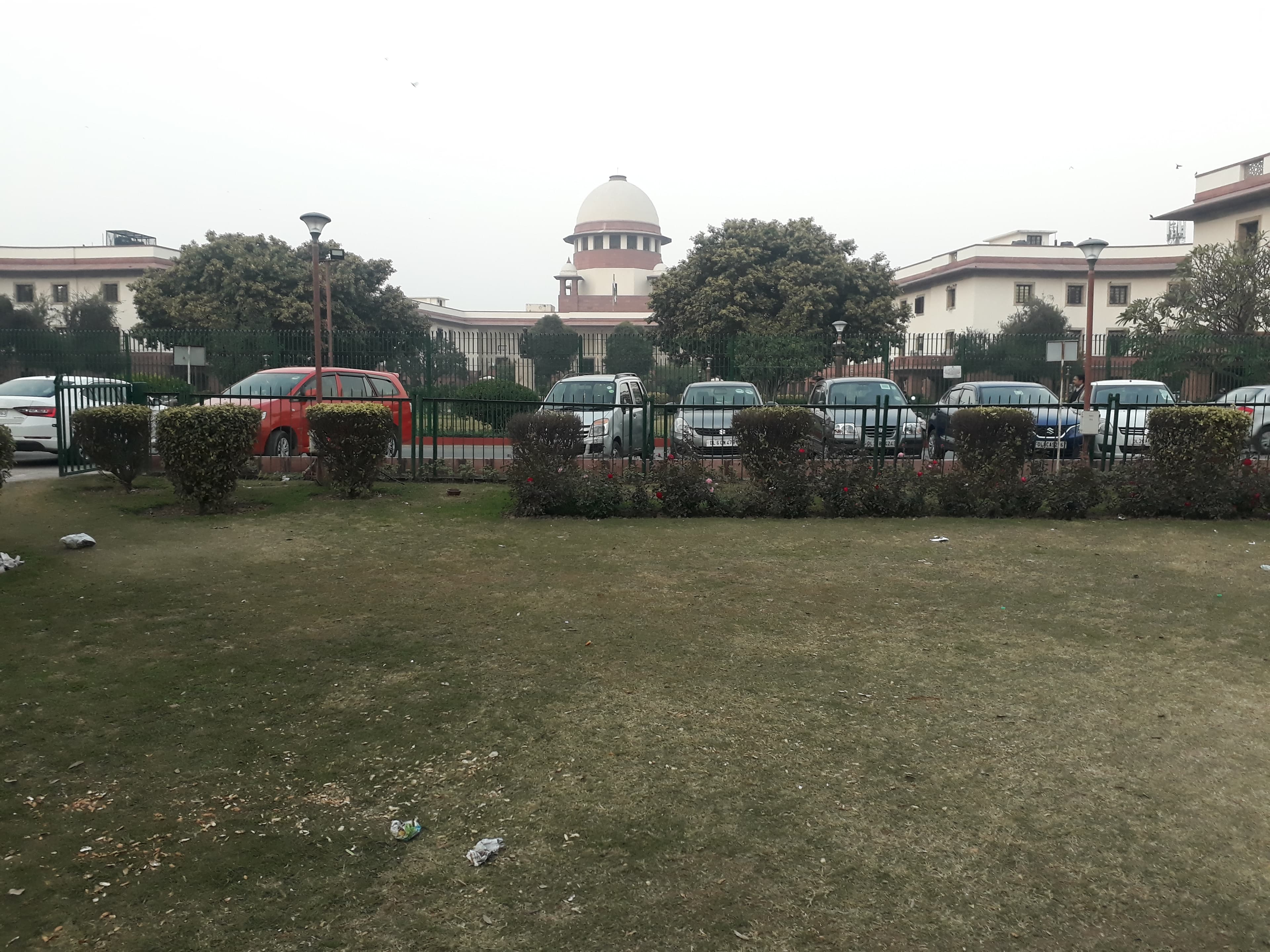
In a landmark ruling that has sent ripples through inheritance disputes across Uttar Pradesh, the Supreme Court of India in Dhiraj Dutta v. Anirban Sen (2026 SCC OnLine SC 996) has categorically held that a petition to revoke a probate filed 27 years after the grant is barred by the law of limitation. The Court also clarified that notice in mutation proceedings constitutes constructive notice, meaning a litigant cannot later plead ignorance of the probate if they participated in or were aware of revenue record changes.
For clients in Lucknow, Allahabad, and across Uttar Pradesh, this judgment answers a critical question: Can a probate granted 27 years ago still be challenged in UP courts, and how does mutation notice affect your inheritance rights? The answer is a firm no — the window to challenge is only 3 years under Article 137 of the Limitation Act, 1963, and once mutation proceedings put you on notice, the clock starts ticking. If you are facing a probate dispute or need to protect your inheritance rights, consult a senior lawyer at the Allahabad High Court Lucknow Bench without delay.
Table of Contents
Need Immediate Legal Help?
If you're facing a legal emergency in Lucknow, don't wait. Contact experienced criminal lawyer Advocate Onkar Pandey for immediate assistance.
Understanding Probate and Revocation Under the Indian Succession Act, 1925
A probate is a legal certificate granted by a court of competent jurisdiction to the executor of a will, validating the will and authorizing the executor to administer the estate of the deceased. In Uttar Pradesh, probate matters are handled by the District Court or the High Court, depending on the value of the estate.
Section 263 of the Indian Succession Act, 1925 empowers the court to revoke or annul a probate for just cause. However, the Act does not prescribe a specific period within which such a revocation petition must be filed. This gap has led to numerous disputes where heirs attempt to challenge a probate decades after it was granted.
Key Grounds for Revocation Under Section 263
- Fraud or forgery in obtaining the probate
- Concealment of material facts from the court
- Want of testamentary capacity of the testator at the time of making the will
- Non-compliance with legal formalities under the Succession Act
The Supreme Court in Ramesh Nivrutti Bhagwat v. Surendra Manohar Parakhe (2020) 17 SCC 284 reaffirmed that no special limitation is prescribed in the Succession Act for probate revocation, so Article 137 of the Limitation Act, 1963 fills the gap, imposing a 3-year limitation period from when the right to apply accrues.
The Dhiraj Dutta v. Anirban Sen (2026) Judgment: A Detailed Analysis
In Dhiraj Dutta v. Anirban Sen (2026 SCC OnLine SC 996), the Supreme Court dealt with a revocation petition filed 27 years after the grant of probate. The appellant argued that they had no knowledge of the probate until they discovered it during a subsequent proceeding.
The Court rejected this argument, holding that the appellant had participated in mutation proceedings in the revenue records, which gave them constructive notice of the probate. The Court ruled that once mutation is effected based on the will, the person whose rights are affected is deemed to have knowledge of the probate.
| Case | Citation | Key Principle |
|---|---|---|
| Dhiraj Dutta v. Anirban Sen | 2026 SCC OnLine SC 996 | Probate revocation governed by Article 137; 3-year limitation; mutation notice = constructive notice |
| Lynette Fernandes v. Gertie Mathias | (2018) 1 SCC 271 | Limitation runs when right to apply accrues, linked to knowledge of probate or facts giving rise to challenge |
| Ramesh Nivrutti Bhagwat v. Surendra Manohar Parakhe | (2020) 17 SCC 284 | No special limitation; Article 137 applies |
| Sri Sri Madan Mohan Dev v. Pritilata Jana | 2025 Supreme(Online)(Ori) 5269 | Strict limitation approach; stale challenges rejected where applicant had or should have had notice |
This judgment is binding on all courts in Uttar Pradesh, including the Allahabad High Court Lucknow Bench and all district courts. It effectively shuts the door on stale revocation pleas, especially where the challenger had constructive notice through mutation or other proceedings.
How Mutation Proceedings Trigger Constructive Notice in UP Courts
In Uttar Pradesh, mutation is the process of updating revenue records to reflect the transfer of property rights upon death. When a probate is granted, the executor typically applies for mutation in the Tehsil or before the Sub-Divisional Magistrate (SDM). The revenue authorities issue a notice to all interested parties, including potential heirs.
If you receive such a notice — or even if you have constructive knowledge of it through public records — the Supreme Court now holds that this constitutes constructive notice of the probate. You cannot later claim ignorance and file a revocation petition 27 years later.
- Step 1: Probate is granted by the District Court or High Court.
- Step 2: Executor applies for mutation in revenue records.
- Step 3: Revenue authorities issue notice to all legal heirs and interested parties.
- Step 4: If you participate or fail to object, you are deemed to have constructive notice.
- Step 5: The 3-year limitation under Article 137 begins from the date of such notice.
For clients in Lucknow, it is crucial to attend to any notice from the Tehsildar or SDM regarding mutation, as ignoring it can permanently bar your right to challenge the probate. If you have missed a notice, contact a lawyer at the Allahabad High Court Lucknow Bench immediately to assess your options.
Legal Consultation
Talk directly to Advocate Onkar Pandey
Explain your matter over a call or WhatsApp. If you take the case forward, the consultation fee adjusts into your overall fee, so there is no separate charge to begin.
Practical Implications for Heirs and Litigants in Uttar Pradesh
The Dhiraj Dutta ruling has profound implications for inheritance disputes in UP. Here are the key takeaways:
- No more stale challenges: If a probate was granted more than 3 years ago, and you had constructive notice through mutation or other means, a revocation petition will be summarily dismissed as time-barred.
- Importance of timely action: As soon as you learn of a probate — whether through a court notice, mutation proceedings, or family discussions — you must file a caveat or revocation petition within 3 years.
- Mutation records are key: In UP, mutation records maintained by the Revenue Department are public documents. You are deemed to have constructive knowledge of changes in these records.
- Burden on the challenger: The person seeking revocation must prove that they had no knowledge of the probate until a later date, which is an extremely difficult burden given the presumption of constructive notice.
If you are an heir in Lucknow, Allahabad, or any part of UP, do not delay. The law is now clear: the window to challenge a probate is narrow and strictly enforced. Seek expert legal advice on property disputes to protect your rights.
Estimated Legal Costs and Timelines for Probate Revocation in UP Courts
For litigants in Uttar Pradesh, understanding the potential costs and timelines is essential. Below is a realistic estimate based on practice at the Allahabad High Court Lucknow Bench and district courts.
| Stage | Estimated Advocate Fees | Estimated Timeline |
|---|---|---|
| Revocation petition / caveat in District Court | ₹25,000 – ₹1,00,000+ | 6 – 18 months (uncontested) |
| Contested revocation (trial) | ₹50,000 – ₹2,00,000+ | 2 – 5 years |
| Appeal / Revision / Writ to High Court | ₹50,000 – ₹2,00,000+ | 1 – 3 years |
| Supreme Court Special Leave Petition | ₹1,00,000 – ₹3,00,000+ | 1 – 2 years |
These are indicative ranges and may vary based on the complexity of the case, the number of hearings, and the seniority of the counsel. It is always advisable to discuss fees upfront with your legal representative.
What Should You Do If You Are Facing a Probate Dispute in UP?
If you are a potential heir or an executor dealing with a probate dispute in Uttar Pradesh, here are actionable steps:
- Check the date of grant: Determine when the probate was granted. If it is more than 3 years ago, your revocation plea is likely time-barred unless you can prove you had no constructive notice.
- Review mutation records: Visit the Tehsil office or check online revenue records to see if mutation has been effected. If it has, the court will presume you had constructive notice.
- File a caveat: If you anticipate a probate application, file a caveat in the District Court or High Court to ensure you are heard before the probate is granted.
- Consult a lawyer promptly: Time is of the essence. A senior lawyer at the Allahabad High Court Lucknow Bench can assess your case and advise on the best course of action.
Remember, under the Dhiraj Dutta ruling, even a single notice in mutation proceedings can start the limitation clock. Do not ignore any official communication regarding property records.
About the Author
Advocate Onkar Pandey is a practicing lawyer at the Allahabad High Court Lucknow Bench with over 25 years of experience in criminal law, bail matters, FIR quashing, and family law. Enrolled with the Bar Council of Uttar Pradesh (No. UP/4825/1999), he provides expert legal guidance to clients across Uttar Pradesh from his chamber at A-406, High Court, Lucknow. For a consultation on probate disputes and property inheritance, contact Advocate Onkar Pandey at +91 98392 71553.
Frequently Asked Questions
What is the limitation period for filing a probate revocation petition under the Indian Succession Act?+
The Supreme Court in Dhiraj Dutta v. Anirban Sen (2026 SCC OnLine SC 996) has held that a petition to revoke probate under Section 263 of the Indian Succession Act, 1925 is governed by Article 137 of the Limitation Act, 1963. The limitation period is 3 years from the date the right to apply accrues, which is typically linked to the applicant's knowledge of the probate or the facts giving rise to the challenge. If you had constructive notice through mutation proceedings, the 3-year clock starts from that date.
Can a probate granted 27 years ago still be challenged in UP courts after this Supreme Court judgment?+
No. The Dhiraj Dutta judgment makes it clear that a revocation petition filed 27 years after the grant of probate is barred by limitation under Article 137. The only exception would be if the challenger can prove they had no knowledge — actual or constructive — of the probate until a later date, which is an extremely difficult burden given the presumption of constructive notice from mutation proceedings. In UP, this ruling is binding on the Allahabad High Court Lucknow Bench and all district courts.
What is constructive notice in the context of mutation proceedings?+
Constructive notice means that the law deems you to have knowledge of a fact if you had the opportunity to know it through reasonable diligence. In the Dhiraj Dutta case, the Supreme Court held that participation in or notice of mutation proceedings in revenue records constitutes constructive notice of the probate. If mutation is effected based on the will, the person whose rights are affected is deemed to have knowledge of the probate, and the limitation period for filing a revocation petition starts from that date.
What are the grounds for revocation of probate under Section 263 of the Indian Succession Act?+
Section 263 of the Indian Succession Act, 1925 allows revocation of probate for 'just cause,' which includes fraud, forgery, concealment of material facts, want of testamentary capacity of the testator, non-compliance with legal formalities, or discovery of a later valid will. However, even if such grounds exist, the revocation petition must be filed within 3 years under Article 137 of the Limitation Act, 1963, as held in Dhiraj Dutta v. Anirban Sen (2026).
How does mutation work in Uttar Pradesh for probate matters?+
In Uttar Pradesh, mutation is the process of updating revenue records to reflect the transfer of property rights after the death of the owner. When a probate is granted, the executor applies for mutation before the Tehsildar or Sub-Divisional Magistrate (SDM). The revenue authority issues notice to all legal heirs and interested parties. If you receive such notice or if mutation is recorded in public records, you are deemed to have constructive notice of the probate. Ignoring such notice can permanently bar your right to challenge the probate.
What should I do if I suspect a probate was obtained fraudulently but it was granted more than 3 years ago?+
You should immediately consult a senior lawyer at the Allahabad High Court Lucknow Bench to assess whether any exception applies. The Dhiraj Dutta judgment creates a strong presumption against stale challenges. However, if you can prove that you had no actual or constructive knowledge of the probate until a recent date, and that the fraud was concealed, you may still have a case. Do not delay, as the court will scrutinize any delay carefully. Contact Advocate Onkar Pandey at +91 98392 71553 for a case-specific evaluation.
What are the estimated legal fees and timeline for a probate revocation case in UP?+
For an uncontested revocation petition in a UP District Court, advocate fees typically range from ₹25,000 to ₹1,00,000, and the timeline is 6 to 18 months. If the matter becomes contested, fees can go up to ₹2,00,000 or more, and the timeline extends to 2 to 5 years. Appeals or writs before the Allahabad High Court Lucknow Bench may cost ₹50,000 to ₹2,00,000 and take 1 to 3 years. These are indicative estimates; actual costs depend on case complexity and the seniority of counsel.
Related Guides
Related Services
Get Expert Legal Advice in Lucknow
20+ years experience in criminal law at Lucknow High Court. Available 24/7 for emergencies.
Disclaimer: This article is for general information purposes only and does not constitute legal advice. Every case is unique and requires specific legal analysis. For advice specific to your situation, please consult Advocate Onkar Pandey or another qualified attorney in Lucknow.