Illegal Preventive Detention in UP: Rs 25,000 Per Day Compensation & Your Arrest Rights
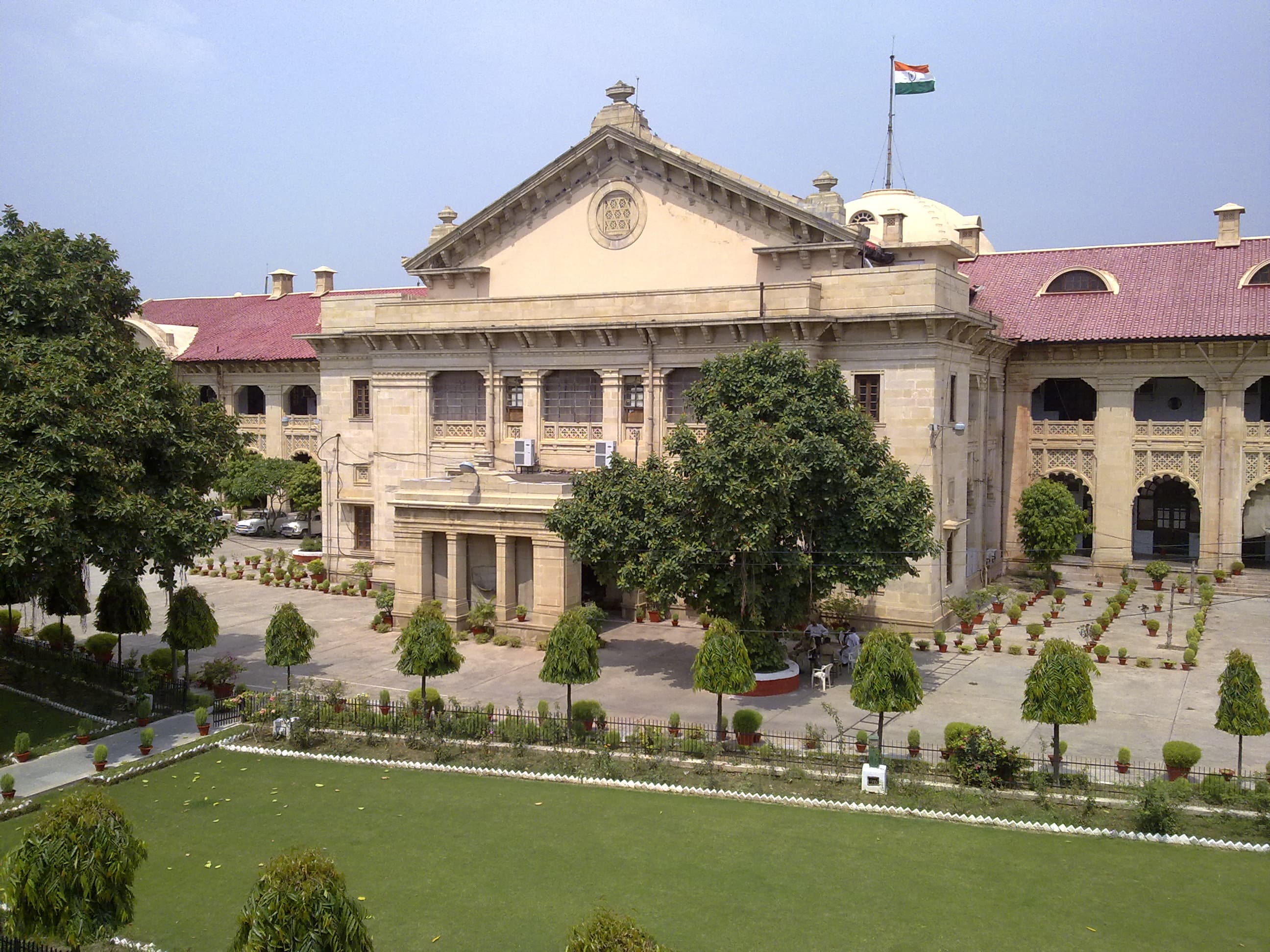
If the police have picked you up or detained a family member “to keep the peace” without a clear charge, you need to know one thing immediately: illegal preventive detention beyond 24 hours is now compensated at Rs 25,000 per day in Uttar Pradesh. In Chander Pal Singh v. State of U.P., a Habeas Corpus petition decided on 8 June 2026, the Allahabad High Court not only awarded Rs 75,000 to an advocate held illegally for three days but laid down a binding compensation framework and detention guidelines for the entire state.
This ruling directly affects ordinary people in Lucknow, Kanpur, Prayagraj and across UP who are routinely held under preventive arrest powers — often without being produced before a Magistrate within the time the Constitution allows. In this guide, our criminal lawyers in Lucknow explain what counts as illegal detention, the new Rs 25,000-per-day compensation, the personal-bond rule, who pays from their own salary, and the exact steps to take the moment a relative is taken into custody.
Table of Contents
Need Immediate Legal Help?
If you're facing a legal emergency in Lucknow, don't wait. Contact experienced criminal lawyer Advocate Onkar Pandey for immediate assistance.
Chander Pal Singh v. State of U.P. (2026): What the Allahabad High Court Held
In Chander Pal Singh and Another v. State of U.P. (Habeas Corpus Writ Petition No. 214 of 2026), a Division Bench of Justice Siddharth and Justice Vinai Kumar Dwivedi pronounced judgment on 8 June 2026. The case concerned an advocate who was taken into preventive custody and held for roughly three days without being produced before a Magistrate as the law requires.
The High Court found the detention to be plainly illegal and issued directions that go far beyond the single case:
- Rs 75,000 compensation was awarded to the detained advocate for the violation of his personal liberty.
- The State was directed to pay Rs 25,000 per day to any person illegally detained beyond 24 hours under preventive provisions.
- The amount must be recovered from the salaries of the responsible police officer or Magistrate after disciplinary proceedings.
The Bench treated personal liberty under Article 21 and the 24-hour production rule under Article 22(2) of the Constitution as non-negotiable. For anyone facing wrongful custody before the Allahabad High Court Lucknow Bench, this judgment is now the leading authority on compensation for illegal detention in UP.
Rs 25,000 Per Day: The New Compensation Framework
The most powerful part of the ruling is the fixed monetary value placed on illegal custody. Earlier, a wrongly detained person had to fight a long battle just to prove harm. Now the compensation is quantified in advance, which makes both deterrence and recovery far easier.
The framework works as a sliding obligation tied to how long the unlawful detention lasted:
| Situation | Legal Position | Compensation |
|---|---|---|
| Produced before Magistrate within 24 hrs | Lawful (if otherwise valid) | None |
| Detained beyond 24 hrs without authority | Illegal | Rs 25,000 per day |
| 3-day illegal detention (this case) | Illegal | Rs 75,000 awarded |
| Bond refused without recorded reasons | Illegal | Liability on official |
This is a strong, practical remedy. If your family member has been held past the 24-hour limit, the right step is an urgent Habeas Corpus petition before the High Court, where this judgment can be cited directly. Because wrongful custody often runs alongside a false case, an early bail and protection strategy should be planned at the same time.
Preventive Arrest Under Section 170 BNSS: What the Law Allows
Preventive arrest is different from arrest in a registered FIR. Under Section 170 of the Bharatiya Nagarik Suraksha Sanhita, 2023 (which replaced Section 151 CrPC), a police officer may arrest a person without a warrant to prevent the commission of a cognizable offence — but only when the threat cannot be stopped any other way.
The power is narrow and comes with strict limits:
- There must be a genuine, immediate apprehension of a cognizable offence — not a vague suspicion.
- The person cannot be held beyond 24 hours unless a separate, valid legal provision authorises it.
- Preventive custody is not punishment and cannot be used to teach someone a lesson or settle scores.
In practice, these powers are frequently misused during land disputes, local rivalries and election-time tensions across UP. The Allahabad High Court has repeatedly warned that Section 170 BNSS is not a tool for indefinite detention. If you believe an arrest is being used as harassment in a property or land dispute, the unlawful preventive custody itself can become a separate ground for relief and compensation.
Legal Consultation
Talk directly to Advocate Onkar Pandey
Explain your matter over a call or WhatsApp. If you take the case forward, the consultation fee adjusts into your overall fee, so there is no separate charge to begin.
The Personal Bond Rule: Release on a Bond Not Exceeding Rs 20,000
The Court did not stop at compensation — it laid down clear guidelines for preventive custody to prevent abuse in the first place. The centrepiece is the personal-bond rule, designed so that minor preventive arrests do not turn into multi-day jail stays.
The key directions are:
- A detainee should ordinarily be asked to furnish only a personal bond, generally not exceeding Rs 20,000, unless reasons are recorded in writing.
- If the bond is executed on the day of detention, the person must be released immediately.
- Any refusal to execute a bond must be documented in writing and through audio-visual recording before a detention order is passed.
These safeguards shift the default from custody to release. The audio-visual recording requirement is especially important — it removes the easy excuse that “the person refused to sign,” which has long been used to justify overnight lock-ups. If an official ignores these steps, the detention becomes legally indefensible, and a criminal defence lawyer in Lucknow can use that failure to secure both release and compensation.
Personal Liability: Police and Magistrates Pay From Their Salary
What gives this judgment real teeth is personal accountability. In most compensation cases, the State pays from public funds and no individual feels the consequence. Here, the Allahabad High Court reversed that logic.
The mechanism is straightforward but serious:
- The State pays the compensation to the victim first, so the citizen is not made to wait.
- Liability is then fixed on the responsible Magistrate, police officer, or both through disciplinary proceedings.
- The compensation amount is recovered from their salaries.
This means an officer who detains a person beyond 24 hours without lawful authority risks paying out of pocket. The Court’s message is that personal liberty under Article 21 is not a formality and that breaching it carries a direct, individual cost. For citizens, this raises the practical value of acting quickly: the faster an illegal detention is challenged and documented, the stronger the case for both release and recovery. If a government servant is wrongly detained or suspended around such an incident, a parallel service law remedy may also be available.
What to Do If You or a Family Member Is Illegally Detained in UP
The first 24 hours are decisive. Illegal detention is easiest to challenge while it is happening, because a Habeas Corpus petition forces the State to justify the custody immediately. Take these steps in order:
- Note the exact time of detention and the police station involved — the 24-hour clock starts here.
- Demand the grounds of arrest in writing and ask whether it is preventive arrest under Section 170 BNSS.
- Do not sign blank papers and insist that any bond refusal be recorded on audio-visual, as the High Court directed.
- Keep proof of the timeline — call records, CCTV, witnesses — showing detention crossed 24 hours.
- File a Habeas Corpus petition before the Allahabad High Court if the person is not produced before a Magistrate in time.
Speed and documentation win these cases. The Rs 25,000-per-day framework only helps if you can prove how long the unlawful custody lasted. If a relative has been held without being produced before a court, you can contact our office immediately for urgent guidance on filing a Habeas Corpus petition and asserting your compensation rights under the 2026 ruling.
Frequently Asked Questions
Below are the questions UP residents most often ask about illegal preventive detention, the 24-hour rule and the Rs 25,000-per-day compensation framework laid down by the Allahabad High Court in 2026.
About the Author
Advocate Onkar Pandey is a practicing lawyer at the Allahabad High Court Lucknow Bench with over 25 years of experience in criminal law, bail, arrest-rights litigation and civil disputes. Enrolled with the Bar Council of Uttar Pradesh (No. UP/4825/1999), he advises clients across Uttar Pradesh from his chamber at A-406, High Court, Lucknow. For consultation on illegal detention, preventive arrest, Habeas Corpus petitions or compensation for wrongful custody, contact Advocate Onkar Pandey at +91 98392 71553.
Frequently Asked Questions
How much compensation can I get for illegal detention in UP?+
Following the Allahabad High Court’s ruling in Chander Pal Singh v. State of U.P. (8 June 2026), a person illegally detained beyond 24 hours under preventive provisions is entitled to Rs 25,000 per day of unlawful custody. In that case, an advocate held for three days was awarded Rs 75,000. The State pays the victim first, and the amount is then recovered from the salary of the responsible police officer or Magistrate after disciplinary proceedings. To claim it, you should file a Habeas Corpus or writ petition before the High Court, prove the exact duration of detention with records, and show that you were not produced before a Magistrate within 24 hours as required by Article 22(2) of the Constitution.
What is preventive arrest under Section 170 BNSS?+
Section 170 of the Bharatiya Nagarik Suraksha Sanhita, 2023 (which replaced Section 151 CrPC) lets a police officer arrest a person without a warrant to prevent the commission of a cognizable offence. It is meant only for situations where there is a genuine, immediate apprehension of crime that cannot be stopped any other way. Preventive arrest is not a punishment and is not based on a registered FIR. Crucially, the person cannot be detained beyond 24 hours unless some separate, valid legal provision authorises continued custody. Misuse of this power during land disputes, local rivalries or election tensions is common in UP, and the Allahabad High Court has warned that it cannot be used as a tool for indefinite or harassing detention.
What is the 24-hour rule for detention in India?+
Article 22(2) of the Constitution and Section 58 of the BNSS require that any person arrested must be produced before the nearest Magistrate within 24 hours of arrest, excluding the time needed for travel to the court. No police officer can keep a person in custody beyond this period on their own authority. If the 24-hour limit is crossed without the person being produced before a Magistrate, the detention becomes illegal and can be challenged through a Habeas Corpus petition. The Allahabad High Court’s 2026 judgment makes this even stronger by attaching a fixed compensation of Rs 25,000 per day to detention that continues beyond 24 hours without lawful authority.
Can I be released on a personal bond in a preventive arrest?+
Yes. The Allahabad High Court directed that a person held under preventive provisions should ordinarily be asked to furnish only a personal bond, generally not exceeding Rs 20,000, unless the authority records written reasons for demanding more. If the bond is executed on the very day of detention, the person must be released immediately. Importantly, if the detainee refuses to execute the bond, that refusal must be documented in writing and recorded on audio-visual before any detention order is passed. These guidelines are designed to stop minor preventive arrests from turning into multi-day jail stays. If police ignore them and keep you in custody, the detention becomes legally indefensible and forms the basis for both release and compensation.
What is a Habeas Corpus petition and when should I file one?+
A Habeas Corpus petition is a constitutional remedy under Article 226 (High Court) or Article 32 (Supreme Court) that asks the court to direct the authorities to produce a detained person and justify the legality of their custody. You should file one when a family member is taken into custody and is not produced before a Magistrate within 24 hours, when the detention appears arbitrary, or when preventive arrest powers are being misused. The petition can be filed by the detainee or by a relative or friend on their behalf. The Allahabad High Court Lucknow Bench hears such petitions urgently. Filing quickly is critical because the State must immediately explain the detention, and the 2026 compensation framework strengthens your case.
Who pays the compensation for illegal detention?+
Under the 2026 Allahabad High Court ruling, the State of Uttar Pradesh pays the compensation to the victim first so the citizen is not made to wait. However, the liability does not end with the public exchequer. The Court directed that responsibility be fixed on the erring Magistrate, police officer, or both through disciplinary proceedings, and that the compensation amount be recovered from their salaries. This personal accountability is what makes the judgment so significant — officials who detain a person beyond 24 hours without lawful authority now risk paying out of their own pocket. It transforms the right against illegal detention from a paper guarantee into a real financial deterrent against the misuse of arrest powers.
Is preventive arrest the same as being booked in an FIR?+
No, they are different. An FIR-based arrest follows the registration of a First Information Report alleging a specific cognizable offence, and the accused can seek regular or anticipatory bail. Preventive arrest under Section 170 BNSS is not based on any FIR — it is a precautionary step to stop an anticipated offence, and it must be brief. If, after a preventive arrest, the police register an FIR against you, the situation changes and you should immediately consider anticipatory or regular bail and, where appropriate, FIR quashing. Many people in UP are confused when preventive custody quietly turns into a registered case. If this happens to you, consult a criminal lawyer at once to map the correct remedy and protect against prolonged custody.
Related Services
Get Expert Legal Advice in Lucknow
20+ years experience in criminal law at Lucknow High Court. Available 24/7 for emergencies.
Disclaimer: This article is for general information purposes only and does not constitute legal advice. Every case is unique and requires specific legal analysis. For advice specific to your situation, please consult Advocate Onkar Pandey or another qualified attorney in Lucknow.