High Court Cannot Grant Pre-Arrest Bail While Refusing to Quash FIR: Supreme Court 2026 Ruling
Quick Answer
If a judge at the Allahabad High Court refuses to quash your FIR, can you still get pre-arrest bail from the same court? Or must you wait for arrest and then apply for regular bail?
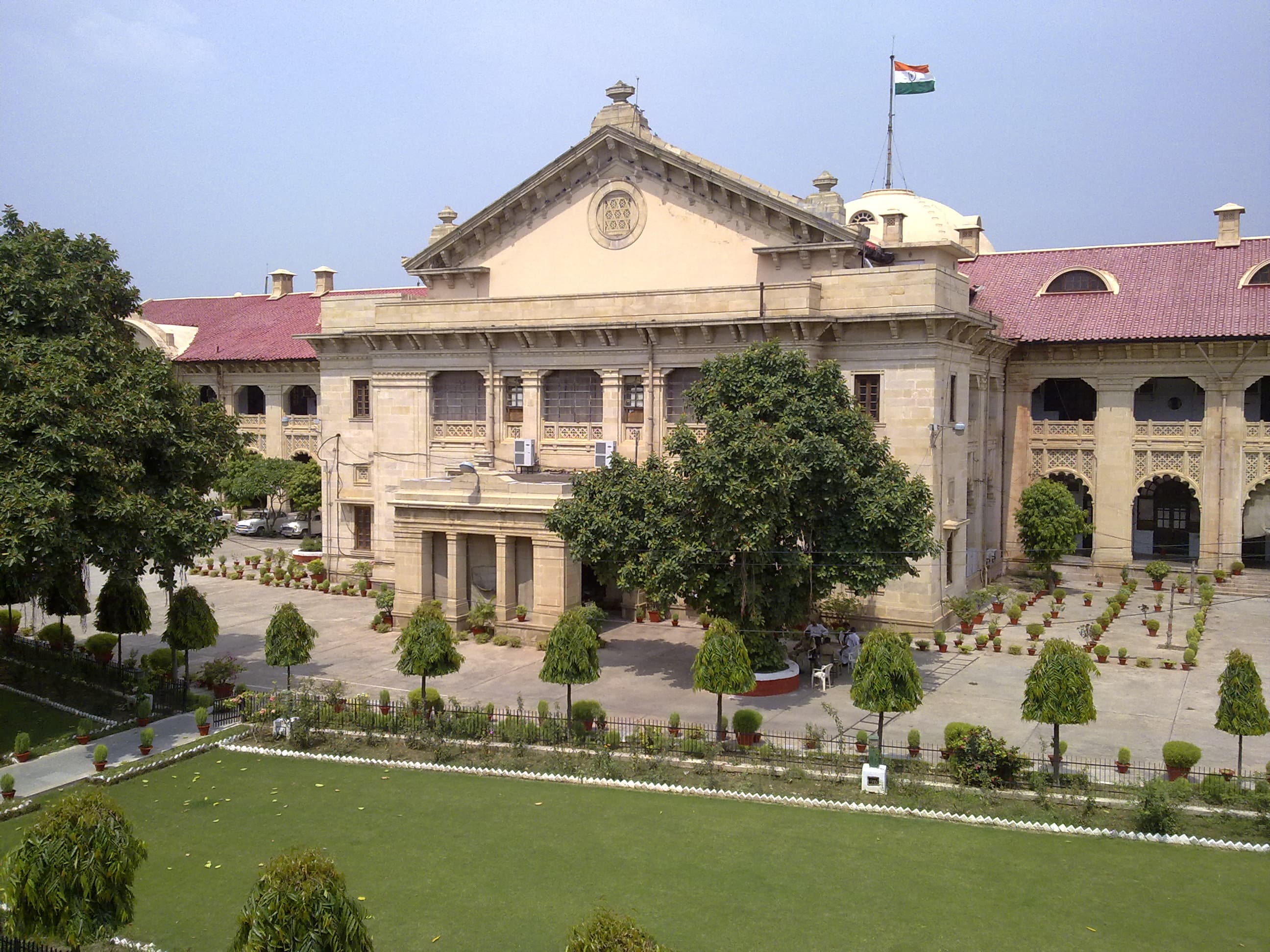
If a judge at the Allahabad High Court refuses to quash your FIR, can you still get pre-arrest bail from the same court? Or must you wait for arrest and then apply for regular bail? This confusion has been settled by a landmark Supreme Court ruling in 2026 (State of Uttar Pradesh v. [respondents], 2026 INSC 145). The Court held that the High Court cannot grant any pre-arrest protection while declining to quash the FIR. The proper first forum for anticipatory bail is the Sessions Court, not the High Court. This article explains the ruling, the correct procedure, and what it means for accused persons in Lucknow and across Uttar Pradesh. For expert guidance on anticipatory bail or FIR quashing, consult Advocate Onkar Pandey at the Allahabad High Court Lucknow Bench.
Table of Contents
Need Immediate Legal Help?
If you're facing a legal emergency in Lucknow, don't wait. Contact experienced criminal lawyer Advocate Onkar Pandey for immediate assistance.
The Supreme Court 2026 Ruling: No Shortcut to Pre-Arrest Protection
In State of Uttar Pradesh v. [respondents] (2026 INSC 145), the Supreme Court set aside several orders of the Allahabad High Court that had granted “no-arrest” or “pre-arrest protection” while simultaneously refusing to quash the FIR. The Court held that such orders amount to an indirect grant of anticipatory bail without following the statutory procedure under Section 482 BNSS (anticipatory bail). The proper remedy for an accused who fears arrest is to first approach the Sessions Court under Section 482 BNSS, and only if that fails, approach the High Court under Section 484 BNSS.
The ruling reaffirmed the principles laid down in Neeharika Infrastructure Pvt. Ltd. v. State of Maharashtra (2021) 19 SCC 401, which held that while dealing with a quashing petition under Section 528 BNSS (old Section 482 CrPC), the High Court should not ordinarily issue a “no-coercive steps” order. Such orders interfere with the investigation and bypass the bail procedure.
| Case | Citation | Key Principle |
|---|---|---|
| State of U.P. v. [respondents] | 2026 INSC 145 | High Court cannot grant pre-arrest protection while refusing quash; first forum is Sessions Court under Section 482 BNSS. |
| Neeharika Infrastructure v. State of Maharashtra | (2021) 19 SCC 401 | No “no-coercive steps” order in quashing petitions; investigation must not be hampered. |
| Lal Bahadur v. State of U.P. | Allahabad HC, 2024 | Writ dismissed; petitioner left to seek bail/anticipatory bail before competent court. |
| Prashant Shukla v. State of U.P. | Allahabad HC, 2025 | Dismissal of quashing does not bar later anticipatory bail application; must be decided on merits. |
Why the High Court Cannot Grant Pre-Arrest Bail While Refusing Quash
The logic is straightforward: a quashing petition under Section 528 BNSS (inherent powers) asks the court to kill the FIR entirely. If the court finds that the FIR discloses a cognizable offence and refuses quash, it cannot then give the accused a shield against arrest. That would be contradictory — the FIR survives, but the accused gets immunity from arrest. The Supreme Court called this a “backdoor anticipatory bail” that undermines the bail framework.
Under Section 482 BNSS, anticipatory bail is a specific remedy with its own conditions: the court must consider the nature of the offence, the role of the accused, the possibility of flight, and the likelihood of tampering with evidence. The Sessions Court is the first court of first instance for this remedy. The High Court can only be approached under Section 484 BNSS if the Sessions Court rejects the anticipatory bail application.
- Quashing refused = FIR stays alive → arrest is possible.
- Anticipatory bail = pre-arrest protection — must be sought under Section 482 BNSS before Sessions Court.
- High Court bail after rejection = only under Section 484 BNSS, not as an add-on to a quashing petition.
For accused persons in Lucknow, this means you cannot file a quashing petition at the Allahabad High Court and simultaneously ask for “no arrest till the next date.” The High Court will now strictly follow the 2026 ruling and refuse any such hybrid relief.
The Correct Procedure After FIR Quashing Is Refused
If the Allahabad High Court dismisses your quashing petition, you have two clear options:
- Apply for anticipatory bail before the Sessions Court (e.g., Sessions Court Lucknow) under Section 482 BNSS. This must be done before arrest. The Sessions Judge will evaluate the case on merits.
- If the Sessions Court rejects anticipatory bail, then approach the High Court under Section 484 BNSS for regular bail or anticipatory bail. The High Court can then consider the matter afresh.
You do not need to wait for arrest. The moment the quashing petition is dismissed, you can file an anticipatory bail application. The 2026 Supreme Court ruling also clarified that the dismissal of quashing does not bar a later anticipatory bail application — each remedy is independent. This was confirmed by the Allahabad High Court in Prashant Shukla v. State of U.P. (2025).
| Step | Forum | Legal Provision | Timeframe |
|---|---|---|---|
| 1. File quashing petition | Allahabad High Court (Lucknow Bench) | Section 528 BNSS | Immediately after FIR |
| 2. If quashing refused | Sessions Court (e.g., Lucknow) | Section 482 BNSS | Before arrest |
| 3. If Sessions Court rejects | Allahabad High Court | Section 484 BNSS | Within days of rejection |
Legal Consultation
Talk directly to Advocate Onkar Pandey
Explain your matter over a call or WhatsApp. If you take the case forward, the consultation fee adjusts into your overall fee, so there is no separate charge to begin.
Role of Sessions Court in Anticipatory Bail Under BNSS
The Sessions Court is now the primary forum for anticipatory bail under Section 482 BNSS. This is a shift from the old CrPC where the High Court and Sessions Court had concurrent jurisdiction for anticipatory bail (old Section 438 CrPC). The BNSS has made the Sessions Court the first port of call. This means that an accused in Lucknow must first approach the Sessions Court Lucknow for anticipatory bail, not directly the High Court.
The Sessions Court will consider factors such as:
- Nature and gravity of the offence.
- Role attributed to the accused.
- Possibility of the accused fleeing or tampering with evidence.
- Past criminal record (as per Prabhakar Tewari v. State of U.P., 2020 11 SCC 648, antecedents alone cannot be the sole ground to deny bail).
If the Sessions Court rejects the application, the accused can file a fresh application under Section 484 BNSS before the High Court. The High Court will then decide the anticipatory bail on its own merits, without being bound by the earlier refusal.
Practical Advice for Accused in Uttar Pradesh
Given the 2026 Supreme Court ruling, here is a practical checklist for anyone facing arrest after FIR quashing is refused:
- Do not delay: As soon as the quashing petition is dismissed, instruct your lawyer to file an anticipatory bail application before the Sessions Court.
- Prepare strong grounds: The Sessions Court will look at the FIR, your role, and any evidence of false implication. Gather documents that show your innocence or lack of direct involvement.
- Consider regular bail as fallback: If you are arrested before the anticipatory bail is heard, you can apply for regular bail before the Magistrate or Sessions Court under Section 483 BNSS (non-bailable offences) or Section 480 BNSS (bailable offences).
- Seek experienced counsel: The interplay between quashing and bail requires a lawyer who understands the latest Supreme Court and High Court precedents. Criminal lawyer Lucknow Advocate Onkar Pandey has over 25 years of experience in such matters.
Remember: the High Court will no longer entertain a request for “no arrest” while refusing quash. The only way to get pre-arrest protection is through a proper anticipatory bail application under Section 482 BNSS before the Sessions Court, and if needed, under Section 484 BNSS before the High Court.
Frequently Asked Questions
- Can I apply for anticipatory bail at Allahabad High Court after FIR quashing is refused? Yes, but only after first approaching the Sessions Court under Section 482 BNSS. If the Sessions Court rejects it, you can approach the High Court under Section 484 BNSS.
- What if I am arrested before I can file anticipatory bail? You can file a regular bail application before the Magistrate or Sessions Court under Section 483 BNSS (non-bailable) or Section 480 BNSS (bailable). The court will consider bail on merits.
- Does the 2026 Supreme Court ruling apply to all cases in Uttar Pradesh? Yes, it is binding on all courts in India, including the Allahabad High Court and all Sessions Courts in Uttar Pradesh.
- Can I file both quashing and anticipatory bail simultaneously? You can file them separately, but the High Court will not grant pre-arrest protection while the quashing petition is pending. It is better to file anticipatory bail before the Sessions Court first.
- What is the time limit for filing anticipatory bail after quashing refusal? There is no fixed time limit, but it should be filed promptly — ideally within a few days — before arrest. Delay may be viewed adversely.
- Does the Sessions Court in Lucknow have jurisdiction for FIRs from other districts? No, the Sessions Court of the district where the FIR is registered or where the accused resides or is likely to be arrested has jurisdiction. For FIRs in Lucknow, the Sessions Court Lucknow is the proper forum.
- Can the High Court grant anticipatory bail directly in exceptional cases? The BNSS does not give the High Court original jurisdiction for anticipatory bail; it can only hear appeals under Section 484 BNSS. However, in rare cases, the High Court may exercise its inherent powers under Section 528 BNSS, but this is not the norm after the 2026 ruling.
About the Author
Advocate Onkar Pandey is a practicing lawyer at the Allahabad High Court Lucknow Bench with over 25 years of experience in criminal law, bail matters, FIR quashing, and family law. Enrolled with the Bar Council of Uttar Pradesh (No. UP/4825/1999), he provides expert legal guidance to clients across Uttar Pradesh from his chamber at A-406, High Court, Lucknow. For a consultation on pre-arrest bail and FIR quashing, contact Advocate Onkar Pandey at +91 98392 71553.
Frequently Asked Questions
Can I apply for anticipatory bail at Allahabad High Court after FIR quashing is refused?+
Yes, but only after first approaching the Sessions Court under Section 482 BNSS. If the Sessions Court rejects it, you can approach the High Court under Section 484 BNSS. The 2026 Supreme Court ruling prohibits the High Court from granting pre-arrest protection while refusing quash.
What if I am arrested before I can file anticipatory bail?+
You can file a regular bail application before the Magistrate or Sessions Court under Section 483 BNSS (non-bailable offences) or Section 480 BNSS (bailable offences). The court will consider bail on merits. It is advisable to file anticipatory bail before arrest to avoid custody.
Does the 2026 Supreme Court ruling apply to all cases in Uttar Pradesh?+
Yes, the ruling in State of Uttar Pradesh v. [respondents] (2026 INSC 145) is binding on all courts in India, including the Allahabad High Court and all Sessions Courts in Uttar Pradesh. It clarifies that no pre-arrest protection can be granted while refusing to quash FIR.
Can I file both quashing and anticipatory bail simultaneously?+
You can file them separately, but the High Court will not grant pre-arrest protection while the quashing petition is pending. It is better to file anticipatory bail before the Sessions Court first, and if quashing is refused, then pursue bail remedies.
What is the time limit for filing anticipatory bail after quashing refusal?+
There is no fixed statutory time limit, but it should be filed promptly — ideally within a few days of the quashing refusal — before arrest. Delay may be viewed adversely by the court and could weaken your case.
Does the Sessions Court in Lucknow have jurisdiction for FIRs from other districts?+
No, the Sessions Court of the district where the FIR is registered or where the accused resides or is likely to be arrested has jurisdiction. For FIRs registered in Lucknow, the Sessions Court Lucknow is the proper forum. For FIRs from other districts, approach the respective Sessions Court.
Can the High Court grant anticipatory bail directly in exceptional cases?+
The BNSS does not give the High Court original jurisdiction for anticipatory bail; it can only hear appeals under Section 484 BNSS. However, in rare cases, the High Court may exercise its inherent powers under Section 528 BNSS, but after the 2026 ruling, this is not the norm. The proper first forum is the Sessions Court.
Related Guides
Related Services
Get Expert Legal Advice in Lucknow
20+ years experience in criminal law at Lucknow High Court. Available 24/7 for emergencies.
Disclaimer: This article is for general information purposes only and does not constitute legal advice. Every case is unique and requires specific legal analysis. For advice specific to your situation, please consult Advocate Onkar Pandey or another qualified attorney in Lucknow.