Parental Support Cannot Relieve Husband of Maintenance Duty: Allahabad HC
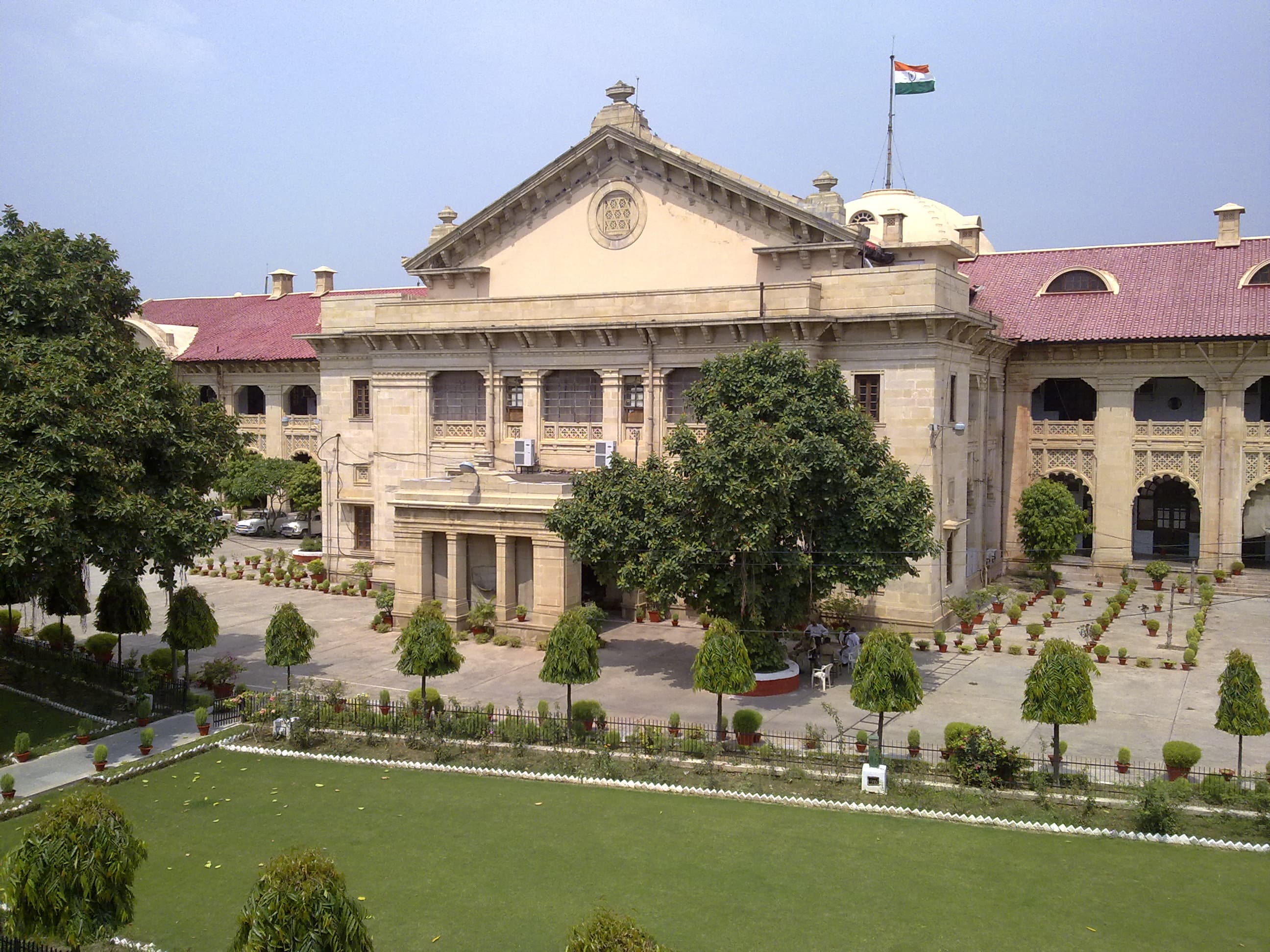
The Allahabad High Court, Lucknow Bench, has delivered a landmark ruling that parental support to a wife does not absolve the husband of his duty to pay maintenance. In the case of Vikas Sharma v. State of U.P. & Another (2026), the Court clarified that financial assistance from parents is not a substitute for the husband's legal obligation under Section 144 of the Bharatiya Nagarik Suraksha Sanhita, 2023 (BNSS) (formerly Section 125 CrPC). This judgment upholds the constitutional right of a wife to maintenance irrespective of her family's resources.
For wives in Lucknow and across Uttar Pradesh, this ruling reinforces that maintenance is a statutory right, not charity. The husband cannot escape liability by arguing that the wife's parents are supporting her. The case law from the Supreme Court, including Shailja v. Khobbanna (2018) and Rajnesh v. Neha (2021), further solidifies that the wife's independent income is the only relevant factor. Click to learn more about your rights under maintenance law in UP.
Table of Contents
Need Immediate Legal Help?
If you're facing a legal emergency in Lucknow, don't wait. Contact experienced criminal lawyer Advocate Onkar Pandey for immediate assistance.
Key Facts of Vikas Sharma v. State of U.P.
In Vikas Sharma v. State of U.P. & Another (2026 SCC OnLine All 1683), the husband argued that his wife was receiving financial support from her parents, and thus was not entitled to maintenance from him. The Allahabad High Court rejected this argument, holding that parental support is not the wife's income. The Court emphasized that the husband's duty under Section 144 BNSS is independent of any third-party support.
| Particular | Details |
|---|---|
| Case Name | Vikas Sharma v. State of U.P. & Another |
| Citation | 2026 SCC OnLine All 1683 |
| Court | Allahabad High Court (Lucknow Bench) |
| Key Principle | Parental support does not relieve husband of maintenance duty |
| Statutory Provision | Section 144 BNSS (old Section 125 CrPC) |
The ruling is clear: the husband's obligation to maintain his wife is not contingent on the wife's lack of alternative support. Even if the wife's parents voluntarily help her, the husband remains liable to pay a reasonable amount to ensure she maintains the standard of living enjoyed in the matrimonial home.
The Legal Framework: Section 144 BNSS
Section 144 of the BNSS, 2023 (which replaced Section 125 CrPC) governs maintenance for wives, children, and parents. The provision empowers a Magistrate to order monthly maintenance if the spouse is unable to maintain herself. The key test is the wife's sufficient independent income, not the income of her relatives.
- No Income vs. Independent Income: The wife's reliance on parents does not amount to having independent income. The court considers whether she can sustain the same lifestyle as in the matrimonial home.
- Burden on Husband: The husband must prove that the wife has sufficient means of her own. Financial help from parents is not a valid defense.
- Interim Maintenance: The Second Proviso to Section 144(1) BNSS allows for interim maintenance pending final adjudication.
In Shailja v. Khobbanna (2018) 12 SCC 199, the Supreme Court held that mere earning does not disentitle maintenance; the test is whether the income is sufficient to maintain the standard of living. This principle applies equally to parental support.
Supreme Court Precedents Supporting the Allahabad HC View
The Allahabad HC in Vikas Sharma relied heavily on two Supreme Court judgments. These form the binding precedent for all courts in India.
Shailja v. Khobbanna (2018)
The Supreme Court ruled that the wife's 'inability to maintain herself' must be assessed by comparing her income with the standard of living in the matrimonial home. Parental support is not income; it is a distress aid that cannot replace the husband's duty.
Rajnesh v. Neha (2021)
In Rajnesh v. Neha (2021) 2 SCC 324, the Court reiterated that maintenance is a right, not charity. It laid down guidelines for determining maintenance, emphasizing the husband's obligation even when the wife has some earnings. The Court specifically noted that financial assistance from parents does not reduce the husband's liability.
| Case | Year | Principle |
|---|---|---|
| Shailja v. Khobbanna | 2018 | Wife's income assessed relative to marital standard of living; parental support irrelevant |
| Rajnesh v. Neha | 2021 | Maintenance is a right; husband cannot shift burden to wife's family |
Legal Consultation
Talk directly to Advocate Onkar Pandey
Explain your matter over a call or WhatsApp. If you take the case forward, the consultation fee adjusts into your overall fee, so there is no separate charge to begin.
Implications for Wives in Lucknow and Uttar Pradesh
This ruling has significant practical implications for women seeking maintenance in Lucknow family courts, CJM Court Lucknow, and the Allahabad High Court. Husbands often use the defense that the wife's parents are wealthy or that she is staying with them. The Allahabad HC has now closed that loophole.
- No Defense of Parental Wealth: A husband cannot claim that his wife's parents have money. The court will look only at the wife's own earning capacity.
- Standard of Living as Benchmark: The wife is entitled to maintain the lifestyle she had in the matrimonial home, regardless of parental support.
- Interim Maintenance: Wives can apply for interim maintenance under Section 144(1) Second Proviso BNSS, and the husband cannot delay by citing parental help.
The burden of proof is on the husband to show that the wife has sufficient independent income. Mere allegation of parental support is insufficient. For detailed guidance, consult a Lucknow High Court lawyer experienced in maintenance cases.
Practical Steps and Fee Structure for Maintenance Claims
If you are a wife in Lucknow or anywhere in UP seeking maintenance, here is the procedural framework:
- Where to File: Application under Section 144 BNSS before the Family Court or Magistrate having jurisdiction (usually where the wife resides or where the husband resides).
- Documents Needed: Proof of marriage, income details of both parties, standard of living evidence, and any evidence of parental support (to rebut husband's claim).
- Timeline: Interim maintenance can be obtained within 2-3 months; final order in 6-12 months.
| Stage | Estimated Time | Cost (Approx.) |
|---|---|---|
| Filing in Family Court | 1-2 hearings | ₹500 court fee + lawyer fee ₹5,000-10,000 |
| Interim Maintenance Order | 2-3 months | Included above |
| Appeal to Sessions Court | 6-12 months | ₹10,000-20,000 |
| High Court Appeal (if needed) | 12-18 months | ₹15,000-25,000 |
Note: Legal aid is available for women under the Legal Services Authorities Act. You can approach the District Legal Services Authority (DLSA) in Lucknow.
Frequently Asked Questions (FAQs)
Here are common queries regarding maintenance and the recent Allahabad HC ruling:
Can my husband stop maintenance if my parents are supporting me?
No. According to Vikas Sharma v. State of U.P. (2026 All HC), parental support does not relieve the husband of his duty. He must pay maintenance regardless of any financial help you receive from parents.What is the relevant law for maintenance after the BNSS 2023?
Section 144 of the Bharatiya Nagarik Suraksha Sanhita (BNSS), 2023, which replaced Section 125 CrPC. The provisions are substantially similar, and the same principles apply.How much maintenance can I claim?
The amount depends on your husband's income, your needs, and the standard of living in the matrimonial home. There is no fixed amount; the court determines a reasonable sum. The Supreme Court in Rajnesh v. Neha (2021) laid down guidelines to ensure uniformity.Can I get interim maintenance while the case is pending?
Yes. Under the Second Proviso to Section 144(1) BNSS, the Magistrate can order interim maintenance at the first hearing itself. It is granted quickly to prevent hardship.What if my husband refuses to pay maintenance?
You can file an execution application under Section 146 BNSS (old Section 128 CrPC). The court can attach his salary, property, or even issue a warrant for his arrest for non-compliance.
About the Author
Advocate Onkar Pandey is a practicing lawyer at the Allahabad High Court Lucknow Bench with over 25 years of experience in criminal law, bail matters, FIR quashing, and family law. Enrolled with the Bar Council of Uttar Pradesh (No. UP/4825/1999), he provides expert legal guidance to clients across Uttar Pradesh from his chamber at A-406, High Court, Lucknow. For a consultation on maintenance and family law, contact Advocate Onkar Pandey at +91 98392 71553.
Frequently Asked Questions
Can my husband stop maintenance if my parents are supporting me?+
No. As per the Allahabad High Court in Vikas Sharma v. State of U.P. (2026), parental support does not absolve the husband of his maintenance duty. The husband remains liable under Section 144 BNSS, irrespective of financial help from your parents.
What is the relevant law for maintenance after the BNSS 2023?+
Section 144 of the Bharatiya Nagarik Suraksha Sanhita (BNSS), 2023 is the governing provision. It replaced Section 125 CrPC but retains the same principles. The Allahabad HC’s ruling applies equally under the new code.
How much maintenance can I claim?+
The quantum is determined by the court based on the husband’s income, the wife’s needs, and the standard of living in the matrimonial home. There is no fixed ceiling. The Supreme Court in Rajnesh v. Neha (2021) set guidelines to ensure fairness and consistency.
Can I get interim maintenance while the case is pending?+
Yes. The Second Proviso to Section 144(1) BNSS allows the Magistrate to grant interim maintenance at an early stage. Typically, interim orders are passed within 2-3 months to prevent financial distress.
What if my husband refuses to pay maintenance?+
You can file an execution application under Section 146 BNSS. The court may attach his salary, seize property, or issue arrest warrants for non-payment. The process is summary and effective.
Related Services
Get Expert Legal Advice in Lucknow
20+ years experience in criminal law at Lucknow High Court. Available 24/7 for emergencies.
Disclaimer: This article is for general information purposes only and does not constitute legal advice. Every case is unique and requires specific legal analysis. For advice specific to your situation, please consult Advocate Onkar Pandey or another qualified attorney in Lucknow.