Allahabad HC: 'Kabza is for Chattel, Not Humans' – Women Custody Rights Under Scrutiny
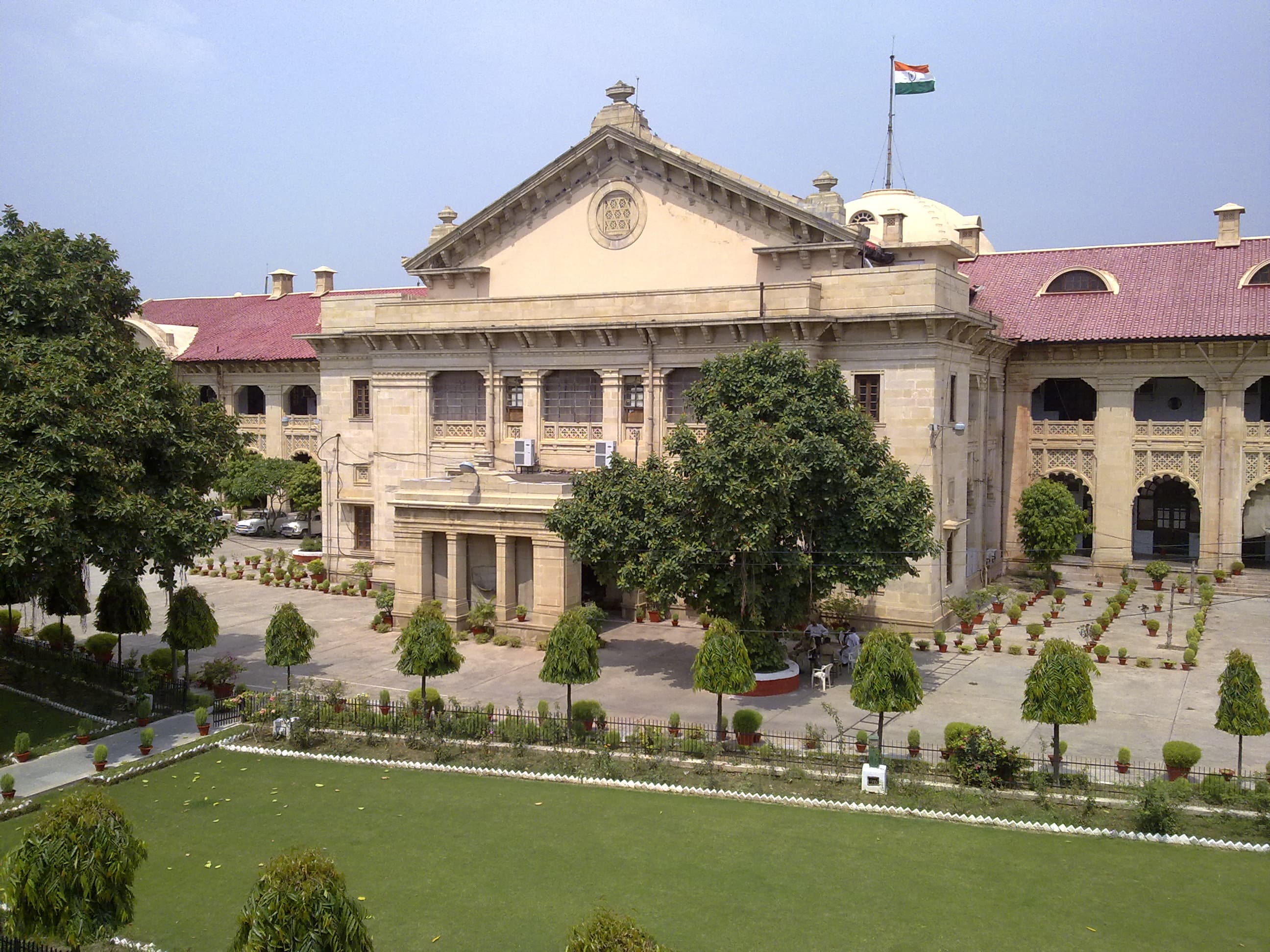
In a landmark observation in November 2025, the Allahabad High Court expressed strong displeasure over the Uttar Pradesh Police using the word “kabza” to describe the custody of a woman. The court in Smt. Saniya and Another v. State of U.P. and 3 Others held that such language belongs to possession of property, not a human being. This article explains what a woman in Lucknow should do if police use the term “kabza” for her custody in a family or criminal case.
The case highlights the constitutional imperative of personal liberty under Article 21. If you or a loved one face demeaning custody terminology or unlawful detention, immediate legal action through a criminal lawyer in Lucknow is essential. The High Court ordered the woman’s immediate release, reaffirming that a major adult’s liberty cannot be reduced to a “possession” narrative.
Table of Contents
Need Immediate Legal Help?
If you're facing a legal emergency in Lucknow, don't wait. Contact experienced criminal lawyer Advocate Onkar Pandey for immediate assistance.
What is the “Kabza” Controversy?
The Allahabad High Court’s order in Smt. Saniya and Another v. State of U.P. and 3 Others (2025) arose from a habeas corpus petition. The petitioner alleged that a major woman was wrongfully confined and that the police, instead of treating her as a person with rights, recorded her custody as “kabza police.”
The court strongly objected, stating that the term “kabza” is used for chattels and property, not for humans. It directed the immediate release of the woman, emphasizing her right to choose her residence and companion.
| Key Details | Information |
|---|---|
| Case Name | Smt. Saniya and Another v. State of U.P. and 3 Others |
| Court | Allahabad High Court |
| Year | 2025 |
| Key Ruling | Police use of “kabza” for custody is unconstitutional; woman to be released |
| Legal Principle | Personal liberty under Article 21 cannot be reduced to possession |
This case is a powerful reminder that language matters in law. The court cited no specific statute but relied on constitutional values and the inherent power of the High Court to protect liberty. It also referenced the broader principle from Tejaswini Gaud v. Shekhar Jagdish Prasad Tewari (2019) 7 SCC 42 that habeas corpus is an exceptional remedy, but in cases of clear illegal confinement, it must be granted.
Why “Kabza” is Legally Wrong for Human Custody
Using the term “kabza” for a human being violates fundamental rights enshrined in the Constitution. Article 21 guarantees that no person shall be deprived of personal liberty except according to procedure established by law. Describing custody as “kabza” reduces a person to an object, stripping them of dignity.
Under the Bharatiya Nagarik Suraksha Sanhita (BNSS) and Bharatiya Nyaya Sanhita (BNS), several provisions protect against unlawful confinement:
- BNSS Section 58 – Person arrested not to be detained more than 24 hours without Magistrate’s authority.
- BNSS Section 187 – Production before a Magistrate within 24 hours after arrest.
- BNSS Sections 97 & 98 – Search for wrongfully confined person and release by Magistrate.
- BNS Section 127 – Wrongful confinement (punishable with imprisonment up to one year or fine or both).
- BNS Sections 115/118/121 – If force or assault is used during confinement, additional charges apply.
The Supreme Court in Tejaswini Gaud held that habeas corpus is maintainable only where custody is illegal or without lawful authority. Here, the police record of “kabza police” itself indicated illegality.
| Law | Provision | Purpose |
|---|---|---|
| BNSS | Section 58 | Limits detention without Magistrate approval to 24 hours |
| BNSS | Section 187 | Obligation to produce arrested person before Magistrate |
| BNSS | Section 97/98 | Magistrate can order search and release of wrongfully confined person |
| BNS | Section 127 | Punishment for wrongful confinement |
| Constitution | Article 21 | Right to personal liberty |
Immediate Steps if Police Uses “Kabza” for Your Custody
If you or a family member in Lucknow is told by the UP Police that you are in “kabza police” custody, take these steps immediately:
- Do not sign any document that says “kabza” or implies possession. You have the right to refuse to sign anything that violates your dignity.
- Record the exact language used. Note the names, badge numbers, and station of officers. Use your phone to record conversations (if safe).
- Request to be produced before a Magistrate. Under BNSS Section 187, you must be produced within 24 hours. Demand this right.
- Contact a criminal lawyer immediately. Call Advocate Onkar Pandey at +91 98392 71553 for urgent assistance. A lawyer can file a habeas corpus petition before the Allahabad High Court Lucknow Bench.
- File a complaint with the Superintendent of Police or Human Rights Commission. The demeaning language can be grounds for disciplinary action.
- Seek bail or anticipatory bail if the police attempt to register a case against you. Your lawyer can apply under BNSS Section 482 (anticipatory bail) or Section 484 (bail after arrest) if needed.
Remember: The Allahabad High Court has clearly stated that using “kabza” for a human is unacceptable. This precedent strengthens your case for immediate release and compensation.
Legal Consultation
Talk directly to Advocate Onkar Pandey
Explain your matter over a call or WhatsApp. If you take the case forward, the consultation fee adjusts into your overall fee, so there is no separate charge to begin.
Legal Remedies: Habeas Corpus, Bail, and BNSS Provisions
When police use language like “kabza” to describe custody, the most powerful remedy is a writ of habeas corpus under Article 226 of the Constitution. This can be filed in the Allahabad High Court Lucknow Bench. The petition must show that the detention is illegal and that the person is being treated as a chattel.
In the Smt. Saniya case, the High Court acted swiftly to order release. Similarly, any woman facing such treatment can approach the court. The timeline for a habeas corpus petition is typically urgent – listing can happen the same day or within 3 days, and disposal in 1-4 hearings if facts are straightforward.
Below is an estimated fee and timeline for filing a habeas corpus petition in Lucknow:
| Service | Estimated Fee (Advocate + Court) | Timeline |
|---|---|---|
| Habeas corpus writ filing (Allahabad HC Lucknow Bench) | ₹25,000 – ₹1,50,000 | 1-4 hearings (2 weeks to 2 months) |
| Emergency/same-day listing costs | ₹2,000 – ₹10,000 extra | Same day to 3 days for first hearing |
| Bail application under BNSS Section 483 or 484 | ₹15,000 – ₹50,000 | 1-3 hearings (1-4 weeks) |
| Anticipatory bail under BNSS Section 482 | ₹20,000 – ₹80,000 | 2-4 hearings (2-6 weeks) |
If the police have already registered an FIR or criminal case, your lawyer may also file for quashing of FIR under BNSS Section 528 (inherent powers of High Court). Additionally, if the woman is a minor, provisions of the Juvenile Justice Act and BNS Section 97 (kidnapping) may apply.
How a Lucknow Criminal Lawyer Can Help
Facing police custody that is described as “kabza” is both degrading and illegal. An experienced criminal lawyer in Lucknow can take immediate action to protect your rights. The lawyer will:
- File a habeas corpus petition before the Allahabad High Court Lucknow Bench, citing the Smt. Saniya precedent.
- Demand production before a Magistrate under BNSS Section 187, and ensure the police record is corrected.
- Seek compensation for illegal confinement and violation of dignity.
- Apply for bail or anticipatory bail under BNSS Section 482 or 484 if any criminal case is registered.
- Advise on lodging a complaint with the Uttar Pradesh Human Rights Commission or the Police Complaints Authority.
The High Court’s strong words against using “kabza” give advocates a powerful tool to challenge such police conduct. If you are in Lucknow or anywhere in Uttar Pradesh, do not hesitate to contact Advocate Onkar Pandey for a consultation.
About the Author
Advocate Onkar Pandey is a practicing lawyer at the Allahabad High Court Lucknow Bench with over 25 years of experience in criminal law, bail matters, FIR quashing, and family law. Enrolled with the Bar Council of Uttar Pradesh (No. UP/4825/1999), he provides expert legal guidance to clients across Uttar Pradesh from his chamber at A-406, High Court, Lucknow. For a consultation on women’s custody rights and habeas corpus, contact Advocate Onkar Pandey at +91 98392 71553.
Frequently Asked Questions
What does the term “kabza” mean in police records?+
Kabza is a Hindi/Urdu word meaning possession or control, typically used for property or animals. When police use it for a human being, it implies treating the person as a chattel. The Allahabad High Court in Smt. Saniya (2025) held this language unconstitutional and violative of personal liberty under Article 21.
Can I file a habeas corpus petition if police use “kabza” for my custody?+
Yes. Habeas corpus is the most effective remedy for illegal detention. You can file a writ petition under Article 226 before the Allahabad High Court Lucknow Bench. The court will expect the police to justify the legality of custody. If the language used is demeaning, it strengthens your case. The timeline is urgent; listing can occur within 1-3 days.
What BNSS provisions protect me from unlawful custody?+
BNSS Section 58 requires that no arrested person be detained beyond 24 hours without Magistrate authorization. BNSS Section 187 mandates production before a Magistrate within 24 hours. BNSS Sections 97 and 98 allow a Magistrate to order a search and release of any person wrongfully confined. Violation of these sections can lead to police accountability.
Is there a Supreme Court case directly on the use of “kabza”?+
No. The Supreme Court has not used the exact term “kabza” for human custody. However, the landmark case Tejaswini Gaud v. Shekhar Jagdish Prasad Tewari (2019) 7 SCC 42 establishes principles for habeas corpus in custody disputes, emphasizing that custody must be lawful. The Allahabad High Court’s observation in Smt. Saniya is currently the most direct judicial disapproval of the term.
What should I do if police refuse to remove “kabza” from my records?+
Immediately contact a criminal lawyer in Lucknow. Your lawyer can file an application before the Magistrate or the High Court seeking correction of the police record. You may also lodge a complaint with the Superintendent of Police or the Uttar Pradesh Human Rights Commission. The High Court order in Smt. Saniya serves as binding precedent against such language.
Can I get compensation for being called “kabza” in police custody?+
Yes. If the police have used demeaning language and wrongfully confined you, you can claim compensation in your habeas corpus petition. The High Court has inherent power to award costs or compensation for violation of fundamental rights. The amount depends on the facts, but previously courts have granted ₹50,000 to ₹2,00,000 in similar cases.
Does this ruling apply only to women?+
The Smt. Saniya case involved a woman, but the principle applies to any person. The court objected to the term “kabza” for a human being. Therefore, any individual – man, woman, or child – who is described in such a manner can rely on this judgment to challenge police conduct and seek immediate release.
Related Services
Get Expert Legal Advice in Lucknow
20+ years experience in criminal law at Lucknow High Court. Available 24/7 for emergencies.
Disclaimer: This article is for general information purposes only and does not constitute legal advice. Every case is unique and requires specific legal analysis. For advice specific to your situation, please consult Advocate Onkar Pandey or another qualified attorney in Lucknow.