India Never Declares Itself as a Hindu State: Insights from the Supreme Court
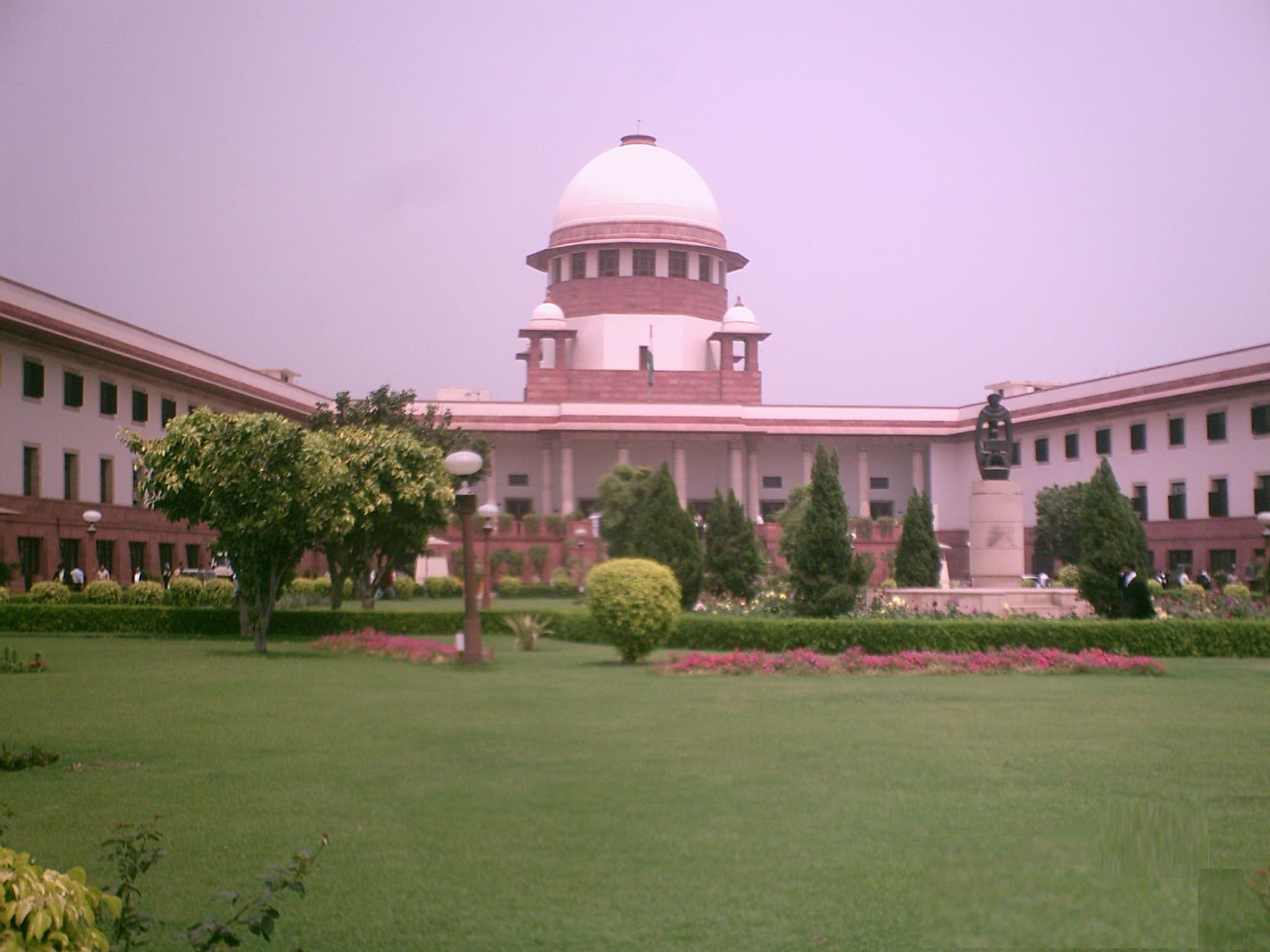
Table of Contents
Need Immediate Legal Help?
If you're facing a legal emergency in Lucknow, don't wait. Contact experienced criminal lawyer Advocate Onkar Pandey for immediate assistance.
The Secular Identity of India
The Supreme Court's assertion reiterates India's commitment to secularism. The Constitution of India, framed in 1950, lays down a framework where all religions are treated equally. This principle is crucial for maintaining harmony in a diverse nation.
Key aspects include:
- Article 15 prohibits discrimination on grounds of religion.
- Article 25 ensures freedom of conscience and the right to profess, practice, and propagate religion.
These provisions serve as a foundation for the legal system in Lucknow and beyond, affecting cases related to property disputes and family law.
Legal Implications of a Secular State
The affirmation of a secular state has profound legal implications. It ensures that laws are not influenced by any religious doctrine, which is essential in a multicultural society.
For example:
- Legal decisions in family courts must adhere to secular principles, regardless of the personal laws of various communities.
- In criminal cases, the law must apply uniformly, ensuring that justice is not skewed by religious bias.
This uniformity helps in preserving the integrity of the judiciary, especially in Uttar Pradesh.
Case Studies in Constitutional Law
Several landmark cases have reinforced the secular fabric of India. These include:
- Kesavananda Bharati v. State of Kerala: Established the basic structure doctrine, preventing amendments that alter the secular nature of the Constitution.
- S.R. Bommai v. Union of India: Affirmed that religion cannot be a basis for state action.
These cases highlight how the judiciary upholds the principles laid down in the Constitution, protecting the rights of citizens across Lucknow and other regions.
Legal Consultation
Talk directly to Advocate Onkar Pandey
Explain your matter over a call or WhatsApp. If you take the case forward, the consultation fee adjusts into your overall fee, so there is no separate charge to begin.
Addressing Misconceptions About Hindu State
The term 'Hindu state' often evokes strong reactions and misunderstandings. Justice Singh's remarks aim to clarify that
India's identity is rooted in its Constitution, not in any single religion.This distinction is vital for legal professionals in Uttar Pradesh to understand as they navigate cases involving communal tensions or disputes influenced by religious sentiments.
Understanding the interplay between religion and law is critical for:
- Lawyers dealing with family law issues.
- Legal practitioners in property disputes.
The Role of Judiciary in Upholding Secularism
The judiciary plays a pivotal role in maintaining the secular ethos of the nation. Courts in Lucknow and Allahabad High Court have consistently ruled in favor of equality and justice, irrespective of religious backgrounds.
Key functions include:
- Interpreting laws in a manner that upholds the constitutional mandate.
- Providing a platform for redressal against any form of discrimination.
This function is crucial in criminal defense cases where the rights of individuals must be protected from communal biases.
Conclusion: A Call for Awareness
Justice N Kotiswar Singh's statement serves as a reminder of the importance of understanding the Constitution as the guiding document for India's governance. It is essential for legal practitioners in Lucknow to educate their clients about their rights under this framework.
By fostering an awareness of constitutional rights, we can contribute to a more just society, ensuring that the principles of equality and secularism are upheld.
About the Author
Advocate Onkar Pandey is a seasoned legal professional based in Lucknow, specializing in criminal law, family law, and property disputes. With extensive experience in navigating the complexities of the legal system, he is committed to providing sound legal advice and representation to his clients.
Frequently Asked Questions
What is the significance of secularism in India's Constitution?+
Secularism ensures that the state treats all religions equally, preventing discrimination based on religion. This is critical in maintaining harmony in a diverse society.
How does the Supreme Court uphold secularism?+
The Supreme Court interprets laws in a manner consistent with the Constitution, ensuring that legal decisions do not favor any particular religion.
What are the legal rights of citizens under a secular state?+
Citizens have the right to practice any religion freely, and the state cannot impose any religious laws or practices on them, as guaranteed by Articles 15 and 25.
Can religious laws be applied in family disputes?+
In family disputes, secular laws take precedence, ensuring that all individuals are treated equally under the law, regardless of their religious affiliations.
What role does the judiciary play in property disputes?+
The judiciary ensures that property disputes are resolved based on law, free from any religious biases, thereby upholding the principles of justice and equality.
How can one seek legal advice in Lucknow?+
Individuals can seek legal advice by consulting a qualified lawyer who specializes in the respective field, such as family law, criminal law, or property disputes.
Related Services
Get Expert Legal Advice in Lucknow
20+ years experience in criminal law at Lucknow High Court. Available 24/7 for emergencies.
Disclaimer: This article is for general information purposes only and does not constitute legal advice. Every case is unique and requires specific legal analysis. For advice specific to your situation, please consult Advocate Onkar Pandey or another qualified attorney in Lucknow.