Can High Courts Exempt Convicts from Surrender Using Inherent Powers?
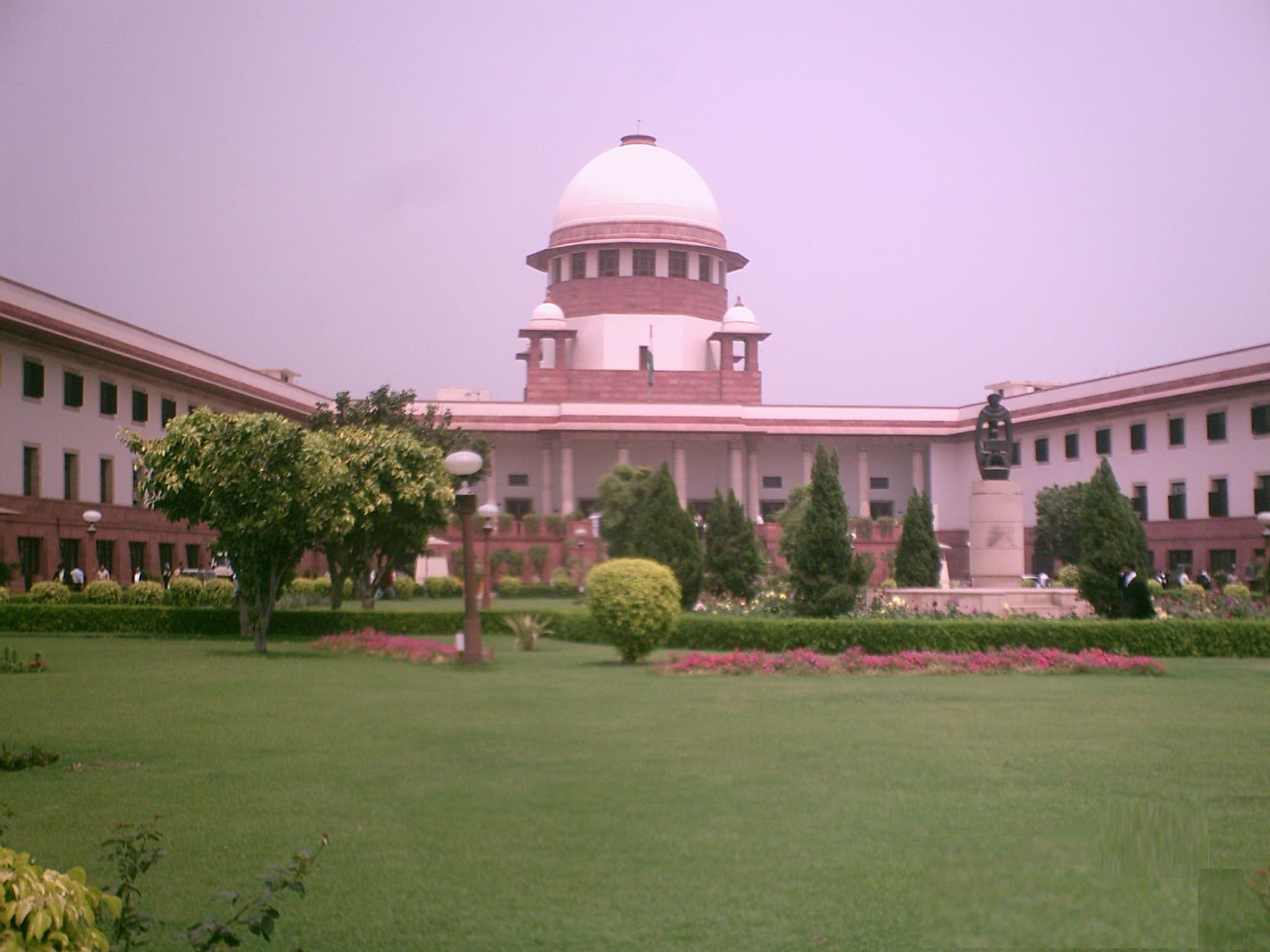
Table of Contents
Need Immediate Legal Help?
If you're facing a legal emergency in Lucknow, don't wait. Contact experienced criminal lawyer Advocate Onkar Pandey for immediate assistance.
Understanding Inherent Powers of High Courts
The inherent powers of High Courts are derived from their constitutional provisions, specifically under Article 226 of the Constitution of India. These powers enable High Courts to:
- Issue writs for enforcing fundamental rights.
- Exercise jurisdiction over matters that may not be specifically covered under existing laws.
- Provide relief in the interest of justice.
The application of these powers can lead to significant outcomes in cases where the law is silent or ambiguous.
The Supreme Court's Referral
The recent referral by the Supreme Court has sparked discussions regarding the limits and scope of High Courts’ inherent powers. The question posed is whether these powers can be utilized to exempt convicts from the mandatory requirement of surrendering to the authorities post-conviction.
Historically, courts have maintained a strict approach towards surrendering, emphasizing compliance with judicial orders. However, there are exceptions where humanitarian grounds can be considered.
The Supreme Court's decision to refer this matter indicates a potential shift in judicial interpretation, which could align with modern legal standards.
Legal Implications of Exemption from Surrender
Exempting convicts from surrender could have far-reaching implications, including:
- Judicial Precedents: Establishing new benchmarks for future cases.
- Rights of Convicts: Enhancing the legal rights of convicts during the appeal process.
- Public Safety: Balancing the rights of individuals against the interests of public safety.
As this matter progresses, it is essential for legal professionals to monitor how the High Courts and the Supreme Court interpret these powers in practice.
Legal Consultation
Talk directly to Advocate Onkar Pandey
Explain your matter over a call or WhatsApp. If you take the case forward, the consultation fee adjusts into your overall fee, so there is no separate charge to begin.
Case Studies and Examples
Several cases have addressed the issue of surrender and the inherent powers of the High Courts. For instance:
| Case Name | Year | Outcome |
|---|---|---|
| Case 1 | 2020 | High Court allowed exemption. |
| Case 2 | 2021 | Supreme Court reversed High Court decision. |
These cases illustrate the complexities involved and the varying interpretations of the law.
The Role of Legal Counsel
In light of this ongoing discussion, the role of legal counsel becomes imperative. Lawyers must:
- Advise clients on their rights regarding surrender.
- Prepare for possible changes in legal precedent.
- Engage in advocacy for humane treatment of convicts.
Effective legal representation can significantly influence the outcome of cases involving surrender and inherent powers.
Public and Media Reactions
The referral by the Supreme Court has garnered significant media attention, leading to various public opinions. Some advocate for the rights of convicts, arguing for humane treatment, while others express concerns about public safety. The media plays a crucial role in shaping public perception of legal issues, highlighting the importance of responsible reporting.
Understanding these perspectives can help legal practitioners navigate the complexities surrounding public opinion and legal advocacy.
About the Author
Advocate Onkar Pandey is a seasoned lawyer based in Lucknow, specializing in criminal and family law. With extensive experience in representing clients in the Allahabad High Court and Lucknow courts, he is committed to providing top-notch legal advice and representation. Advocate Pandey believes in upholding justice and protecting the rights of individuals facing legal challenges.
Frequently Asked Questions
Can a convict be exempted from surrender under any circumstances?+
Yes, under certain circumstances, especially if the High Court deems it necessary to grant relief based on humanitarian grounds or legal precedents.
What are the inherent powers of High Courts?+
Inherent powers allow High Courts to provide justice beyond the strict provisions of the law, particularly under Article 226 of the Constitution.
How does the Supreme Court's referral affect ongoing cases?+
The referral could lead to new legal precedents that may impact the outcomes of ongoing cases concerning surrender and inherent powers.
What should convicts do if they wish to seek exemption from surrender?+
Convicts should consult with a criminal lawyer to explore their options and understand the legal implications.
Is there a fixed timeline for High Courts to decide on these matters?+
There is no fixed timeline, as decisions depend on the specific case and the complexity of the legal questions involved.
Related Services
Get Expert Legal Advice in Lucknow
20+ years experience in criminal law at Lucknow High Court. Available 24/7 for emergencies.
Disclaimer: This article is for general information purposes only and does not constitute legal advice. Every case is unique and requires specific legal analysis. For advice specific to your situation, please consult Advocate Onkar Pandey or another qualified attorney in Lucknow.