Divorce Doesn’t End Wife’s Right to Maintenance If She Hasn’t Remarried and Unable to Maintain Herself: Allahabad HC Enhances Monthly Support to ₹20k
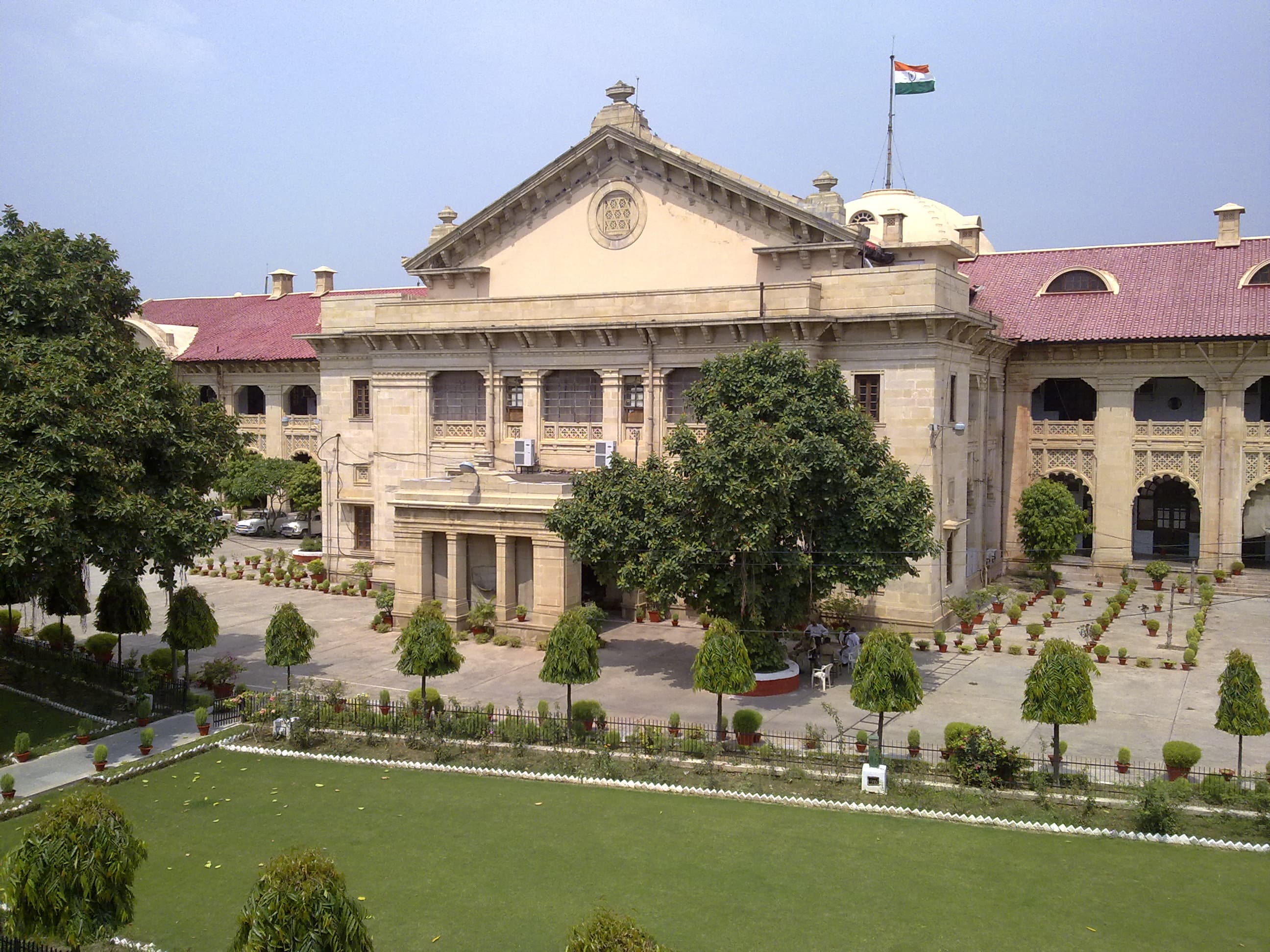
In a significant ruling, the Allahabad High Court has reaffirmed that a divorce does not automatically extinguish a wife’s right to maintenance if she has not remarried and is unable to maintain herself. The Court enhanced the monthly maintenance amount to ₹20,000, emphasizing that the husband’s legal obligation continues post-divorce under the Bharatiya Nagarik Suraksha Sanhita (BNSS), specifically Section 144 BNSS (which replaced Section 125 CrPC).
This judgment, delivered from the Lucknow Bench, provides crucial clarity for countless women in Uttar Pradesh who fear that divorce may leave them financially destitute. The Court has made it clear that the wife’s inability to maintain herself, coupled with her unmarried status, forms the bedrock of her claim for maintenance, regardless of the dissolution of marriage. If you are facing a similar situation, consult a family law expert at the Allahabad High Court Lucknow for guidance tailored to your case.
Table of Contents
Need Immediate Legal Help?
If you're facing a legal emergency in Lucknow, don't wait. Contact experienced criminal lawyer Advocate Onkar Pandey for immediate assistance.
Legal Framework: Section 144 BNSS and Post-Divorce Maintenance
Section 144 BNSS (which replaces the earlier Section 125 CrPC) is the primary statutory provision governing maintenance for wives, children, and parents. This section imposes a legal duty on a person with sufficient means to maintain their wife who is unable to maintain herself.
Importantly, the law does not differentiate between a divorced wife and a married wife for the purpose of maintenance. The key conditions are that the wife has not remarried and is unable to maintain herself. The Allahabad High Court has consistently held that the husband’s obligation is a continuing one.
- Section 144(1) BNSS: Orders maintenance for wives unable to maintain themselves.
- Section 144(3) BNSS: Provides that the maintenance amount can be enhanced if there is a change in circumstances.
- Section 144(4) BNSS: Bars maintenance only if the wife is living in adultery or refuses to live with her husband without sufficient cause.
Recent Allahabad HC Judgment on Enhancement of Maintenance
In a recent case from the Lucknow Bench, the Allahabad High Court dealt with a criminal revision petition filed by a divorced wife whose maintenance was being contested by her former husband. The husband argued that since the marriage had ended, he was no longer liable to pay maintenance.
The Court rejected this argument, citing the Supreme Court’s landmark ruling in Rajnesh v. Neha, (2021) 2 SCC 324, which held that education or earning capacity alone does not disentitle a wife from claiming maintenance. The Court must assess the wife’s actual and present ability to maintain herself commensurate with the standard of living in the matrimonial home.
| Case | Key Principle | Citation |
|---|---|---|
| Rajnesh v. Neha | Earning capacity ≠ actual income; husband’s obligation subsists | (2021) 2 SCC 324 |
| Wife v. Husband (Criminal Revision) | Parents’ support does not replace husband’s duty | Allahabad HC, June 17, 2026 |
| Dr. Garima Dubey v. Dr. Saurabh Anand Dubey | Voluntary unemployment may deny maintenance; necessity-based | 2026 SCC OnLine All 3354 |
When Can Maintenance Be Denied or Reduced?
The Allahabad High Court has also delineated circumstances where maintenance may be denied. For instance, in Dr. Garima Dubey v. Dr. Saurabh Anand Dubey (2026 SCC OnLine All 3354), the Court clarified that a qualified wife who is voluntarily unemployed and not actually earning may be denied interim maintenance under Section 24 of the Hindu Marriage Act.
However, the Court emphasized that “capacity to earn” is not equivalent to “actual earning.” If a wife is unable to work due to childcare, illness, or other valid reasons, she cannot be denied maintenance. The test is necessity-based, not entitlement-based.
- If the wife has remarried, maintenance stops.
- If the wife is living in adultery, Section 144(4) BNSS bars maintenance.
- If the wife is able to maintain herself through her own income, the court may reduce or deny maintenance.
Legal Consultation
Talk directly to Advocate Onkar Pandey
Explain your matter over a call or WhatsApp. If you take the case forward, the consultation fee adjusts into your overall fee, so there is no separate charge to begin.
Procedure for Filing a Maintenance Claim in Lucknow Courts
Filing for maintenance after a divorce requires careful legal procedure. In Lucknow, the application is typically filed before the Family Court or the CJM Court Lucknow, depending on the nature of the case. The new code under Section 144 BNSS provides a streamlined process.
The court considers factors such as the husband’s income, the wife’s needs, and the standard of living during the marriage. The Allahabad High Court has the power to enhance or reduce maintenance on revision, as seen in the latest judgment enhancing support to ₹20,000.
| Stage | Forum | Timeframe |
|---|---|---|
| Initial Application | Family Court / CJM Court Lucknow | 3-6 months for interim order |
| Revision / Appeal | Allahabad High Court Lucknow Bench | 6-12 months |
Why a Lawyer Is Essential for Maintenance Matters
Navigating maintenance claims under Section 144 BNSS requires expert legal knowledge, especially when contesting issues like the wife’s earning capacity or the husband’s financial status. A skilled criminal lawyer in Lucknow can help present evidence of the husband’s income and argue for enhancement.
At the Allahabad High Court Lucknow Bench, experienced advocates like Advocate Onkar Pandey handle complex maintenance revisions. Whether you are seeking to enforce or resist a maintenance order, professional legal representation can make a significant difference in the outcome.
- Collect all evidence of the husband’s income, property, and assets.
- Document the wife’s expenses and her inability to maintain herself.
- File the application under Section 144 BNSS in the appropriate court.
About the Author
Advocate Onkar Pandey is a practicing lawyer at the Allahabad High Court Lucknow Bench with over 25 years of experience in criminal law, bail matters, FIR quashing, and family law. Enrolled with the Bar Council of Uttar Pradesh (No. UP/4825/1999), he provides expert legal guidance to clients across Uttar Pradesh from his chamber at A-406, High Court, Lucknow. For a consultation on divorce and maintenance, contact Advocate Onkar Pandey at +91 98392 71553.
Frequently Asked Questions
Can a divorced wife claim maintenance after divorce in Uttar Pradesh?+
Yes, a divorced wife can claim maintenance under Section 144 BNSS (which replaced Section 125 CrPC). The Allahabad High Court has ruled that divorce does not extinguish this right if she has not remarried and is unable to maintain herself. The husband remains liable to provide maintenance commensurate with his means.
What is the maximum maintenance a wife can get after divorce under Section 144 BNSS?+
There is no fixed maximum amount; it depends on the husband's income and the wife's needs. The Allahabad High Court has recently enhanced maintenance to ₹20,000 per month in a case where the wife was unable to maintain herself. Courts aim to ensure the wife maintains a standard of living similar to that during the marriage.
Will maintenance stop if the wife becomes educated or gets a job after divorce?+
Not automatically. The Supreme Court in Rajnesh v. Neha (2021) held that earning capacity alone does not disentitle a wife. If the wife is actually earning enough to maintain herself, the court may reduce or stop maintenance. However, voluntary unemployment or minimal earnings may not result in denial of maintenance.
What evidence is needed to get maintenance enhanced under Section 144 BNSS?+
The wife must present evidence of her monthly expenses, the husband's income (salary slips, property details, tax returns), and her inability to maintain herself. Medical records or evidence of illness/disability can also help. The court evaluates these to determine if enhancement is warranted.
Can a husband stop paying maintenance if his wife's parents support her?+
No. The Allahabad High Court (June 17, 2026) clarified that parental financial support does not absolve the husband of his legal duty. The income of the wife's parents is not her income. The husband remains obligated to pay maintenance under Section 144 BNSS.
What is the procedure to file a maintenance case in Lucknow Family Court?+
The wife or her advocate files a petition under Section 144 BNSS before the Family Court or CJM Court Lucknow. The court will conduct an inquiry into the husband's means and the wife's needs. An interim order can be passed within a few months. Both parties must submit affidavits and evidence.
How can Advocate Onkar Pandey help with a maintenance dispute in Lucknow?+
Advocate Onkar Pandey provides comprehensive legal assistance for maintenance cases at the Allahabad High Court Lucknow Bench and lower courts. He handles filing petitions, arguing revisions, and enhancing maintenance orders. With over 25 years of experience, he offers strategic advice tailored to each client's situation.
Get Expert Legal Advice in Lucknow
20+ years experience in criminal law at Lucknow High Court. Available 24/7 for emergencies.
Disclaimer: This article is for general information purposes only and does not constitute legal advice. Every case is unique and requires specific legal analysis. For advice specific to your situation, please consult Advocate Onkar Pandey or another qualified attorney in Lucknow.