Child’s Emotional Security Must Guide Every Custody and Visitation Decision: Supreme Court — What It Means for Parents in Lucknow & Uttar Pradesh
The Supreme Court of India has firmly established that a child’s emotional security must be the guiding star in every custody and visitation decision. Recent rulings in Sheetal Vasant Thakur v. Chirag Arora (2026) and Neethu B. @ Neethu Baby Mathew v. Rajesh Kumar (2025) have shifted the judicial focus from mere physical care to the psychological well-being and dignity of the child. For families in Lucknow and across Uttar Pradesh, this landmark principle directly impacts how the Allahabad High Court, Lucknow Bench, and local family courts decide custody battles. Parents seeking custody or visitation rights must now present evidence of the emotional impact of separation, not just their own fitness as a caregiver. If you are involved in a custody dispute, consulting an experienced criminal lawyer in Lucknow who understands these evolving standards is crucial.
Table of Contents
Need Immediate Legal Help?
If you're facing a legal emergency in Lucknow, don't wait. Contact experienced criminal lawyer Advocate Onkar Pandey for immediate assistance.
How Does the Supreme Court’s Emphasis on Child’s Emotional Security Affect Custody and Visitation Rights in Uttar Pradesh Courts?
The Supreme Court’s rulings in Sheetal Vasant Thakur (2026) and Neethu B. (2025) have fundamentally changed the legal landscape for custody and visitation matters in Uttar Pradesh. Previously, many family courts focused primarily on parental fitness, financial stability, or the child’s stated preference. Now, the emotional and psychological security of the child is the paramount consideration.
The Allahabad High Court (Lucknow Bench) directly applies these Supreme Court precedents in its custody judgments. This means:
- Psychological harm from separation is a key factor — a parent may be denied overnight visitation if it causes severe anxiety in the child.
- Child therapy/psychological reports are now admitted as critical evidence — courts may order such assessments, but only when “genuinely necessary” as per Sheetal Vasant Thakur (2026 INSC 638).
- Custody orders are interlocutory — the Neethu B. ruling (2025 INSC 853) confirms that orders can be modified when new evidence shows a negative impact on the child’s mental health.
- Visitation arrangements must be child-centric — courts in Lucknow now craft schedules that avoid interrupting school, extracurriculars, and the child’s routine, ensuring minimal disruption to their emotional stability.
For clients in Lucknow, this means your case must be argued not just on your ability to provide a home, but on how the proposed custody or visitation plan safeguards the child’s emotional security. The family court will scrutinize the potential trauma of shifting between two households.
The Landmark Rulings: Sheetal Vasant Thakur (2026) and Neethu B. (2025)
The Supreme Court in Sheetal Vasant Thakur v. Chirag Arora (2026) expressly held that courts must prioritize the child’s welfare, emotional security, dignity, and psychological well-being over all other considerations. It set out that psychological evaluations of children should be ordered only when “genuinely necessary,” and that the court must document explicit justifications for such assessments. This ruling reinforces the child-centric framework of the POCSO Act and the new BNSS provisions (Sections 24, 33(5), 36, 39).
In Neethu B. @ Neethu Baby Mathew v. Rajesh Kumar (2025), the Supreme Court reversed its own earlier judgment that had granted permanent custody to the father. The reversal was based on new psychological evidence showing that separation from the mother caused severe negative impact on the child’s mental health. The Court affirmed that custody orders are interlocutory and subject to modification based on the evolving best interests of the child.
Together, these cases establish a clear legal doctrine for all courts in Uttar Pradesh, including the Allahabad High Court and family courts in Lucknow, Varanasi, and Kanpur.
Key Statutory Provisions Under the New BNSS & BNS (2023)
The new criminal codes — Bharatiya Nagarik Suraksha Sanhita (BNSS) and Bharatiya Nyaya Sanhita (BNS) — reinforce the Supreme Court’s child-protective stance. While these codes are primarily procedural, they contain sections that directly apply to custody and visitation cases, especially when allegations of mental harm or abuse arise.
| Statute | Section | Relevance to Child’s Emotional Security |
|---|---|---|
| BNSS, 2023 | Section 24 | Mandates child-friendly procedures and protection from trauma during investigation. |
| BNSS, 2023 | Section 33(5) | Requires minimum re-traumatization of the child in legal proceedings. |
| BNSS, 2023 | Section 36 | Ensures psychological safety of the child throughout the process. |
| BNSS, 2023 | Section 39 | Mandates minimum exposure of the child to the adversarial process (e.g., not forcing the child to testify in open court). |
| BNS, 2023 | Sections 108 & 115 | Pertain to offenses against the human body; mental agony as a form of assault. |
These provisions, which were also cited in Sheetal Vasant Thakur, ensure that the legal process itself does not become a source of emotional harm for the child. The Lucknow Bench of the Allahabad High Court regularly applies these sections when deciding on custody and visitation interim orders.
Legal Consultation
Talk directly to Advocate Onkar Pandey
Explain your matter over a call or WhatsApp. If you take the case forward, the consultation fee adjusts into your overall fee, so there is no separate charge to begin.
Strategies for Parents Seeking Custody or Visitation in Lucknow Courts
Given the shift toward emotional security as the central criterion, parents in Lucknow must adapt their legal strategy. Here are practical steps to strengthen your case before the Family Court, Lucknow or the Allahabad High Court (Lucknow Bench):
- Document the child’s emotional bond: Keep a daily diary of your interactions, the child’s routine, school activities, and any signs of distress when away from you.
- Obtain a psychological evaluation (if necessary): If you suspect the other parent is causing emotional harm, you may request a court-ordered evaluation, citing the Sheetal Vasant Thakur guidelines.
- Propose a child-centric visitation schedule: Instead of demanding maximal time, submit a detailed schedule that minimizes disruption to the child’s school, sleep, and extracurricular activities. This demonstrates your prioritization of the child’s welfare.
- Seek an interim order for supervised visitation if needed: If there are concerns about the other parent’s conduct, you can ask the court to order supervised visitation at a neutral venue, ensuring the child’s psychological safety.
- Challenge or modify existing orders: If you have a prior custody order that is harming the child’s mental health, you can file a modification application relying on Neethu B. (2025 INSC 853), which confirms that custody orders are interlocutory and can be changed.
An experienced criminal lawyer in Lucknow can guide you on how to present psychological evidence and frame your arguments in alignment with the Supreme Court’s child-first doctrine.
Comparison of Old Approach vs. New Child-Centric Approach in Uttar Pradesh Courts
| Parameters | Old Approach (Before 2025) | New Approach (After Sheetal Vasant Thakur & Neethu B.) |
|---|---|---|
| Primary Criterion | Parental fitness, financial capacity, moral character | Child’s emotional security, psychological well-being, and dignity |
| Weight to Child’s Preference | Often given decisive weight if child above 9 years | Preserved but subordinated to expert evidence of emotional harm; child’s wishes not binding if they cause distress |
| Psychological Evaluation | Rarely ordered; seen as intrusive | Ordered only when genuinely necessary; court must document justification (Sheetal Vasant Thakur) |
| Modification of Orders | Difficult; finality often stressed | Readily modifiable based on new evidence of impact on child’s mental health (Neethu B.) |
| Visitation Schedule | Fixed, rigid (e.g., every weekend + holidays) | Flexible, child-centric (e.g., limited to avoid anxiety, reduced during exam periods) |
This table reflects the practical shift that litigants and lawyers in Lucknow can expect. The Allahabad High Court now routinely cites these Supreme Court precedents in interim and final custody orders.
Role of the Allahabad High Court (Lucknow Bench) in Custody and Visitation Matters
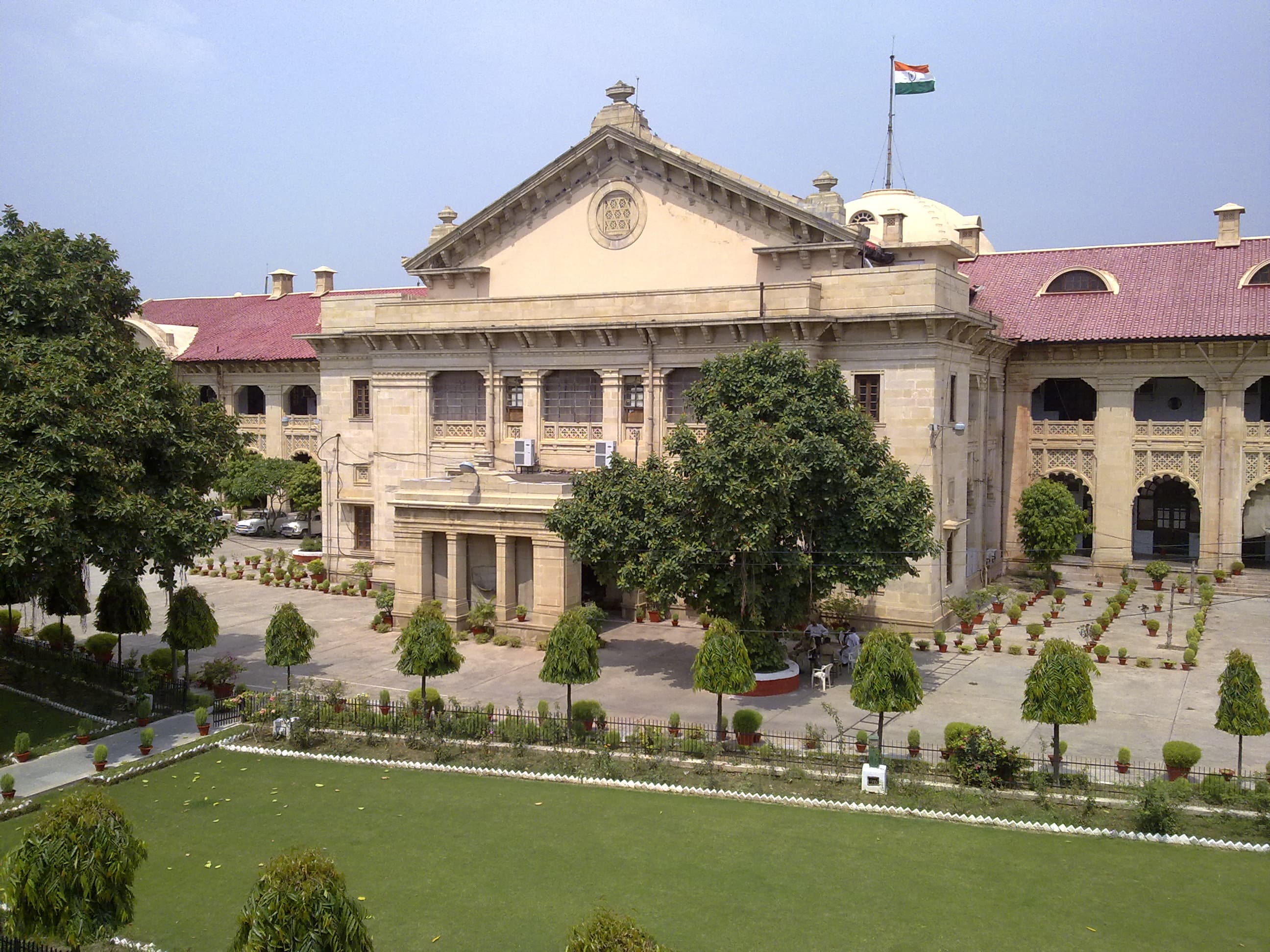
The Allahabad High Court, Lucknow Bench is the principal appellate and revisional court for custody and visitation cases from across Uttar Pradesh. When a parent is aggrieved by the family court’s order, they can file a writ petition or a civil revision before the High Court. The Lucknow Bench has consistently applied the Supreme Court’s doctrine of child’s welfare and emotional security as the paramount consideration.
In several recent orders, the Court has:
- Granted interim custody to grandparents where parents were engaged in bitter litigation that caused emotional harm to the child.
- Ordered professional psychological assessment of the child and both parents before finalizing visitation rights.
- Set aside orders that granted unrestricted visitation to a parent accused of alcohol abuse, on grounds of protecting the child’s psychological safety.
If your custody case is pending before a family court in Lucknow, or if you wish to challenge an order before the High Court, you need an advocate who is well-versed in these evolving principles. The Allahabad High Court lawyer you choose must have experience in arguing child welfare-centric cases.
Important Timelines in Custody and Visitation Proceedings in Lucknow
| Stage | Typical Timeline | Key Consideration |
|---|---|---|
| Filing of petition before Family Court, Lucknow | Day 1 | Ensure petition highlights child’s emotional security from the outset. |
| First hearing / interim custody order | Within 30-45 days | Court often passes temporary custody/visitation order based on prima facie evidence of child’s bond. |
| Psychological evaluation (if ordered) | 4-6 weeks | Evaluation by a court-appointed child psychologist or counsellor. |
| Mediation / counselling (mandatory in Lucknow) | 4-8 weeks | Parties directed to mediation; focus on child’s welfare. |
| Final disposal of custody petition | 6-12 months | Can extend if extensive evidence or appeal is filed before HC. |
These timelines are approximate and depend on the court’s caseload. An early intervention by a skilled criminal lawyer in Lucknow can help expedite the process and secure a child’s emotional security without prolonged litigation.
About the Author
Advocate Onkar Pandey is a practicing lawyer at the Allahabad High Court Lucknow Bench with over 25 years of experience in criminal law, bail matters, FIR quashing, and family law. Enrolled with the Bar Council of Uttar Pradesh (No. UP/4825/1999), he provides expert legal guidance to clients across Uttar Pradesh from his chamber at A-406, High Court, Lucknow. For a consultation on child custody and visitation rights, contact Advocate Onkar Pandey at +91 98392 71553.
Frequently Asked Questions
Can a parent in Lucknow seek modification of a custody order if the child is emotionally distressed?+
Yes. As held in Neethu B. @ Neethu Baby Mathew v. Rajesh Kumar (2025 INSC 853), custody orders are interlocutory and can be modified if new psychological evidence shows that the current arrangement is causing severe negative impact on the child’s mental health. You can file an application before the Family Court, Lucknow or a writ petition before the Allahabad High Court (Lucknow Bench) seeking modification, supported by a recent psychological assessment.
What is the effect of the Sheetal Vasant Thakur judgment (2026) on custody cases in Uttar Pradesh?+
The ruling in Sheetal Vasant Thakur v. Chirag Arora (2026 INSC 638) mandates that all custody and visitation proceedings must prioritize the child’s emotional security, dignity, and psychological well-being. For UP courts, this means that psychological evaluations are not to be ordered routinely but only when genuinely necessary, and the court must document explicit justifications. It also reinforces the BNSS provisions (Sections 24, 33(5), 36, 39) requiring child-friendly procedures, which the Allahabad High Court now strictly follows.
Can a parent be denied visitation rights in Lucknow if it harms the child’s emotional security?+
Yes. The Supreme Court has made it clear that visitation rights are not absolute. If a parent’s presence or the process of visitation causes significant emotional distress, anxiety, or trauma to the child, the family court can modify or restrict visitation. The court may order supervised visitation, limit the duration, or require the visitation to occur at a neutral venue to minimize the child’s psychological harm.
Does the new BNSS (2023) affect how custody and visitation cases are handled in Lucknow family courts?+
Yes, indirectly. While BNSS is a criminal procedure code, its child-protective provisions — Sections 24 (child-friendly procedures), 33(5) (minimum re-traumatization), 36 (psychological safety), and 39 (minimum exposure to court) — are relied upon by the Allahabad High Court and family courts when dealing with allegations of abuse, neglect, or mental harm in custody cases. These provisions are also cited in the Sheetal Vasant Thakur judgment, making them a part of the evolving standard in custody jurisprudence.
What evidence should I present in Lucknow family court to prove my child’s emotional security is at risk?+
You should present: (a) expert psychological evaluation reports (if court-ordered), (b) school reports showing behavioral changes or decline in performance, (c) a diary of the child’s reactions when returning from the other parent’s home, (d) statements from teachers, counsellors, or family members, and (e) any evidence of the other parent’s conduct that causes anxiety (e.g., substance abuse, verbal aggression, inconsistent visitation). Your lawyer can help you compile these and present them in a manner consistent with the Supreme Court’s guidelines.
Can I file a case directly before the Allahabad High Court (Lucknow Bench) for custody and visitation?+
Typically, custody and visitation petitions are first filed before the Family Court of the district where the child ordinarily resides (e.g., Family Court, Lucknow). However, if there is urgency, if the family court has already passed an order you wish to challenge, or if the case involves complex legal issues, you can file a writ petition under Article 226 or a civil revision before the Allahabad High Court (Lucknow Bench). Consulting a lawyer experienced in both family court and High Court practice is advisable.
What is the difference between custody and visitation under the new Supreme Court rulings?+
Custody refers to the legal right to make major decisions about the child’s upbringing and usually includes physical residence with the child for a majority of the time. Visitation is the right of the non-custodial parent to spend time with the child — but it must be structured to protect the child’s emotional security. Under the new rulings, visitation can be limited or supervised if it causes emotional harm. The focus is no longer on the parent’s right to see the child, but on the child’s right to emotional stability, with visitation being a means to preserve the parent-child bond without trauma.
Related Services
Get Expert Legal Advice in Lucknow
20+ years experience in criminal law at Lucknow High Court. Available 24/7 for emergencies.
Disclaimer: This article is for general information purposes only and does not constitute legal advice. Every case is unique and requires specific legal analysis. For advice specific to your situation, please consult Advocate Onkar Pandey or another qualified attorney in Lucknow.