Chargesheet Reply for Government Employees in UP: Allahabad HC 2026 Guide
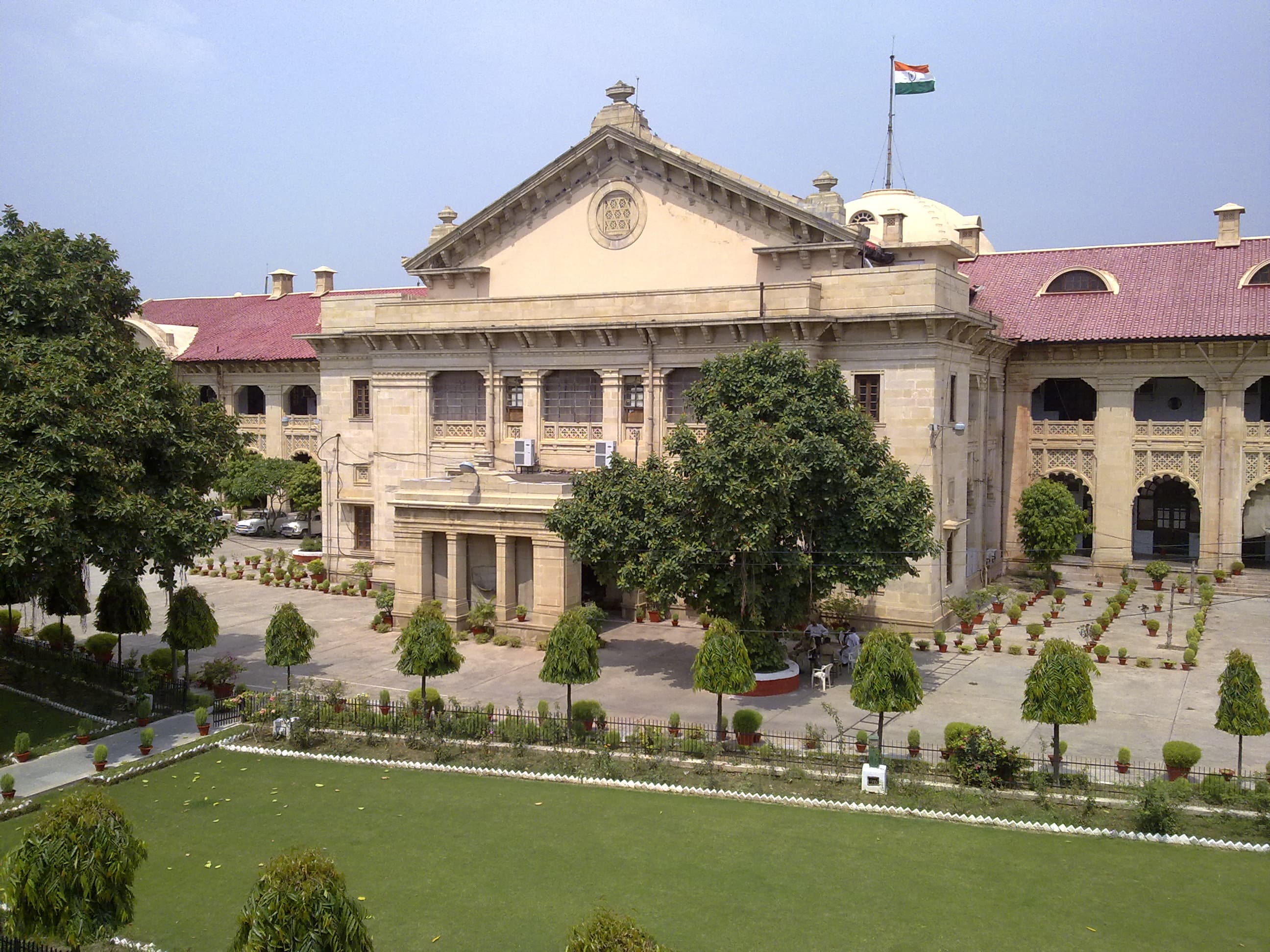
A chargesheet served on a government employee in Uttar Pradesh is one of the most stressful events in a service career. It freezes promotions, blocks increments, can trigger suspension, and — if mishandled in the first 15 days — often leads to dismissal. The good news is that the Allahabad High Court has, through a series of 2026 rulings, sharply restated the procedural safeguards that protect government servants in UP. Disciplinary proceedings cannot be initiated mechanically, the grounds must be specific, and a careless reply by the employee will not be cured later.
This guide explains how a UP government employee — clerks, constables, teachers, nurses, technical staff, gazetted officers — should read, analyse and reply to a chargesheet under the UP Government Servants (Discipline and Appeal) Rules, 1999. We cover the format of the reply, common Allahabad HC grounds for challenging the chargesheet, and when to approach the High Court or CAT through a service law lawyer in Lucknow.
Table of Contents
Need Immediate Legal Help?
If you're facing a legal emergency in Lucknow, don't wait. Contact experienced criminal lawyer Advocate Onkar Pandey for immediate assistance.
What a Chargesheet Means in UP Service Law
A chargesheet under service law is not the same as a chargesheet in a criminal case. It is a formal memo of charges issued by the disciplinary authority alleging misconduct under the applicable conduct rules — for UP state employees, the UP Government Servants Conduct Rules, 1956 read with the UP Government Servants (Discipline and Appeal) Rules, 1999.
A valid chargesheet must contain four parts:
- Article of charges — the specific allegations in plain language
- Statement of imputations — facts on which each charge is based
- List of documents relied on by the department
- List of witnesses the department proposes to examine
If any of these four annexures is missing, the chargesheet is procedurally defective and can be challenged. The Allahabad High Court's Lucknow Bench has repeatedly held that vague charges like "indiscipline" or "negligence" without specific dates, files or transactions are not sustainable. The first task of your service law advocate is to scrutinise whether the chargesheet meets these basic requirements before drafting a single line of reply.
Key Allahabad High Court 2026 Rulings You Must Know
Three 2026 rulings have reshaped how UP government employees should approach a chargesheet. Knowing them changes the strategy of your reply.
1. No chargesheet on the sole ground of arrest or incarceration. In a 2026 decision involving a CISF Head Constable, the High Court held that disciplinary proceedings cannot be initiated only because the employee was in custody. There must be an independent factual basis for misconduct.
2. Suspension beyond 90 days without chargesheet is unsustainable. Following Supreme Court precedent (Ajay Kumar Choudhary), the Allahabad High Court has quashed suspensions where the chargesheet was not served within 90 days. Employees suspended longer can move the High Court for reinstatement.
3. Arrest memo without grounds attracts departmental action against the officer. Where a police officer fails to record specific grounds of arrest, the Allahabad High Court has directed that the officer himself face disciplinary proceedings — a useful precedent if your chargesheet alleges illegal arrest by you as the accused officer.
These rulings, combined with the appeal mechanism before the Allahabad High Court Lucknow Bench, mean a well-drafted reply can both defend the employee and lay the foundation for a writ petition if dismissal follows.
Timeline and Format of the Chargesheet Reply
The single biggest mistake government employees make in UP is missing the reply deadline or filing a one-line denial. The chargesheet itself will state the time limit — usually 15 days, extendable to 30 — and you must respond in writing through the proper channel.
| Stage | Action Required | Statutory Time Limit |
|---|---|---|
| Receipt of chargesheet | Acknowledge in writing, request documents | Within 3 days |
| Inspection of documents | Inspect listed documents at the office | Within 7 days of receipt |
| Filing written statement of defence | Submit detailed reply with annexures | 15 days (extendable to 30) |
| Request for oral hearing | Demand personal hearing under Rule 9 | In the reply itself |
| Inquiry officer's report | Receive copy of report | Before final order |
| Second show cause | Reply on quantum of punishment | 15 days |
The written statement should answer each article of charge separately, deny imputations point by point, cite supporting documents, and name your witnesses. A blanket "all charges denied" reply is treated as a confession of weakness by inquiry officers in UP departments.
Legal Consultation
Talk directly to Advocate Onkar Pandey
Explain your matter over a call or WhatsApp. If you take the case forward, the consultation fee adjusts into your overall fee, so there is no separate charge to begin.
How to Draft a Strong Written Statement of Defence
A persuasive reply does three things at once: it disputes facts, raises procedural objections, and preserves grounds for a writ petition. We recommend the following structure:
- Preliminary objections — challenge jurisdiction of the disciplinary authority, vagueness of charges, non-supply of documents, delay in initiation
- Specific reply to each article — admit only what is undisputed, deny imputations with reasons, attach evidence
- Defence witnesses — list at least 2-3 witnesses who can corroborate your version
- Mitigation — service record, awards, no prior punishments, family responsibilities
- Demand for oral hearing — under principles of natural justice, especially if dismissal or reduction in rank is proposed
Attach annexures methodically: each document should be marked, paginated and cross-referenced in the reply text. If the department has not supplied a document mentioned in the chargesheet, raise it as a separate ground — the Allahabad High Court has repeatedly held that non-supply of relied documents vitiates the inquiry. For complex cases involving criminal allegations parallel to the chargesheet, consult a criminal defence lawyer in Lucknow alongside your service law advocate.
Grounds for Quashing a Chargesheet at Allahabad High Court
While the usual remedy is to reply and contest the inquiry, certain chargesheets are so legally flawed that they can be quashed at the threshold by writ petition. The Allahabad High Court's Lucknow Bench has carved out the following recognised grounds:
- Charges based on the same set of facts already exonerated — double jeopardy in service law
- Lapse of unreasonable time — chargesheet issued years after the alleged misconduct without explanation
- Mala fide initiation — chargesheet driven by personal vendetta, demonstrable by record
- Lack of competence — authority that issued chargesheet is not the disciplinary authority for that post
- Sub-judice criminal case — where the same facts are pending criminal trial and findings would be conflicting
- Retirement supervened — chargesheet served after retirement without the President's or Governor's sanction
If any of these grounds applies, a writ petition under Article 226 may be filed at the Lucknow Bench of Allahabad High Court seeking quashing of the chargesheet itself. The court has, in 2026, quashed at least four such chargesheets at the threshold — a clear signal that procedural propriety matters.
Departmental Enquiry Procedure — What Happens After Reply
If the disciplinary authority is not satisfied with your reply, a regular departmental enquiry is ordered under Rule 7 of the 1999 Rules. Understanding this stage is critical because most government employees lose at the enquiry through poor preparation, not weak facts.
The inquiry officer is usually an officer of equivalent or higher rank. The presenting officer leads evidence on behalf of the department. You — as the charged employee — have the right to:
- Cross-examine departmental witnesses, including the complainant
- Produce defence witnesses and documents
- Be assisted by a "defence assistant" (a serving or retired government employee or, in some cases, a lawyer)
- Inspect office records relevant to the charges
- Submit a written brief at the end of the enquiry
The Allahabad High Court has held in 2026 that denial of oral hearing where the charged employee specifically demands it is a fatal defect. So is refusal to permit cross-examination of a key witness whose statement forms the basis of the charge. Document every objection in writing during the enquiry — these become the spine of a future writ petition if punishment is imposed.
When to Approach High Court or CAT
UP state government employees ordinarily approach the Allahabad High Court's Lucknow Bench. Central government employees in UP can approach the Central Administrative Tribunal (CAT), Lucknow Bench. Choosing the correct forum at the right stage saves months.
| Situation | Forum | Article / Provision |
|---|---|---|
| State employee — suspension over 90 days, no chargesheet | Allahabad HC Lucknow | Article 226 |
| State employee — chargesheet patently illegal | Allahabad HC Lucknow | Article 226 |
| State employee — dismissal/reduction in rank order | Allahabad HC after appeal | Article 226 + Rule 11 appeal |
| Central employee — any service grievance | CAT Lucknow Bench | Administrative Tribunals Act, 1985 |
| Pension / gratuity withheld after retirement | Allahabad HC Lucknow | Article 226 |
Statutory appeal under Rule 11 of the UP Discipline Rules must usually be exhausted before invoking writ jurisdiction, unless the order is without jurisdiction or violates natural justice. If you are unsure which remedy fits your facts, book a consultation through our Lucknow chambers and bring all chargesheet papers, replies, and the impugned order in original.
Practical Tips From Lucknow Service Law Practice
In our service law practice before the Allahabad High Court's Lucknow Bench, certain patterns recur. Government employees who follow these tips dramatically improve their chances:
- Acknowledge the chargesheet the same day — never let the date of receipt become disputed
- Demand all documents in writing — do not rely on oral assurances by the office assistant
- Keep a personal file — service book, ACR/APAR, awards, leave records — courts give weight to unblemished records
- Do not resign during inquiry — resignation does not stop disciplinary proceedings and forfeits terminal benefits
- Avoid filing RTI on the same officers who chargesheeted you — adopt focused legal channels instead
- Engage a lawyer for the reply itself — the reply forms the basis of all future proceedings; a weak reply cannot be retracted later
If criminal proceedings parallel the departmental case — say, FIR under BNS Sections 318 (cheating) or 316 (criminal breach of trust) — the strategies must be coordinated. A criminal defence advocate in Lucknow working in tandem with your service law counsel often delivers the cleanest outcome.
About the Author
Advocate Onkar Pandey is a practicing advocate at the Allahabad High Court's Lucknow Bench with extensive experience in service law, disciplinary proceedings, and writ petitions for UP government employees. He has appeared in matters involving suspension, chargesheets, departmental enquiries, dismissal orders, and pension disputes for state and central government servants posted across Uttar Pradesh. Advocate Pandey provides practical, outcome-focused guidance to government employees facing chargesheets in UP. For legal consultation regarding chargesheet reply, departmental enquiry, or service law matters, contact Advocate Onkar Pandey for expert advice tailored to your specific situation.
Frequently Asked Questions
How much time do I have to reply to a chargesheet as a UP government employee?+
Under Rule 7 of the UP Government Servants (Discipline and Appeal) Rules, 1999, the chargesheet itself prescribes the reply period — typically 15 days from receipt. The disciplinary authority may extend it once on a written request, usually to a total of 30 days. If you need more time to inspect documents or gather evidence, apply in writing before the original deadline expires, citing specific reasons. Never let the deadline lapse silently — an ex parte enquiry can be initiated. If your application for extension is rejected unreasonably, that itself becomes a ground in any future writ petition before the Allahabad High Court's Lucknow Bench.
Can my chargesheet be quashed at the High Court without facing the enquiry?+
Yes, but only on narrow grounds. The Allahabad High Court has quashed chargesheets at the threshold where: the charges are vague and devoid of particulars, the same facts were already exonerated earlier, the chargesheet was issued by an authority not competent to do so, there is unexplained delay of several years, or the proceedings are mala fide on the face of record. In most other cases, the High Court directs the employee to participate in the enquiry and challenge the final order. A writ petition must be carefully drafted with documentary evidence — courts do not quash chargesheets merely on the employee's say-so.
What happens if I am suspended for more than 90 days without a chargesheet?+
Following the Supreme Court's ruling in Ajay Kumar Choudhary, suspension beyond 90 days without serving a chargesheet is considered punitive and unsustainable. The Allahabad High Court has, in 2026, repeatedly quashed such prolonged suspensions and ordered reinstatement with full pay arrears. You should file a writ petition under Article 226 at the Lucknow Bench, attaching the suspension order, your representations seeking chargesheet, and the department's non-response. The court typically directs the department to either issue chargesheet within a stipulated time or reinstate the employee with all consequential benefits restored.
Can I be dismissed without an oral hearing in the departmental enquiry?+
No, not where dismissal, removal, or reduction in rank is the proposed penalty. Rule 9 of the UP Discipline Rules and the Allahabad High Court's 2026 rulings make oral hearing mandatory if specifically demanded by the charged employee. Denial of oral hearing where it was requested vitiates the entire enquiry. You must record your demand for oral hearing in the very written reply itself — do not leave it to a later stage. If oral hearing is denied despite your written request, document this refusal in writing immediately. It becomes the strongest single ground for setting aside the dismissal order in writ proceedings.
Can the department continue disciplinary proceedings after I retire?+
Only in limited circumstances. For UP state employees, proceedings can continue post-retirement only if the chargesheet was issued before retirement, or sanction is obtained from the Governor under the relevant pension rules to initiate post-retirement proceedings — and only within four years of the alleged misconduct. Pension and gratuity can be withheld pending these proceedings, but the Allahabad High Court has, in 2026, ordered release of provisional pension where proceedings drag on indefinitely. If the department initiates fresh chargesheet after retirement without sanction, the proceedings can be quashed by writ. Always preserve copies of retirement intimation and date of receipt of chargesheet.
Should I file an FIR against officers who chargesheeted me out of vendetta?+
Filing an FIR against superior officers during a pending departmental enquiry usually backfires. Courts read it as an attempt to derail the enquiry rather than seek justice. The better strategy is to document the mala fide in your written reply, raise it during cross-examination of the complainant, and challenge the chargesheet through writ if the mala fide is provable on record — earlier complaints, transfer disputes, denial of promotion, written communications. If the officers' conduct amounts to a criminal offence — forgery of records, fabrication of evidence — consult a criminal lawyer separately about an FIR or private complaint, but keep that track distinct from the service law remedy.
What is the role of a service law lawyer in Lucknow during the chargesheet stage?+
A service law lawyer's role begins the moment you receive the chargesheet — not after the dismissal order. We scrutinise the chargesheet for procedural defects, draft preliminary objections, file requests for documents and inspection, draft the detailed written statement of defence with proper annexures, prepare you for cross-examination during the departmental enquiry, and file written briefs at every stage to preserve grounds for writ petition. If dismissal or major penalty is imposed, we file appeal under Rule 11 and, if needed, a writ petition before the Allahabad High Court's Lucknow Bench under Article 226. Engaging counsel at the reply stage costs less and delivers better outcomes than waiting until punishment is imposed.
Related Services
Get Expert Legal Advice in Lucknow
20+ years experience in criminal law at Lucknow High Court. Available 24/7 for emergencies.
Disclaimer: This article is for general information purposes only and does not constitute legal advice. Every case is unique and requires specific legal analysis. For advice specific to your situation, please consult Advocate Onkar Pandey or another qualified attorney in Lucknow.