Supreme Court Orders CBI Inquiry into Allegations Against Arunachal CM
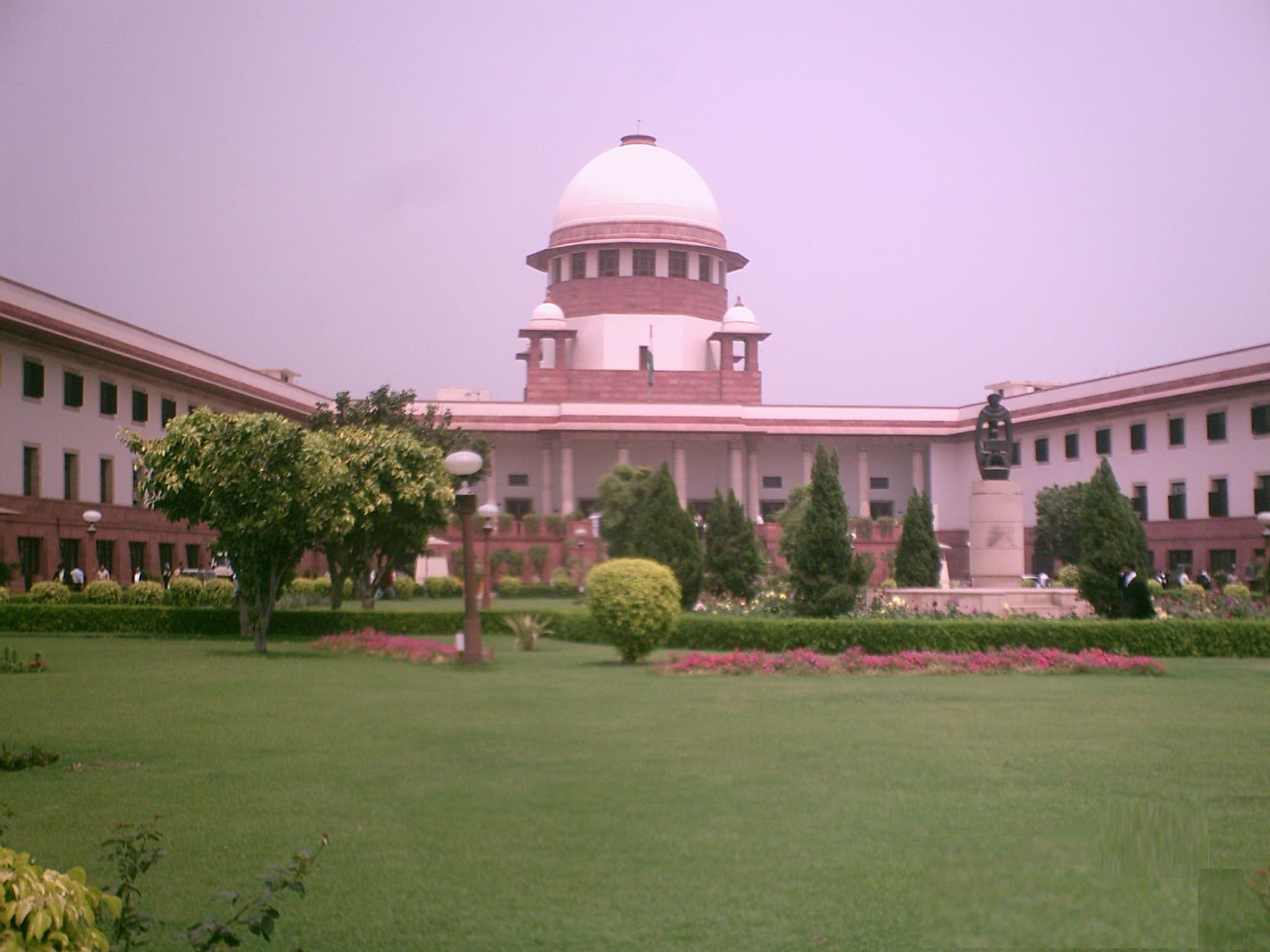
Table of Contents
Need Immediate Legal Help?
If you're facing a legal emergency in Lucknow, don't wait. Contact experienced criminal lawyer Advocate Onkar Pandey for immediate assistance.
Background of the Case
The allegations against the Arunachal CM revolve around irregularities in public tenders and favoritism towards certain contractors. These claims have raised serious concerns about transparency and governance in the state. The Supreme Court's decision to intervene underscores its role in maintaining the rule of law and ensuring that public officials are held accountable.
The case emerged from complaints filed by opposition parties, which accused the CM of misusing his position for personal gain. Such allegations, if proven, could lead to severe legal consequences under the Indian Penal Code (IPC) and Prevention of Corruption Act, thereby setting a precedent for similar cases across India.
Legal Framework Governing CBI Investigations
The Central Bureau of Investigation (CBI) operates under the Delhi Special Police Establishment Act, 1946. This Act empowers the CBI to investigate cases of corruption and serious crimes involving public servants. The Supreme Court's directive for a CBI inquiry is based on the premise that:
- There is sufficient prima facie evidence of wrongdoing.
- The investigation is necessary to uphold the integrity of public office.
In this case, the Supreme Court's order serves as a crucial reminder that no one is above the law, including state officials.
The Investigation Process
The CBI investigation will follow several key steps:
- Preliminary Inquiry: The CBI will conduct an initial investigation to gather evidence and determine whether there is enough basis for a full investigation.
- Registration of FIR: If warranted, the CBI will register a First Information Report (FIR) to formally initiate the investigation.
- Evidence Collection: The agency will collect documentary evidence, conduct interviews, and gather testimonies from witnesses.
- Report Submission: Upon completing the investigation, the CBI will submit its findings to the court.
This systematic approach ensures thoroughness and adherence to legal protocols, safeguarding the rights of all parties involved.
Legal Consultation
Talk directly to Advocate Onkar Pandey
Explain your matter over a call or WhatsApp. If you take the case forward, the consultation fee adjusts into your overall fee, so there is no separate charge to begin.
Possible Legal Outcomes
The legal outcomes of this investigation can vary significantly based on the findings. Potential scenarios include:
| Outcome | Description |
|---|---|
| Charges Filed | If evidence supports the allegations, criminal charges may be filed against the CM and involved parties. |
| Exoneration | If the investigation finds no wrongdoing, the CM may be exonerated, restoring his position. |
| Political Implications | Regardless of the legal findings, political fallout is inevitable, affecting the CM's governance and public image. |
The implications of this case extend beyond Arunachal Pradesh, as they could influence similar cases in Uttar Pradesh and other states.
Public Reaction and Media Coverage
The directive for a CBI investigation has garnered significant media attention and public interest. Various stakeholders, including political analysts, legal experts, and citizens, have voiced their opinions on the matter. Public sentiment is largely focused on:
- The necessity for accountability in governance.
- The role of media in uncovering corruption.
- The impact of such investigations on public trust in political leaders.
This case exemplifies the intersection of law, politics, and public opinion, showcasing how legal proceedings can influence the political landscape.
About the Author
Advocate Onkar Pandey is a seasoned legal professional based in Lucknow, specializing in criminal and family law. With extensive experience in handling cases related to bail, FIR, and property disputes, he is committed to providing expert legal advice and representation. Advocate Pandey's deep understanding of the legal system in Uttar Pradesh, particularly the workings of the Allahabad High Court, positions him as a trusted advisor for those navigating complex legal challenges.
Frequently Asked Questions
What is the role of the CBI in this investigation?+
The CBI is tasked with investigating allegations of corruption and misconduct involving public officials. They follow a structured process that includes preliminary inquiries, evidence collection, and potentially filing charges based on their findings.
How long does a CBI investigation typically take?+
While there is no fixed timeline, CBI investigations can take several months to years, depending on the complexity of the case and the volume of evidence to be reviewed.
Can the Chief Minister challenge the Supreme Court's directive?+
Yes, the Chief Minister can seek to challenge the Supreme Court's directive through legal avenues, potentially arguing against the necessity or basis of the CBI investigation.
What happens if the CM is found guilty?+
If found guilty, the CM could face criminal charges leading to imprisonment, fines, and disqualification from holding public office, depending on the severity of the offenses under the IPC and Prevention of Corruption Act.
What rights does the accused have during a CBI investigation?+
The accused has several rights, including the right to legal representation, the right to remain silent, and the right to contest evidence presented against them in court.
Related Services
Get Expert Legal Advice in Lucknow
20+ years experience in criminal law at Lucknow High Court. Available 24/7 for emergencies.
Disclaimer: This article is for general information purposes only and does not constitute legal advice. Every case is unique and requires specific legal analysis. For advice specific to your situation, please consult Advocate Onkar Pandey or another qualified attorney in Lucknow.