How to Get Bail After FIR Registration in Uttar Pradesh: A Complete Legal Guide (2026)
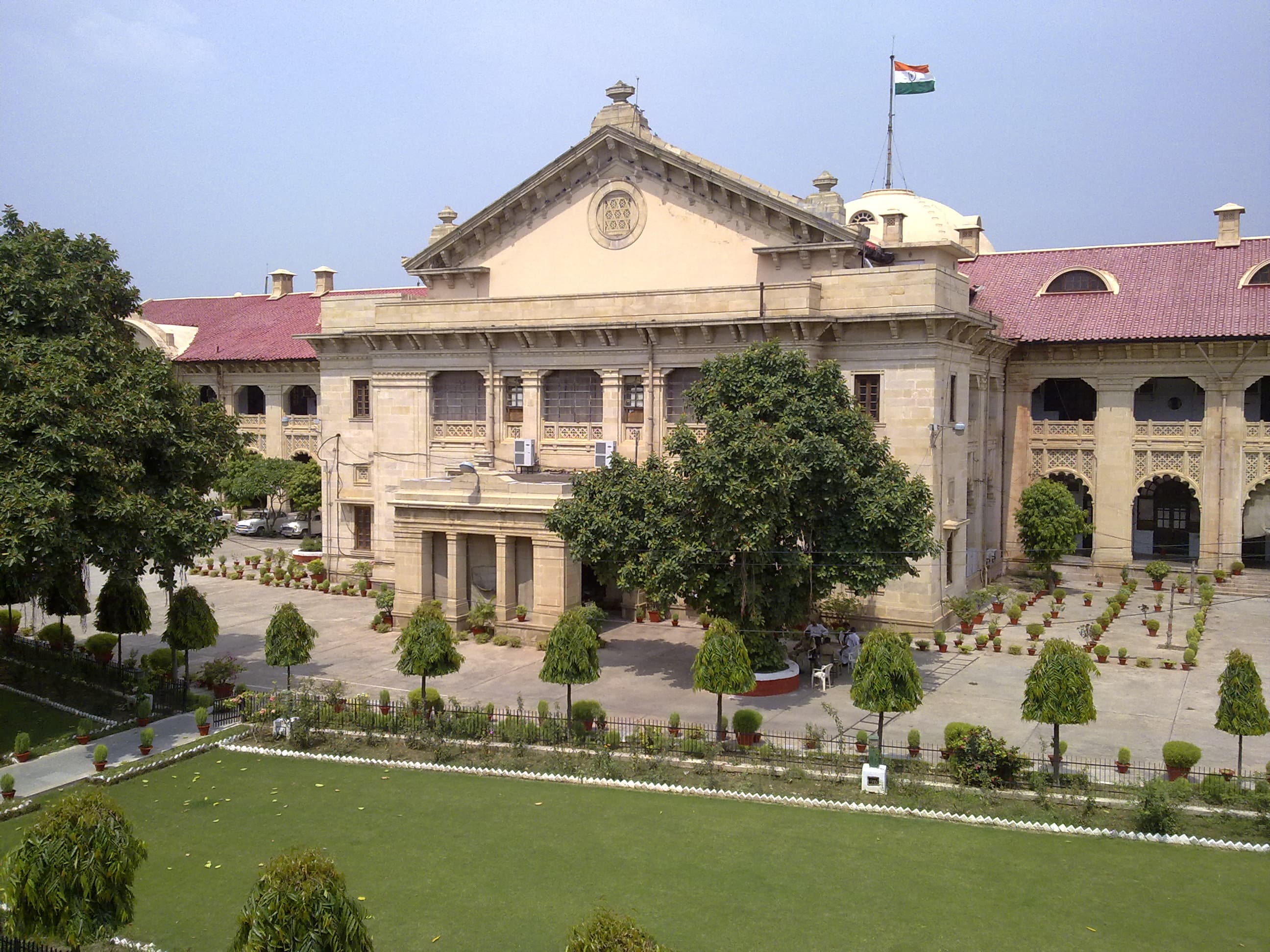
Getting bail after an FIR is registered in Uttar Pradesh is a step-by-step legal process governed by the Bharatiya Nagarik Suraksha Sanhita (BNSS), 2023. Whether you are in Lucknow, Kanpur, or any district of UP, the procedure depends on whether the offence is bailable or non-bailable. This guide explains the exact steps, forms, fee ranges, and timelines you can expect. For expert guidance, you can consult a criminal lawyer in Lucknow who practices at the Allahabad High Court.
Table of Contents
Need Immediate Legal Help?
If you're facing a legal emergency in Lucknow, don't wait. Contact experienced criminal lawyer Advocate Onkar Pandey for immediate assistance.
1. Understand the Nature of the Offence: Bailable vs. Non-Bailable
The first step to getting bail after FIR registration is determining whether the offence is bailable or non-bailable. This classification is listed in the Bharatiya Nyaya Sanhita (BNS), 2023 (First Schedule).
| Type of Offence | Example | Bail Availability |
|---|---|---|
| Bailable | Simple hurt, defamation, public nuisance | Bail is a matter of right |
| Non-Bailable | Murder (BNS Section 103), rape (BNS Section 64), robbery (BNS Section 328) | Bail is at the court’s discretion |
For bailable offences, you can file an application under Section 480 BNSS (old Section 436 CrPC) before the Magistrate. The police officer or the court must grant bail. No complex arguments are needed.
For non-bailable offences, you need to file an application under Section 483 BNSS (old Section 437 CrPC) before the Magistrate, or under Section 484 BNSS (old Section 439 CrPC) if the Magistrate rejects it and you approach the Sessions Court or Allahabad High Court (Lucknow Bench).
2. Step 1: File a Bail Application Before Arrest (Anticipatory Bail)
If you anticipate arrest after an FIR is registered, you can file an application for anticipatory bail under Section 482 BNSS (old Section 438 CrPC) before the Sessions Court or the High Court. This is a pre-arrest remedy.
- When to file: Immediately after the FIR is registered, before the police summon you.
- Which court: Sessions Court of the district where the FIR is lodged, or the Allahabad High Court (Lucknow Bench).
- Grounds: No criminal antecedents, weak case, cooperation with investigation, no flight risk.
In Shadab and Another v. State of U.P. (NABAIL No. 1975 of 2026), the Allahabad High Court granted anticipatory bail emphasizing the Siddharam Satlingappa Mhetre principles: nature of accusation, antecedents of accused, and exact role of accused. The court did not find that the accused would tamper with evidence or flee.
3. Step 2: Regular Bail Application Before the Magistrate (Section 483 BNSS)
If you are arrested, the first regular bail application must be filed before the Magistrate under Section 483 BNSS (old Section 437 CrPC). This is the court of first instance.
- Prepare the bail application with details of the FIR number, offence, arrest date, and grounds for bail.
- File a copy of the FIR and the arrest memo.
- Argue before the Magistrate: For non-bailable offences, you must show that there are reasonable grounds to believe the accused is not guilty and will not commit another offence while on bail.
The Magistrate will consider factors such as the severity of the offence, criminal record, and the possibility of witness tampering. If the Magistrate rejects the bail, you can move to the Sessions Court under Section 484 BNSS.
Legal Consultation
Talk directly to Advocate Onkar Pandey
Explain your matter over a call or WhatsApp. If you take the case forward, the consultation fee adjusts into your overall fee, so there is no separate charge to begin.
4. Step 3: Bail Application Before Sessions Court / High Court (Section 484 BNSS)
After rejection by the Magistrate, the next remedy is under Section 484 BNSS (old Section 439 CrPC). You can file a bail application before the Sessions Court of the district or the Allahabad High Court (Lucknow Bench).
In Shadab v. State of U.P. (BAIL No. 1058 of 2026), the Allahabad High Court (Lucknow Bench) granted regular bail even in a Gangster Act case, finding a lacuna in prosecution evidence (failure to explain injuries of the accused). The court imposed strict conditions: no tampering with evidence, no intimidation of witnesses, and mandatory presence on dates for recording statement under Section 351 BNSS.
- Choice of forum: You can directly approach the High Court without first going to Sessions Court, especially if the High Court has concurrent jurisdiction.
- Grounds: Long incarceration, weak prima facie case, parity with co-accused who got bail.
Important: High Court bail after rejection of a Magistrate's order is filed under Section 484 BNSS.
5. Fee Range and Timeline for Bail in Uttar Pradesh
Legal fees and timelines vary based on the court and complexity. Below is a realistic estimate for litigants in Lucknow and other UP districts.
| Stage | Legal Fees (INR) | Court Fees (INR) | Surety Bond | Timeline (Days) |
|---|---|---|---|---|
| Anticipatory Bail (Section 482 BNSS) | 30,000 – 80,000 | 500 – 1,000 | 50,000 – 1,00,000 | 7 – 21 days |
| Regular Bail (Magistrate, Section 483 BNSS) | 25,000 – 75,000 | 500 – 1,000 | 50,000 – 1,00,000 | 7 – 21 days |
| Bail before HC/Sessions (Section 484 BNSS) | 30,000 – 1,00,000 | 1,000 – 2,000 | 1,00,000 – 2,00,000 | 15 – 45 days |
Urgent applications (e.g., during custody) can be heard within 3 – 7 days if filed in the early morning list. After the court orders bail, release takes 1 – 3 days after furnishing the bond and surety.
6. Documents Required for Bail Application
You need to attach specific documents to your bail application for smooth processing. The checklist includes:
- Copy of the FIR (First Information Report).
- Arrest memo (if arrested).
- Personal affidavit of the accused.
- Surety affidavit from two sureties.
- Proof of identity (Aadhaar, Voter ID, etc.).
- Property documents of sureties (for verification).
The application must state the grounds clearly. For non-bailable offences, the criminal defense lawyer will highlight that the accused is not a flight risk, has no criminal antecedents, and will cooperate with the investigation.
7. Conditions Imposed by the Court While Granting Bail
Courts in Uttar Pradesh, especially the Allahabad High Court, impose strict conditions to ensure the accused does not misuse liberty.
- No tampering with evidence – The accused must not influence witnesses or destroy documents.
- No intimidation of witnesses – Particularly in cases of sexual offences or organized crime.
- Mandatory attendance on dates fixed for recording statement under Section 351 BNSS.
- No travel abroad without prior permission from the court.
In Shadab v. State of U.P., the court specifically directed the accused to remain present on “each and every date” fixed for recording statement. Violation of any condition can lead to cancellation of bail under the same provision (Section 484 BNSS or Section 483 BNSS).
About the Author
Advocate Onkar Pandey is a practicing lawyer at the Allahabad High Court Lucknow Bench with over 25 years of experience in criminal law, bail matters, FIR quashing, and family law. Enrolled with the Bar Council of Uttar Pradesh (No. UP/4825/1999), he provides expert legal guidance to clients across Uttar Pradesh from his chamber at A-406, High Court, Lucknow. For a consultation on bail after FIR registration, contact Advocate Onkar Pandey at +91 98392 71553.
Frequently Asked Questions
Can I get bail immediately after an FIR is registered in UP?+
It depends on the type of offence. For bailable offences listed in the First Schedule of BNS, you have a right to bail under Section 480 BNSS (old Section 436 CrPC). The police or Magistrate must grant it. For non-bailable offences, you need to file a regular bail application under Section 483 BNSS before the Magistrate. If you anticipate arrest, you can file an anticipatory bail application under Section 482 BNSS before the Sessions Court or High Court first.
What is the difference between anticipatory bail and regular bail under BNSS 2023?+
Anticipatory bail (Section 482 BNSS) is filed before arrest, to prevent arrest. Regular bail is filed after arrest (Section 483 BNSS before Magistrate, or Section 484 BNSS before Sessions Court/High Court). Anticipatory bail is granted only by Sessions Court or High Court, while regular bail can be granted by the Magistrate for non-bailable offences. Under the new BNSS, anticipatory bail is now also regulated by Section 482, not Section 438.
How much does it cost to file a bail application in Lucknow?+
Legal fees vary widely. For anticipatory bail, fees range from INR 30,000 to 80,000. For regular bail before Magistrate, INR 25,000 to 75,000. Court fees are nominal (INR 500 to 1,000). Surety bonds typically range from INR 50,000 to 1,00,000. For bail before the Allahabad High Court (Lucknow Bench), fees can go up to INR 1,00,000. Always ask your lawyer for a fee estimate upfront.
How long does it take to get bail order from Allahabad High Court Lucknow Bench?+
Typically 15 to 45 days from filing to order. Urgent bail applications (e.g., when the accused is in custody for a long period) can be heard within 3-7 days if filed in the early morning list. After the order, actual release from jail takes 1 to 3 additional days after furnishing the bail bond and sureties. Timelines can be shorter if the case is simple and non-contested.
What documents do I need for a bail application in UP?+
You need: copy of the FIR, arrest memo (if arrested), personal affidavit of the accused, surety affidavit from two sureties, proof of identity (Aadhaar, Voter ID) of the accused and sureties, and property documents of the sureties for verification. The application itself must state the grounds for bail, such as no criminal antecedents, weak evidence, or long incarceration.
Can bail be granted in non-bailable offences like murder or rape?+
Yes, bail can be granted in non-bailable offences, but it is discretionary and not a matter of right. The court considers factors: nature and severity of offence, role of the accused, criminal record, possibility of witness tampering, and flight risk. In Shadab v. State of U.P. (BAIL No. 1058 of 2026), the Allahabad High Court granted bail in a Gangster Act case due to lacuna in evidence. Strict conditions are imposed.
What happens if I violate bail conditions in UP?+
Violation of bail conditions can lead to cancellation of bail under the same provision (Section 484 BNSS or Section 483 BNSS). The prosecution can file an application for cancellation. If the court finds that the accused tampered with evidence, intimidated witnesses, or failed to appear, it may cancel bail and order re-arrest. The accused may also face additional charges for contempt of court or perjury.
Related Services
Get Expert Legal Advice in Lucknow
20+ years experience in criminal law at Lucknow High Court. Available 24/7 for emergencies.
Disclaimer: This article is for general information purposes only and does not constitute legal advice. Every case is unique and requires specific legal analysis. For advice specific to your situation, please consult Advocate Onkar Pandey or another qualified attorney in Lucknow.