Allahabad High Court Refuses to Quash FIR in UP Anti-Conversion Case Involving Students
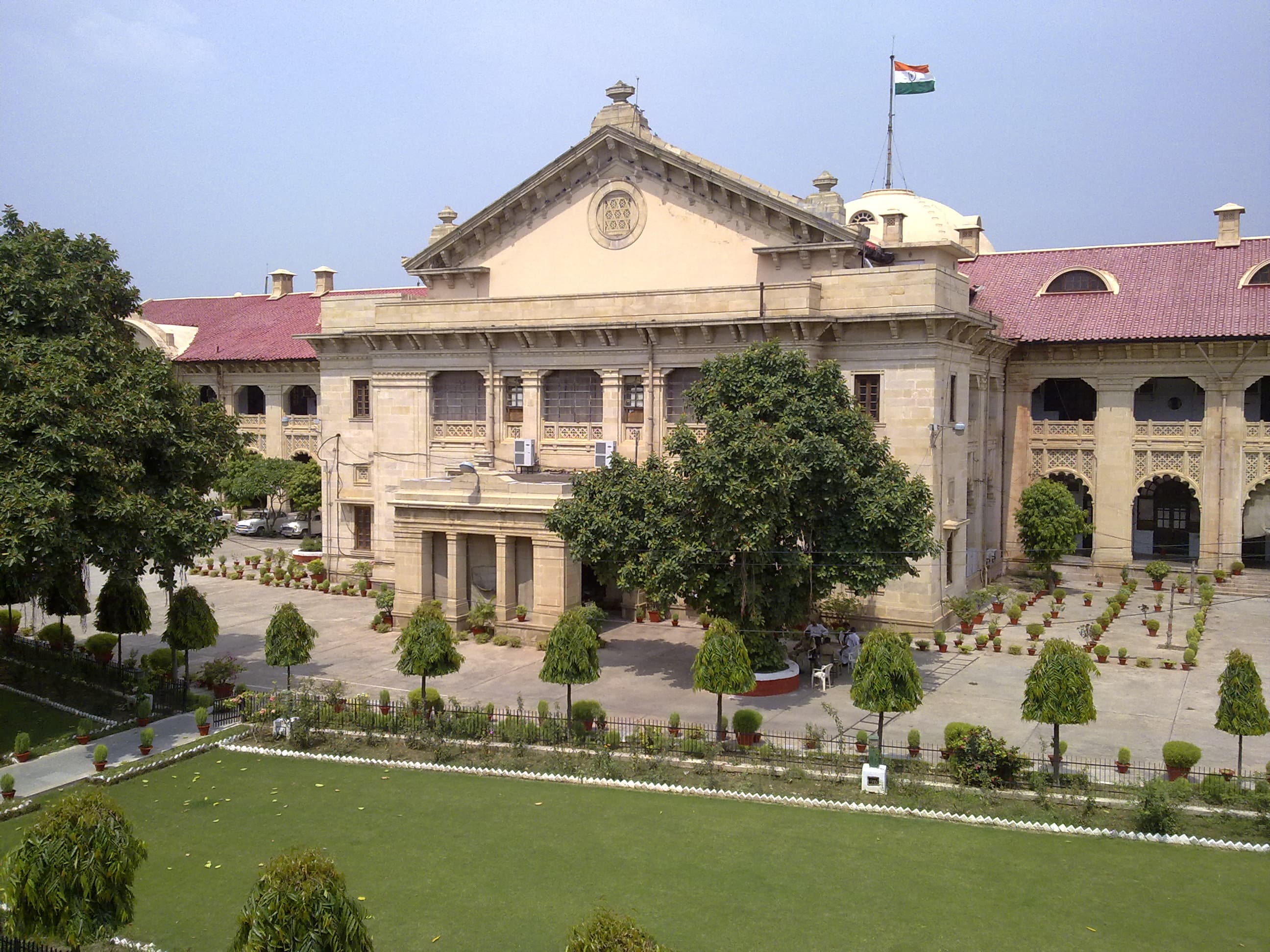
The UP Anti-Conversion Act has been a subject of intense legal scrutiny since its enactment in 2021. In a significant recent ruling, the Allahabad High Court refused to quash an FIR registered under this Act against two Class 12 students accused of forcing a Hindu classmate to wear a burqa and attempting religious conversion. The Division Bench of the High Court, consisting of Justice J.J. Munir and Justice Tarun Saxena, delivered this judgment on 16 April 2026 in the case of Aleena @ Aleena Parveen and Another v. State of Uttar Pradesh (2026 SCC OnLine All 2811).
The Court emphasised that the Act was enacted to curb the “disturbing trend” of youth forcing religion on others and held that no case for quashing was made out. This ruling has far-reaching implications for students, parents, and anyone accused under this stringent law. If you or your family are facing similar charges, it is crucial to consult an experienced criminal lawyer in Lucknow to understand your legal options.
Table of Contents
Need Immediate Legal Help?
If you're facing a legal emergency in Lucknow, don't wait. Contact experienced criminal lawyer Advocate Onkar Pandey for immediate assistance.
Background of the Case
The FIR was lodged under the Uttar Pradesh Prohibition of Unlawful Conversion of Religion Act, 2021 against two Class 12 students at a school in Uttar Pradesh. The complainant, a Hindu girl, alleged that the accused repeatedly forced her to wear a burqa and attempted to convert her to Islam against her will. The police registered the FIR under Sections 3 and 4 of the UP Act read with relevant provisions of the Bharatiya Nyaya Sanhita (BNS), 2023.
When the accused approached the Allahabad High Court under Section 528 BNSS (the new code replacing Section 482 CrPC) for quashing of the FIR, the Court dismissed their petition. The Division Bench noted that the allegations, if proved, would constitute a clear violation of the Act. The Court also vacated the interim protection that had previously been granted to the accused, allowing the investigation to proceed without hindrance.
- Case Name: Aleena @ Aleena Parveen and Another v. State of Uttar Pradesh
- Citation: 2026 SCC OnLine All 2811
- Court: Allahabad High Court (Prayagraj Bench)
- Key Finding: No ground for quashing the FIR; investigation must continue.
Key Provisions of the UP Anti-Conversion Act
The Uttar Pradesh Prohibition of Unlawful Conversion of Religion Act, 2021 makes forced or fraudulent religious conversion a punishable offence. Section 3 prohibits unlawful conversion, Section 4 prescribes punishment (up to 10 years imprisonment), and Section 5 raises a presumption of coercion if conversion is linked to marriage or other inducements.
In the Aleena case, the prosecution invoked Section 5 to argue that the alleged forcing to wear a burqa and repeated attempts amounted to coercion. The High Court agreed that such acts fall squarely within the mischief the Act seeks to prevent. The table below summarises the key sections:
| Section | Provision | Punishment |
|---|---|---|
| Section 3 | Prohibition of unlawful conversion | Up to 10 years imprisonment |
| Section 4 | Punishment for unlawful conversion | Imprisonment and fine |
| Section 5 | Presumption of coercion | Burden on accused to rebut |
Application of the Bharatiya Nyaya Sanhita (BNS) and BNSS
While the UP Anti-Conversion Act is a state law, the criminal proceedings also involve offences under the Bharatiya Nyaya Sanhita (BNS), 2023. In this case, the Court considered Section 199 BNS (forcible conversion of religion) and Section 200 BNS (threats or force to convert). Additionally, Section 354 BNS (criminal intimidation) was invoked for the alleged threats.
Under the Bharatiya Nagarik Suraksha Sanhita (BNSS), 2023, the High Court’s power to quash an FIR is governed by Section 528 BNSS (inheriting the legacy of Section 482 CrPC). For bail in such cases, the accused may approach the Sessions Court under Section 483 BNSS for non-bailable offences or the High Court under Section 484 BNSS after rejection by a lower court.
- Section 199 BNS: Forcible conversion of religion
- Section 200 BNS: Threat or force to convert
- Section 354 BNS: Criminal intimidation
- Section 528 BNSS: High Court’s inherent power to quash FIR
- Section 483 BNSS: Bail in non-bailable offences before Magistrate/Sessions
- Section 484 BNSS: High Court bail after rejection
Understanding these provisions is vital for anyone seeking bail or quashing of FIR in such matters.
Legal Consultation
Talk directly to Advocate Onkar Pandey
Explain your matter over a call or WhatsApp. If you take the case forward, the consultation fee adjusts into your overall fee, so there is no separate charge to begin.
Contrast with the Christians in Uttar Pradesh Case (2025)
The Aleena ruling stands in stark contrast to another recent decision of the Allahabad High Court (Lucknow Bench) in Christians in Uttar Pradesh v. State of Uttar Pradesh (2025 SCC OnLine All 1452). In that case, the Court quashed an FIR against Christians accused of distributing Bibles and preaching under the said Act. The difference lies in the presence of a specific victim and evidence of coercion.
In Christians in UP, the Court held that distributing religious literature and preaching are not crimes unless there is evidence of coercion or inducement. The Act requires a specific victim of forced conversion; absent such a victim, the charge is invalid. This ruling highlighted the potential misuse of the Act against legitimate religious activities.
| Case | Year | Outcome | Key Principle |
|---|---|---|---|
| Aleena @ Aleena Parveen | 2026 | FIR not quashed | Allegation of forcing burqa and conversion constitutes offence |
| Christians in UP | 2025 | FIR quashed | Preaching without coercion is not conversion |
Procedure for Filing a Quashing Petition under Section 528 BNSS
If you or someone you know is facing an FIR under the UP Anti-Conversion Act, filing a quashing petition before the Allahabad High Court under Section 528 BNSS is one possible remedy. However, as the Aleena case shows, the Court will not quash the FIR if the allegations prima facie disclose an offence.
The procedure involves the following steps:
- Engage a criminal lawyer in Lucknow with expertise in High Court quashing matters.
- Collect all relevant documents such as the FIR, charge sheet (if filed), and evidence rebutting the allegations.
- Draft a petition under Section 528 BNSS stating grounds for quashing, e.g., lack of specific victim, no evidence of coercion, or mala fide intent.
- File the petition at the Lucknow or Prayagraj Bench of the Allahabad High Court, whichever has jurisdiction.
- Attend hearings; the court may grant interim protection or proceed to final hearing.
In the Aleena case, the Court rejected the quashing plea after hearing arguments, underscoring that strong evidence of coercion will defeat such petitions. A consultation with Advocate Onkar Pandey can help assess the strength of your case.
Fee Structure and Timeline for Quashing Petitions at Allahabad High Court
Understanding the costs and duration involved in filing a quashing petition is essential for litigants. The fees vary depending on the complexity of the case and the lawyer’s experience. Below is a typical estimate for litigants in Uttar Pradesh:
| Service | Estimated Fee (INR) |
|---|---|
| Filing Fee (High Court writ petition) | 2,500 – 5,000 |
| Private Lawyer’s Fee (full representation) | 50,000 – 1,50,000 |
| Interim protection (if granted) | 2–4 weeks |
| Final disposal of quashing petition | 6–12 months |
These figures are indicative; actual costs depend on the lawyer’s standing and the court’s schedule. For a detailed fee breakdown tailored to your case, consult an experienced lawyer.
Implications for Students and Accused Persons
The Aleena ruling sends a strong message that the UP Anti-Conversion Act will be enforced rigorously, especially when vulnerable students are involved. Accused persons cannot expect easy quashing of FIRs; the investigation must proceed, and bail becomes the primary remedy.
For those accused under this Act, the best course of action is to apply for bail under Section 483 BNSS before the Sessions Court or Section 484 BNSS before the High Court, after due assessment of the evidence. Given the presumption of coercion under Section 5 of the Act, the accused must rebut it by showing lack of force or inducement.
- Immediate steps: Apply for anticipatory bail if arrest is imminent, or regular bail after arrest.
- Legal representation: A seasoned criminal lawyer in Lucknow is critical to navigate the complexities of the Act and the BNSS.
- Documentation: Maintain all communications, witness statements, and evidence that demonstrate the voluntary nature of any religious discussion.
Parents of students accused under this Act should seek legal advice promptly, as prolonged investigation can affect academic and professional futures.
About the Author
Advocate Onkar Pandey is a practicing lawyer at the Allahabad High Court Lucknow Bench with over 25 years of experience in criminal law, bail matters, FIR quashing, and family law. Enrolled with the Bar Council of Uttar Pradesh (No. UP/4825/1999), he provides expert legal guidance to clients across Uttar Pradesh from his chamber at A-406, High Court, Lucknow. For a consultation on UP Anti-Conversion cases, contact Advocate Onkar Pandey at +91 98392 71553.
Frequently Asked Questions
What is the UP Anti-Conversion Act and when was it enacted?+
The Uttar Pradesh Prohibition of Unlawful Conversion of Religion Act, 2021 was enacted to prohibit forced or fraudulent religious conversions. It makes such conversion punishable with up to 10 years imprisonment and raises a presumption of coercion if conversion is linked to marriage or offers of benefit.
Can an FIR under the UP Anti-Conversion Act be quashed?+
Yes, an FIR can be quashed under Section 528 BNSS if the allegations do not disclose any offence or if the FIR is mala fide. However, as seen in the Aleena case (2026 SCC OnLine All 2811), the Allahabad High Court will not quash the FIR if there is prima facie evidence of coercion or inducement.
What are the bail options for someone accused under this Act?+
An accused can apply for regular bail under Section 483 BNSS before the Sessions Court or under Section 484 BNSS before the High Court. Anticipatory bail may also be sought under Section 482 BNSS if there is a fear of arrest. The court will consider the nature of allegations and evidence of coercion.
What is the difference between the Aleena case and the Christians in UP case?+
In Aleena (2026), the High Court refused to quash the FIR because there was a specific victim and allegations of forcing to wear a burqa and conversion. In Christians in UP (2025), the Court quashed the FIR because distributing religious literature and preaching without coercion does not constitute an offence under the Act.
How long does it take to get bail in a UP Anti-Conversion case?+
Bail in such cases can take anywhere from a few weeks to several months, depending on the court’s workload and the strength of the case. Interim protection may be granted within 2–4 weeks. For final bail orders, expect 6–12 months.
What should students do if they are falsely accused under this Act?+
Students should immediately seek legal help from an experienced criminal lawyer. Collect all evidence such as messages, witness statements, and CCTV footage that show the voluntary nature of interactions. File an application for anticipatory bail or quashing of FIR at the earliest.
Is Section 5 of the UP Act unconstitutional?+
Section 5 raises a presumption of coercion if conversion is alleged in certain contexts. Its constitutionality has been challenged, but the Allahabad High Court and Supreme Court have upheld the Act’s validity subject to certain safeguards. Each case is examined on its facts.
Related Services
Get Expert Legal Advice in Lucknow
20+ years experience in criminal law at Lucknow High Court. Available 24/7 for emergencies.
Disclaimer: This article is for general information purposes only and does not constitute legal advice. Every case is unique and requires specific legal analysis. For advice specific to your situation, please consult Advocate Onkar Pandey or another qualified attorney in Lucknow.